
Property investment can be a lucrative opportunity for those prepared to navigate the market wisely. Understanding when you’re truly ready to start is crucial to maximizing success. Many potential investors hesitate due to uncertainty, but recognizing key indicators can help build confidence. This guide provides insight into 15 critical signs that signal your preparedness.
Whether you are planning for long-term wealth or passive income, being informed is the first step. If you identify with most of these signs, you might be closer than you think to making your first investment move.
15 Signs You Are Ready to Start a Property Investment Business
Embarking on a property investment journey can be highly rewarding—but timing is crucial. Understanding whether you’re truly prepared can mean the difference between success and struggle. The following signs will help you recognize if you’re in the ideal position to start investing in property and build sustainable wealth.
1. You Have a Clear Investment Goal
To succeed in property investment, you must have well-defined objectives. Setting SMART [Specific, Measurable, Achievable, Relevant, Time-bound] goals helps you stay focused. Without clear goals, investments can become scattered, reducing profitability. Well-planned objectives act as a roadmap, helping you choose properties that align with financial aspirations.
Defining whether you aim for cash flow, appreciation, or long-term wealth accumulation is essential. By setting milestones, you can measure success and adjust strategies accordingly.
Examples of Investment Goals:
| Goal Type | Description |
| Cash Flow | Generate consistent rental income |
| Appreciation | Buy properties that increase in value over time |
| Passive Income | Build a portfolio for long-term financial stability |
2. You Understand Real Estate Market Trends

Having a grasp of market dynamics is essential. Keep track of property prices, demand, and interest rates to make informed decisions. Staying updated with housing demand fluctuations can prevent investment losses.
Understanding economic conditions, supply-demand ratios, and geographic trends helps you identify profitable opportunities. Emerging markets often present lucrative deals, while established markets offer stability. Keeping an eye on government policies affecting property investment can also provide an advantage.
Recent Real Estate Market Trends:
| Factor | Trend |
| Housing Demand | Rising due to urbanization |
| Interest Rates | Fluctuating with economic conditions |
| Rental Market | Increasing rental yields in major cities |
3. You Have Stable Financial Health
A strong financial foundation is crucial for property investment. Ensure you have good credit, adequate savings, and emergency funds. Investors with stable financial health find it easier to secure loans and negotiate better mortgage rates.
Unexpected costs, such as maintenance and taxes, require financial preparedness. Being debt-free or having manageable debt improves investment stability. A solid financial background also provides leverage for better deals and partnerships.
Checklist for Financial Preparedness:
- Credit score of 700+
- Emergency fund covering at least six months of expenses
- Down payment savings
- Stable source of income
4. You Are Comfortable Taking Calculated Risks
Risk is inherent in property investment, but understanding how to manage it is key. Smart risks involve research and risk assessment. Fear of risk can delay profitable opportunities, while reckless decisions can lead to losses.
Investors who calculate risks through data analysis and market research gain long-term advantages. Recognizing potential challenges, such as economic downturns or tenant issues, prepares you for better decision-making.
Case Study:
John, a first-time investor, bought a fixer-upper at a lower price, renovated it, and sold it for a 30% profit in one year. His success was due to careful market research and budgeting.
5. You Have Researched Investment Strategies
Different investment strategies suit different investors. Knowing which one aligns with your goals is critical. Short-term investments, like house flipping, require rapid decision-making and capital.
Long-term strategies, such as buy-and-hold, focus on wealth-building through rental income. Choosing the right approach depends on risk tolerance, available funds, and market conditions.
Comparison of Investment Strategies:
| Strategy | Pros | Cons |
| Buy-and-Hold | Long-term income | Requires patience |
| Fix-and-Flip | Quick profit | High upfront cost |
| REITs | Passive income | Limited control |
6. You Have a Good Network in the Industry
Building a network of professionals can help you find better deals and avoid common pitfalls. Real estate agents, property managers, and financial advisors can provide valuable insights. Networking with experienced investors helps you learn from their successes and mistakes. Establishing relationships with lenders can improve financing options.
Regular interaction with industry experts enhances investment knowledge and opportunities.
Ways to Expand Your Network:
- Join real estate investment groups
- Attend property expos and seminars
- Connect with experienced investors
7. You Have a Solid Understanding of Property Financing
Understanding mortgages, loans, and interest rates is essential for successful investments. Choosing the right financing option impacts overall profitability. Fixed-rate mortgages offer stability, while adjustable-rate loans can provide lower initial payments.
Knowing the difference between primary and secondary loans helps in budgeting. A strong grasp of financial options allows investors to leverage opportunities efficiently.
Mortgage Types and Features:
| Mortgage Type | Interest Rate | Best For |
| Fixed-Rate | Consistent | Long-term stability |
| Adjustable-Rate | Fluctuates | Short-term investors |
8. You Are Prepared for Property Management
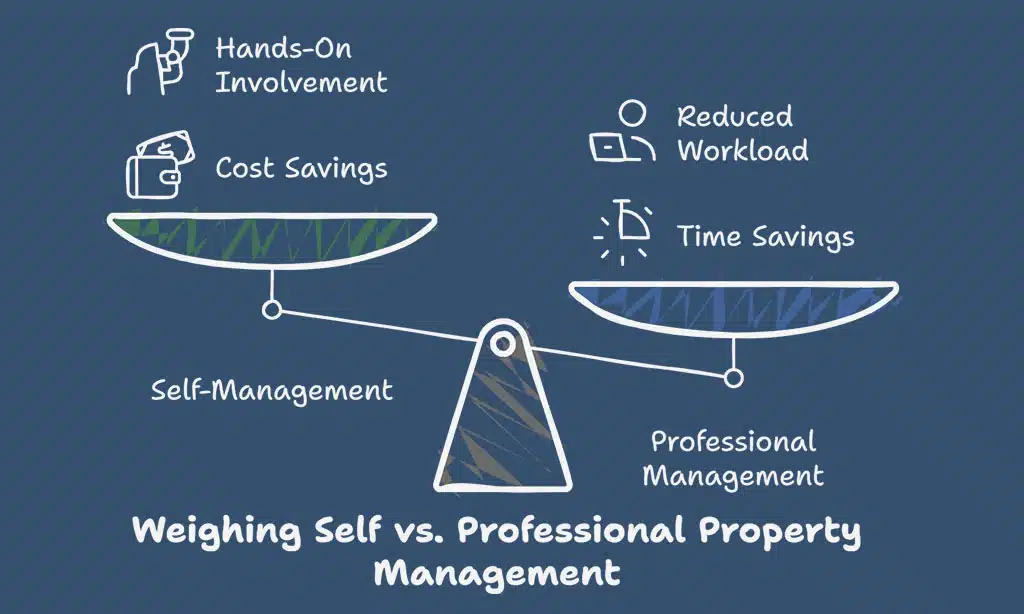
Managing properties requires time and effort. Decide whether you’ll handle it yourself or hire a property manager. Self-management requires hands-on involvement in tenant relations and maintenance.
Professional property managers reduce workload but come at a cost. Evaluating the benefits of each approach ensures smooth investment operations.
Essential Responsibilities:
- Tenant screening
- Rent collection
- Property maintenance
9. You Have a Contingency Plan for Unexpected Expenses
Real estate investing involves unexpected costs, including property repairs, vacancies, legal issues, and tax changes. Investors who fail to plan for these expenses often struggle financially, leading to cash flow problems or forced property sales.
A smart investor always maintains a contingency fund to cover unexpected costs, ensuring financial stability even during market downturns or rental vacancies.
Common Unexpected Expenses and How to Prepare for Them
| Expense Type | Example | Recommended Contingency Fund |
| Repairs & Maintenance | Roof replacement, plumbing issues | 1-2% of property value annually |
| Vacancies | Difficulty finding tenants | 3-6 months’ rent in reserves |
| Legal Fees | Evictions, disputes with tenants | $1,000+ set aside |
| Market Downturns | Property values declining | Long-term holding strategy |
10. You Have an Exit Strategy in Place
A well-thought-out exit strategy is just as important as an entry plan. Before investing, you should have a clear plan for selling, refinancing, or transitioning out of the property to maximize profits and minimize losses.
Many investors fail to consider exit strategies, leading to situations where they are stuck with underperforming properties or forced to sell at a loss. A strategic exit plan ensures financial flexibility and prepares you for future opportunities.
Types of Exit Strategies for Real Estate Investors
| Exit Strategy | Best For | Key Benefit | Potential Risk |
| Buy-and-Hold Long-Term | Passive income investors | Builds wealth over time | Market fluctuations |
| Fix-and-Flip | Short-term investors | Quick profit potential | High renovation costs |
| 1031 Exchange | Tax-savvy investors | Defers capital gains taxes | Must reinvest quickly |
| Refinancing | Investors needing capital | Pulls out equity for reinvestment | Higher mortgage payments |
| Selling to Investors | Owners of rental properties | Quick sale, no tenant issues | May sell below market price |
11. You Have Researched the Legal Aspects of Property Investment
Understanding the legal framework of property investment is crucial to avoid costly mistakes, lawsuits, or compliance issues. Many new investors overlook local zoning laws, rental regulations, tax policies, and landlord-tenant laws, which can lead to financial and legal problems.
By educating yourself on real estate laws and seeking professional legal advice, you can safeguard your investments and ensure a smooth property acquisition, management, and exit strategy.
Key Legal Aspects Every Property Investor Should Know
| Legal Aspect | Why It Matters | Common Mistakes to Avoid |
| Zoning Laws | Dictates how a property can be used | Buying property without checking zoning restrictions |
| Landlord-Tenant Laws | Defines landlord and tenant rights | Illegal eviction, security deposit mismanagement |
| Property Taxes | Affects overall profitability | Ignoring property tax hikes |
| Contract Laws | Ensures valid real estate transactions | Not reading fine print in agreements |
| Insurance Requirements | Protects property from damages/liability | Underinsuring rental properties |
12. You Have the Patience to See Long-Term Results
Real estate investing is not a get-rich-quick scheme. It requires patience, strategic planning, and a long-term mindset. Unlike stocks, where prices fluctuate daily, real estate appreciates over time and requires years of smart investing before seeing significant profits.
Many investors get discouraged when they don’t see immediate returns, but those who stay committed often build substantial wealth over the years.
Why Patience is Key in Real Estate Investing
| Investment Phase | Typical Timeline | What to Expect |
| Buying & Setup | 3-6 months | Finding a property, financing, and closing |
| Rental Income Growth | 1-2 years | Stabilizing cash flow and tenant turnover |
| Appreciation Growth | 5-10 years | Market-driven increase in property value |
| Long-Term Wealth | 10+ years | Equity accumulation, refinancing, or selling |
13. You Are Open to Learning and Adapting
The real estate market is constantly evolving due to economic shifts, technology advancements, and changing consumer behaviors. Successful investors continuously educate themselves and stay updated on market trends, investment strategies, and financing options.
Investors who refuse to adapt to new trends and market changes often struggle, while those who embrace new strategies, such as short-term rentals, REITs, or smart home investments, stay ahead of the competition.
Ways to Stay Updated in the Real Estate Industry
| Learning Method | Benefits |
| Real Estate Podcasts | Get insights from successful investors |
| Industry Webinars & Conferences | Learn from experts and network with professionals |
| Real Estate Books & Blogs | Gain in-depth knowledge and case studies |
| Joining Investment Groups | Discuss strategies with like-minded investors |
14. You Have a Diversified Investment Portfolio
Successful investors never put all their eggs in one basket. Diversification in real estate reduces risks and protects against market downturns. Investing in different property types, locations, and investment strategies ensures steady cash flow and long-term stability.
For example, if one rental market declines due to economic conditions, having other property types in different regions helps balance the losses.
Ways to Diversify Your Real Estate Investments
| Diversification Strategy | Example | Benefit |
| Investing in Different Locations | Urban + Suburban properties | Reduces risk from local downturns |
| Mixing Short & Long-Term Rentals | Airbnb + Traditional rentals | Balances cash flow & demand fluctuations |
| Investing in Different Property Types | Residential + Commercial properties | Increases opportunities for profit |
| Using Multiple Investment Methods | Direct ownership + REITs | Allows passive and active income |
15. You Are Mentally and Emotionally Ready to Invest
Real estate investing is not just about numbers—it’s also about mindset. Fear of failure, decision fatigue, or emotional investing can lead to mistakes. Being mentally and emotionally prepared helps you stay focused, make rational decisions, and handle setbacks effectively.
Many new investors hesitate due to self-doubt or market fears, but those who overcome psychological barriers often find great success. Understanding that real estate involves ups and downs will prepare you for the journey.
Signs You Are Mentally Ready to Invest
| Mindset Trait | Why It’s Important |
| You Can Handle Risk | Real estate involves market fluctuations |
| You Have a Long-Term Perspective | Quick profits are rare; patience is key |
| You Can Make Data-Driven Decisions | Emotional investing leads to losses |
| You Are Not Afraid to Ask for Help | Learning from experts prevents mistakes |
| You Accept That Mistakes Will Happen | Every investor faces setbacks at some point |
Takeaways
Recognizing these 15 signs you are ready to start a property investment business can give you the confidence needed to move forward successfully. Property investment offers remarkable opportunities for financial growth, but being prepared and clear about your goals is essential.
If you find yourself relating to most of these indicators, it may be the perfect moment to take action, begin your property investment journey, and unlock your potential for long-term wealth.