
The statute of limitations is critical in personal injury claims in Los Angeles, California. Failure to file a lawsuit within the designated time can bar a case from proceeding. A personal injury lawyer in los Angeles california must ensure that victims understand these deadlines and act quickly. This article discusses how attorneys navigate the statute of limitations and help clients avoid costly mistakes.
Understanding California’s Statute of Limitations for Personal Injury Cases
Definition and Purpose
California’s statute of limitations sets a strict time limit for filing personal injury lawsuits. This legal deadline serves a dual purpose: It ensures that claims are brought while evidence remains fresh and witnesses’ memories are reliable. It also provides defendants with a sense of closure after a reasonable period. Understanding this concept is crucial for anyone considering legal action in Los Angeles or elsewhere in the state.
Timeframes for Different Types of Cases
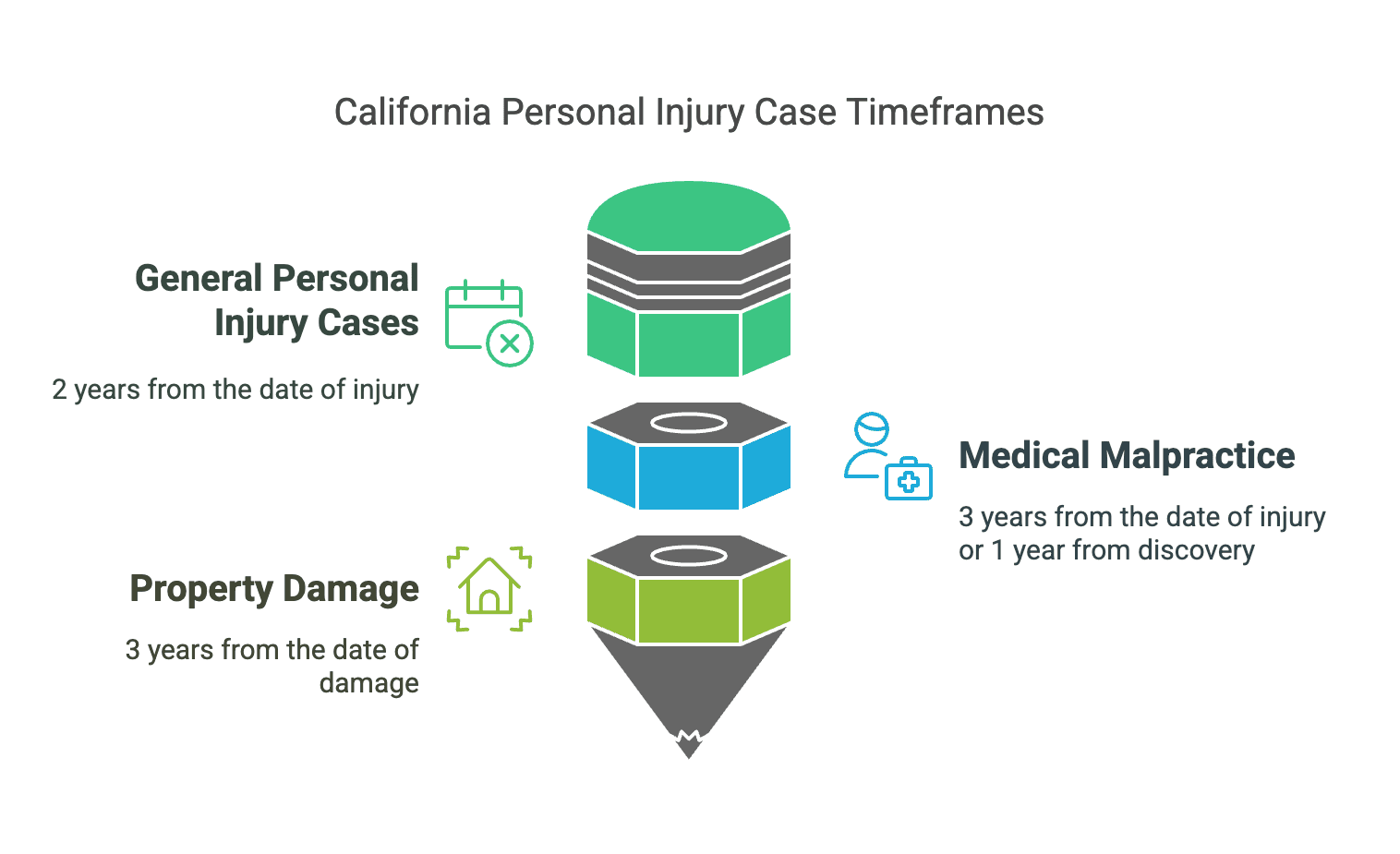
In California, the statute of limitations varies depending on the nature of the personal injury case:
- General personal injury cases: 2 years from the date of injury
- Medical malpractice: 3 years from the date of injury or 1 year from discovery, whichever comes first
- Property damage: 3 years from the date of damage
It’s important to note that these timeframes can be affected by various factors, such as the discovery rule or the involvement of government entities.
Exceptions and Special Considerations
While the statute of limitations is generally strict, some exceptions may extend or “toll” the deadline. These include cases involving minors, where the clock typically starts running on their 18th birthday. Additionally, if the defendant leaves the state before a lawsuit can be filed, their absence may not count toward the limitation period. Understanding these nuances is vital for protecting your legal rights in Los Angeles.
How the Statute of Limitations Affects Personal Injury Lawsuits in Los Angeles
Understanding the Time Constraints
In Los Angeles, as in the rest of California, the statute of limitations is crucial in personal injury cases. This legal timeframe dictates how long you must file a lawsuit after an injury occurs. For most personal injury cases in Los Angeles, you typically have two years from the date of the injury to initiate legal proceedings. However, this period can vary depending on the specific circumstances of your case.
Exceptions and Special Considerations
It’s important to note that certain situations may alter the standard two-year timeframe. For instance, if you’re filing a claim against a government entity, you must act much more quickly, usually within six months of the incident. Additionally, cases involving medical malpractice or injuries to minors may have different timelines. These variations underscore the importance of consulting with a knowledgeable Los Angeles personal injury attorney as soon as possible after an accident.
Consequences of Missing the Deadline
Failing to file your lawsuit within the statute of limitations can have severe consequences. If you attempt to file after the deadline, the court will likely dismiss your case, regardless of its merit. This means you’ll lose your right to seek compensation for your injuries, medical bills, lost wages, and other damages. You must know these time constraints to protect your legal rights and act promptly following an injury.
Exceptions to the Statute of Limitations in California Personal Injury Cases
While California’s statute of limitations sets strict deadlines for filing personal injury claims, several important exceptions can extend or pause the clock. Understanding these exceptions is crucial for protecting your legal rights in Los Angeles.
Discovery Rule
The discovery rule allows the statute of limitations to begin when the plaintiff discovers (or reasonably should have discovered) their injury rather than when the incident occurred. This exception is particularly relevant in cases involving latent injuries or medical malpractice, where harm may not be immediately apparent.
Tolling for Minors
The statute of limitations for injured minors is “tolled” or paused until they turn 18. This means that in most cases, a minor has until their 20th birthday to file a personal injury claim, regardless of when the injury occurred.
Government Claims
If your injury involves a government entity, different rules apply. You must file an administrative claim within six months of the incident. You must file a lawsuit six months after the denial date if denied.
Defendant’s Absence
If the defendant leaves California after the injury occurs but before the lawsuit can be filed, the statute of limitations may be paused during their absence. This prevents defendants from evading responsibility by simply leaving the state.
Understanding these exceptions can be complex, and their applicability varies case by case. Consulting with an experienced Los Angeles personal injury attorney is crucial to ensure you don’t miss critical deadlines for your claim.
Conclusion
Understanding California’s statute of limitations is crucial for anyone involved in a personal injury case in Los Angeles. By being aware of these time limits, you can protect your legal rights and ensure you have the opportunity to seek compensation for your injuries. Remember that different cases have varying deadlines, and certain exceptions may apply. To navigate these complex legal waters, it’s advisable to consult with an experienced personal injury lawyer in Los Angeles, California, who can guide you through the process and help you meet all necessary deadlines.