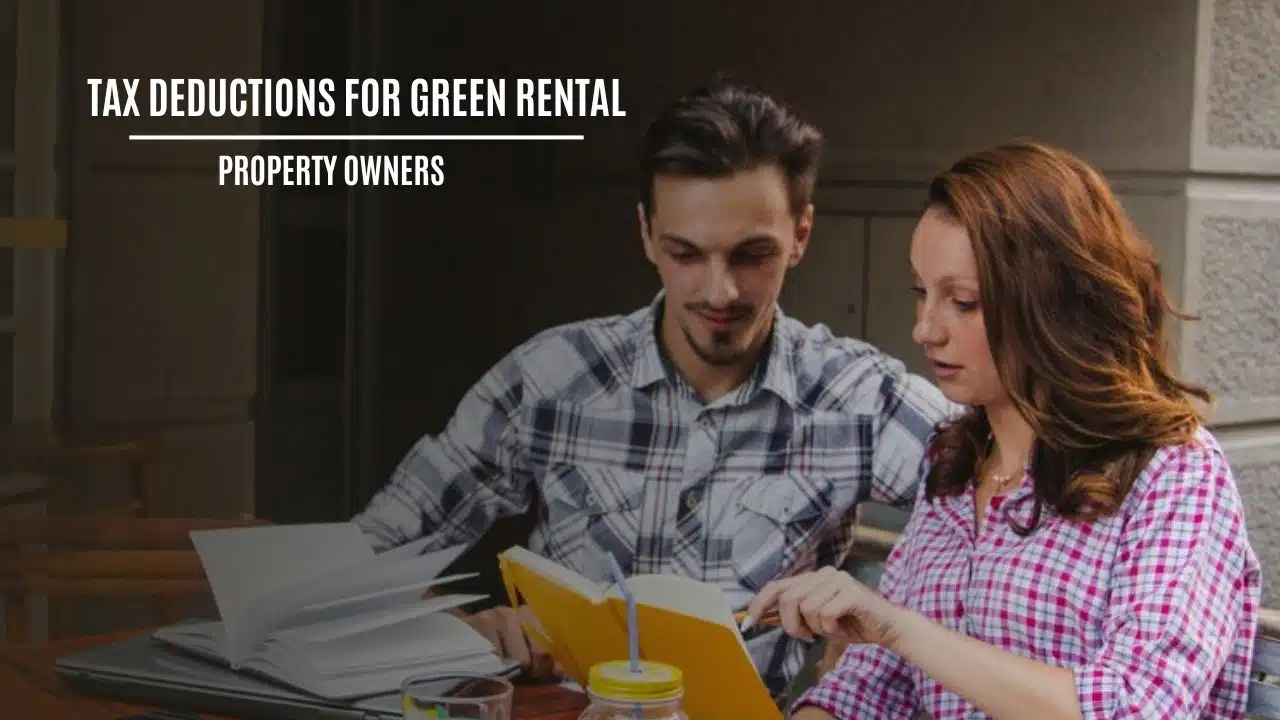
Owning a green rental property combines financial advantages with environmental responsibility. Sustainable practices, such as installing solar panels or energy-efficient appliances, lower energy costs and open opportunities for tax deductions.
These deductions allow property owners to offset initial expenses while making a positive environmental impact.
This guide explores the top tax deductions for green rental property owners, providing actionable tips, real-life examples, and strategic insights.
Whether you’ve already implemented eco-friendly upgrades or are planning future investments, these deductions can help you save money, enhance your property value, and attract environmentally conscious tenants.
Understanding Green Rental Property Tax Benefits
How Tax Deductions Work for Green Rental Properties
Tax deductions for green rental properties reward owners for implementing energy-efficient and sustainable upgrades. These deductions apply to purchase, installation, and maintenance costs for eligible systems and materials.
Federal programs, such as the Residential Clean Energy Credit, incentivize renewable energy use, while state and local initiatives offer additional rebates for green certifications or water-efficient landscaping.
Key Benefits
- Reduces taxable income by claiming sustainable expenses.
- Incentivizes eco-friendly upgrades, lowering long-term operational costs.
- Attracts high-quality tenants willing to pay premium rents for green properties.
Overview of Tax Benefits
| Tax Incentive | Details | Example Savings |
| Residential Clean Energy Credit | 30% tax credit for renewable energy | $6,000 for $20,000 solar |
| Energy Star Appliance Deductions | 10% of cost (up to $500) | $300 for $3,000 appliances |
| Green Roof State Abatement | Varies by state, $5–$10 per sq. ft. | $5,230 in NYC for 1,000 sq. ft. |
The Top 15 Tax Deductions for Green Rental Property Owners

Let’s take a look!
1. Energy-Efficient Appliances
Upgrading to Energy Star-certified appliances is one of the simplest ways to qualify for deductions. These appliances, including refrigerators, washing machines, and HVAC systems, consume less energy and reduce electricity costs. In addition to federal tax credits, utility companies often offer rebates for replacing old models with high-efficiency alternatives.
Replacing appliances not only cuts energy bills by up to 50% but also enhances tenant satisfaction, making your property more attractive in the rental market.
Cost vs. Savings of Energy-Efficient Appliances
| Appliance | Cost Range | Tax Credit | Annual Energy Savings |
| Refrigerator | $1,000–$2,500 | 10% (up to $500) | $100–$200 |
| Washing Machine | $800–$1,500 | 10% (up to $300) | $50–$100 |
| HVAC System | $3,500–$10,000 | 10% (up to $500) | $300–$500 |
2. Solar Energy Systems
Solar energy systems remain one of the most impactful upgrades for green rental property owners.
The Federal Solar Investment Tax Credit (ITC) provides a 30% credit for installation costs, and solar panels significantly reduce utility expenses. Pairing solar systems with battery storage further improves efficiency and may qualify for additional incentives.
Solar installations not only reduce energy reliance but also boost property value by an average of 4%. They appeal to eco-conscious tenants and support long-term sustainability goals.
ROI of Solar Energy Systems
| Installation Cost | Federal Tax Credit | Annual Utility Savings | Payback Period |
| $20,000 | $6,000 | $1,500 | ~9 years |
| $30,000 | $9,000 | $2,000 | ~10.5 years |
3. Green Roof Installation
Green roofs improve energy efficiency by reducing heat absorption and providing natural insulation. They also support stormwater management and improve air quality. While installation costs can be high, many states offer abatements or credits to offset expenses.
In urban areas like New York City, tax abatements for green roofs can reach up to $5 per square foot, making them an attractive option for rental property owners looking to enhance sustainability and aesthetics.
Green Roof Benefits
| Feature | Energy Savings | Tax Benefit |
| Natural Insulation | 10–15% reduction | $5–$10/sq. ft. (varies) |
| Reduced Heat Island Effect | Lowers urban heat | State/local incentives |
4. Insulation Upgrades
Upgrading insulation in walls, attics, or crawl spaces prevents heat loss and reduces energy consumption. Eligible materials include fiberglass, spray foam, and cellulose. These upgrades qualify for the Residential Energy Efficiency Property Credit, allowing property owners to deduct 10% of installation costs.
Well-insulated properties reduce heating and cooling expenses by up to 20%, providing immediate and long-term savings.
Cost vs. Savings of Insulation
| Insulation Type | Cost Range | Tax Credit | Annual Savings |
| Fiberglass | $1,500–$4,000 | 10% (up to $500) | $300–$600 |
| Spray Foam | $2,000–$5,000 | 10% (up to $500) | $400–$700 |
5. Energy-Efficient Windows and Doors
Replacing old windows and doors with energy-efficient models can prevent up to 30% of energy loss. These upgrades qualify for federal tax credits, covering 10% of the cost, up to $500. In colder climates, high-performance windows are essential for reducing heating expenses.
Energy-efficient windows also improve tenant comfort, making the property more desirable.
Cost-Benefit of Energy-Efficient Windows
| Upgrade | Cost Range | Tax Credit | Annual Savings |
| Windows (whole house) | $10,000–$15,000 | 10% (up to $500) | $400–$800 |
| Doors (per unit) | $1,000–$2,000 | 10% (up to $200) | $100–$200 |
6. Geothermal Heating and Cooling Systems
Geothermal systems use natural underground heat to regulate property temperatures, reducing energy use by up to 70%. These systems qualify for a 30% federal tax credit and often include state-level incentives.
Although installation costs are high, annual savings and long-term durability make geothermal systems a worthwhile investment for green property owners.
Geothermal System Costs and Benefits
| Installation Cost | Federal Tax Credit | Annual Savings | Lifespan |
| $25,000–$35,000 | $7,500–$10,500 | $2,500–$4,000 | 25+ years |
7. Water-Efficient Landscaping
Water-efficient landscaping involves using drought-resistant plants, drip irrigation systems, and rainwater harvesting to reduce water usage and maintenance costs.
These eco-friendly practices qualify for state tax credits and local utility rebates, depending on the jurisdiction. Smart irrigation systems can save up to 50% of water usage compared to traditional methods, significantly lowering utility bills while conserving resources.
Many states offer additional incentives for xeriscaping, which replaces grass lawns with native, low-maintenance plants. This is particularly beneficial for rental properties in arid regions.
Cost vs. Savings for Water-Efficient Landscaping
| Feature | Cost Range | Annual Water Savings | Potential Tax Credit |
| Drip Irrigation System | $2,000–$4,500 | 30–50% | $200–$500 (varies by state) |
| Xeriscaping (per acre) | $5,000–$15,000 | 40–60% | $500–$2,000 |
8. Renewable Energy Storage Systems
Energy storage systems, such as solar batteries, complement renewable energy installations by storing excess energy for later use. These systems are critical for increasing energy independence and reducing reliance on the grid.
Tax incentives, like the Residential Clean Energy Credit, allow property owners to claim 30% of the system’s cost when installed alongside solar panels. Storage systems are particularly valuable during power outages or in regions with peak electricity pricing.
Renewable Energy Storage Costs and Benefits
| System Cost | Federal Tax Credit | Annual Savings | Energy Backup Duration |
| $8,000–$12,000 | $2,400–$3,600 | $800–$1,500 | 8–12 hours |
9. LED Lighting Upgrades
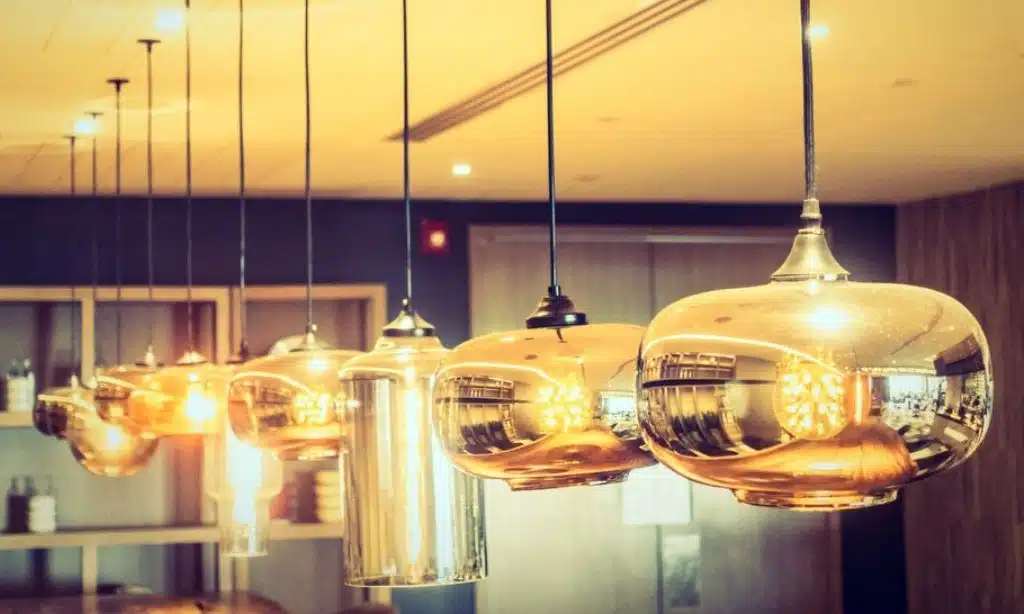
Upgrading to LED lighting is one of the easiest ways to improve energy efficiency and qualify for deductions. LED bulbs use up to 75% less energy than traditional incandescent bulbs, last significantly longer, and reduce maintenance costs.
Rental property owners can claim deductions for bulk LED purchases and installation costs. Utility companies often provide rebates for large-scale LED retrofitting projects, further reducing upfront costs.
LED Lighting Costs and Savings
| Upgrade | Cost (per bulb) | Energy Savings (per year) | Lifespan Savings (10 years) |
| LED Bulbs | $5–$10 | $15–$25 | $150–$250 |
| Full Property Retrofit | $500–$1,500 | $200–$500 | $2,000–$5,000 |
10. EV Charging Stations
Adding electric vehicle (EV) charging stations to your rental property attracts eco-conscious tenants while qualifying for tax incentives. The Alternative Fuel Vehicle Refueling Property Credit covers 30% of installation costs, up to $1,000 for residential properties.
Charging stations increase property value and cater to the growing demand for EV infrastructure, with EV ownership expected to triple by 2030.
Cost and Tax Savings for EV Charging Stations
| Installation Cost | Tax Credit | Added Property Value |
| $1,500–$5,000 | $450–$1,000 | $2,000–$10,000 |
11. Energy Audits and Certifications
Professional energy audits identify inefficiencies in a property’s energy usage and suggest actionable improvements. Certifications like LEED (Leadership in Energy and Environmental Design) or Energy Star further validate your property’s green credentials and qualify for tax deductions.
Energy audits typically cost between $300 and $800, but the long-term savings from implementing their recommendations far outweigh the initial expense. These certifications also boost tenant appeal and property value.
Energy Audit and Certification Costs
| Service | Cost | Tax Deduction | Long-Term Savings |
| Professional Energy Audit | $300–$800 | Full Deduction | $500–$1,500 annually |
| LEED Certification | $1,500–$5,000 | Varies by state | 5–10% property value increase |
12. Repairs Related to Green Upgrades
Repairs associated with green upgrades—such as fixing drywall after installing new insulation or repairing roof shingles during solar panel installation—are tax-deductible. These deductions apply to repairs directly tied to the eco-friendly investment.
Proper documentation, such as invoices and contractor receipts, is essential to claim these deductions.
Common Green Repairs and Costs
| Repair Type | Cost Range | Deductible Amount |
| Drywall Repair | $500–$1,000 | 100% |
| Roof Shingle Replacement | $1,000–$5,000 | 100% |
13. Home Office Space for Green Rental Management
If you manage your rental properties from a home office, you can deduct a portion of your rent, utilities, and internet expenses. This deduction applies to the percentage of your home used exclusively for property management tasks, such as bookkeeping or tenant communication.
Tax Tip
To maximize deductions, maintain detailed records of home office usage, including utility bills and square footage calculations.
Home Office Deduction Example
| Expense Type | Monthly Cost | Deductible Percentage | Annual Deduction |
| Rent/Mortgage | $2,000 | 10% | $2,400 |
| Utilities | $300 | 10% | $360 |
14. Mortgage Interest on Green Rental Properties
Mortgage interest is one of the largest tax deductions available for rental properties. If your mortgage includes financing for green upgrades, such as solar panels or energy-efficient windows, the interest on this portion is also deductible.
Example
A landlord with a $300,000 mortgage, including $50,000 for green upgrades, can deduct interest proportionally based on usage for eco-friendly improvements.
Table: Mortgage Interest Deduction Example
| Mortgage Amount | Green Upgrade Portion | Annual Interest Rate | Deductible Interest |
| $300,000 | $50,000 | 4% | $2,000 |
15. Property Depreciation with Green Upgrades
Depreciation allows property owners to recover the cost of green improvements over time. Energy-efficient upgrades, such as solar panels or geothermal systems, qualify for accelerated depreciation under the Modified Accelerated Cost Recovery System (MACRS).
Depreciation schedules typically span 5 to 7 years for green improvements, significantly reducing taxable income.
Table: Depreciation Schedule Example
| Upgrade | Depreciation Period | Annual Deduction |
| Solar Panels | 5 years | $4,000/year |
| Geothermal Systems | 7 years | $2,500/year |
Takeaway
Green rental properties offer financial benefits, tenant appeal, and environmental impact. By leveraging these tax deductions for green rental property owners, you can reduce upfront costs, attract eco-conscious tenants, and increase property value.
With proper planning and documentation, sustainable investments can become a cornerstone of your long-term rental strategy.
Call to Action: Consult a tax expert today to maximize these deductions and visit Editorialge for more insights on property management and sustainability.