


Raising children in Australia can be as challenging as it is rewarding. Between childcare costs, healthcare, and education expenses, many families face financial pressure.
Fortunately, the Australian government provides several tax breaks specifically designed to ease the burden on parents. These benefits help families manage their finances while ensuring children have access to essential services and opportunities.
In this comprehensive guide, we explore 8 essential tax breaks for parents in Australia. With detailed overviews, actionable tips, and practical examples, you’ll learn how to maximize your savings and secure financial stability for your family.
Understanding Tax Breaks for Parents in Australia
What Are Tax Breaks and Why Are They Important for Parents?
Tax breaks are financial incentives provided by the government to help reduce taxable income or offer direct payments to eligible families. For parents, these breaks are designed to address common challenges such as the rising costs of childcare, healthcare, and education.
They play a crucial role in alleviating financial stress, enabling parents to provide for their children’s needs without compromising their household budget.
In addition to financial relief, tax breaks also encourage workforce participation by making childcare more affordable and improving access to essential resources. By understanding these benefits, parents can take proactive steps to optimize their savings and better manage their family’s future.
8 Tax Breaks Every Parent Should Know
Let’s get into it.
1. Family Tax Benefit (FTB)
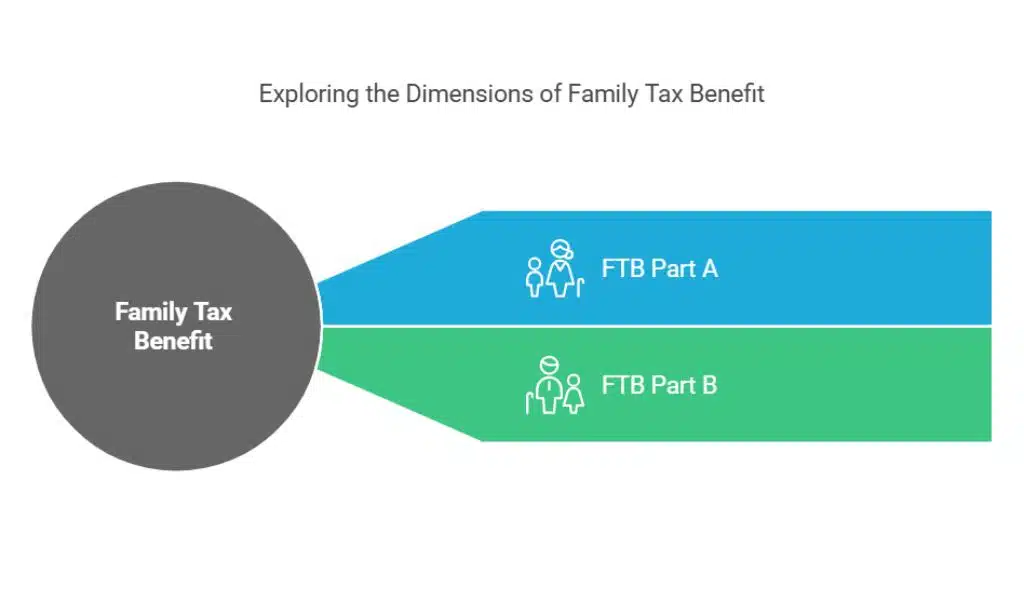
The Family Tax Benefit (FTB) is a cornerstone of government support for Australian families. It provides direct financial assistance to parents, helping them meet the daily costs of raising children. The benefit is split into two parts:
- FTB Part A, which is income-tested and available to families with dependent children under 16 (or under 20 if in full-time education).
- FTB Part B, which offers additional support to single-parent households or families with only one primary income earner.
This benefit is particularly valuable for low- to middle-income families, enabling them to cover essentials such as groceries, school supplies, and utility bills. Payments can be received fortnightly or as a lump sum after filing your tax return.
| FTB Part | Eligibility | Maximum Payment |
| Part A | Family income below $80,000/year | $190 per child/fortnight |
| Part B | Secondary income <$5,767/year | $3,255 annually for children under 5 |
2. Child Care Subsidy (CCS)
The Child Care Subsidy (CCS) is one of the most critical tax breaks for working parents in Australia. With childcare costs often exceeding $100 per day, the CCS significantly reduces out-of-pocket expenses, enabling parents to remain in the workforce or pursue education.
The subsidy percentage depends on household income, hours of activity (work, study, or volunteering), and the type of childcare service used.
In recent years, additional benefits have been introduced for families with multiple children in care, offering higher subsidies for younger siblings. This subsidy makes quality childcare accessible for families across Australia while supporting early childhood development.
| Family Income | Subsidy Percentage | Annual Cap per Child |
| $0–$70,015 | 85% | Unlimited |
| $70,016–$174,890 | Gradually decreases | $10,655 |
| Above $354,305 | 0% | Not applicable |
3. Parenting Payment
The Parenting Payment is a crucial safety net for parents who are unable to work full-time due to caregiving responsibilities. Available to single parents with children under 8 and partnered parents with children under 6, this income support payment helps families meet their essential living costs while they focus on raising their children.
Parenting Payments are income- and asset-tested, ensuring support reaches families who need it most.
In addition to providing financial stability, the payment can be combined with other benefits such as the Family Tax Benefit to maximize household income. Parents can apply through Centrelink, and payments are typically made fortnightly.
| Parenting Status | Eligibility | Maximum Payment |
| Single Parent | Income under $48,000/year | Up to $900/fortnight |
| Partnered Parent | Combined income <$90,000/year | Varies based on income |
4. Medicare Levy Exemptions and Reductions

The Medicare Levy is a mandatory contribution of 2% of taxable income, used to fund Australia’s universal healthcare system. However, families with lower incomes or specific circumstances can qualify for exemptions or reductions, significantly reducing their tax liability.
Eligibility for a full exemption typically requires family income to fall below $50,000 annually, though partial reductions are available for those earning slightly more. Families with dependents or those facing significant medical expenses may also qualify.
This exemption provides meaningful relief for families juggling healthcare costs alongside other financial obligations.
| Family Income | Reduction Amount | Medicare Levy Rate |
| <$50,000 | Full exemption | 0% |
| $50,001–$75,000 | Partial reduction | Sliding scale |
5. Paid Parental Leave Scheme
The Paid Parental Leave Scheme ensures that new parents have the financial support needed to bond with their newborn or adopted child without the stress of lost income.
Eligible parents can receive payments for up to 18 weeks, calculated at the national minimum wage (currently $882.80 per week).
This benefit is particularly valuable for working parents who meet the eligibility requirements, including working at least 10 of the 13 months before the child’s birth. Applications should be submitted through Centrelink at least three months before the expected due date to ensure timely approval.
| Eligibility Criteria | Payment Details |
| Worked 10 of 13 months before birth | $882.80/week for 18 weeks |
| Annual income <$156,647 | Full entitlement |
6. Schoolkids Bonus (Education Tax Refund)
Although the Schoolkids Bonus was discontinued in 2016, families can still claim deductions for eligible education expenses under the Education Tax Refund.
This benefit applies to essential costs like textbooks, school uniforms, and digital devices used for educational purposes.
Parents are encouraged to keep detailed receipts for all school-related purchases, as these can be claimed during annual tax returns. This refund helps offset the rising cost of education and ensures children have the tools they need to succeed academically.
7. Private Health Insurance Rebate
The Private Health Insurance Rebate helps families manage the cost of private health coverage by reducing premiums based on household income. Families earning less than $90,000 annually qualify for the highest rebate of 25.5%.
This rebate encourages families to maintain private coverage, easing pressure on the public healthcare system while providing better access to medical services. Rebates can be claimed as a premium reduction or through annual tax returns.
| Income Tier | Rebate Percentage |
| <$90,000 | 25.5% |
| $90,001–$105,000 | 17% |
8. Dependent Spouse Tax Offset
The Dependent Spouse Tax Offset is a tax benefit for families where one spouse earns little or no income. Designed to provide relief for single-income households, this offset can reduce taxable income by up to $2,000.
Eligibility depends on the secondary earner’s income, which must be below $10,000 annually. This tax break is particularly helpful for families where one parent stays home to care for children, ensuring they face less financial strain while managing household responsibilities.
| Spouse’s Income | Offset Amount |
| <$6,000 | Up to $2,000 |
| $6,001–$10,000 | Partial offset available |
Takeaways
By leveraging these tax breaks for parents in Australia, families can ease financial pressures and create a more stable future for their children. Understanding the eligibility criteria and claiming these benefits correctly can save thousands of dollars annually.
Whether you’re a new parent or raising a growing family, staying informed about your entitlements is key to maximizing your household savings.
























