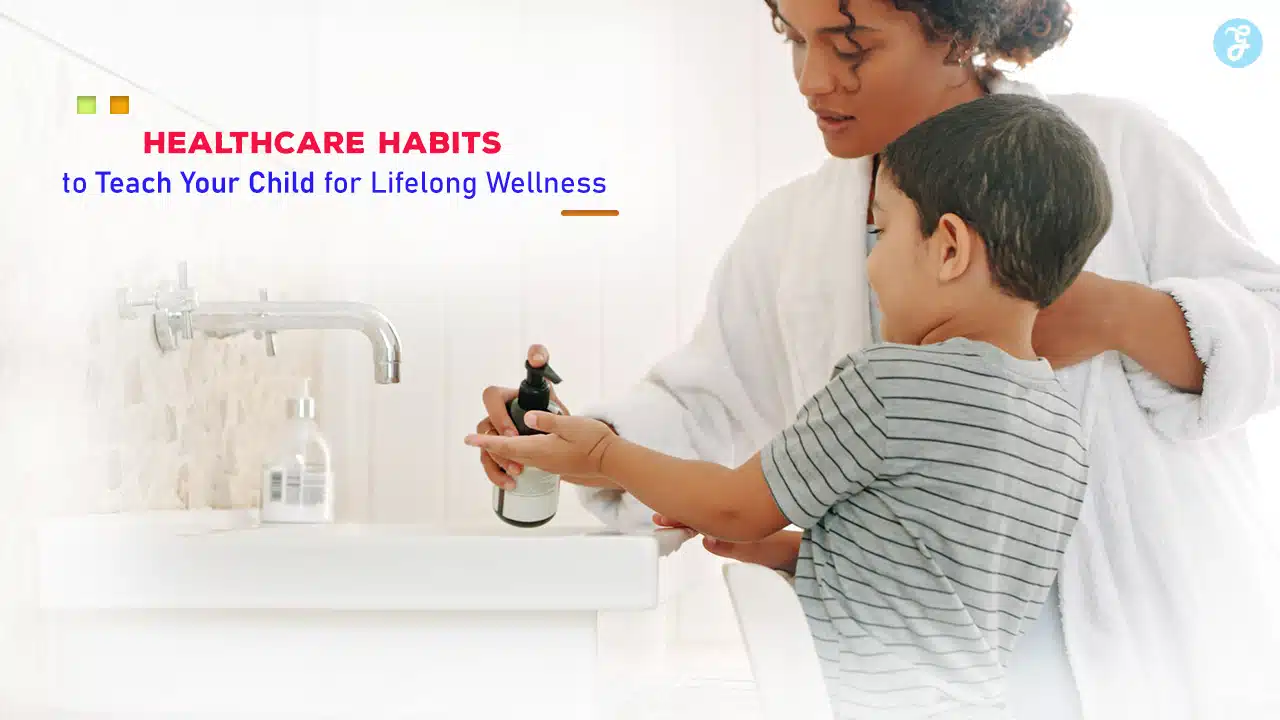
Developing good healthcare habits in children is one of the most powerful gifts we can offer, setting them up for a lifetime of wellness and resilience.
These habits—whether about physical health, mental well-being, or emotional balance—act as pillars that support children’s growth and success throughout their lives.
By teaching them the importance of self-care, healthy choices, and active living, we provide them with tools to face life’s challenges with strength, health, and confidence.
Here are 10 key healthcare habits to help foster a balanced, health-conscious lifestyle in your child.
1. Emphasize Balanced Nutrition
Nutrition is one of the most crucial elements of lifelong health.
Introducing children to balanced eating practices helps them understand the importance of good food for their bodies and minds.
Good nutrition is not only about physical growth but also supports mental alertness, mood stability, and immune function.
- Encourage Variety and Color: A “rainbow diet” featuring colorful fruits and vegetables introduces kids to a variety of nutrients. Each color represents unique health benefits, and explaining this makes eating colorful plates more exciting.
- Teach About Food Groups: Explain the importance of food groups like proteins, carbohydrates, fats, and vitamins. Let them know that each type of food has a special job—proteins help muscles grow, while vitamins keep the body functioning well.
- Balance Treats with Health: Help kids understand moderation by balancing occasional treats with healthy meals. Explain that treats are fine but shouldn’t be eaten all the time, as too much sugar or unhealthy fats can make them feel tired and sick.
Introducing balanced nutrition early fosters a healthy relationship with food, helping children to make positive choices that energize and nourish them for years to come.
2. Encourage Regular Physical Activity
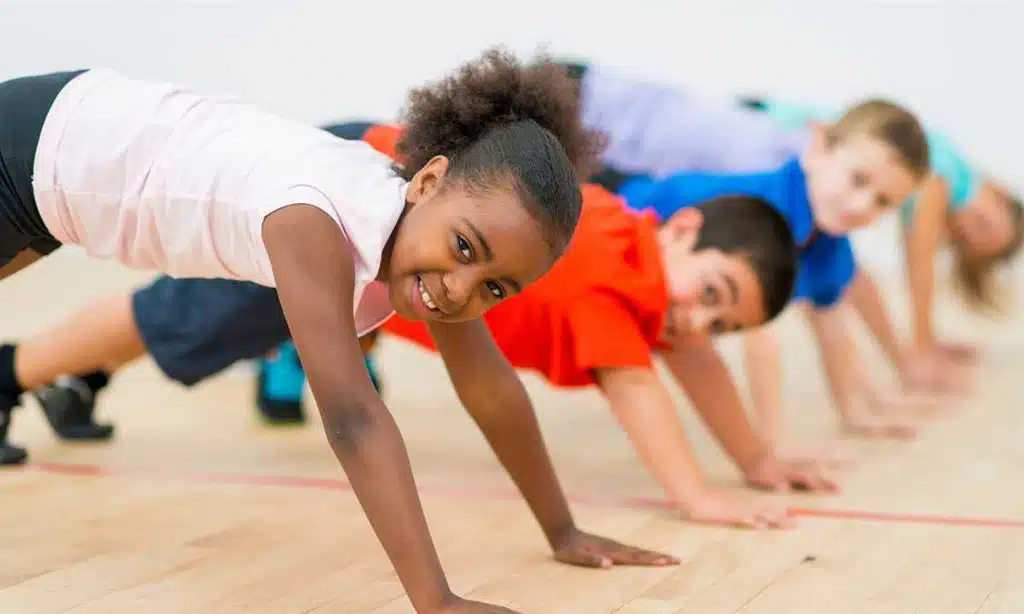
Physical activity plays an essential role in overall health, supporting muscle and bone strength, reducing anxiety, and boosting mood and energy.
Encouraging children to make movement a regular part of their day helps them feel strong, focused, and happy.
- Integrate Activity into Fun Play: Make exercise enjoyable by choosing activities they love, such as dancing, playing tag, riding bikes, or swimming. Fun activities reinforce the idea that exercise doesn’t have to be hard work—it can simply be enjoyable playtime.
- Set a Daily Goal: Encourage a daily movement goal, like 30 minutes of active play or exercise. Creating small, achievable goals makes regular activity a habit and builds their confidence.
- Be an Active Role Model: Kids imitate their parents’ habits, so stay active and involve them in your workouts. Family hikes, weekend sports, or after-dinner walks show them that being active is a natural part of life.
Regular physical activity not only supports physical development but also teaches children the joy of moving, a habit that contributes to lifelong fitness and energy.
3. Foster Good Hygiene Practices
Basic hygiene is a vital habit to cultivate early, as it helps children stay clean, prevents illness, and builds self-confidence.
When children understand the importance of hygiene, they become more independent in managing their self-care.
- Teach Effective Handwashing: Show children how to wash their hands thoroughly, covering all areas for at least 20 seconds. Make it a fun habit by singing a song or setting a timer to ensure they wash long enough.
- Create a Routine for Dental Care: Encourage twice-daily brushing and daily flossing as part of their morning and bedtime routines. Fun toothbrushes, toothpaste flavors, and even small rewards can make dental care enjoyable for kids.
- Practice Regular Bathing and Cleanliness: Instill the habit of bathing daily, wearing clean clothes, and keeping nails trimmed. Keeping themselves clean promotes a positive self-image and helps prevent the spread of germs.
Instilling good hygiene practices early teaches children to take pride in caring for their bodies, fostering health and confidence.
4. Teach the Importance of Staying Hydrated
Hydration is essential for maintaining energy, mental focus, and physical well-being.
When children understand the benefits of water, they’re more likely to reach for it rather than sugary drinks, creating a healthy habit for life.
- Explain Why Water Matters: Teach kids that water helps keep them alert, gives them energy, and supports every part of their body, including their skin and digestion. When they see water’s benefits, they’re more likely to reach for it naturally.
- Make Hydration Fun: Get a water bottle they love or challenge them to drink a certain amount each day. Colorful bottles, fun straws, and even fruit-infused water can make hydration more appealing.
- Show How to Recognize Thirst: Encourage them to notice signs of dehydration, like dry lips or feeling tired. Teaching kids to listen to their bodies helps them take responsibility for their hydration needs.
Building a habit of staying hydrated supports children’s physical and mental wellness, helping them feel and function at their best.
5. Establish a Consistent Sleep Routine
Sleep is essential for cognitive function, emotional stability, and physical growth.
A consistent sleep schedule is vital for young children, as they need uninterrupted rest to support their developing brains and bodies.
- Create a Soothing Bedtime Routine: Encourage quiet activities like reading, listening to soft music, or taking a warm bath before bed. A calm bedtime routine helps signal to their body that it’s time to wind down and promotes relaxation.
- Stick to a Regular Bedtime: A consistent bedtime and wake-up time help regulate their sleep-wake cycle, making it easier for them to fall asleep and wake up feeling rested.
- Limit Screens Before Bed: Avoid screen time at least an hour before bed, as blue light disrupts melatonin production, making it harder to fall asleep. Encourage activities like reading or drawing instead.
Prioritizing sleep helps children understand that rest is essential for health and happiness, making it easier for them to maintain good sleep habits as they grow.
6. Cultivate a Positive Body Image
Children’s self-esteem is often linked to how they perceive their bodies.
Helping them develop a positive body image instills confidence, supports mental wellness, and reduces the likelihood of self-esteem issues in the future.
- Highlight What Their Bodies Can Do: Focus on the abilities of their bodies rather than appearance. Celebrate achievements like running, dancing, or playing sports, emphasizing that their body is strong and capable.
- Use Positive Language Around Appearance: Avoid negative body talk, whether about them, yourself, or others. Show children that health and happiness are more important than looks, helping them focus on positive self-care.
- Encourage Self-Care as a Form of Respect: Show them that caring for themselves—through hygiene, exercise, and healthy eating—is a way to appreciate and respect their bodies.
Promoting a positive body image builds self-esteem and encourages children to treat their bodies with kindness and care.
7. Practice Sun Safety for Skin Health
Sun safety is vital for protecting children’s skin from sunburn, early aging, and long-term risks like skin cancer.
Teaching children to protect their skin when outdoors creates a habit that ensures they can enjoy time outside safely.
- Teach the Basics of Sunscreen: Show kids how to apply sunscreen and explain why it’s necessary. Sunscreen with SPF 30 or higher protects their skin from harmful UV rays, which helps prevent burns and skin damage.
- Encourage Hats and Sunglasses: Protective clothing, like wide-brimmed hats and sunglasses, adds an extra layer of protection. These items are especially helpful during peak sun hours when the rays are strongest.
- Seek Shade: Teach kids the value of shade, especially during midday hours. Sitting under a tree or bringing an umbrella can keep them cooler and safer while enjoying the outdoors.
Sun safety habits help children avoid sunburns and reduce their risk of skin damage, allowing them to enjoy the sun without compromising skin health.
8. Teach Healthy Ways to Manage Stress
Learning stress management is essential for emotional well-being, especially as children grow and face various challenges.
Teaching them simple strategies to handle stress provides them with tools they can rely on throughout their lives.
- Encourage Deep Breathing and Mindfulness: Simple exercises like taking deep breaths or practicing mindfulness can help them calm down when feeling anxious. These techniques are easy to use and effective for emotional regulation.
- Model Healthy Coping Mechanisms: Let them see how you manage stress, whether through talking, journaling, or exercising. Modeling these habits shows them that it’s okay to feel stress and that there are positive ways to cope.
- Promote Open Communication: Create an environment where they feel comfortable talking about their feelings. Knowing they can express themselves without judgment encourages them to share concerns before stress builds up.
Stress management skills build emotional resilience, equipping children with the strength and positivity they need to navigate life’s challenges.
9. Foster Social Connections and Communication Skills
Social interactions are essential for emotional health and development.
Teaching children to build friendships, communicate openly, and resolve conflicts respectfully helps them create meaningful connections and develop strong social skills.
- Encourage Empathy and Kindness: Teach kids to consider others’ feelings and treat people with respect. Practicing empathy builds trust and forms the foundation for healthy, supportive relationships.
- Promote Open Communication: Show them how to express their feelings and listen to others. Good communication skills help them connect with friends and family, making them feel more secure and supported.
- Support Positive Boundaries: Teach them that it’s okay to set boundaries and express discomfort if needed. Respecting others’ boundaries and honoring their own builds self-respect and fosters healthier friendships.
Building strong social skills fosters a sense of belonging, reduces stress, and supports emotional resilience and happiness.
10. Encourage Curiosity and a Love for Learning
Cultivating curiosity and a growth mindset supports mental wellness and creates a foundation for lifelong learning.
Encouraging children to explore, ask questions, and seek knowledge helps them view challenges as opportunities.
- Introduce New Experiences: Expose children to new books, hobbies, and activities that encourage curiosity. Diverse experiences stimulate their minds and build confidence in trying new things.
- Promote Problem-Solving Skills: Encourage them to solve small challenges independently. This builds resilience, critical thinking, and a sense of accomplishment.
- Celebrate Effort Over Results: Praise their effort rather than just the outcome, helping them learn that mistakes are opportunities to grow. A growth mindset makes them more adaptable, resilient, and open to learning.
Encouraging curiosity and learning instills confidence and joy in self-improvement, helping children develop a positive outlook and a hunger for knowledge.
Takeaway: Setting the Foundation for Lifelong Wellness
By teaching these 10 healthcare habits, you equip your child with tools for a balanced, health-conscious life.
Each habit, from physical activity to mental resilience, contributes to their well-being, shaping them into confident and capable individuals.
Fostering these habits not only improves their current health but also sets the stage for a lifetime of wellness, happiness, and personal growth.