Shopping secondhand offers an incredible opportunity to save money, score unique finds, and practice sustainability.
However, it requires a bit of strategy and knowledge to maximize the benefits. Whether you’re visiting thrift stores, consignment shops, or online platforms, mastering secondhand shopping can help you create a wardrobe, home, or collection filled with treasures.
Here’s a detailed guide on how to shop secondhand like a pro.
1. Know What You’re Looking For: Make a List
One of the biggest mistakes people make when shopping secondhand is walking into a store or browsing a site without any idea of what they need or want. With the sheer amount of items on offer, it’s easy to get overwhelmed and make impulse purchases.
Why It’s Important:
Secondhand stores typically offer a wide variety of goods, which can be both a blessing and a curse. Without a plan, you may end up buying things that don’t really fit your needs, style, or home, leading to clutter and buyer’s remorse.
How to Make Your List:
Start by assessing what you already have. If you’re looking to update your wardrobe, check your closet and note gaps like missing basics, worn-out pieces, or styles you’d like to experiment with. For home goods or furniture, think about specific spaces that need updating or items that could serve practical purposes.
- Wardrobe gaps: Are you missing a good pair of jeans? A sturdy winter coat? A pair of boots for the fall season?
- Home decor: Is your living room in need of a statement piece, or do you need organizational items like shelves or baskets?
- Set a budget: Since secondhand shopping can feel like a bargain, it’s easy to overspend. Create a budget to keep yourself in check.
Having a list helps you stay focused, saves time, and ensures you only bring home items that add value to your life.
2. Know the Best Times to Shop
Timing is everything when it comes to secondhand shopping. Knowing the best times to visit a store or browse online can make the difference between scoring amazing finds and walking away empty-handed.
Why Timing Matters:
Thrift stores and consignment shops restock inventory frequently, but not necessarily every day. Most stores receive donations or consignment deliveries at certain times of the week or after certain events, such as holidays or seasonal changes.
Tips for Finding the Best Times:
- Weekdays over weekends: Stores tend to be less crowded on weekdays, especially in the mornings. With fewer shoppers around, you can browse at a more relaxed pace.
- Restocking schedules: Many thrift stores restock early in the week after processing weekend donations. Ask the staff about their schedule to ensure you’re there when the best items hit the racks.
- Post-holiday shopping: After holidays like Christmas or New Year’s, many people donate unwanted gifts or clear out their homes, resulting in a surge of new inventory at thrift stores.
Pro tip: Visiting early in the day gives you first access to newly stocked items, meaning you’ll have better odds of finding high-quality goods.
3. Inspect Items Thoroughly
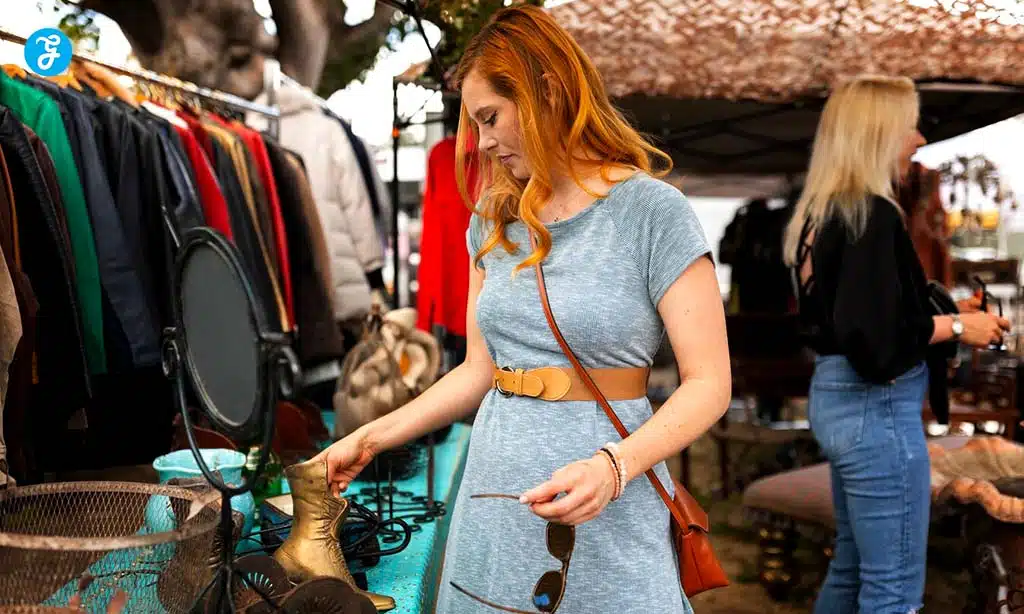
While secondhand shopping offers the chance to find incredible deals, it also means you need to be more vigilant about quality control. Unlike new items, secondhand goods have often been used, and wear and tear can vary greatly.
Why Inspection Is Essential:
Since these items are pre-owned, they could have hidden flaws like stains, tears, or malfunctions that are hard to spot at first glance. Taking the time to inspect items thoroughly can prevent disappointment later on.
How to Inspect Items:
- Clothing: Look closely at seams, hems, and the underarms of shirts for wear and tear. Check fabric quality for signs of pilling, fraying, or stretching, and ensure zippers work smoothly.
- Shoes: Check the soles and heels for uneven wear. Make sure the insides of shoes are clean and intact.
- Furniture: For furniture, inspect joints and screws, check for wood rot or water damage, and make sure drawers and doors open smoothly.
Remember: Some flaws can be easily repaired, such as a missing button or a loose hem, while others like extensive stains or broken zippers may not be worth the trouble or cost.
4. Understand Sizing Differences
If you’re shopping for clothes, sizing can be a significant challenge, especially when buying vintage or items from different brands. Unlike new clothes that follow modern sizing charts, secondhand clothing—particularly vintage—might run much smaller or larger than today’s sizes.
Why Sizing Can Be Tricky:
- Vintage sizes: Clothing from the 1960s, ’70s, or even ’80s often fits differently than today’s sizes, and what was once labeled a size 10 might now fit like a size 4.
- Brand variation: Modern brands also have discrepancies in their sizing charts, so it’s important to try things on or bring measurements when shopping secondhand.
How to Handle Sizing Issues:
- Always try things on: If the store has fitting rooms, use them! Don’t rely on the label alone to determine fit.
- Bring a tape measure: If you’re shopping at places where you can’t try items on, such as flea markets or online stores, having a tape measure and knowing your measurements can be a lifesaver.
- Prioritize adjustable pieces: Look for items with forgiving fits—dresses with belts, pants with elastic waists, or tops with looser cuts.
Pro tip: Get familiar with vintage sizing charts online, and keep a mental note of the common differences between today’s sizing and past decades.
5. DIY and Upcycling
Not every secondhand item you find will be in perfect condition. But that’s where a bit of creativity and a DIY attitude can turn ordinary finds into extraordinary treasures.
Why Upcycling Matters:
Secondhand shopping gives you access to unique, one-of-a-kind pieces that might just need a little TLC. Whether it’s a piece of clothing that’s slightly out of style or a piece of furniture with a few scratches, upcycling allows you to make it your own while saving money.
Upcycling Ideas:
- Clothing: Turn an outdated long dress into a trendy mini dress, or add your personal flair to a plain jacket with patches or embroidery.
- Furniture: Sand down and repaint a secondhand dresser to fit your home’s aesthetic. Or, swap out drawer handles for a quick update.
- Home decor: Find vintage frames to create a gallery wall or repurpose old suitcases into unique storage solutions.
Pro tip: Look at each item not only for what it is but also for what it could become with a little creativity.
6. Learn to Negotiate
When shopping secondhand, there’s often room for negotiation, especially if you’re at flea markets, yard sales, or certain consignment stores. Learning how to negotiate politely can help you score even better deals.
Why Negotiation Works:
In many secondhand shopping environments, prices are more flexible than they are at traditional retail stores. Sellers may be willing to lower the price, especially if an item has been on display for a while or has visible defects.
How to Negotiate Like a Pro:
- Be respectful and friendly: Approach negotiations with a positive attitude. Ask if the price is negotiable, rather than demanding a lower price outright.
- Point out flaws: If an item has small defects like a stain, missing button, or slight damage, use this as a polite reason to ask for a discount.
- Bundle items: If you’re buying multiple items, ask if the seller can offer a bulk discount.
Pro tip: Practice makes perfect! The more you negotiate, the more confident you’ll become in securing a better price.
7. Shop with Patience
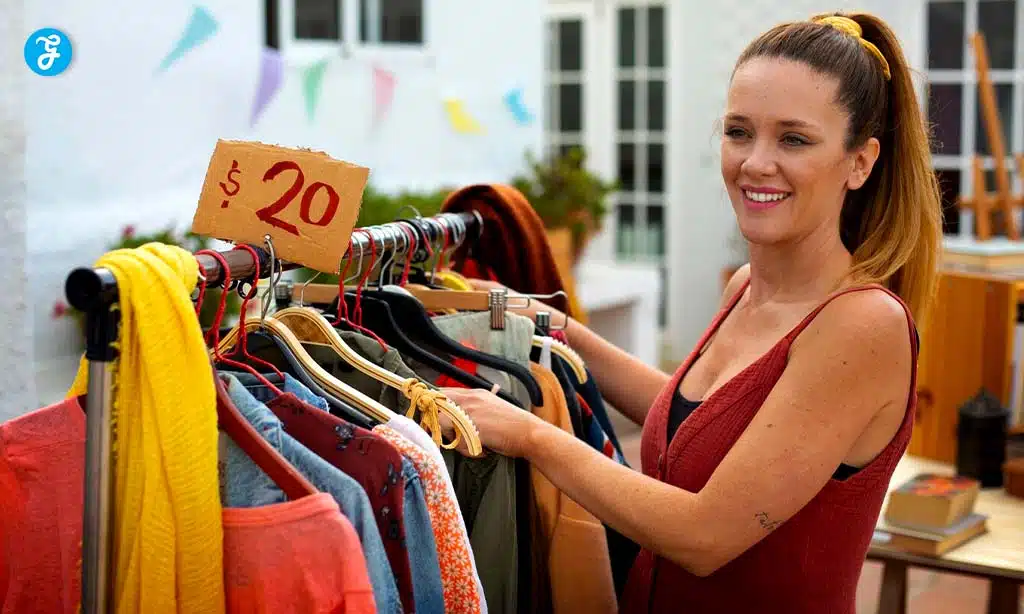
One of the biggest keys to success when shopping secondhand is patience. Unlike fast-fashion retailers, where you can walk in and quickly find exactly what you’re looking for, secondhand shopping is a treasure hunt that requires time and persistence.
Why Patience Pays Off:
Thrifting is unpredictable, and the inventory changes frequently. Some trips may result in finding exactly what you want, while other visits might come up empty-handed. The key is to keep coming back and enjoying the process.
How to Cultivate Patience:
- Take your time browsing: Don’t rush your thrift store visits. Take your time and carefully read through each section; those who are in a hurry frequently miss hidden gems.
- Keep checking back: Inventory changes quickly at thrift stores, so if you don’t find something today, try again in a week or two.
- Enjoy the thrill of the hunt: The more relaxed you are, the more likely you are to stumble upon great finds. Think of each trip as an adventure, rather than a chore.
Pro tip: The best secondhand shoppers see each trip as a treasure hunt. Enjoy the process!
8. Familiarize Yourself with Labels and Brands
If you want to find high-quality items or designer pieces for a fraction of the retail price, it helps to know what brands and labels to look out for. Some brands are known for their durability and timeless designs, making their secondhand items worth the investment.
Why Brand Knowledge is Helpful:
- Designer finds: Occasionally, you’ll stumble across high-end brands like Chanel, Burberry, or Gucci. Knowing their logos and labels helps you spot them quickly.
- Sustainable brands: If eco-conscious shopping is your goal, you may want to search for sustainable brands that use high-quality, ethical materials.
- Vintage gems: Vintage clothing brands from the ’50s, ’60s, or ’70s can be highly valuable. Familiarizing yourself with vintage labels will help you recognize valuable items.
Pro tip: Keep a list of high-quality or designer brands on your phone for easy reference when thrifting.
9. Utilize Online Platforms
In addition to physical thrift and consignment stores, there are numerous online platforms where you can shop secondhand. Sites like eBay, Poshmark, and Depop provide access to a vast selection of items from all over the world.
Why Online Shopping is a Game-Changer:
The internet expands your secondhand shopping options dramatically. If you’re searching for something specific that you can’t find locally, chances are it’s available online. Plus, many online platforms allow you to filter results based on your preferences.
How to Shop Smart Online:
- Use filters: Narrow down your search by size, brand, price range, and condition to save time and energy.
- Read reviews and seller ratings: To avoid disappointment, always check the seller’s reviews and feedback before making a purchase.
- Understand return policies: Be sure to read the fine print about returns or exchanges. Some secondhand platforms don’t allow returns, so be sure you’re confident in your purchase.
Pro tip: Set up alerts for specific items or brands you’re hunting for. Many platforms allow you to get notifications when new listings match your criteria.
10. Think Long-Term: Quality Over Quantity
One of the best strategies for shopping secondhand is to prioritize quality over quantity. While it’s tempting to load up on affordable items, focusing on well-made, durable pieces will serve you better in the long run.
Why Quality Matters:
Investing in high-quality secondhand items ensures that your purchase will last for years to come. Fast-fashion items, even when secondhand, tend to wear out quickly and may not provide the same value. Opt for classic, timeless pieces that can become staples in your wardrobe or home.
How to Spot Quality:
- Check materials: Natural fabrics like wool, leather, cotton, and linen often stand the test of time better than synthetic materials like polyester.
- Inspect stitching and construction: Well-made garments have tight, even stitching and reinforced seams. Similarly, well-crafted furniture will feel solid and sturdy.
- Avoid trends: Trendy items may seem exciting at first, but classic styles and neutral colors are often more versatile and longer-lasting.
Pro tip: Aim to build a curated collection of secondhand items that reflect your personal style, rather than chasing trends.
Conclusion: Thrifting Like a Pro
Shopping secondhand is an art that requires patience, skill, and a bit of creativity. With these 10 tips, you’ll be well on your way to mastering the world of secondhand shopping.
Not only will you save money, but you’ll also find unique treasures that bring personality and quality into your life. Happy thrifting!