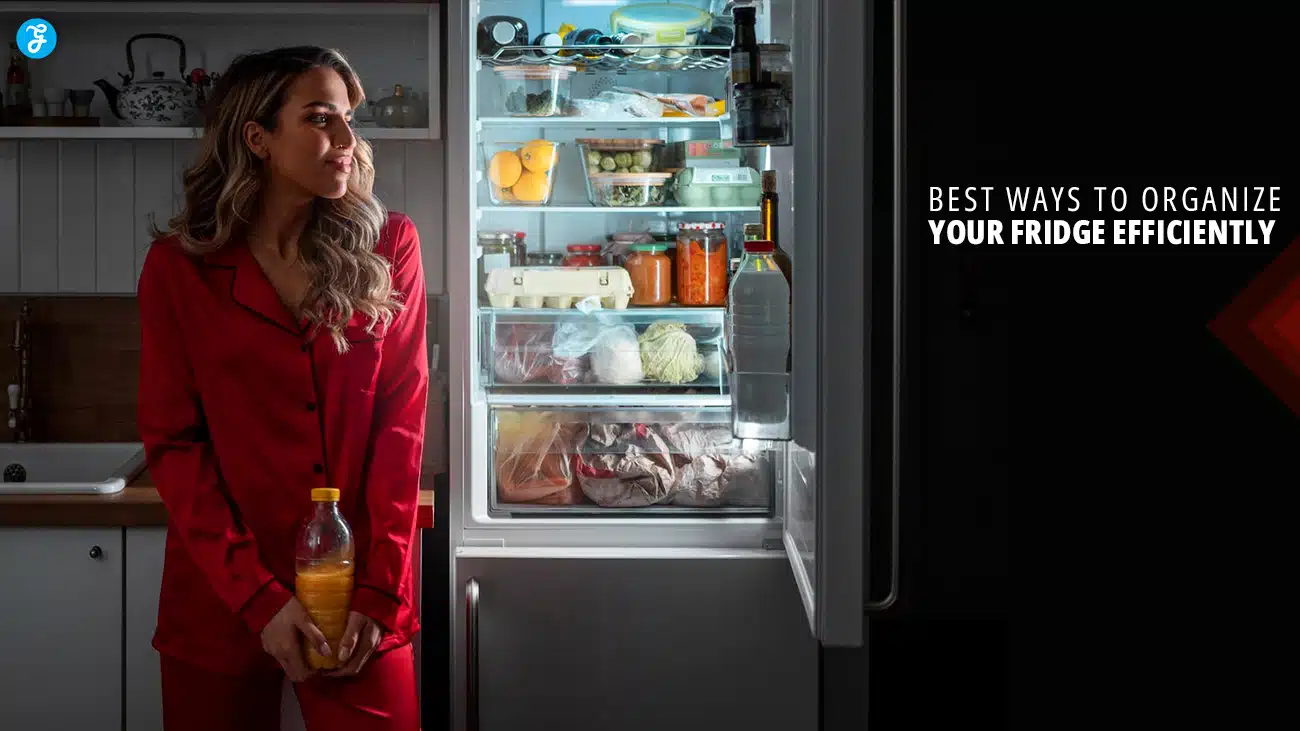
Keeping your fridge well-organized is crucial for maintaining food freshness, reducing waste, and making meal preparation more efficient.
An organized fridge not only saves you time but also helps prevent food spoilage and makes it easier to find what you need.
By following these 15 best practices for organizing your fridge, you can ensure that your food storage is both functional and efficient.
1. Start with a Clean Slate
The first step in organizing your fridge is to start with a clean slate.
-
Empty the Fridge
Remove all items from the fridge to begin with a completely empty space. This allows you to see exactly what you have and makes it easier to clean.
-
Clean and Disinfect
Once the fridge is empty, thoroughly clean and disinfect all surfaces. Use a mixture of warm water and mild detergent, and don’t forget to clean the shelves and drawers.
-
Check Expiry Dates
As you clean, check the expiry dates on all items. Discard any expired or spoiled food to ensure that you’re only putting fresh items back into the fridge.
2. Categorize Your Items
Grouping similar items together can greatly enhance your fridge’s organization.
-
Group Similar Foods Together
Organize food items by category, such as dairy, meats, vegetables, and condiments. This makes it easier to locate items and prevents clutter.
-
Use Clear Storage Bins
Invest in clear storage bins to categorize items within the fridge. Clear bins allow you to see the contents easily and maintain a clean and organized appearance.
3. Optimize Shelf Space
Maximizing shelf space can help you make the most of the available room.
-
Use Adjustable Shelving
Adjustable shelving allows you to customize the height between shelves based on your needs. This flexibility helps accommodate different types of food items.
4. Place Items Based on Frequency of Use
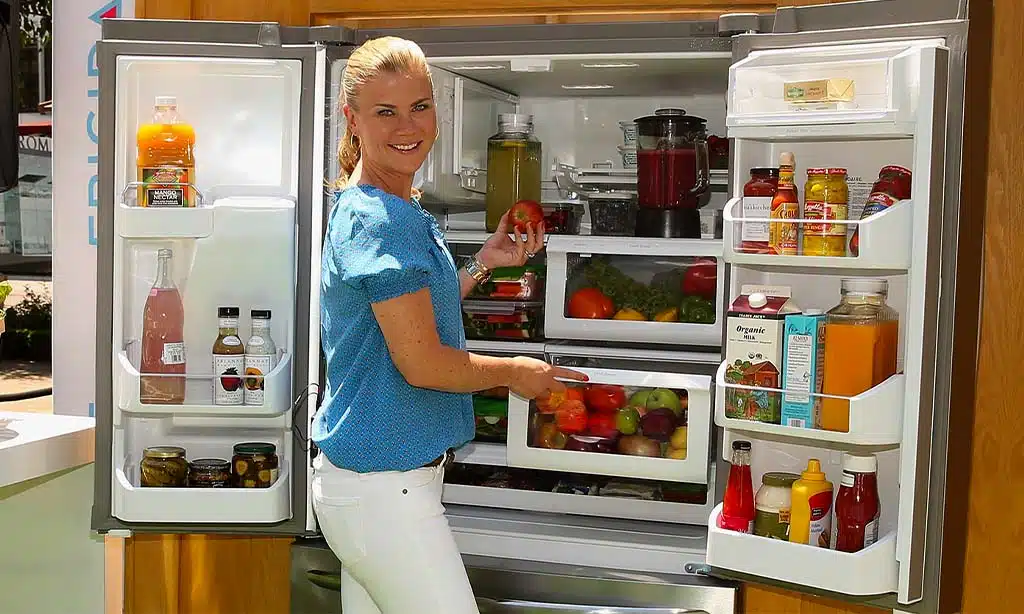
Store frequently used items at eye level or within easy reach. Less frequently used items can be placed on higher or lower shelves.
The First In, First Out (FIFO) system helps in managing food rotation.
-
First In, First Out Concept
Ensure that older items are used before newer ones. This practice helps in reducing food waste and ensures that nothing goes to waste.
-
How to Rotate Items Effectively
When adding new items, place them behind the older items. This simple rotation method helps in using up older products first.
5. Utilize Door Storage Wisely
Door compartments are often the least cold part of the fridge, so use them wisely.
-
Best Items for the Door Compartments
Store condiments, sauces, and beverages in the door compartments. These items are less affected by temperature changes and are suitable for this area.
-
Avoid Overloading
Avoid overloading door compartments to ensure proper door closure and effective cooling of other items.
6. Invest in Fridge Organizers
Fridge organizers can make a significant difference in maintaining order.
-
Types of Organizers (e.g., drawer dividers, stackable bins)
Consider using drawer dividers, stackable bins, and other organizers to keep items sorted. Organizers help maximize space and maintain a tidy appearance.
-
Benefits of Using Organizers
Using organizers not only helps in keeping your fridge neat but also makes it easier to locate items and maintain cleanliness.
7. Label Everything
Labeling items can save time and prevent confusion.
-
Types of Labels (e.g., reusable, adhesive)
Choose from reusable or adhesive labels to mark food items. Labels can help in identifying items and tracking their freshness.
-
Importance of Clear Labeling
Clear labeling reduces the chance of forgetting what’s inside containers and helps in maintaining an organized fridge.
8. Store Produce Properly
Proper storage of produce is crucial for freshness.
-
Vegetables vs. Fruits Storage
Store vegetables in the designated crisper drawers and fruits in the upper shelves or separate bins. This segregation helps in maintaining the right humidity levels for each type of produce.
-
Use Produce Drawers Effectively
Utilize the designated produce drawers for their intended purpose. This helps in keeping your produce fresh and readily accessible.
9. Keep Raw Meat Separate
Separating raw meat is essential for food safety.
-
Designate a Separate Area
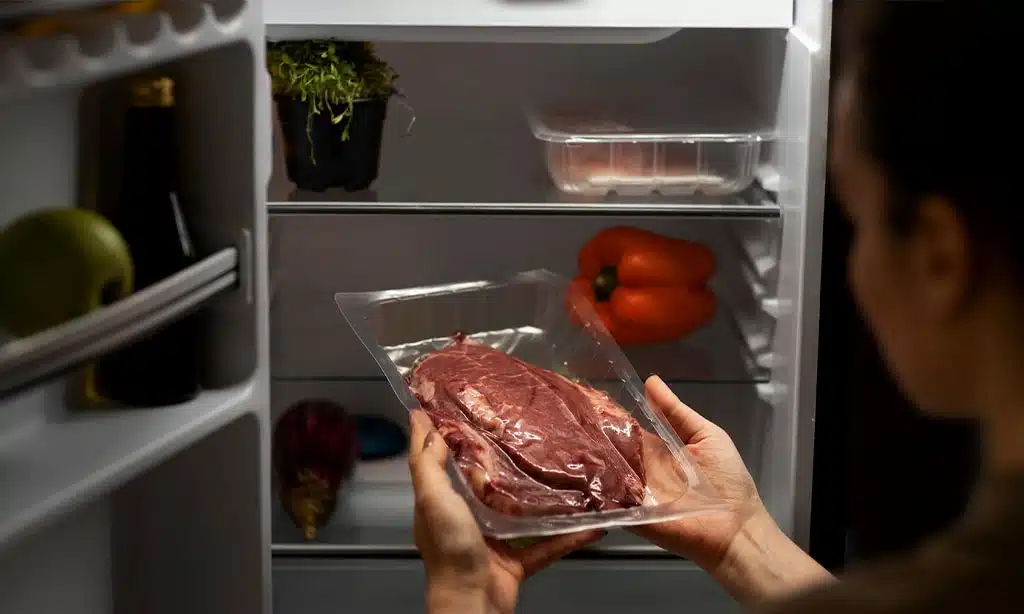
Store raw meat on the bottom shelf to avoid cross-contamination with other foods. Using a separate area helps in maintaining hygiene.
-
Use Leak-Proof Containers
Place raw meat in leak-proof containers to prevent any drips or spills that could contaminate other items in the fridge.
10. Maintain Proper Temperature
Proper temperature settings are crucial for food preservation.
-
Ideal Temperature Settings
Keep your fridge temperature at or below 40°F (4°C) to ensure that food remains fresh. Regularly monitor and adjust settings as needed.
-
Regularly Check Temperature
Use a fridge thermometer to regularly check the temperature. This ensures that your fridge is operating at the optimal temperature for food safety.
11. Maximize Freezer Space
Efficient use of freezer space helps in organizing frozen foods.
-
Use Freezer Bins
Utilize bins and baskets in the freezer to group items by type. This prevents items from becoming disorganized and makes it easier to find what you need.
-
Organize by Categories (e.g., meats, frozen veggies)
Organize frozen items by categories, such as meats, vegetables, and prepared meals. This helps maintain order and access items quickly.
12. Avoid Overcrowding
Overcrowding can impact the efficiency of your fridge’s cooling system.
-
Importance of Air Circulation
Ensure there is enough space for air to circulate around items. Overcrowding can obstruct airflow and affect the fridge’s performance.
-
How to Avoid Overloading
Only store items that fit comfortably within the fridge. Avoid cramming items together to maintain proper cooling and avoid spoiling.
13. Use the Top and Bottom Shelves Wisely
Strategically using top and bottom shelves can enhance organization.
-
What to Store on the Top Shelf
Store items that don’t require a lot of cooling on the top shelf, such as condiments or beverages. This area is generally warmer and less ideal for perishables.
-
Best Practices for the Bottom Shelf
The bottom shelf is the coldest part of the fridge. Use it for storing raw meat and other items that need to be kept at a lower temperature.
14. Regularly Clean and Reorganize
Maintaining organization requires regular upkeep.
-
Schedule Regular Cleanings
Set a schedule for regular cleanings to keep your fridge in order. Monthly or quarterly cleanings help in preventing buildup and maintaining a tidy space.
-
Adjust Organization as Needed
Be flexible with your organization system and adjust it based on your needs and any changes in your food storage habits.
15. Educate Your Household
Ensuring everyone in the household follows organization practices can make a big difference.
-
Communicate Guidelines
Inform everyone about the organization system and guidelines for storing items. Clear communication helps maintain order and avoid clutter.
-
Encourage Participation
Encourage family members to follow the organization system and to help with keeping the fridge tidy. This collective effort ensures that the system remains effective.
Conclusion
An efficiently organized fridge is key to maintaining food freshness, reducing waste, and simplifying meal preparation.
By implementing these 15 best practices, you can create a functional and orderly fridge that meets your needs. From cleaning and categorizing to using smart technology, these strategies will help you make the most of your fridge space and enhance your kitchen experience.
Regular maintenance and thoughtful organization can lead to a more efficient, hassle-free, and enjoyable cooking environment.