

Being in touch with your mind is as significant as one’s body. The mind takes more pressure than any other part of the body throughout the day, it misses the connection with ourselves during the process, thus the distance between us and the mind.
And to cure that, 5-minute mindfulness exercises make you keep in contact, be present at the moment and create awareness of what you are thriving on.
Promoting mindfulness through exercise offers a great deal of benefits. To begin with, it releases stress that may have impacted you without you even realizing it.
At the same time, it decreases your anxiety that constantly bugs you at minor inconveniences, helps you sleep better, exemplifies cognitive flexibility, and, not to mention, helps you battle depression.
The Principles of Mindfulness
Practicing mindfulness is not just a couple of exercises that you do in the moment and get done with; rather, it’s a range of mindset, basically an attitude that keeps you mindful and conscious of your activities and choices.
According to the master of mindfulness, Kabat-Zinn, there are 7 principles for mindful living: the beginner’s mind, Patience, Trust, Non-striving, Non-judging, Acceptance, and Letting go.
Mindfulness stands on these fundamentals, in order to check in on your mind, these should be the core attitudes to kick off the process. Mindfulness is like training a muscle. When you consistently focus your mind in a specific way, it’s similar to exercising a brain muscle.
Over time, this practice can strengthen and reshape your brain, leading to long-term benefits like improved focus, reduced stress, and increased emotional regulation.
5-Minute Mindfulness Exercises
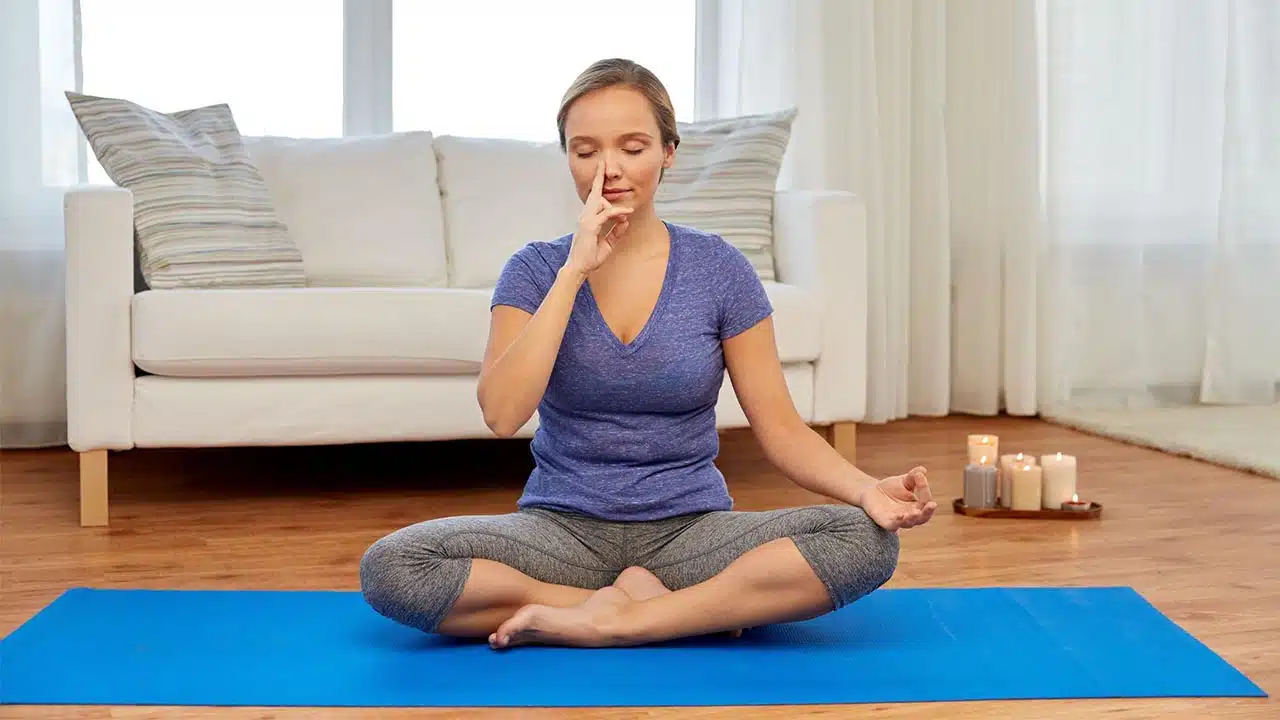
Below, we are going to mention 20 incredible exercises for busy people to soothe their minds. Whether you are in the office or busy in your home, you can practice these 5-minute mindfulness exercises in no time.
Exercise 1: Check In With Yourself
Keeping in touch with oneself is the biggest step to finding sanity and peace. Leave a moment to reflect on your personal well being, but how?
Want to know how you’re feeling and what you need? This quick exercise is for you.
Find a quiet spot, close your eyes, and focus on your breath. Don’t worry about changing it, just notice it. Now, clear your thoughts, check in with yourself. What are you feeling? Thinking? Don’t judge it; just observe.
Ask yourself questions like, What do I need right now? How am I doing these days? What can I do for myself? Talk to yourself like you would check in on someone else. It’s okay if nothing comes up. Take three deep breaths, open your eyes, and gently come back to your surroundings.
Exercise 2: Breathe Your Way to Calm
Feeling stressed or overwhelmed? In the middle of a hustling, anxious life, we often forget to take a moment to ourselves and take a deep breath. This simple exercise can work wonders. Find a comfy spot, close your eyes, and focus on your breath. Inhale slowly through your nose, and exhale slowly through your mouth.
Imagine blowing out a candle. Do this five to ten times. That’s it! You’ll feel calmer in no time.
Exercise 3: Ground Yourself with Your Body
Need to connect with your body and feel more present? This exercise is perfect. Stand tall, feel your feet on the ground, and focus on your breath. Gently shift your weight from side to side, front to back. Notice how it feels. This helps you stay grounded and focused.
Exercise 4: Mindful Moments Throughout the Day
Don’t get lost in your thoughts so easily. This exercise can help bring you back to the present. Look around you and name five things you see, four things you feel, three things you hear, two things you smell, and one thing you taste. This helps you appreciate the world around you. You can also try focusing on colors.
Exercise 5: Anchor Your Mindfulness
Struggling to find time for meditation? Try this! Pick a daily routine, like brushing your teeth or making coffee. When you do it, pause, take three deep breaths, and focus on the task. This helps you practice mindfulness without setting aside extra time.
Exercise 6: The Body Scan
Want to connect deeply with your body? Try a body scan. It’s simple and accessible for beginners. Find a comfy spot, close your eyes, and start to notice your body.
Pay attention to each part, from your head to your toes. Feel the sensations without judgment. This exercise helps you anchor in the present moment and release tension.
Exercise 7: The Raisin Mindfulness
This exercise invites you to just look at the raisins. Pretend you’ve never seen one before. Examine its appearance, texture, smell, and taste. Focus on the raisin and nothing else.
It’s a great way to train your mind to stay in the present moment. Remember, it’s normal for your mind to wander. Gently bring it back to the raisin.
Exercise 8: Mindful Listening
Improve your communication skills and connect deeper with others. Try mindful listening. Share something that’s stressing you and something you’re looking forward to. As you listen to others, notice your thoughts, feelings, and body sensations.
After sharing, reflect on how it felt to speak and listen. This exercise helps you practice being fully present and understanding others.
Exercise 9: Mindful Seeing
Get a break from your busy schedule. Try mindfulness. Find a window and simply observe the world outside. Focus on colors, shapes, and movement without labeling things. Let go of judgment and curiosity. This exercise helps you appreciate the present moment and engage your senses.
Exercise 10: Become the Observer
Understand yourself better. Sit comfortably and focus on your body and surroundings. Imagine yourself from an outsider’s perspective. Notice your thoughts and feelings without judgment. This exercise helps you create distance between yourself and your experiences.
Exercise 12: The 4-7-8 breathing
The 4-7-8 breathing technique is a simple yet effective mindfulness exercise. By inhaling for four counts, holding for seven, and exhaling for eight, individuals can calm anxiety and improve sleep.
This deep breathing method helps regulate breathing patterns disrupted by stress, promote mindful pause and bring attention back.
Exercise 13: Three-Step Mindfulness
This three-step exercise is perfect. Pause and notice what you’re doing, thinking, and feeling. Focus on your breath for a few moments. Then expand your awareness to your body and surroundings. This helps you anchor in the present moment.
Exercise 14: Mindful Encounter
Imagine a social situation where things don’t go as planned. Notice your thoughts and feelings without judgment. Reflect on how this impacts your behavior. This exercise helps you develop coping skills and emotional resilience.
Exercise 15: The 3-Minute Breathing Space
Try the 3-Minute Breathing Space. Spend the first minute checking in with yourself: notice your thoughts, feelings, and body sensations without judgment.
For the next minute, focus on your breath, observing its rise and fall. Finally, expand your awareness to your entire body and surroundings. This exercise helps you ground yourself and return to the present moment.
Exercise 16: Mindful Eating
Pick a small piece of food and examine its appearance, texture, and smell, Savor your food and connect with your senses. Slowly take a bite and notice the taste and texture. This exercise helps you appreciate your food and enjoy moments of gratitude.
Exercise 17: Focus on the Center
Immerse yourself in a world of color and stillness. This exercise guides your attention to the heart of a shifting pattern. As the colors dance and change, allow your thoughts to wander freely.
Observe them without judgment, returning your focus to the central point when you notice your mind drifting. Similar to the meditative practice of staring at a candle flame, this exercise cultivates deep concentration and present-moment awareness.
Exercise 18: The Mindfulness Bell
Close your eyes and listen intently, Immerse yourself in the present moment with the gentle guidance of a bell. When the sound resonates, focus your entire attention on it. Follow its journey from loud to soft, from clear to distant.
Let the sound be your anchor, tethering you to the present moment. As it fades, continue to listen, feeling the lingering vibrations within you.
Exercise 19: People-watching
Try paying attention to the people around you. It’s like a quick mental break. Instead of thinking about your own stuff, focus on what others are doing. Just watch them without judging them or making up stories about them.
If your mind wanders, gently bring it back to the people around you. You don’t have to talk to anyone. Just observe. It’s a simple way to calm down and be more present.
Exercise 20: Draw or Paint in a group
Mindful exercises can be a group activity as well. With family or friends, group drawing is a fun activity that involves passing a piece of paper around in one-minute intervals, with each person adding to the drawing.
As you participate, focus on the present moment and the act of drawing, acknowledge the current task in front of you, notice the judgments you are having, what are you drawing, and how will it turn out?
Ask these questions, then let the thoughts go; just focus on what needs to be done. This collaborative exercise promotes creativity, connection, and mindfulness, offering a playful way to reduce stress and increase awareness.
Takeaways
Incorporating mindfulness into your daily life doesn’t require hours of meditation or a secluded retreat. As you’ve discovered, even brief moments can be transformed into opportunities for calm and focus.
These 5-minute mindfulness exercises offer a practical toolkit to help you cultivate mindfulness in the midst of your busy day. Remember, consistency is key. By dedicating just a few minutes each day to these exercises, you can significantly enhance your overall well-being and, of course, be mindful of your actions.






















