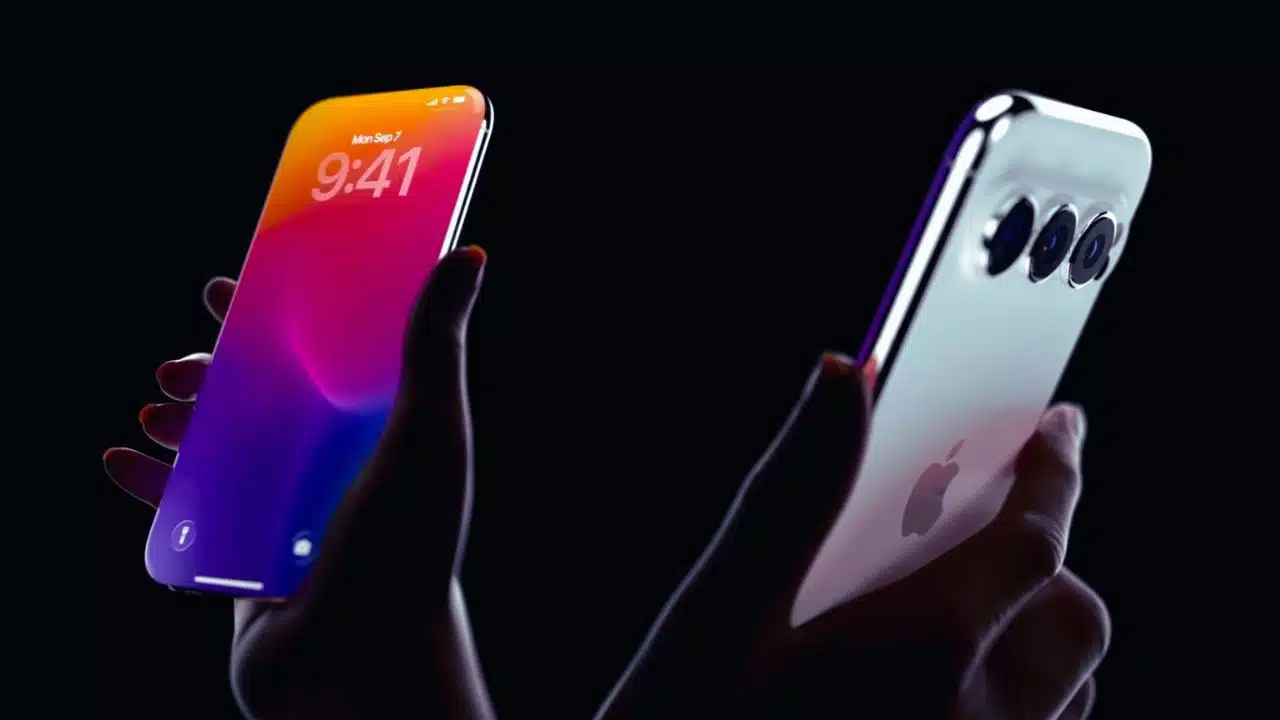
Apple is reportedly gearing up for a groundbreaking shift in iPhone design, with plans to conceal the front-facing camera beneath the display in its 2027 model, potentially ushering in an era of seamless, all-screen smartphones.
This move aligns with the device’s 20th anniversary milestone and builds on years of innovation to eliminate visible cutouts like the Dynamic Island. Leaks from credible sources suggest this could mark Apple’s most ambitious hardware overhaul yet, prioritizing aesthetics without compromising functionality.
A Vision of Seamless Glass
The concept of a “single slab of glass” has long been a design aspiration at Apple, dating back to former chief designer Jony Ive’s era, where the goal was a bezel-free display uninterrupted by notches or holes. For the 2027 iPhone, this vision could become reality, with both the front-facing camera and Face ID sensors embedded under the screen, creating a truly edge-to-edge viewing experience. Reports indicate the device might feature a display that curves around all four edges, ditching traditional bezels entirely and potentially skipping the “iPhone 19” branding in favor of a special anniversary edition, much like the iPhone X in 2017.
This redesign isn’t just cosmetic; it promises to enhance immersion for users, whether streaming videos, gaming, or navigating apps, by maximizing screen real estate. Industry watchers note that Apple’s timeline—following in-display Face ID in the 2026 iPhone 18 Pro—shows a deliberate progression toward this all-screen future.
Overcoming Technical Hurdles
Hiding components under the display has been a challenge, particularly for the front-facing camera, where light must pass through multiple layers of pixels, often resulting in blurry or low-contrast selfies. Android devices have experimented with under-display cameras since 2019, but quality issues have kept them niche, with resolutions typically limited to 4-8 megapixels and noticeable degradation in detail. Apple, known for its stringent standards, has reportedly waited until it could solve these problems, investing in advanced optics to maintain the sharp, vibrant imagery iPhone users expect.
Key to this breakthrough is work from supplier LG Innotek, which has developed a “freeform optic” multi-lens array that minimizes distortion and boosts light transmittance. This system keeps the camera invisible when not in use, activating seamlessly for calls or photos without compromising brightness or clarity. Leaks hint at a potential 24-megapixel sensor for Apple’s foldable iPhone variant, far surpassing current under-display norms and signaling a major leap in performance.
Leaks and Credibility
The buzz stems from Digital Chat Station, a Weibo-based leaker with a strong track record on Apple hardware, who confirmed the 2027 timeline for under-screen cameras alongside Face ID integration. This aligns with earlier reports from JP Morgan and analyst Ming-Chi Kuo, who have outlined Apple’s phased approach: first, in-display Face ID to replace the Dynamic Island with a punch-hole camera in 2026, then full concealment by 2027. Patents filed by Apple over the years further support this, detailing methods to embed dot projectors and infrared sensors without cutouts.
While exciting, these details remain unconfirmed by Apple, which typically stays silent on rumors until launch events. Past predictions, like the iPhone X’s notch, have proven accurate, lending weight to the speculation, though timelines can shift based on manufacturing readiness.
Implications for Users and the Market
For consumers, this could mean a more premium, futuristic iPhone that blends form and function, appealing to those frustrated by current cutouts during media consumption. Selfie enthusiasts might benefit from Apple’s quality focus, potentially seeing improvements in low-light performance and video calls via refined sensor tech. On the market side, a bezel-less design could boost sales, especially if tied to anniversary hype, positioning the iPhone as a leader over Android rivals still grappling with similar tech.
Broader ripple effects include advancements in foldable iPhones, where under-display cameras could enhance the inner screen’s utility without visible intrusions. As Apple pushes boundaries, expect competitors to accelerate their own innovations, intensifying the smartphone arms race.