


Have you ever felt like managing your health condition at work is a bit like juggling with one hand tied behind your back?
You’re not the only one.
According to the IDF Diabetes Atlas 2024, an estimated 589 million adults worldwide are now living with diabetes. That’s roughly one in nine adults. And here’s what really caught my attention: 430 million of those people are of working age.
This year, World Diabetes Day 2025 is shining a spotlight on something vital: “Diabetes and Well-Being” at work. The campaign is calling on all of us to “know more and do more for diabetes at work.”
I’m going to walk you through simple, practical ways you can get involved in this global awareness campaign. Whether you want to join an event, share your story, or help create a healthier workplace, there’s a spot for you in this movement.
Let’s explore how you can make a real difference.
Key Takeaways
- About 430 million people with diabetes are of working age, which is 7 in 10 of all people living with the condition globally.
- A 2025 global survey by the International Diabetes Federation found that 40% of employees with diabetes experience negative treatment at work, and 32% have considered leaving their job because of it.
- You can join the free IDF online webinar on November 12, 2025, or participate in local screenings and the Global Diabetes Walk in November.
- The official World Diabetes Day website offers toolkits, campaign materials, social media graphics, and PAHO self-care guides you can download and use right away.
- Advocating for workplace policies can create real change. Past campaigns led to over 1,000 letters sent to policymakers calling for action on WHO diabetes coverage targets by 2030.
Theme and Focus of World Diabetes Day 2025
This year’s campaign puts a spotlight on something most of us can relate to: how work affects our health and well-being. If you manage your diabetes while maintaining a job, you are already familiar with the daily challenges you face.
What is the theme “Diabetes and the Workplace”?
The 2025 theme, “Diabetes and the Workplace,” tackles the real challenges people face every single workday. It exposes stigma, discrimination, exclusion, and the struggle to access proper care while on the job.
The numbers tell a sobering story. According to a November 2025 survey by the International Diabetes Federation across five continents, about 40% of employees with diabetes reported experiencing negative treatment at work. That’s not just uncomfortable—it’s affecting careers and lives.
Even more concerning: 32% of those surveyed said they’ve seriously considered leaving their job because of how they’re treated.
The campaign pushes employers to step up. It calls for real workplace wellness policies that actually support employees. This means more than just lip service—we’re talking about accessible health screenings, flexible time for medical care, and creating a culture where healthy lifestyle choices are encouraged, not penalized.
How does diabetes affect mental health and work life?
Managing diabetes can feel like carrying an invisible weight that never lets up.
Blood sugar swings create constant stress. Gisela Ayala from Mexico shares that the worry about health complications never really fades—it’s always there in the background.
Your heart might pound before a big meeting if your blood sugar drops low or spikes high. Every test, every injection, and every meal become calculations.
Dr. Douglas Villarroel points out that mental health is absolutely vital for strong diabetes management. However, it’s important to note that stress and anxiety can often manifest subtly, thereby complicating blood sugar control.
Workplace challenges can have a profound impact. Heather, who has type 2 diabetes, faced unfair treatment at work due to wrong assumptions about her abilities. Anita, living with type 1 diabetes, felt awkward doing insulin injections on the job while constantly feeling pressure to prove she could keep up with everyone else.
Annjulie Sungkur in Switzerland talks openly about feeling alone during blood sugar highs and lows. While support systems at work significantly contribute to emotional well-being, they may not always be available when needed.
Heather Koga notes that family and friends often don’t truly understand what managing a chronic illness actually means day to day. Self-care gets pushed aside by deadlines and meetings—yet each missed step can lead to serious trouble with blood sugar control down the road.
According to the American Diabetes Association’s 2025 Standards of Care, lifestyle modification and regular monitoring beyond clinical settings are essential for effective diabetes management.
How to Participate in the Campaign
You can join this global health campaign by showing up at local events or logging in online on World Diabetes Day. Your voice matters, and getting involved is easier than you might think.
How can I join local and virtual World Diabetes Day events?
Joining World Diabetes Day events is simple and can genuinely help save lives. You have both in-person and online options.
- Search for a World Diabetes Day health screening or community event in your city using the official campaign platform at WorldDiabetesDay.org.
- Register for the free IDF online webinar on November 12, 2025, where experts and people living with diabetes will explore the campaign’s workplace focus and share practical actions.
- Walk with others during the Global Diabetes Walk in November—many cities host these community walks to raise diabetes awareness.
- Join online webinars or discussion groups led by the International Diabetes Federation and health partners to learn about living well with diabetes.
- Visit the official activities tracker, which as of November 11, 2025, lists 417 activities across 89 countries and territories for inspiration, then register your own planned activity there.
- Subscribe to campaign email alerts from organizations like IDF to get updates on new events happening near you or online.
- Use social media hashtags like #DiabetesAndWork and #WorldDiabetesDay to share your participation or discover what others are doing around the globe.
- Host your own small group event—even a meet-up with coworkers counts—and grab free promotional materials from the campaign toolkit to spread the word in your area.
How do I advocate for workplace policies supporting diabetes care?
Advocating for workplace Diabetes care creates healthier environments for everyone. Good policies help people stay healthy and lower stigma.
Here’s how you can make a real impact:
- Use the online letter tool on the World Diabetes Day website to write a customized note to your local policymakers, asking them to improve diabetes care at work and support the WHO’s 2030 diabetes coverage targets.
- Share facts from the campaign toolkit with your HR team or manager. These guides explain why staff need support like insulin access, flexible schedules for glucose monitoring, and protected break times.
- Start conversations about diabetes with coworkers by sharing real stories using #DiabetesAndWork on social media platforms.
- Help organize a free health screening day at work so others can learn their diabetes risk and catch problems early through blood sugar testing.
- Push for healthy food options in your workplace cafeteria and break rooms, making it easier for all staff to maintain stable blood sugar during the workday.
- Encourage your company to implement anti-stigma training that teaches employees how to be genuinely supportive of colleagues with diabetes.
- Champion new policies that support paid breaks for blood glucose checks and medication administration, as recommended by the U.S. Equal Employment Opportunity Commission under the Americans with Disabilities Act.
- Show leadership through impact data: past campaigns generated over 1,000 letters to governments, leading to commitments for policy changes based on WHO guidelines.
- Remind your workplace that universal healthcare coverage includes everyone—and that small steps today help meet the ambitious 2030 goals for better diabetes care access worldwide.
The American Diabetes Association’s legal advocacy program offers free guidance at 1-800-DIABETES for anyone facing workplace discrimination issues.
Resources and Tools for Awareness
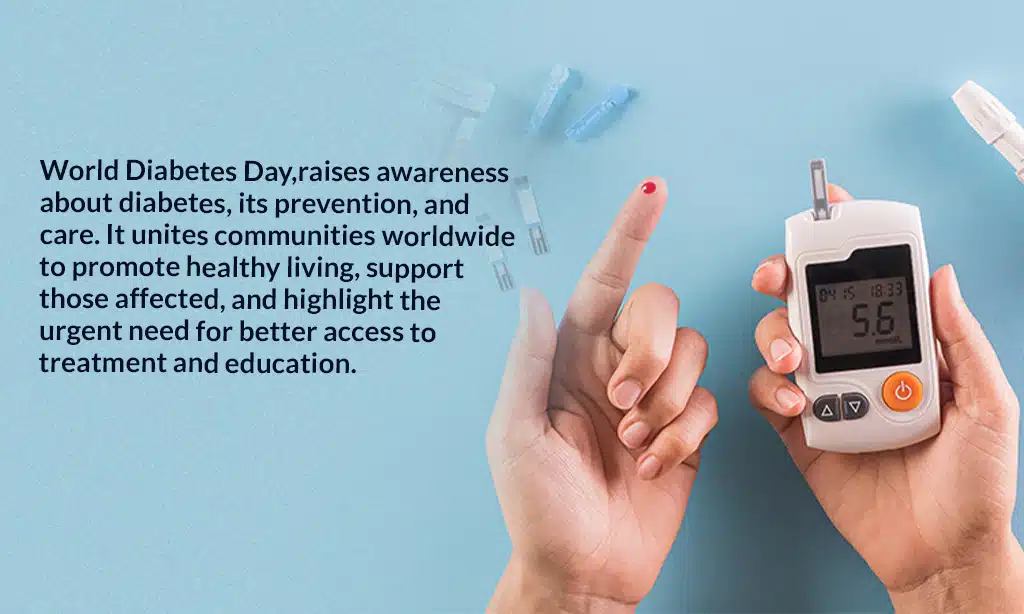
You can grab useful guides, eye-catching posters, and social media graphics straight from the official campaign website. Want to see what others are doing? Search #DiabetesAndWork online for real stories and creative ideas.
Where can I access the Campaign Toolkit and promotional materials?
The official World Diabetes Day resource hub is your one-stop shop for everything you need.
You’ll find the Campaign Toolkit, clear guidelines, and ready-to-use promotional materials all in one convenient spot. Download key campaign messages, up-to-date statistics, and practical tips for organizing local events.
The toolkit includes professional social media graphics that you can share right away to spread awareness. These materials are designed to make your advocacy work easier and more effective.
Here’s what else you can download for free:
| Resource Type | What It Includes | Best For |
|---|---|---|
| PAHO Self-Care Guidelines | Easy modules on foot care, physical activity, and diabetes management | Individual health education |
| HEARTS-D Program | Clinical guidelines for managing type 2 diabetes in primary care clinics | Healthcare providers |
| WHO-PEN Steps | Simple protocols for treating chronic diseases like diabetes at basic health centers | Community health settings |
You can also access the “Passport to a Healthy Life” booklet and public policy advocacy guides. If you’re working on improving treatment access, the Regional Revolving Funds resources provide valuable support for reducing barriers to diabetes supplies and medications.
Sharing your story is easier than you might think.
Snap a quick photo or record a short video showing your workplace activity related to diabetes awareness. Add the hashtag #DiabetesAndWork and post it on Facebook, Instagram, or X (formerly Twitter) to join thousands of others spreading the message.
Share practical tips that have helped you—maybe it’s how you manage blood sugar during meetings or safe snack ideas you keep at your desk. These real-world insights help others facing similar challenges.
If you prefer writing to photos, simply type out a few lines about your day and what helps you manage diabetes while working. People like Nupur Lalvani from India and Anita Sabidi from Indonesia have shared their workplace experiences, and your story could inspire someone in the same way.
You can also submit your activities through the campaign’s online reporting form so more people see them worldwide.
Try taking the quick online quiz on the World Diabetes Day website to check if your company supports diabetes care—then share your results using #DiabetesAndWork. For deeper conversations, join discussions on the D-Talk Podcast or fill out the Diabetes in the Workplace survey linked on the campaign tools page.
Every post, every share, and every story adds to the global conversation about community engagement and workplace wellness.
Takeaways
World Diabetes Day 2025 puts workplace wellness front and center for everyone managing diabetes.
You can join this global health campaign today by sharing your story or supporting someone else’s journey. Every voice strengthens diabetes awareness, whether you’re speaking up at work or connecting with others online.
Small actions you take today can genuinely change lives tomorrow. Let’s stand together for better well-being and stronger community support everywhere.
FAQs on World Diabetes Day 2025
1. What is World Diabetes Day and why does it matter?
World Diabetes Day is an annual campaign on November 14th to raise awareness about diabetes, a condition that the International Diabetes Federation reports affects over 537 million adults globally. This day is crucial for promoting education on prevention and management, uniting communities under the official blue circle symbol for diabetes awareness.
2. How can I get involved in the 2025 campaign?
You can participate by joining a local event found on the official World Diabetes Day website, sharing educational posts on social media using the #WorldDiabetesDay hashtag, or organizing a fundraiser for an organization like JDRF. Wearing blue is a simple way to show your support and start a conversation.
3. Who should participate in diabetes awareness activities?
Everyone is encouraged to participate, from individuals and families to healthcare providers and community leaders, as collective action is vital in addressing this global health issue.
4. What will I learn by participating in World Diabetes Day events?
You will learn critical information such as recognizing key warning signs like frequent urination and fatigue, understanding the differences between Type 1 and Type 2 diabetes, and discovering practical tips for healthy eating. Many events, supported by organizations like the World Health Organization, offer resources on managing blood sugar levels and reducing complication risks.






















