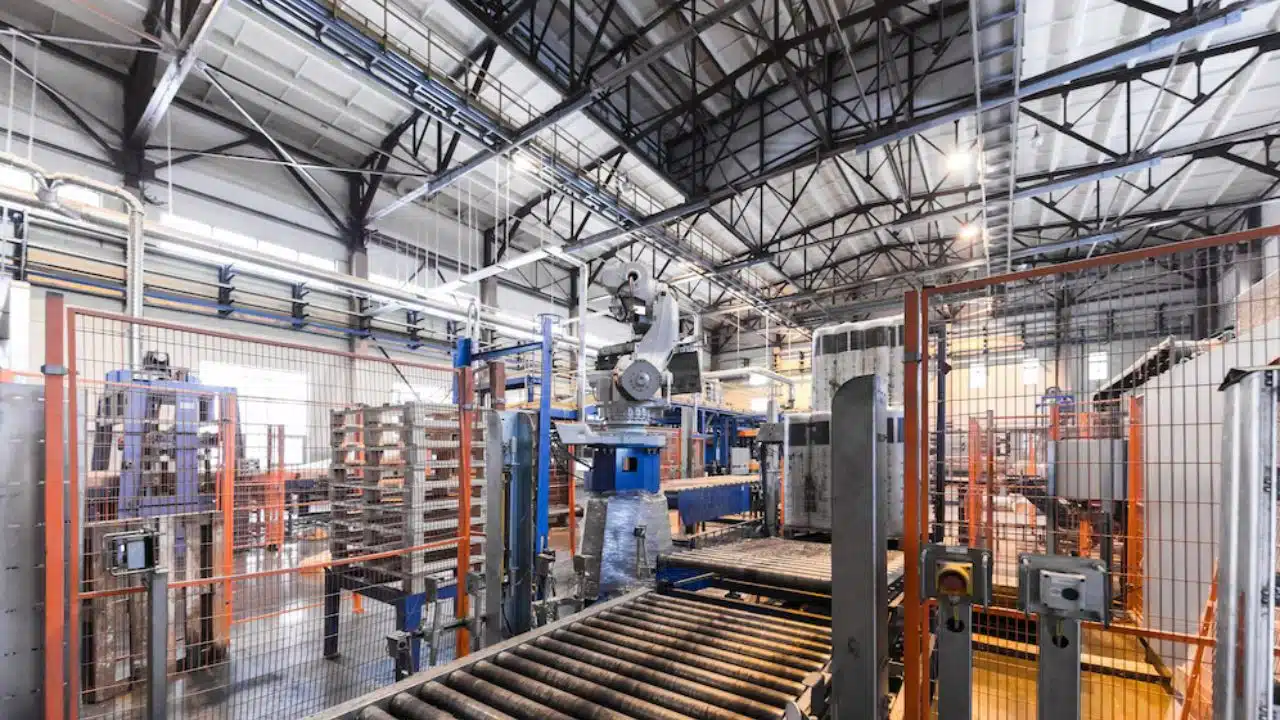
Choosing the right manufacturing material for production is crucial for various reasons. It not only determines the technologies used but also affects the quality of the final product.
When you think of making a product, you have a particular design in your mind. However, the material choice is usually not clear, mainly because of the numerous options available. With the right material, you can make high-quality products using a cost-effective approach.
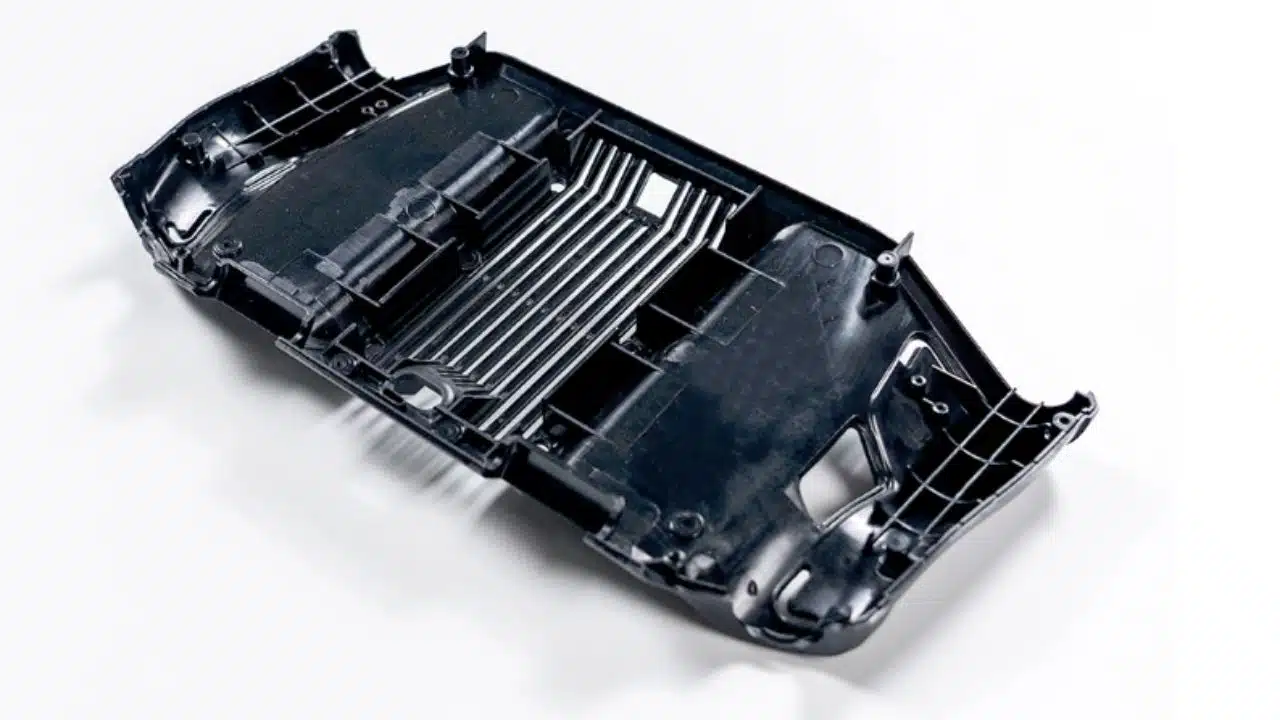
Manufacturers usually test various materials before choosing the final option. In today’s post, we will walk you through the different materials commonly used in manufacturing processes.
Metals
When it comes to manufacturing products, metals are a staple. Manufacturers make use of various types of metal alloys to produce the desired products. Metals and alloys are further subdivided into two categories. These include the following:
Ferrous Metals
From custom manufacturing or precise manufacturing, ferrous metals are used everywhere. It refers to metals that are composed of iron and include cast iron and steel.
Pure iron may not be very useful, but when it is combined with carbon, its commercial value increases. They are used for various applications in the construction industry, automotive industry, and others.
Non-ferrous Metals
Non-ferrous metals or alloys do not contain iron. These metals are expensive and commonly used in precision manufacturing.
The good thing about non-ferrous metals is that they are lightweight, resistant to corrosion, and have better conductivity. It is because of these reasons they are preferred by manufacturers. Some examples of non-ferrous metals are nickel, tin, aluminium, titanium, lead, and copper.
Polymers
A polymer is a large molecule consisting of several smaller units called monomers. These monomers bond together in a chain-like structure to build a massive molecule. They are formed by mixing carbon with other elements like chlorine, nitrogen, hydrogen, and oxygen. Three types of polymers are used in precise manufacturing. These include:
Thermoplastic Polymers
You can subject it to multiple cooling and heating cycles without changing the molecular structure. Some examples are nylon, polyvinyl chloride, polyethene, etc.
Thermosetting Polymers
It can be transformed into a rigid structure when in a heated plastic form. It is done with the help of chemicals.
Elastomers
These polymers have elastic properties. They include neoprene silicone, natural rubber, and polyurethane.
Ceramics
Another common manufacturing material used in the manufacturing industry is ceramic. It is composed of metallic, non-metallic, and semi-metallic components. This is further categorised as amorphous solids and crystalline ceramics.
Traditional ceramic consists of materials like kaolinite, whereas modern ceramics include tungsten carbide and silicon carbide. On the other hand, crystalline ceramics are made from powders that are burned at high temperatures.
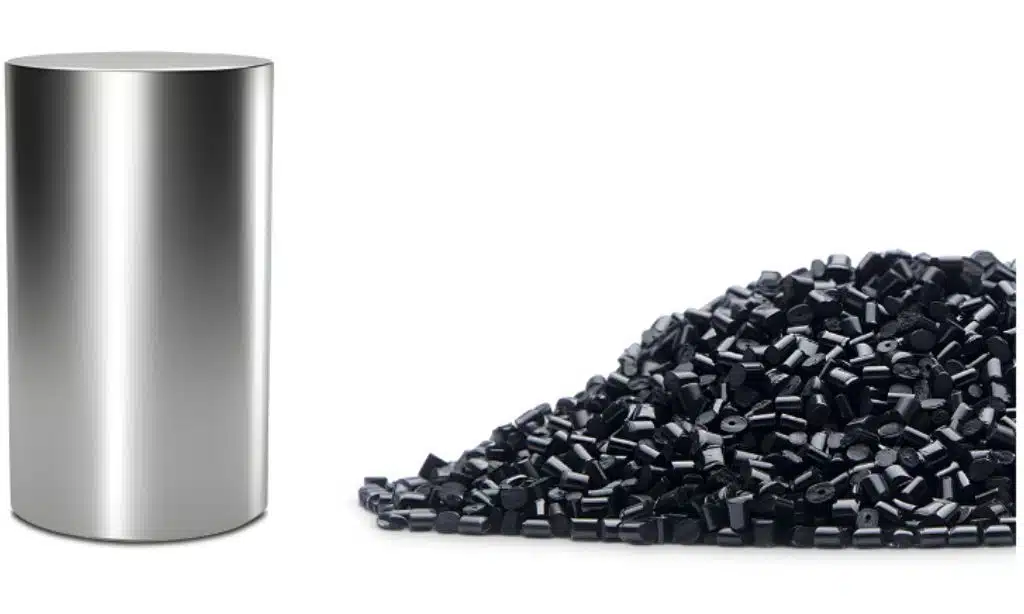
Ceramics are used in a wide variety of applications, mainly because of their unique properties like thermal resistance, hardness, and electrical insulation. They are commonly used for making household items, tiles, electronics, and construction materials.
The materials used for manufacturing processes are diverse and cater to various needs across industries. From metals to ceramics, and polymers, manufacturers use these materials to produce a wide variety of products. They must choose the right material for their products.