

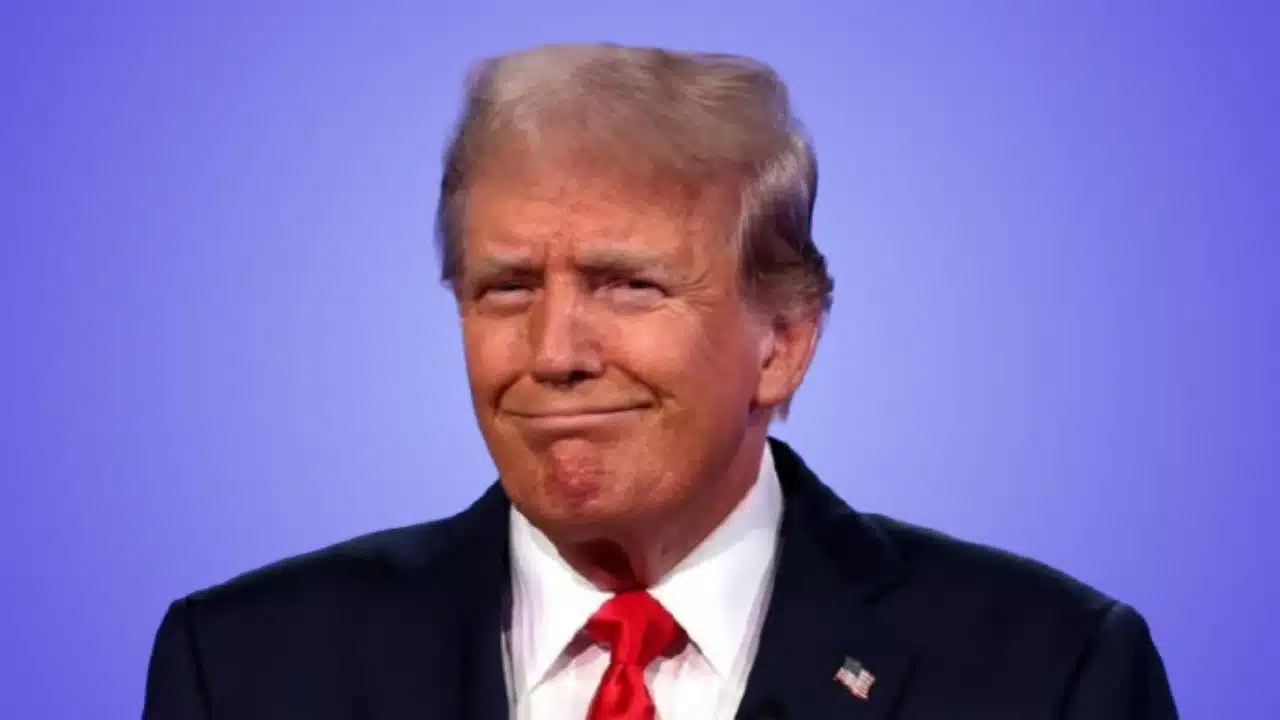
President Donald Trump has officially announced plans to impose a 25% tariff on imports from Canada and Mexico. The tariffs, which are set to take effect as early as February 1, 2025, are part of a broader effort to overhaul U.S. trade policies and protect American industries. This move marks a significant escalation in trade relations with two of the United States’ largest trading partners.
Trump’s Justification: Immigration and Drug Trafficking
In his announcement, President Trump accused Canada and Mexico of failing to address critical issues, such as illegal immigration and the smuggling of fentanyl into the United States. Speaking from the Oval Office after signing several executive orders, he stated:
“We’re thinking in terms of 25% on Mexico and Canada because they’re allowing vast numbers of people—Canada’s a very bad abuser also—and fentanyl to come in.”
Trump has long emphasized the connection between trade policies and national security, making the argument that tougher tariffs can serve as leverage to compel neighboring countries to take stronger action. However, experts warn that linking trade with unrelated issues like immigration enforcement may lead to strained diplomatic ties.
Key Details of the Tariffs
The planned tariffs will apply to a wide range of goods imported from Canada and Mexico, which together account for a significant portion of the United States’ international trade. According to official trade data, both countries are among the top three trading partners of the U.S.
The decision to impose tariffs comes as part of President Trump’s broader campaign promise to protect American jobs and curb what he has described as “unfair trade practices.” He emphasized his administration’s resolve to take bold action, stating:
“Instead of taxing our citizens to enrich other countries, we will tariff and tax foreign countries to enrich our citizens.”
While specifics about which products will be most affected are still emerging, analysts predict significant disruptions in industries such as automotive manufacturing, agriculture, and consumer goods, all of which rely heavily on imports from Canada and Mexico.
International Reaction: Strong Opposition from Canada and Mexico
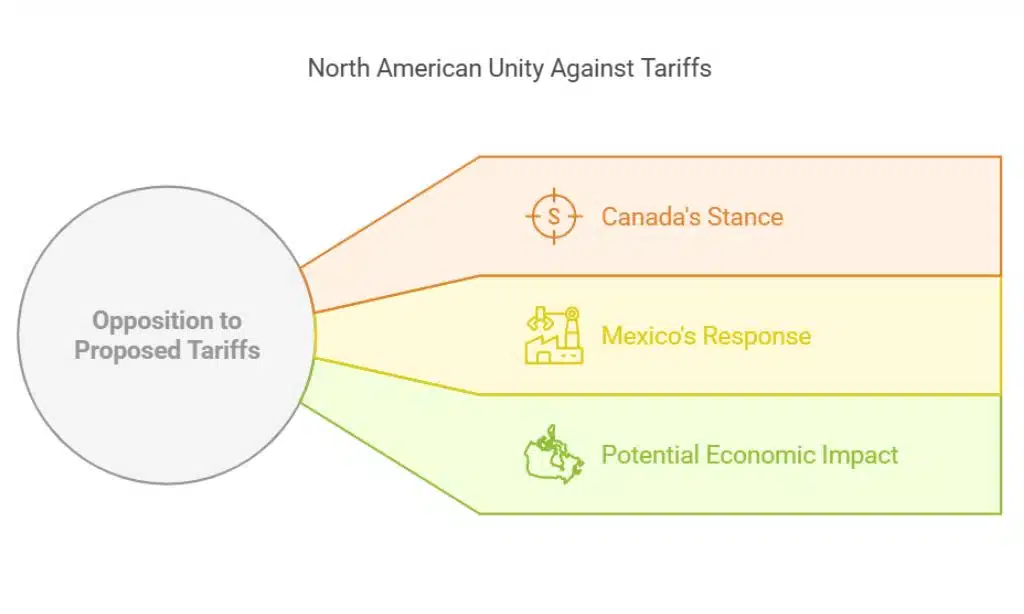
Both Canada and Mexico have expressed strong opposition to the proposed tariffs. Canadian Foreign Minister Mélanie Joly called the move “unjustified” and vowed to protect Canada’s economic interests. In a statement, she said:
“Canada will always stand up for its workers and industries. We are prepared to respond decisively to any unfair actions taken by our trading partners.”
Dominic LeBlanc, Canada’s finance minister, echoed this sentiment, warning that the tariffs would backfire:
“It would be a mistake for Washington to proceed with this plan. The economic ties between Canada and the United States are far too deep and important to be undermined by short-sighted policies.”
Similarly, Mexican officials have signaled their intention to defend their industries and seek international arbitration if necessary. Mexico’s Foreign Ministry released a statement condemning the tariffs and reiterating its commitment to cooperative trade relations.
Economic Impact: Consumer Prices and Supply Chains
The announcement has sparked significant concern among economists, businesses, and consumer advocacy groups. Tariffs are paid by U.S. importers when purchasing goods from abroad, and the costs are often passed down to consumers in the form of higher prices.
Major industries that rely on cross-border supply chains, including automotive and aerospace manufacturing, are likely to face substantial cost increases. The tariffs could also disrupt agricultural exports, as Canada and Mexico are major buyers of U.S. farm products.
Economists warn that these tariffs could have ripple effects throughout the global economy. Some predict higher inflation rates in the U.S. and a potential decline in GDP growth if the trade tensions escalate into broader conflicts.
Broader Trade Agenda: Overhaul of U.S. Trade Policy
In addition to the tariffs, President Trump has directed federal agencies to conduct a comprehensive review of U.S. trade agreements. This includes reexamining the United States-Mexico-Canada Agreement (USMCA) and the trade pact with China, which previously marked a truce in the U.S.-China tariff war.
Trump signed an executive order instructing agencies to study issues like trade deficits, currency manipulation, and unfair trade practices. The order also calls for recommendations on implementing a global supplemental tariff to address persistent trade imbalances.
The External Revenue Service and New Government Department
As part of his broader policy overhaul, Trump has proposed creating two new government entities:
- The External Revenue Service (ERS): Tasked with collecting tariffs and duties from foreign imports, this agency aims to centralize revenue collection and ensure compliance with U.S. trade policies.
- The Department of Government Efficiency (DOGE): Billionaire entrepreneur Elon Musk has been appointed to lead this initiative, which will focus on cutting federal spending, streamlining operations, and reducing regulatory burdens. Musk’s appointment reflects the administration’s commitment to involving private sector leaders in government reforms.
Tensions with the European Union
During the same announcement, President Trump also criticized the European Union for trade imbalances, arguing that the bloc does not import enough American goods. He hinted at the possibility of imposing tariffs on the EU or urging them to purchase more U.S. oil and gas.
The EU’s economy commissioner responded by warning that the bloc would defend its interests and take retaliatory measures if necessary. This adds another layer of complexity to the already contentious global trade landscape.
Uncertain Outcomes
President Trump’s aggressive trade strategy represents a significant shift in U.S. economic policy. While his administration argues that these measures will boost domestic industries and create jobs, critics warn of potential downsides, including higher consumer prices, strained international relationships, and disruptions to global supply chains.
As February 1 approaches, the international community will be closely watching the impact of these tariffs and the broader implications for U.S. trade policy.

























