Imagine juggling tons of data every day, like emails, customer records, and sales numbers, all piling up in a messy heap. You feel overwhelmed, right? What if hackers sneak in, or you lose track of key info during a big project? Many folks face this headache in 2025, struggling with data management that lacks strong security and easy access.
It’s like trying to find a needle in a haystack without a map. Data governance slips, privacy laws get ignored, and efficiency tanks. Businesses big and small deal with this mess, from startups to giants, as data keeps growing like wildfire.
Did you know that top data management tools can cut costs by up to 30 percent through better data quality and integration? This guide spotlights 10 tracking software options, like those handling data warehouses, ETL processes, and cloud services.
We’ll break down features, pros, cons, and pricing to match your needs. Think of it as your roadmap to safe data handling, boosting security and analytics with tools for master data management and data lineage.
Ready to tame that data chaos? Let’s get started.
Key Takeaways
- Top data tools cut costs by up to 30 percent in 2025 with better data quality and integration.
- IBM InfoSphere starts at $31,000 per month for small setups and hits $80,000 for large ones.
- Dell Boomi offers plans like Pro Plus at $2,000 a month and Enterprise Plus at $8,000 a month.
- Tools like Google Cloud and AWS support GDPR and HIPAA compliance for safe data handling.
- Snowflake handles structured and semi-structured data with high scalability in 2025.
What features does IBM InfoSphere Master Data Management offer?
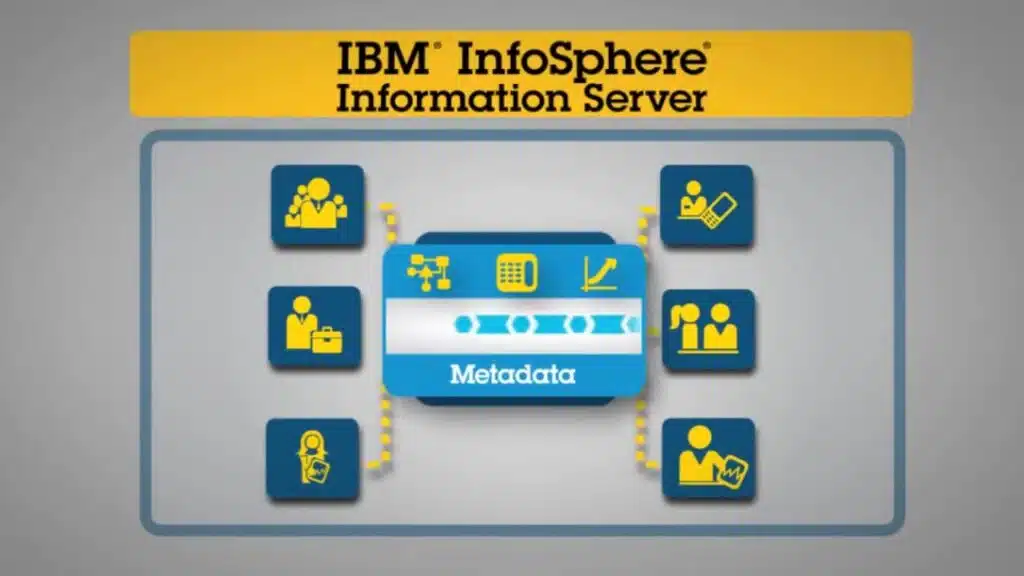
IBM InfoSphere Master Data Management centralizes and governs critical master data for organizations, making sure everything stays in sync. Imagine it like a busy traffic cop directing cars at a huge intersection, it handles data governance with ease.
The tool includes automated ETL workflows for streamlined data processing, so you extract, transform, and load data without breaking a sweat. Its data mapping feature connects multiple sources and destinations, boosting data integration across the board.
You get scalable options with SQL modeling and support for incremental batch updates, perfect for growing needs. Folks love how it ensures data consistency and accuracy, plus it’s highly customizable with strong integration capabilities.
On the flip side, watch out for high implementation and licensing costs, and it requires technical expertise. Ongoing maintenance needs dedicated resources, so plan ahead. Pricing starts at $31,000 per month for small setups, jumps to $51,000 for medium, and hits $80,000 for large; prices may vary.
Experts recognize it as one of the top-rated data management tools for 2025.
Think about data quality monitoring and metadata management, they fit right in with its strengths. IBM’s system supports data lineage tracking, so you follow data’s journey like breadcrumbs in a forest.
It works well on-premises or in the cloud, handling structured data and semi-structured data alike. Data stewards appreciate the audit trails for compliance, including GDPR compliance and HIPAA compliance.
With artificial intelligence baked in, it boosts operational efficiency through machine learning. You can build data pipelines and use ETL tools for data transformation, all while keeping data security tight.
Imagine chatting with a friend about simplifying master data management, that’s how user-friendly it feels, even with its power under the hood. Organizations use it for data cataloging and policy enforcement, tying into relational databases and cloud infrastructure.
How does Google Cloud support big data analytics?
Google Cloud steps up to the plate for big data analytics with tools that handle massive datasets like a pro. Imagine your data as a wild river; Google Cloud tames it with services like Dataflow for smooth data pipelines, BigQuery for fast queries on huge amounts of structured data, Machine Learning Engine for smart predictions, and Data Studio for easy data visualization through interactive dashboards.
You get high scalability that grows with your needs, plus advanced analytics that spot trends in a snap. Data security stays tight with strong measures to protect your info, and artificial intelligence weaves in to boost insights.
For large enterprises in 2025, this platform shines as one of the top data management tools, offering robust features for data orchestration and business intelligence. Think of it as your trusty sidekick in the cloud computing world, making complex tasks feel like a walk in the park.
Pros include that unbeatable scalability and machine learning capabilities, which turn raw data into gold. On the flip side, costs can climb with the pay-as-you-go model, since pricing varies by product and usage; it might hit your wallet hard if you dive deep without planning.
Enterprises love how Google Cloud offers free tiers for trials or small-scale use, giving you a low-risk way to test the waters on data lakes and advanced analytics. You face some cons, like potential high costs from usage-based pricing, limited regional access that might cramp your style depending on location, and the need for technical setup that could stump beginners.
Still, it excels in data governance, with metadata management and data lineage tracking to keep everything in check. Tools support ETL processes for extracting, transforming, and loading data efficiently, plus ELT options for flexibility in cloud infrastructure.
Data quality monitoring runs in the background, catching issues before they snowball. Access control features lock down who sees what, aiding regulatory compliance like GDPR and HIPAA.
You build data warehouses that scale effortlessly, integrate with CRMs for seamless workflows, and automate risk assessment to dodge pitfalls. Picture a team huddling over visualizations in Amazon QuickSight style, but powered by Google; it sparks ideas and drives operational efficiency.
Data privacy gets a boost through policy enforcement and audit trails, ensuring you stay on the right side of rules.
What capabilities does Microsoft SQL Server provide for data management?
Microsoft SQL Server stands out as a robust relational database management system, packed with advanced integration, security, analytics, and reporting features. You get strong data security that guards your info like a fortress, plus seamless ties to other Microsoft products for smooth workflows.
It supports high availability and disaster recovery, so your mission-critical workloads stay up and running, no matter what hits. Data integration flows easily here, handling ETL processes to extract, transform, and load data without a hitch.
Think of it as your trusty sidekick in database management, turning complex data tasks into something manageable. Pros shine bright with its comprehensive feature set and top-notch security, making data quality monitoring a breeze.
Yet, watch out for those higher licensing costs compared to alternatives; they can add up fast. It requires Windows OS for operation, which might limit some setups.
Multiple deployment options exist, from on-premises to cloud setups, with pricing that shifts based on version and user count. Scalability tackles large data sets and high workloads, though it can throw data management challenges your way.
Data warehousing fits right in, supporting structured data and even semi-structured data for broad use. You handle data lifecycle stages with ease, from creation to archiving, all while keeping audit trails intact.
Data governance tools integrate well, aiding policy enforcement and regulatory compliance like GDPR or HIPAA. Imagine juggling data pipelines without dropping a ball; that’s the operational efficiency it brings.
Data visualization through interactive dashboards helps you see patterns clearly. Cons include those steep costs, but the benefits often outweigh them for teams needing solid data monitoring and quality management.
How does AWS enable data lakes and analytics?
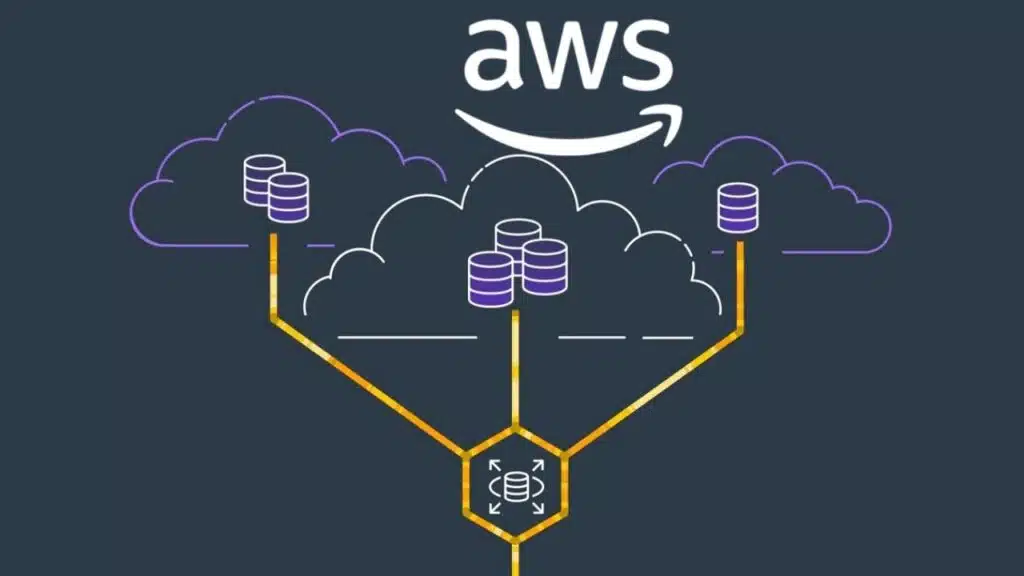
AWS powers data lakes with high-performance data ingestion and storage for large-scale setups. Teams build these lakes to handle structured data and semi-structured data easily. They use scalable data processing tools like Spark and Athena for quick work.
Analytics shine through platforms such as Redshift and QuickSight, which deliver advanced analytics and data visualization. Real-time data processing happens via Amazon Kinesis, keeping everything current.
Deep integration with other AWS services boosts cloud infrastructure and ecosystem compatibility, like linking to data pipelines for smooth data orchestration. Picture your data flowing like a well-oiled machine, no hiccups in sight.
This setup offers pros like high scalability, feature-rich analytics, real-time processing, and strong data security. Yet, watch for cons such as complex setup, risk of extra costs, potential vendor lock-in, and data transfer fees.
Pricing follows a pay-as-you-go model, with costs tied to specific services and usage volumes. Data management tools here support ETL processes, data quality monitoring, and audit trails for better operational efficiency.
What are the benefits of Microsoft Azure Data Management?
Microsoft Azure stands out with its extensive storage options, databases, analytics tools, and machine learning features. Imagine your data as a bustling city; Azure keeps everything running smooth like a well-oiled machine.
Teams love the scalability that grows with your needs, plus smooth integration with Microsoft products for that seamless workflow. You get reliability built for big enterprise tasks, making data management feel like a walk in the park.
Strong security features guard your info, and high availability means your systems stay up, no matter what. Think of it as a trusty sidekick among cloud platforms, handling structured data and semi-structured data with ease.
Azure boosts operational efficiency through data governance tools, data cataloging, and policy enforcement. It supports data quality monitoring, audit trails, and data lineage to track every step.
For data privacy, it helps with GDPR compliance and HIPAA compliance, keeping risks low. New users, you can dip your toes in with free tiers that offer limited services, a smart way to test the waters without spending a dime.
Pricing follows a pay-as-you-go or subscription model, so check Azure’s official site for details to fit your budget. Sure, the variable costs might add up, and you could face dependence on the Microsoft ecosystem, like being tied to one brand of tools.
Governance challenges pop up in complex setups, but hey, that’s par for the course in big data lakes and advanced analytics. Azure enables data integration, data transformation, and ETL processes to streamline your data pipelines.
It shines in data orchestration, metadata management, and data mapping for clear visibility. Envision chatting with a friend about strategy; Azure uses artificial intelligence to automate tasks, improving data handling and risk management.
Data security gets a boost with its unified approach, and ease of use makes it accessible for all. Tools like interactive dashboards aid data visualization, while data cleansing ensures top-notch quality.
Cloud infrastructure supports data compliance and regulatory compliance, turning potential headaches into simple solutions.
How does Talend simplify comprehensive data integration?
Talend acts as an open-source platform that makes data integration and transformation a breeze, even with real-time processing thrown into the mix. You get a free community edition right off the bat, perfect for dipping your toes in without spending a dime.
It supports streaming data like a pro, and tosses in data quality management features to keep things clean and reliable. Imagine you’re juggling structured data and semi-structured data, and Talend steps in like a trusty sidekick, handling ETL (extract, transform, load) or ELT (extract, load, transform) with ease.
Data cleansing becomes second nature, boosting your operational efficiency in no time. Folks love its flexibility, which lands it among the best data management tools for 2025.
Sure, it can feel complex for beginners, like learning to ride a bike with training wheels that sometimes wobble. Advanced features? They come with subscription pricing for those enterprise needs, but the open-source approach keeps it accessible.
Talend excels at data orchestration and building data pipelines, all while ensuring data compliance and regulatory compliance. Imagine automating data monitoring and data lineage tracking; it simplifies the whole data lifecycle.
With its focus on data governance tools and metadata management, you gain audit trails that make data security feel solid. Usability shines through, especially with artificial intelligence (AI) touches that enhance data visualization via interactive dashboards.
What solutions does Oracle Cloud Infrastructure offer for data?
Oracle Cloud Infrastructure delivers high-performance data management tools like Autonomous Database and Exadata. You get a complete set built for enterprise-scale data workloads. It shines with strong data security and metadata management features.
Envision your team handling massive data lakes without breaking a sweat, thanks to its advanced analytics capabilities. Pros include solid performance and a broad array of data management options, perfect for boosting operational efficiency.
Envision slashing through data integration challenges like a hot knife through butter. This setup supports data lineage tracking and audit trails with ease. Costs run high, and setup feels complex, so you need skilled IT pros to run it smooth.
Pricing follows a pay-per-use model, with fees shifting based on service and usage volume. Folks often praise its data quality monitoring and ETL processes.
Experts highlight Oracle Cloud Infrastructure as a top enterprise data management solution in 2025. It excels in data governance and regulatory compliance tasks. Data mapping becomes straightforward here, aiding GDPR compliance and HIPAA compliance efforts.
You can build durable data pipelines for structured data and semi-structured data alike. Think of it as your trusty sidekick in data orchestration, keeping everything in check. Cloud infrastructure powers interactive dashboards for quick insights.
Data transformation happens fast, enhancing your entire data lifecycle. Many users love how it simplifies data cataloging and policy enforcement. Just know, it demands expertise to avoid hiccups.
Why choose Snowflake as a cloud data platform?
Snowflake delivers cloud-based data warehousing, data lakes, and secure data sharing capabilities. Businesses love its high scalability and low maintenance. You handle massive data loads without breaking a sweat, like a warehouse that expands on demand.
It supports both structured data and semi-structured data formats with ease. Data security stays top-notch, thanks to built-in features that guard your info. Folks often say it’s like having a trusty vault for all your data needs.
Snowflake’s platform shines with its flexibility and cloud-native architecture. You centralize and analyze large, diverse datasets efficiently. Data governance becomes a breeze here.
Imagine juggling data integration and data transformation without the usual headaches. Pros include that seamless support for advanced analytics and data pipelines. Yet, pricing varies based on compute and storage usage.
Advanced features may incur extra costs, so keep an eye on that. Data quality monitoring fits right in, making your operations smoother. Think of it as your go-to for data management tools that just work.
Companies pick Snowflake for its knack at handling data lakes and analytics in the cloud. You get regulatory compliance baked in, which helps with things like GDPR compliance and HIPAA compliance.
Data privacy feels solid, with tools for metadata management and data lineage. It’s like a smart assistant that tracks every data move. Businesses centralize datasets and explore interactive dashboards for quick insights.
ETL processes run smoothly, or switch to ELT if that suits you better. Data orchestration flows without hitches, boosting operational efficiency. Cloud infrastructure supports it all, from data cataloging to policy enforcement.
Secure data sharing lets teams collaborate safely. Audit trails keep everything transparent. Data cleansing happens effortlessly, ensuring high data quality. Imagine telling your boss, “Hey, our data monitoring just caught that glitch before it blew up.” Scalability means you grow without limits.
Flexibility adapts to your needs, no matter the data type. This platform enables efficient analysis of diverse datasets, turning chaos into clear wins.
How does SAP Data Intelligence improve data handling?
SAP Data Intelligence integrates, orchestrates, and cleanses enterprise data from multiple sources, making it a powerhouse for data management. Imagine your data as a messy orchestra, and this tool steps in as the conductor, pulling everything together smoothly.
It shines in large-scale data environments, where it supports advanced analytics and machine learning with ease. Teams love its high scalability, which handles growing data loads like a pro.
You get tools for data integration, data transformation, and even ETL processes, all built to boost operational efficiency. Envision data pipelines flowing without hitches, turning chaos into clear insights.
Data quality monitoring keeps things accurate, while data governance features enforce policies and ensure regulatory compliance. It tackles structured data and semi-structured data alike, offering metadata management and data lineage for full visibility.
Plus, data security measures protect your info, aligning with GDPR compliance and HIPAA compliance needs.
On the flip side, expect a high implementation cost, which might sting for smaller setups. New users often find it complex to adopt, like learning a new dance with tricky steps. Pricing comes custom, customized to enterprise requirements, so it fits organizations with advanced data integration and analytics demands.
Data orchestration becomes simple, and data lakes integrate seamlessly for better analytics. You can build interactive dashboards for data visualization, spotting trends fast. Data cleansing scrubs away errors, and audit trails track every move for compliance.
Dell Boomi fans might compare, but this tool excels in cloud infrastructure, pushing data handling to new heights. It’s built for those facing big data challenges, delivering value through smart features.
What integration and data management tools does Dell Boomi provide?
Dell Boomi delivers enterprise-level data integration, data quality, and governance solutions that fit right into your cloud infrastructure. Imagine connecting your apps like pieces of a puzzle, with its cloud-native architecture making everything smooth.
You get a visual interface for easy data mapping and transformation, plus pre-built connectors that handle structured data and semi-structured data without a hitch. Add in advanced analytics through ETL processes, or switch to ELT for flexibility, and watch real-time monitoring keep your data pipelines flowing.
Data security stays strong with audit trails and policy enforcement, supporting regulatory compliance like GDPR compliance and HIPAA compliance. It even tackles data cleansing and quality monitoring to boost operational efficiency.
Pros shine bright here, folks, with a comprehensive feature set that supports multi-cloud environments and feels user-friendly, like chatting with an old friend. Real-time integration? It enables that, turning data orchestration into a breeze.
But hey, cons exist too, such as high cost starting at Pro Plus for $2,000 a month, Enterprise at $4,000 a month, and Enterprise Plus at $8,000 a month. Setup demands technical expertise, and initial configuration can feel complex, while governance support falls a bit short.
Still, for data management tools that handle metadata management and data lineage, Dell Boomi stands out in data governance tools, data cataloging, and even data privacy tasks.
How does Profisee simplify master data management?
Profisee steps in as a key player in data management software, folks. It provides tools for mastering, managing, and governing organizational data, which keeps everything in check.
Think of it like a trusty sidekick that handles the mess of scattered info across your business. Features shine with advanced matching and merging, plus solid data cleansing to scrub away errors.
Data governance gets a boost too, along with scalability for cloud environments that grow with you. You gain from strong data management that delivers high data quality, and an intuitive interface makes it easy to jump in.
It integrates well with Azure and SQL Server, smoothing out data integration and transformation processes. Imagine you’re juggling structured data and semi-structured data, and Profisee orchestrates data pipelines like a pro conductor.
For data quality monitoring, it keeps tabs with audit trails and metadata management, helping with data lineage so you trace every step. That means better operational efficiency, and it supports ETL or ELT workflows without a hitch.
Data cataloging becomes simple, and policy enforcement ensures regulatory compliance, like GDPR compliance or HIPAA compliance. On the flip side, it’s expensive for small organizations, which might sting the budget.
Limited support for niche connectors can frustrate some users, and advanced features may require additional costs that add up quick. Regional support limitations pop up too, so check your area first.
Pricing runs on a subscription-based model with potential for custom or additional costs, keeping it flexible yet pricey.
Folks often face headaches with data privacy and security in today’s fast world. Profisee tackles that by simplifying master data management through its core strengths. It ensures data compliance with tools for data classification and monitoring, making sure nothing slips through the cracks.
Imagine your data lifecycle flowing smooth as butter, from start to finish. Advanced analytics get easier with interactive dashboards for data visualization, letting you spot trends fast.
Data orchestration ties it all together, supporting data lakes in cloud infrastructure for big wins. You handle data mapping with ease, and data governance tools enforce rules across the board.
Empathy here, I get it, small teams worry about costs, but Profisee delivers value if you scale up. For instance, integrating with Microsoft tools boosts efficiency, turning chaos into order.
Data transformation happens without fuss, and it manages both structured data and semi-structured data types. Audit trails provide peace of mind for compliance needs. Operational efficiency skyrockets as you govern data at every level.
How does OneTrust ensure data privacy and security?
OneTrust steps in as your trusty sidekick for data privacy and security, folks. It maps out your data like a treasure hunt, spotting where sensitive info hides in structured data or semi-structured data.
Teams use its tools for data classification, tagging personal details to meet GDPR compliance and HIPAA compliance standards. Envision this: you set up policy enforcement that acts like a vigilant guard, blocking unauthorized access before trouble brews.
Audit trails track every move, giving you clear data lineage so nothing slips through the cracks.
This platform boosts data governance with features for data monitoring and regulatory compliance. You handle consent requests smoothly, turning complex rules into simple steps for operational efficiency.
OneTrust integrates with your systems for seamless data security, helping you build trust with users. Envision dodging privacy pitfalls like a pro, all while keeping things compliant and secure.
What advanced data discovery and compliance features does BigID have?
BigID stands out with its smart data discovery tools that scan and classify data across your systems. It spots sensitive info like personal details or financial records fast. Think of it as a detective in your data world, uncovering hidden risks before they bite.
This platform maps data flows, showing where info lives and moves. Teams love how it handles data lineage, tracking changes over time. Plus, it boosts data security by flagging weak spots.
For compliance, BigID shines in meeting rules like GDPR and HIPAA. It automates data classification, making sure you tag info right. Picture sorting a messy closet; BigID organizes it all.
You get audit trails that log every action, helping with regulatory checks. Data privacy gets a lift through policy enforcement and metadata management. Folks use it for data governance at scale, keeping things clean and safe.
How does Collibra support data governance at scale?
Collibra steps up as a top player in data governance tools for 2025. It focuses on key areas like data lineage, metadata management, and policy enforcement. Imagine your data as a busy city, and Collibra acts like the traffic cop, keeping everything in line.
Teams love how it enables comprehensive data cataloging. You get automation of governance processes, which saves time and cuts errors. Plus, it boosts team collaboration, making sure everyone stays on the same page.
Data mapping becomes a breeze with its features. Think of it as a trusty sidekick that handles structured data and semi-structured data without breaking a sweat. Readers, if you’ve ever felt lost in a sea of info, Collibra lights the way with data quality monitoring and audit trails.
It supports regulatory compliance, like GDPR compliance and HIPAA compliance, so you avoid those pesky fines. Data security gets a solid upgrade here too.
Collibra shines in scaling data governance, but keep this in mind, it’s mainly a governance tool. You might need to pair it with other data management tools for full company-wide use, like integrating with data integration platforms.
Pros stack up high; it automates tasks that used to drag teams down. Collaboration feels natural, almost like chatting over coffee about data lineage. Data compliance? Collibra handles it with ease, enforcing policies across cloud infrastructure.
Picture a puzzle where every piece fits, thanks to its metadata management. Data monitoring runs smooth, spotting issues before they blow up. It even tackles data cleansing, keeping your info fresh and reliable.
As a leading platform for data governance in 2025, Collibra pushes operational efficiency. Data pipelines flow better, and interactive dashboards let you see the big picture.
What makes Privacera a unified data security platform?
Privacera stands out as a unified data security platform that integrates data governance, compliance, and security functions all in one spot. Imagine your data team juggling fewer tools, like a chef with a single magic knife that slices, dices, and seasons.
This setup provides end-to-end coverage for data processes, which boosts operational efficiency right away. You get scalability that handles everything from gigabytes to petabytes, perfect for growing data workloads without breaking a sweat.
Teams love the built-in governance tools, such as role-based access control (RBAC) and data lineage tracking, which keep things secure and traceable. Privacera offers a low-code/no-code design, so you implement data management processes fast, even if coding isn’t your strong suit.
It emphasizes data quality and sticks to regulations like GDPR and HIPAA for solid data compliance. Plus, its architecture handles real-time data processing, helping you make informed decisions on the fly, almost like having a crystal ball for your data pipelines.
How does Immuta simplify data access control?
Immuta steps in like a smart gatekeeper for your data, making access control a breeze with role-based access control (RBAC) that lets only the right folks touch sensitive info. Imagine your data as a bustling party, and Immuta acts as the bouncer, adjusting dynamic data access controls on the fly based on user roles and the situation at hand.
This setup cuts down on headaches from manual checks, thanks to automated privacy compliance features that slash overhead in data governance. Plus, its integration with all sorts of data sources and analytics tools smooths out data access management, keeping things efficient and secure.
You know how compliance rules keep shifting like sand? Immuta handles that with real-time privacy automation, helping teams stay ahead without breaking a sweat. It boosts data security through sharp data discovery and classification capabilities, spotting sensitive structured data or semi-structured data right away.
Don’t forget consent orchestration, which automates user consent management to nail privacy regulations like GDPR compliance or HIPAA compliance. All this ties into strong policy enforcement, building solid audit trails and data lineage for peace of mind in your data management tools.
What privacy and compliance solutions does TrustArc offer?
TrustArc delivers automated compliance tools that help you meet data protection regulations like GDPR and HIPAA with ease. Imagine juggling privacy rules as if they were hot potatoes, you need a system that catches them all without dropping any.
Their solutions include data discovery and classification, which spot and manage sensitive data across your systems. You get real-time privacy automation, keeping compliance steady even as rules shift.
Plus, they offer seamless integration with your existing data management systems, making setup a breeze. Think of it as plugging in a new gadget that just works right away. Assistance in consent management handles user consent smoothly, like a polite host asking guests what they prefer.
Their robust APIs let you customize and integrate with your apps, giving you control over data privacy like a chef tweaking a recipe. Comprehensive privacy assessments evaluate your compliance and boost practices, spotting gaps before they become headaches.
You can build strong data governance through these features, ensuring regulatory compliance without the stress. Picture your team chatting over coffee, “Hey, TrustArc just sorted our data classification mess.” Tools for metadata management and audit trails keep everything transparent.
They support data lineage too, tracing info flows like breadcrumbs in a forest. All this ties into better operational efficiency, helping you handle structured and semi-structured data with confidence.
How does Monte Carlo automate data observability?
Monte Carlo steps in like a trusty sidekick for your data woes, automating observability in ways that feel almost magical. This platform delivers end-to-end coverage for data processes, all within a cloud-native environment that keeps things humming.
It integrates data ingestion, data integration, data quality, data governance, and data delivery to streamline your whole data management setup. Imagine: you skip the headaches of manual pipeline management, thanks to its smart automation that handles data pipelines with ease.
Plus, its low-code/no-code design lets non-technical users jump in fast, making quicker implementation a breeze and boosting operational efficiency across the board.
Built-in governance tools shine here, with role-based access control (RBAC) and data lineage tracking that enforce policy and regulatory compliance without breaking a sweat. Monte Carlo scales up elastically, tackling workloads from gigabytes to petabytes, so your data monitoring stays sharp no matter the size.
It enhances data quality by automating integration and transformation processes, vital for solid decision-making. Imagine catching issues before they snowball, with audit trails and data quality monitoring that automate observability at every turn.
This unified approach turns complex data orchestration into something simple, even fun, for teams juggling structured data or semi-structured data in vast data lakes.
What granular data access and governance features does Okera provide?
Okera steps up with granular data access that keeps things tight, restricting data visibility to just the authorized users who need it. It’s like a vigilant gatekeeper at a bustling party, implementing role-based access control, or RBAC, to handle user roles and permissions with ease.
This setup boosts data security and governance, making sure no one crashes the wrong room. Data lineage tracking lets organizations trace data origins and transformations, perfect for staying on top of compliance without the headache.
Okera supports data management strategies that tackle the growing pile of daily data, from structured to semi-structured types.
The platform delivers end-to-end coverage for data processes, ramping up scalability and data governance like a well-oiled machine. Automation kicks in to cut out those tedious manual tasks, spiking operational efficiency and letting teams focus on what matters.
Choosing Okera fits right in with business needs, packing in strong security features that safeguard metadata management and policy enforcement. It even ties into data cataloging for better oversight, helping with regulatory compliance like GDPR or HIPAA without breaking a sweat.
How does DataGrail streamline privacy management?
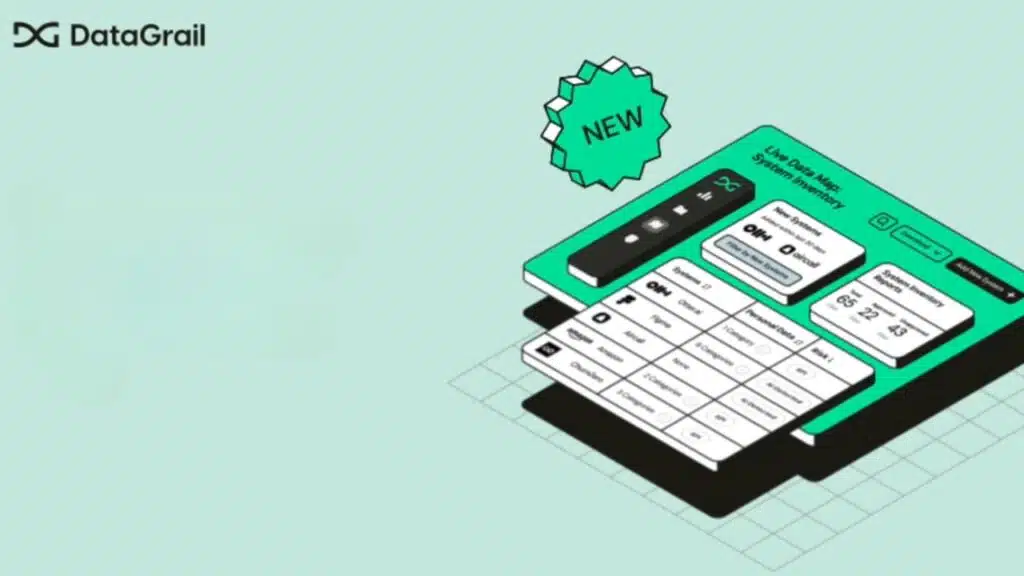
DataGrail automates privacy compliance across data systems with its data permissioning platform. Imagine juggling data privacy like a circus act; this tool takes the chaos out of it.
It features real-time privacy automation and consent orchestration, which make personal data management a breeze. Teams handle data discovery and classification without breaking a sweat, key for taming sensitive data.
Picture your data as a wild horse; DataGrail saddles it up for smooth rides in data governance and regulatory compliance. The platform integrates seamlessly with data warehouses and CRM systems, boosting data integration and operational efficiency.
Developers love its friendly setup with robust APIs for custom tweaks, perfect for data mapping and policy enforcement. Small teams and startups jump in with the free plan, ideal for basic data privacy needs.
Automation slashes manual effort in compliance processes, freeing you up for bigger wins in data security and GDPR compliance. You get tools for data classification and HIPAA compliance, all wrapped in a user-friendly package.
This setup streamlines data lifecycle tasks, from discovery to protection. DataGrail acts like a trusty sidekick in the data privacy world, spotting issues before they bite. It enables quick data monitoring and audit trails, keeping everything on track for data quality.
Think of it as a smart filter for structured data and semi-structured data alike. Consent orchestration flows like a well-oiled machine, handling requests with ease. Integration with cloud infrastructure enhances data orchestration and pipelines.
Developers build custom solutions fast, thanks to those APIs. The free plan opens doors for startups, letting them dip toes into advanced data management without the big splash. Automation cuts down on grunt work, making privacy management feel less like a chore and more like a chat with an old friend.
Takeaways
You now know the top tracking software that keeps your data safe in 2025, like a trusty guard dog watching over your yard. Tools such as IBM InfoSphere and Google Cloud handle data governance and security with ease, helping businesses big and small thrive without worries.
Pick one that fits your needs, and watch your data quality soar while costs drop, turning chaos into smooth sailing. Imagine chatting with a friend about how these options, from AWS to Snowflake, make data integration a breeze.
Go ahead, explore better data management today.
FAQs
1. What makes data governance tools stand out for safe data management in 2025?
Data governance tools help with policy enforcement and regulatory compliance, like GDPR compliance and HIPAA compliance. They keep your data secure, almost like a watchful guardian over a treasure chest. Imagine spotting risks early; that’s how they boost operational efficiency.
2. How does data mapping fit into tracking software?
Data mapping tracks data lineage and shows where information flows in data pipelines. It aids data integration, making everything connect smoothly.
3. Can tracking software handle data security and privacy?
Yes, these tools focus on data security and data privacy. They use audit trails and data classification to protect info, kind of like locking doors in a busy house. Plus, they support data compliance, keeping you out of hot water with rules.
4. What’s the role of metadata management in these software options?
Metadata management organizes details about your data, helping with data cataloging. It works well for structured data and semi-structured data in data lakes.
5. How do ETL and ELT processes help in data management?
ETL stands for extract, transform, load; it cleans and moves data through data transformation. ELT, or extract, load, transform, flips that for speed in cloud infrastructure. Tools like Dell Boomi make this a breeze, improving data quality monitoring.
6. Why use data visualization in tracking software for 2025?
Data visualization creates interactive dashboards for easy insights. It ties into advanced analytics and data orchestration, turning complex info into simple pictures. Think of it as turning a jumbled puzzle into a clear map; Ataccama One excels here for data cleansing and overall data lifecycle control.