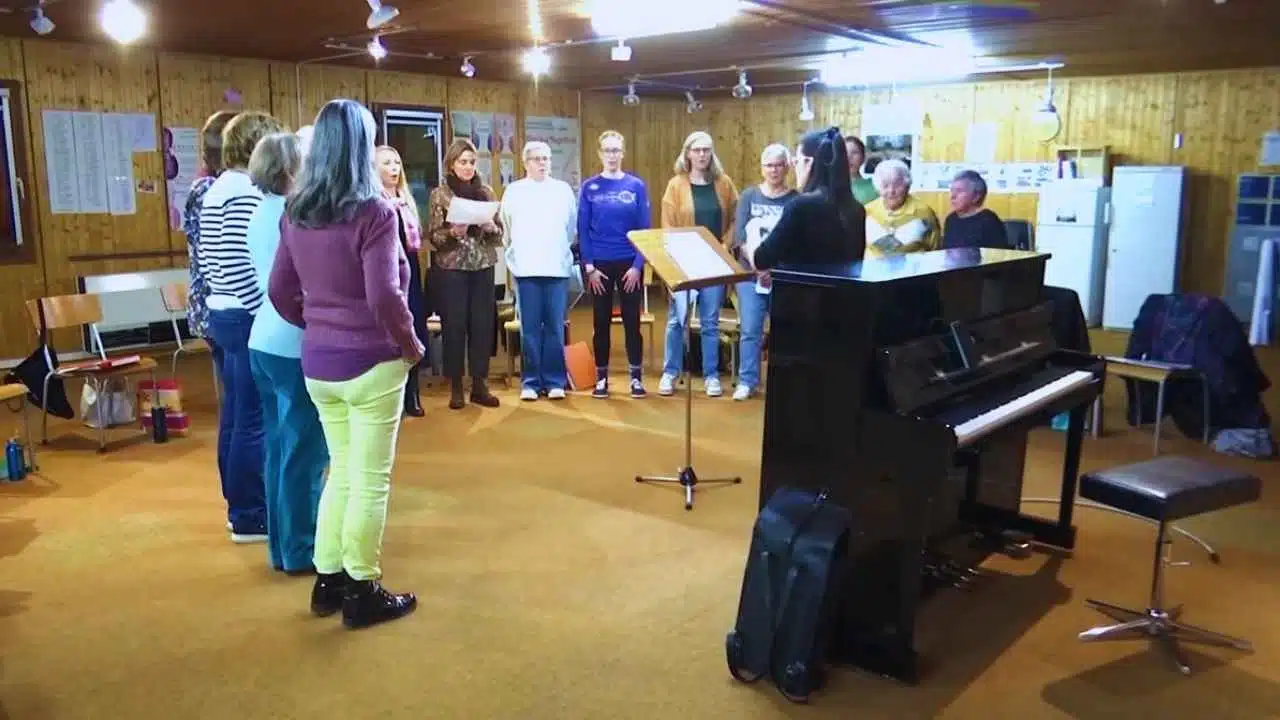
Switzerland’s centuries-old yodeling tradition has received international recognition after being officially added to UNESCO’s Intangible Cultural Heritage of Humanity list. The decision was made during a UNESCO committee meeting held in New Delhi, marking a major cultural milestone for Switzerland and for the preservation of traditional vocal arts worldwide. The recognition places Swiss yodeling among a select group of living traditions considered vital to humanity’s shared cultural heritage.
For Switzerland, the inscription is more than symbolic. It acknowledges yodeling as a defining element of national identity that continues to thrive in modern society, rather than existing only as a historical or folkloric practice.
A Living Tradition Deeply Rooted in Swiss Society
Yodeling originated centuries ago in Switzerland’s Alpine regions, where it was first used by mountain herders as a practical way to communicate across long distances and steep valleys. Over time, these vocal signals evolved into an expressive musical form, characterized by rapid shifts between chest voice and falsetto, producing its distinctive sound.
Today, yodeling remains an active and organized cultural practice. Approximately 12,000 people across Switzerland regularly participate in yodeling through clubs and regional groups affiliated with the Swiss Yodeling Association. These groups perform at local festivals, national celebrations, concerts, and competitions, ensuring the tradition remains visible and accessible to the public.
UNESCO highlighted that yodeling can be performed solo, in small ensembles, or as part of choirs, and may be accompanied by traditional instruments such as the accordion. Performances often include regional costumes, reinforcing the strong connection between music, geography, and local identity.
Recognition Alongside Global Cultural Practices
Swiss yodeling was selected as part of a broader group of 67 cultural traditions added to UNESCO’s intangible heritage list during the week-long session in New Delhi. The list also included practices such as Italian cooking traditions, Ghanaian highlife music, the fermented Kyrgyz beverage Maksym, and Venezuela’s El Joropo music and dance.
Unlike UNESCO’s World Heritage List, which focuses on protecting physical landmarks like monuments and historic sites, the intangible heritage list is dedicated to safeguarding living traditions. Its goal is to support cultural practices that are transmitted from generation to generation and that contribute to social cohesion, creativity, and cultural diversity.
Switzerland’s Role in Protecting Cultural Heritage
The Swiss government played an active role in advocating for yodeling’s inclusion, emphasizing that the tradition has grown far beyond its original function as a rural communication tool. Cultural authorities described yodeling as an “emblematic song of Switzerland,” noting that it encompasses a wide range of styles and regional variations while remaining deeply rooted in everyday life.
Officials also stressed that yodeling continues to evolve, adapting to contemporary settings without losing its traditional character. This balance between preservation and innovation was a key factor in UNESCO’s recognition.
Passing Yodeling to Future Generations
Representatives of the Swiss Yodeling Association welcomed the UNESCO decision as an important acknowledgment of the community, dedication, and cultural pride that sustain the tradition. They described the inscription as recognition not only of the music itself, but of the people and networks that have kept it alive for generations.
Switzerland has committed to long-term preservation efforts, including supporting young performers, digitizing archival recordings, and raising public awareness. Educational initiatives play a central role in this strategy. One program introduces yodeling into primary school classrooms, where trained teachers teach students both the vocal techniques and the cultural significance behind them.
Through these efforts, Swiss yodeling is positioned not as a relic of the past, but as a vibrant, evolving cultural practice that continues to connect communities and reflect Switzerland’s cultural heritage in the modern world.