Plastic waste is a huge problem in the beauty industry. Cosmetic bottles, jars, and containers often end up in landfills or pollute our oceans. Many people are now searching for better, eco-friendly options that don’t harm the planet.
Bamboo and glass packaging offer exciting solutions. Bamboo grows quickly, is biodegradable, and looks beautiful. Glass can be endlessly recycled and adds a touch of luxury to products.
This blog will explain why these materials are shaping the future of beauty packaging—and how they can make a difference for both brands and consumers.
Keep reading to discover what makes them so special!
Sustainability of Bamboo and Glass Packaging
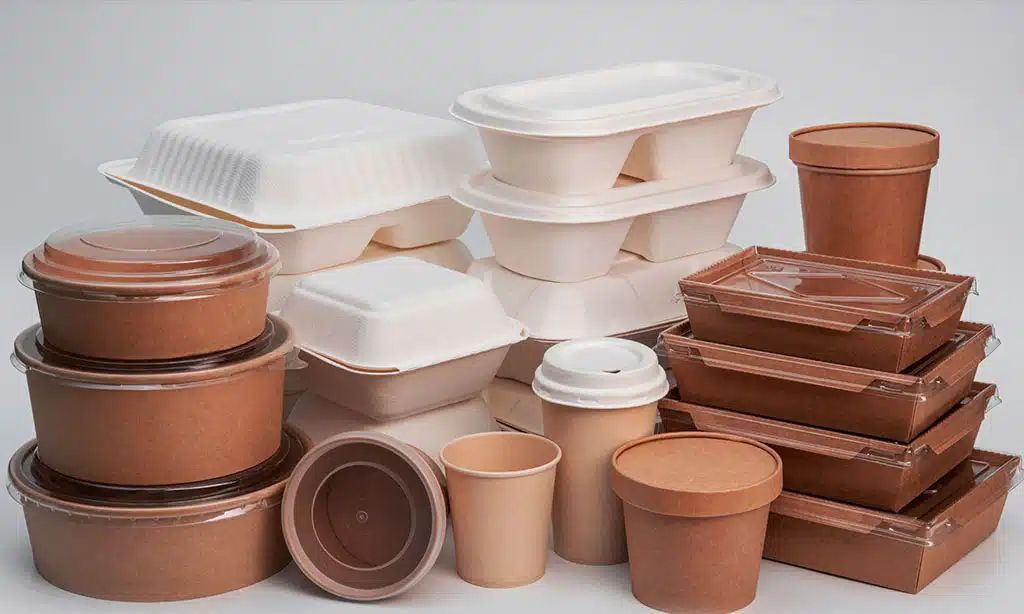
Bamboo and glass packaging offer eco-friendly solutions for the beauty industry. These materials help reduce waste and promote a greener planet.
Renewable and biodegradable materials
Bamboo is one of the fastest-growing plants on Earth. Some species grow up to three feet in a single day. Unlike trees that take decades to mature, bamboo can be harvested every few years.
This makes it a highly renewable resource for sustainable packaging.
Glass offers durability and endless recyclability without losing quality. Both materials reduce waste compared to plastic, which takes centuries to decompose. Bamboo’s compostable nature allows it to break down naturally, leaving no harmful traces behind.
These ecofriendly options support greener production processes with lower environmental impact.
Reduced environmental impact compared to plastic
Plastic packaging comes from fossil fuels and stays in landfills for hundreds of years. Millions of tons pollute the Earth every year, harming wildlife and ecosystems. Unlike plastic, bamboo grows naturally without pesticides or fertilizers.
Its cultivation lowers greenhouse gas emissions and keeps soil healthy.
Bamboo is biodegradable and compostable, making it earthfriendly. Glass is recyclable and can be reused many times. Both materials have a smaller carbon footprint than traditional plastics.
Choosing these options helps reduce waste and protect the planet long-term.
Aesthetic and Functional Appeal
Bamboo and glass bring a fresh, natural look to beauty products. Their durable designs also add value by combining style with usability.
Natural elegance of bamboo
Bamboo adds a touch of natural beauty to packaging. Its smooth texture and earthy tone make it stand out in beauty products like compacts or lip balm containers. Laser engravings can further enhance its unique appearance, providing eco-conscious brands with artistic options.
This material doesn’t just look good; it’s kind to the planet too. Bamboo decomposes quickly compared to plastic, reducing waste and keeping the environment cleaner. Its organic charm blends functionality with style while supporting green packaging efforts.
Transparency and luxury of glass
Glass shines with elegance and sophistication. Its clear design offers unmatched transparency, creating a high-end feel for beauty products. Think of the exquisite clarity that showcases creams or serums inside—this adds refinement to any product display.
With decorative techniques like spraying and embossing, brands achieve a unique aesthetic without sacrificing recyclability.
Special coatings elevate glass even further. They mimic luxurious textures like marble or stone while remaining lightweight and functional. Clear UV protection layers extend shelf life by shielding contents from harmful light exposure.
These features make glass practical and visually stunning, blending aesthetics with performance seamlessly.
Refillable and Multi-Use Packaging Solutions
Refillable and reusable packaging is changing how beauty products are stored. These designs help reduce waste while offering long-lasting convenience for users.
Bamboo refillable containers
Bamboo refillable containers offer a smart and green packaging option. They are durable, biodegradable, and stylish. Brands like Zao Organic Makeup and Elate Cosmetics already use these ecofriendly containers.
These reusable packaging solutions can be refilled easily with beauty products, reducing waste significantly.
Many high-end and eco-conscious consumers prefer bamboo for its natural look and sustainability. Elate Cosmetics even encourages refills by offering discounts to customers who reuse their packaging.
Bamboo’s versatility makes it perfect for sustainable cosmetics packaging while keeping the environment in mind.
Durable glass packaging for long-term use
Glass packaging offers durability and sustainability. It can be recycled multiple times, reducing waste and conserving resources. Recycled glass also saves energy by cutting the need for raw materials during production.
Lightweight glass jars lower shipping costs and lessen environmental impact.
These reusable containers support long-lasting product designs. Brands use refillable glass bottles to minimize single-use waste while adding value for eco-conscious consumers. Multipurpose options make it practical for both beauty brands and customers seeking environmentally friendly packaging solutions.
Branding and Customization Opportunities
Brands can create eye-catching designs with bamboo and glass, giving their products a unique look. These eco-friendly materials also help companies align with consumers’ values for sustainability.
Unique designs for eco-conscious branding
Eco-friendly branding thrives on creativity. Bamboo packaging adds a clean, natural touch that draws attention. Its earthy appeal mirrors environmental consciousness, making it ideal for green cosmetics.
For instance, Elate’s bamboo palettes elevate products with sustainable and sleek designs that consumers adore.
Glass packaging also offers elegance and functionality. Customization options allow brands to craft unique shapes or include logos for personalized branding. Jarsking provides bamboo solutions focused on sustainability while maintaining product integrity—a win-win for eco-conscious businesses aiming to stand out in the market.
Enhanced consumer engagement with sustainable packaging
Sustainable packaging connects brands with conscious buyers. Bamboo containers, like those from Elate Cosmetics, highlight eco-friendly practices while staying practical and stylish.
Refillable solutions attract green beauty fans who value long-term use over wasteful products.
Brands using biodegradable packaging build trust and loyalty among consumers. Eco-conscious designs make a statement, showing care for the planet. This creates a strong emotional bond between customers and companies prioritizing environmentally responsible packaging.
Innovations in Bamboo and Glass Packaging
Brands are now mixing bamboo and glass to create unique, eco-conscious designs. New safety features in glass and flexible bamboo shapes make packaging both stylish and practical.
Modular and hybrid packaging designs
Modular and hybrid packaging combines materials like bamboo and glass to create innovative solutions. For example, glass jars paired with sustainable outer layers, such as bamboo or metal, offer durability and eco-friendliness.
These designs reduce waste while adding a modern touch to cosmetic packaging.
Companies like Jarsking provide airtight systems for liquid cosmetics. This ensures safety and prevents spills. Hybrid designs also work well for dry products by offering superior protection against damage or contamination.
Using multiple materials helps balance sustainability with functionality in beauty packaging.
Advanced glass alternatives for safety and functionality
Amber and green glass provide strong UV protection. They shield sensitive beauty products from sunlight, keeping them fresh longer. Oxygen-barrier lids add another layer of safety by reducing air exposure.
This helps maintain the quality and effectiveness of skincare items.
Lightweight glass designs lower shipping costs while cutting environmental impact. These solutions combine functionality with sustainability. Recyclable materials make advanced glass packaging an eco-friendly choice, appealing to brands aiming for greener practices.
Market Trends and Consumer Preferences
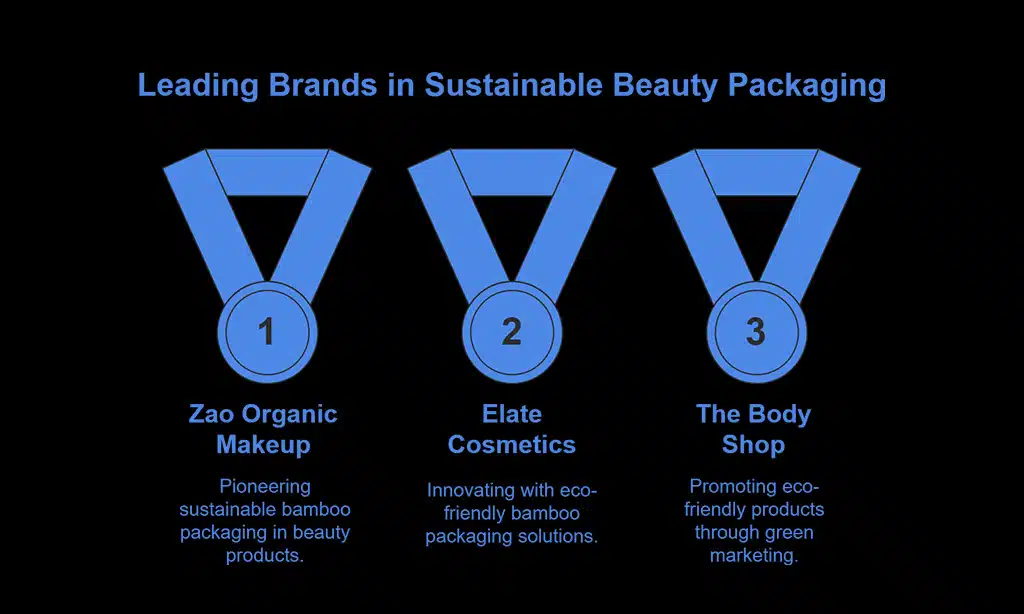
More shoppers now prefer eco-friendly choices for their beauty products. This shift is pushing brands to adopt sustainable packaging solutions that meet customer demands.
Growing demand for eco-friendly products
Consumers are pushing brands to adopt eco-friendly alternatives. This growing demand stems from the need to reduce plastic waste and protect the planet. Ethical consumerism is on the rise, with shoppers favoring biodegradable materials like bamboo and refillable containers over harmful plastics.
Brands like Zao Organic Makeup and Elate Cosmetics meet this demand with sustainable bamboo packaging. Big names, such as The Body Shop, also use green marketing by promoting their commitment to environmentally friendly products.
Eco-conscious buyers are driving these changes through their choices, making sustainability a top priority in beauty packaging trends.
Brands embracing sustainable packaging solutions
The beauty industry is shifting toward green packaging. The Body Shop uses bamboo in its Drops of Youth line, focusing on ethical sourcing. Boho Cosmetics crafts makeup containers and brush handles from bamboo, combining style with sustainability.
Antonym Cosmetics leads with bamboo compacts for blushes and eyeshadows. Eco Tools also incorporates bamboo into their brush handles and packaging designs. Axiology takes it further with fully recyclable bamboo containers for their Balmies color sticks.
These brands demonstrate a growing commitment to eco-friendly materials like natural bamboo over harmful plastics.
Challenges in Adopting Bamboo and Glass Packaging
Switching to bamboo and glass packaging can be expensive for brands. Meeting large-scale demand while keeping costs low remains a tough hurdle.
Cost considerations
Bamboo containers cost more to produce than plastic ones. Glass packaging, like from Jarsking, needs a minimum order of 5,000 pieces, while plastic requires 10,000. These higher price points and quantity demands can strain budgets for smaller brands.
Expense issues also arise with scaling production. Bamboo and glass often face economic factors like raw material sourcing or manufacturing costs. Companies must balance affordability challenges with environmental goals to stay competitive.
Scaling production to meet demand
Higher production costs and material shortages challenge bamboo and glass packaging growth. APG, a major supplier, produces over 600 million bamboo bottles yearly but still faces capacity limits.
As demand rises for sustainable packaging materials, manufacturers must expand operations while keeping costs manageable.
Hybrid solutions combining bamboo with other eco-friendly materials can improve functionality and affordability. Increasing the availability of sustainable resources like bamboo will also be key to meeting global demand without harming the environment.
Future Prospects for Sustainable Beauty Packaging
Sustainable beauty packaging will continue to evolve with innovative designs and eco-friendly materials. These advancements aim to reduce waste while meeting the demands of conscious consumers.
Integration of technology with eco-friendly materials
Advanced manufacturing makes eco-friendly materials like bamboo smarter and stronger. Laser engraving adds designs to bamboo packaging, enhancing both beauty and durability. This process also improves moisture resistance, making it practical for skincare or makeup products.
These technologies ensure the materials stay functional without harming their compostable nature.
Glass packaging benefits from similar innovations with better safety features. Advanced methods create shatter-resistant glass while keeping its elegance intact. Hybrid designs combine bamboo’s natural look with glass’s transparency for a unique appeal.
Technology helps brands meet growing consumer demand for sustainable beauty choices without sacrificing style or function.
Expanding accessibility for global beauty brands
Global beauty brands need eco-friendly packaging to reach more people. Bamboo and glass packaging can help make beauty products accessible worldwide. These materials align with the values of environmentally conscious beauty brands, catering to diverse markets.
Accessible beauty products also build trust in the sustainable beauty industry. Using ethical packaging attracts consumers who value planet-friendly choices. This shift boosts global reach for beauty products while supporting inclusivity in branding efforts.
Takeaways
Bamboo and glass packaging are reshaping the beauty industry. They promise sustainability, style, and function — a rare mix.
Dr. Eleanor Hayes, an environmental scientist with 20 years of experience in sustainable material research, highlights their value. With a PhD in Eco-material Science from Stanford University, she has published over 50 papers on eco-friendly innovations.
Her work has contributed to regulations promoting green solutions globally.
Dr. Hayes explains that bamboo grows quickly without harming soil health or consuming excessive water. Glass is reusable and endlessly recyclable without losing quality. Together, these materials reduce waste while offering luxury—a perfect fit for modern consumers who value both ethics and aesthetics.
She stresses the safety of these alternatives as they avoid harmful chemicals often found in plastic production. Bamboo packaging is biodegradable; glass complies with food-grade safety standards—key factors ensuring ethical practices align with consumer interests.
For everyday use, Dr. Hayes suggests choosing refillable bamboo containers or sturdy glass jars for skincare products at home or travel kits as sustainable options that save money long-term.
She points out some challenges: higher cost compared to plastics and scaling up production to meet demand across markets remain key hurdles but notes growing investment in this space will likely resolve such issues soon enough.
Dr. Hayes’ verdict? Bamboo and glass hold unmatched potential for reducing environmental harm while enhancing consumer experiences—making them smart choices today for a greener future tomorrow!