

Just like humans, pets can suffer from food allergies, which can significantly impact their health and quality of life. A food allergy occurs when your pet’s immune system mistakenly identifies a specific food ingredient as harmful, triggering adverse reactions.
These reactions can range from skin irritations to digestive issues, making it vital for pet owners to recognize and address the symptoms early.
In this article, we will explore the key signs your pet may have a food allergy, the common causes, and actionable steps you can take to manage it. Armed with this information, you can ensure your furry friend leads a healthier and happier life.
7 Signs Your Pet May Have a Food Allergy
Let’s take a look.
1. Chronic Itching or Skin Irritation
What to Look For:
One of the most common signs of food allergies in pets is persistent itching or skin irritation. Unlike seasonal allergies, food-related itching can occur year-round. Look for symptoms such as:
- Excessive scratching, licking, or biting at the skin.
- Red, inflamed, or flaky skin.
- Hot spots, particularly around the ears, paws, belly, and tail base.
Why It Happens:
Food allergies can cause your pet’s immune system to overreact, leading to the release of histamines, which trigger itching and inflammation.
How to Manage It:
- Eliminate potential allergens: Transition to a hypoallergenic diet or one with novel protein sources.
- Topical treatments: Use soothing shampoos or sprays containing oatmeal or aloe vera to relieve discomfort.
- Consult a vet: Persistent symptoms may require prescription medications like antihistamines or corticosteroids.
2. Recurrent Ear Infections
What to Look For:
Recurrent or chronic ear infections are another hallmark of food allergies in pets. Symptoms include:
- Red, swollen, or warm ears.
- Foul-smelling discharge or wax buildup.
- Frequent head shaking or pawing at the ears.
Why It Happens:
The inflammation caused by food allergies can affect the skin inside the ear canal, creating a moist environment that fosters bacterial or yeast infections.
How to Manage It:
- Clean the ears regularly: Use a vet-approved ear cleaner to remove wax and debris.
- Identify food triggers: Conduct a food trial to pinpoint the allergen causing the problem.
- Seek veterinary care: Prescription ear drops or antifungal medications may be needed for severe infections.
3. Gastrointestinal Upset
What to Look For:
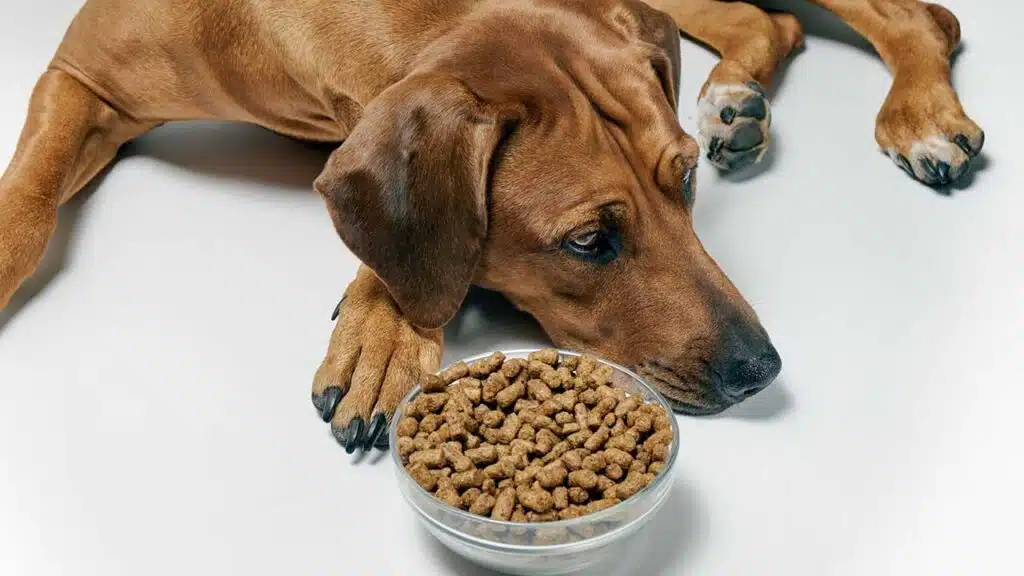
Digestive disturbances are a clear indication that your pet may have a food allergy. Watch for:
- Vomiting or regurgitation after meals.
- Loose stools or diarrhea.
- Excessive gas or bloating.
Why It Happens:
Food allergies can irritate the lining of the stomach and intestines, leading to inflammation and an inability to properly digest food.
How to Manage It:
- Switch diets gradually: Introduce a limited-ingredient diet designed for pets with sensitivities.
- Probiotics: Incorporate probiotics to support gut health.
- Visit the vet: Chronic GI upset can also indicate other conditions like irritable bowel syndrome (IBS) or infections.
4. Hair Loss or Poor Coat Quality
What to Look For:
A dull, thinning coat or patchy hair loss is often linked to food allergies. Symptoms may include:
- Excessive shedding or bald spots.
- Brittle, dry, or oily fur.
- Scaly or crusty skin beneath the coat.
Why It Happens:
When the immune system reacts to allergens, it can impair your pet’s ability to absorb essential nutrients, leading to poor coat health.
How to Manage It:
- Supplement the diet: Add omega-3 fatty acids or fish oil to improve skin and coat health.
- Focus on nutrition: Ensure your pet’s diet contains high-quality proteins and essential vitamins.
- Address the root cause: Treating the underlying allergy will resolve coat issues over time.
5. Paw Licking and Red, Inflamed Paws
What to Look For:
Many pets with food allergies exhibit an obsessive behavior of licking or chewing their paws. This can lead to:
- Red, raw, or swollen paw pads.
- Open sores or crusted lesions.
- A yeasty or foul smell from the paws.
Why It Happens:
The paws often bear the brunt of food allergies due to their high exposure to allergens through licking, and inflammation can exacerbate the problem.
How to Manage It:
- Wipe paws frequently: Use pet-safe wipes to clean your pet’s paws after walks or playtime.
- Try booties: Protect inflamed paws by having your pet wear booties outdoors.
- Explore dietary options: Eliminate potential food allergens and monitor improvement.
6. Chronic Anal Gland Issues
What to Look For:
If your pet frequently scoots on the floor or exhibits discomfort around their anal area, it could be due to anal gland problems linked to food allergies. Symptoms include:
- Scooting or dragging their bottom across the floor.
- A strong, fishy odor from the anal glands.
- Swelling or redness around the anal area.
Why It Happens:
Inflammation caused by food allergies can interfere with normal anal gland function, making it difficult for your pet to empty them naturally.
How to Manage It:
- Express the glands: Have your vet manually express the glands if needed.
- Adjust the diet: High-fiber diets can help maintain proper gland function.
- Monitor symptoms: Persistent issues may require a veterinary exam for further treatment.
7. Behavioral Changes
What to Look For:
Food allergies can also manifest as changes in your pet’s behavior, including:
- Increased irritability or aggression.
- Lethargy or lack of interest in activities.
- Anxiety or restlessness.
Why It Happens:
Discomfort from itching, GI upset, or chronic infections can make your pet feel unwell, leading to mood and behavior changes.
How to Manage It:
- Address physical symptoms: Treat the underlying allergy to alleviate discomfort.
- Provide comfort: Create a stress-free environment for your pet to recover.
- Consult a professional: Severe behavioral issues may require advice from a veterinarian or pet behaviorist.
What Causes Food Allergies in Pets?
Common food allergens for pets include:
- Proteins such as beef, chicken, lamb, or fish.
- Grains like wheat, soy, or corn.
- Dairy products and eggs.
Certain artificial additives, preservatives, and flavorings may also contribute to allergic reactions.
How to Diagnose Food Allergies in Pets?
Diagnosing food allergies requires a systematic approach:
- Food Trials: Introduce a novel protein or hydrolyzed diet for 8–12 weeks and monitor symptoms.
- Elimination Diets: Gradually reintroduce ingredients to identify triggers.
- Veterinary Testing: Blood tests or intradermal allergy testing may help identify allergens, though they’re less reliable for food allergies.
Treatment and Long-Term Management
1. Transition to a Hypoallergenic Diet
Select high-quality hypoallergenic or limited-ingredient diets specifically formulated for pets with food sensitivities.
2. Introduce Supplements
Omega-3 fatty acids, probiotics, and skin-supportive supplements can help manage symptoms.
3. Regular Veterinary Care
Work closely with your veterinarian to monitor your pet’s condition and adjust their treatment plan as needed.
Conclusion
Recognizing the signs your pet may have a food allergy is essential for ensuring their well-being. From itchy skin to digestive distress, understanding these symptoms can help you take proactive steps to manage their condition.
By working with your veterinarian, making dietary adjustments, and focusing on long-term care, you can provide your pet with the relief they need to live a happier, healthier life.
Take action today to improve your pet’s health—because they deserve nothing less than the best!






















