Have you ever noticed your heart racing and your mind spinning on a random Tuesday afternoon? I know that feeling of sudden panic all too well. It can make you wonder if something is wrong with you. The truth is, your brain is just reacting to the intense pressures of our daily routines. We constantly face endless digital alerts, social comparisons, and work emails.
Did you know that recent 2026 data from the National Institute of Mental Health shows that over 42.5 million adults in the U.S. deal with an anxiety disorder each year? I found that statistic wild, but it makes perfect sense when you look at how we live.
Understanding The Psychology Of Anxiety: Why Modern Life Makes Us Anxious is the first step to feeling better. Our nervous systems simply cannot tell the difference between a real physical threat and a stressful text message. It treats them exactly the same way.
Grab a cup of coffee, and let’s go through this together. I am going to show you the exact steps and tools you can use to calm your mind and take back control.
What is Anxiety?
Anxiety is basically your body’s built-in alarm system. It goes off when it senses danger, even if no real threat actually exists. You might feel that familiar tight chest or sweaty palms before a big presentation.
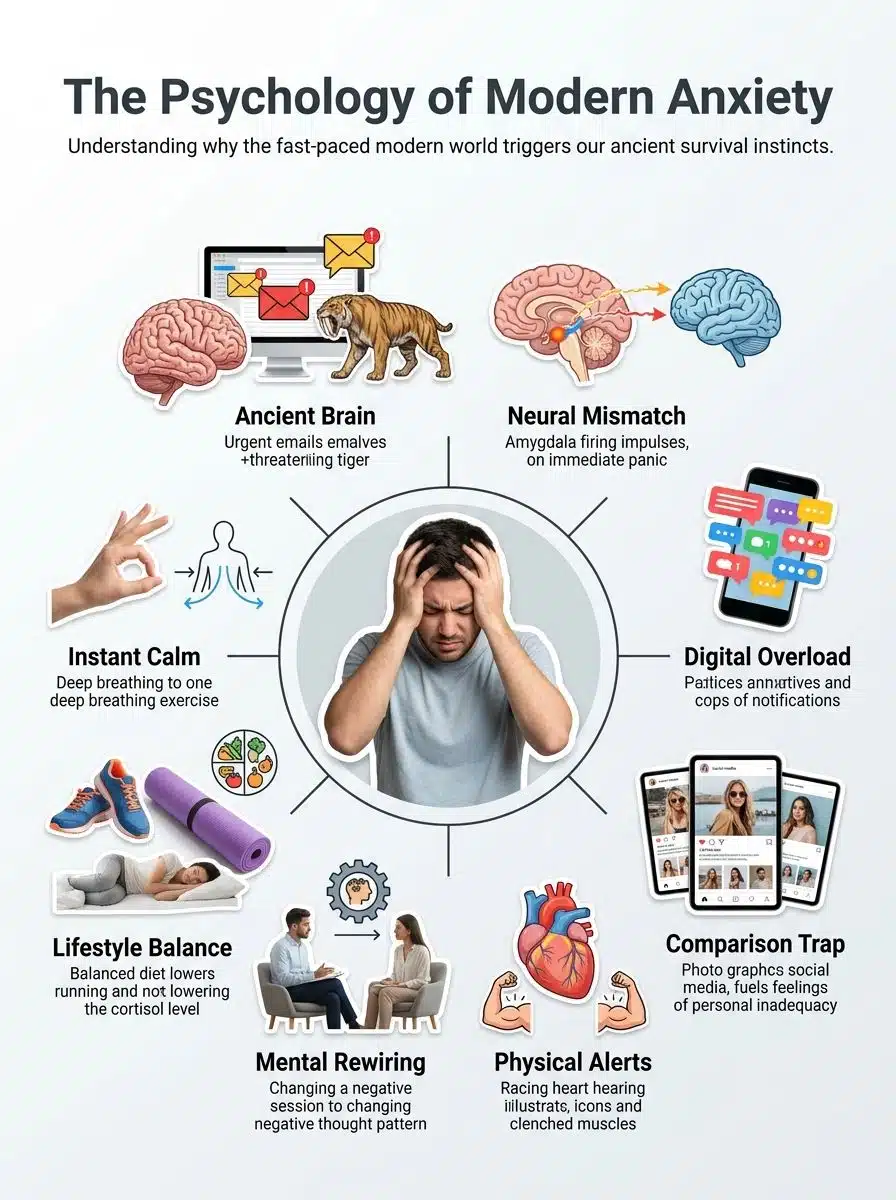
Your nervous system kicks into high gear, flooding your body with stress hormones like adrenaline and cortisol. This response was incredibly helpful for our ancestors when they faced actual physical dangers. Today, we get the exact same physical reaction from a crowded inbox or a scary news headline.
I always remind people that anxiety is not a weakness. It is a completely normal human experience. According to the National Institute of Mental Health, in 2026, about 19.1% of U.S. adults face an anxiety disorder every single year.
“Anxiety is the price we pay for civilization.” (Sigmund Freud)
That alarm system lives on a spectrum, ranging from mild worry to full panic. Some folks feel anxious about specific things like flying, while others carry a constant weight of generalized worry. It builds up from uncertainty and constant change until it pushes our well-being to the absolute edge.
The Neurological Foundations of Anxiety
Your brain runs a highly complex security system to keep you safe. The amygdala is a small almond-shaped structure deep inside your head that acts as your threat detector. It constantly scans your environment and flags anything that seems dangerous.
Meanwhile, your prefrontal cortex helps you think logically and make rational decisions. When these two areas talk to each other clearly, you stay calm and collected.
Anxiety develops when this internal communication breaks down. Your amygdala starts firing off false alarms, and your prefrontal cortex simply cannot calm things down fast enough. A fascinating 2025 study from University College London found that constant internet use literally alters adolescent brain function, keeping these alarm centers stuck on high alert.
To understand this better, we need to look at the specific chemical messengers in your brain:
- Serotonin: This chemical helps regulate your mood and keeps you feeling balanced.
- Dopamine: This drives your motivation and controls how you feel pleasure or reward.
- GABA: This acts like a natural brake pedal for your nervous system.
- Cortisol: This is your primary stress hormone, which sharpens your focus during a crisis but exhausts you if it stays elevated.
The Link Between Anxiety and Fear
Anxiety and fear operate as close cousins, yet they are quite different. Fear strikes fast when you face a real, immediate threat. Your body floods with adrenaline, and you react without thinking.
Anxiety lingers much longer and feels a lot more vague. It grips you tightly even when no clear danger is present. Your brain struggles to tell the difference, so it treats everyday uncertainty exactly like a survival threat.
This confusion triggers physical responses like a racing heart and tight muscles. The World Health Organization recently classified this kind of chronic stress and fear as a major public health priority. They noted that constant isolation and emotional distress have massive impacts on our physical health.
Over time, this constant activation rewires how your brain processes everyday events. It makes you far more prone to panic and emotional exhaustion. Understanding this connection helps explain why so many of us feel completely drained at the end of a normal workday.
Exploring Different Anxiety Disorders
Anxiety disorders encompass a spectrum of clinical conditions, including generalized anxiety, social phobia, and panic disorder. These manifestations are defined by persistent fear and physiological symptoms that significantly disrupt daily functioning.
Generalized Anxiety Disorder (GAD) Explained
Generalized Anxiety Disorder, or GAD, shows up as a constant hum of worry that sticks around for at least six months. People dealing with GAD feel stressed about everyday things like health, finances, or family matters.
Their minds race with endless “what if” questions from morning until night. Even when the actual problem is small, the worry feels incredibly serious.
According to the Anxiety and Depression Association of America (ADAA), GAD affects about 2.7% of U.S. adults in any given year. Sadly, only about 43.2% of people with GAD receive treatment for it. The stress builds up slowly, like water filling a cup, until it finally spills over into your daily routine.
Generalized Anxiety Disorder teaches us that our minds can be both our greatest strength and our toughest challenge.
Physical symptoms almost always tag along to make things harder. You might feel tense, struggle to sleep, or deal with constant stomach issues. The pressure from this endless worry drains your energy surprisingly fast.
Addressing Social Anxiety Disorder
Social anxiety disorder affects around 15 million adults in the United States. That is roughly 7.1% of the U.S. population. People with this condition feel extreme self-consciousness around others, fearing harsh judgment or embarrassment.
Their hearts race and their palms sweat before almost any social event. This challenge goes far beyond simple shyness. It actually disrupts work opportunities, romantic relationships, and casual friendships.
Many individuals struggle silently and hide their battles from coworkers. The ADAA found that 36% of people with social anxiety experience symptoms for ten or more years before they finally seek professional help.
Cognitive behavioral therapy is a proven way to help reshape these harmful thought patterns. Therapists teach you how to identify distorted thinking and replace it with a more realistic perspective. Over time, practicing these skills naturally decreases the intense fear you feel in crowds.
Understanding Panic Disorder
Panic disorder takes things to a totally different level. It hits you with sudden, intense waves of terror that seem to strike without any warning at all.
Your heart pounds so hard it hurts, your breathing quickens, and you might break out in a cold sweat. These panic attacks often mimic the physical signs of a heart attack. Even though no real danger exists, the fear becomes so powerful that you start dreading the next episode.
This creates a vicious cycle that makes daily life feel unpredictable. Recent 2025 data from the Substance Abuse and Mental Health Services Administration (SAMHSA) shows that millions of Americans report moderate to severe anxiety symptoms that severely limit their routines.
To see how these conditions differ, it helps to look at the facts side-by-side:
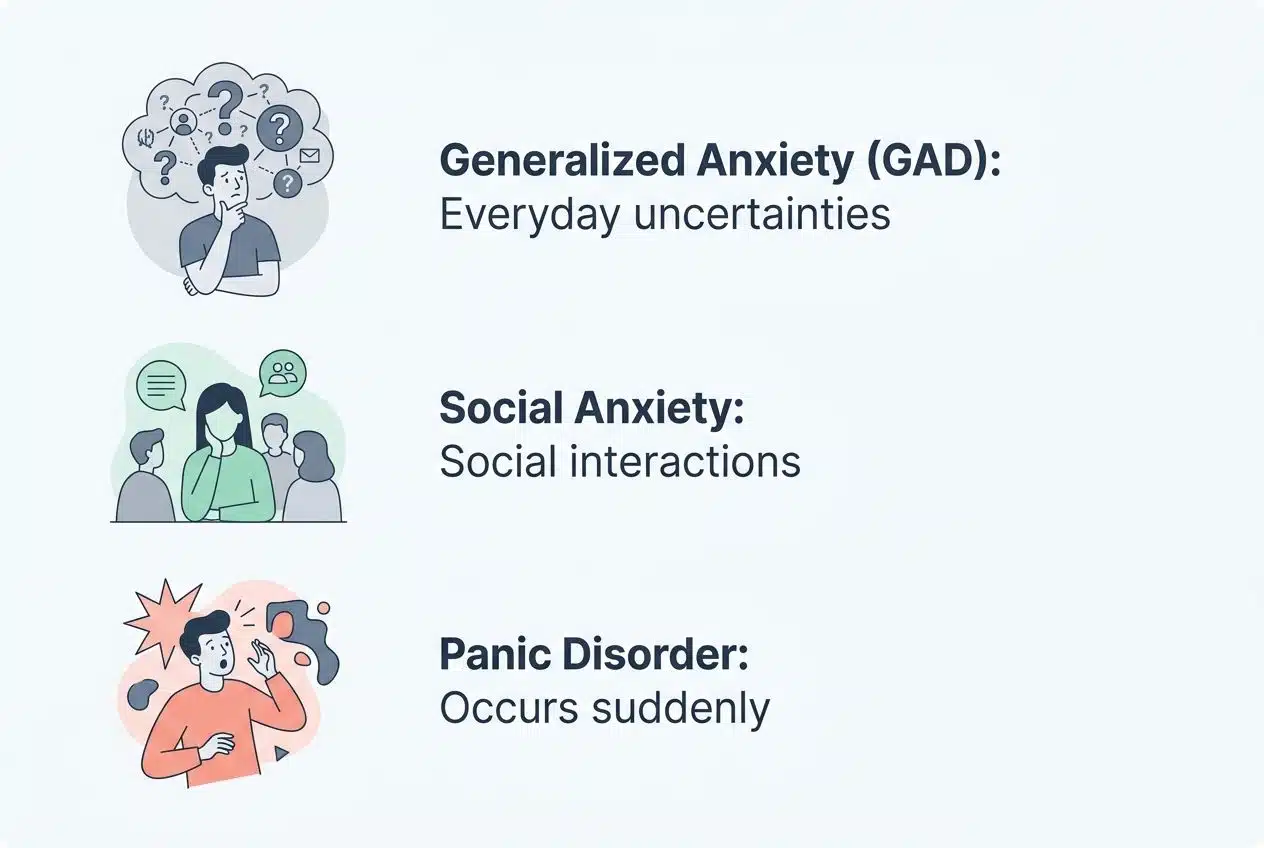
| Disorder Type | Primary Trigger | Key Characteristic |
|---|---|---|
| Generalized Anxiety (GAD) | Every day, uncertainties and future events. | Persistent, long-term worry lasting six months or more. |
| Social Anxiety | Social interactions or performance situations. | Intense fear of judgment or public embarrassment. |
| Panic Disorder | Often occurs suddenly without a clear external trigger. | Severe physical symptoms mimicking a medical emergency. |
Phobia Types and Responses
Phobias are intense, irrational fears attached to very specific triggers. For example, someone with arachnophobia might panic at the mere photo of a spider. Even though the spider poses no actual threat to their safety, their bodies react as if it does.
Your body floods with stress hormones the moment you encounter your specific phobia. This causes your heart to race and your breathing to quicken in an automatic survival response.
Agoraphobia is a complex fear of open or crowded spaces, which often traps people inside their own homes. Blood-injury phobias are unique because they frequently cause fainting spells instead of a racing heart.
Exposure therapy is a fantastic tool for these specific fears. It helps rewire your brain’s threat detection system by gradually introducing you to the trigger in a totally safe, controlled setting.
Why Anxiety Is on the Rise in Modern Life
The modern rise in anxiety stems from a complex mix of chronic hyper-vigilance, economic uncertainty, and the erosion of traditional community support. As the human nervous system struggles to keep pace with a 24-hour information cycle, the constant pressure to remain “always on” creates a state of persistent psychological strain.
The Impact of Technology and Social Media
Your phone probably buzzes every few minutes. Notifications flood in from social apps, work emails, and breaking news alerts. Technology promised to make our days easier, but it created a state of constant digital overload instead.
Your brain rarely gets a true break anymore. The pressure to stay perfectly connected and respond instantly is a huge driver of stress. In June 2024, U.S. Surgeon General Vivek Murthy actually called for warning labels on social media platforms.
He cited research showing that teens who use social media for more than three hours a day face double the risk of experiencing depression and anxiety. To protect your peace, I highly recommend setting a few hard limits:
- Turn off non-essential alerts: Silence notifications for everything except direct calls or messages from family.
- Create tech-free zones: Keep your phone out of the bedroom and away from the dinner table.
- Limit news consumption: Check the news just once in the morning and once in the evening.
- Curate your feed: Unfollow any accounts that make you feel inadequate or stressed out.
Increased Work and Life Pressures
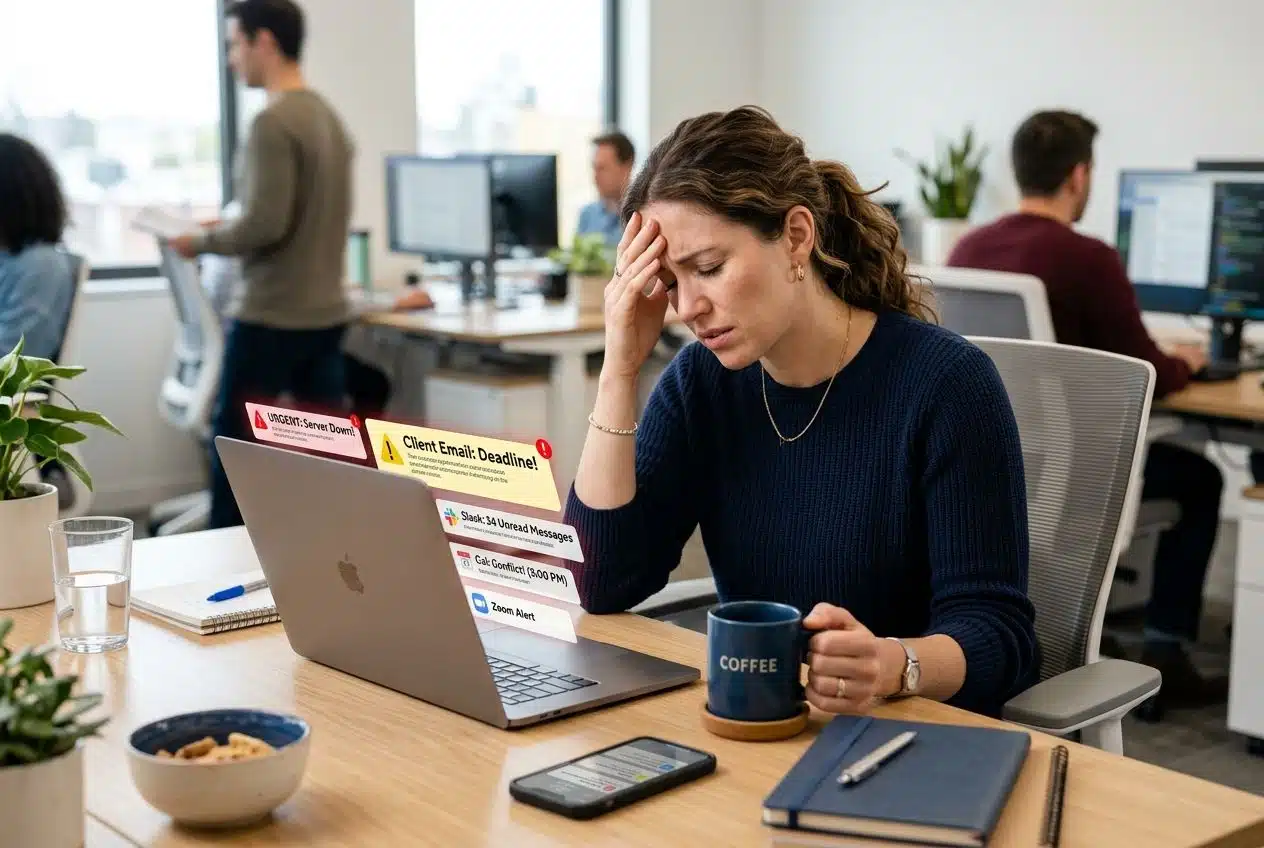
Work pressure has skyrocketed recently. Most of us juggle endless emails, tight deadlines, and expectations that never seem to stop. The line separating the office from our living room has basically disappeared.
We check our phones at dinner and answer messages at midnight. This constant grind creates a serious physical toll. A 2025 report from the American Psychological Association found that a staggering 70% of Americans experience financial anxiety.
This background stress acts like a constant hum in our lives. We worry about grocery costs, healthcare bills, and sudden expenses. Even when your finances are stable, the feeling of economic uncertainty keeps your body completely tense.
We push ourselves harder to prove our value and secure our positions. Our well-being always takes a backseat when sheer survival feels like the only priority.
Urbanization and Isolation
Modern cities pack millions of people into tight spaces, yet so many of us feel completely alone. We might live next to someone for a decade and never learn their first name.
The American Psychological Association’s 2025 “Stress in America” report highlighted a massive “crisis of connection.” They noted that societal division and severe loneliness are now major daily stressors for a huge portion of U.S. adults.
“Social connection is a public health priority because isolation and loneliness have real, measurable health impacts.” (World Health Organization)
Digital overload makes this isolation even worse. We scroll through perfectly curated feeds instead of talking face-to-face with a neighbor. Anxiety thrives in these disconnected environments because human beings require real social bonds to feel safe.
The Role of Social Expectations
Society places enormous pressure on us to meet impossible standards. We feel pushed to succeed at work, maintain flawless relationships, and hit specific life milestones by a certain age.
Social media amplifies these expectations by showing us highlight reels of everyone else’s lives. This constant comparison creates a mental battlefield. The Dove Self-Esteem Project published a 2023 study revealing that 9 out of 10 kids and teens are exposed to toxic beauty content online.
Even worse, half of those kids said it directly harms their mental health. We spend so much energy trying to fit into molds created by other people. The fear of disappointing our peers keeps us trapped in a cycle of worry. Understanding how these social expectations shape our feelings helps us recognize our triggers and manage them better.
Identifying Anxiety Symptoms
Identifying anxiety requires recognizing a blend of physical indicators, such as heart palpitations and restlessness, and cognitive patterns like catastrophic thinking. Pinpointing these symptoms early is essential for distinguishing situational stress from persistent clinical conditions.
Recognizing Emotional Signs of Anxiety
Anxiety usually shows up in your feelings long before you notice physical changes. Catching these emotional signals early gives you a massive advantage.
A 2025 Pew Research Center report found that roughly four-in-ten Americans say the daily news frequently makes them feel angry or sad. That constant emotional drain takes a toll.
Here are the most common emotional red flags to watch for:
- Constant mental chatter: Your mind races with “what ifs,” and you cannot focus on a single task.
- Sudden irritability: You snap at your family or friends over tiny issues that normally would not bother you.
- Persistent dread: You feel a vague sense of doom about the future, even when things are going perfectly fine.
- Emotional numbness: You feel totally disconnected from hobbies or activities you used to love.
Physical Indicators of Anxiety
Your mind constantly sends distress signals throughout your body. These bodily responses are not just in your head; they are very real physical reactions to stress.
When you carry too much stress, you experience something doctors call “allostatic load.” This means the wear and tear on your body from chronic stress has reached a breaking point. You might notice these physical signs during a stressful week:
- A pounding heart: Your chest feels tight, and your heart races as adrenaline floods your system.
- Digestive issues: Your gut reacts strongly to stress, causing nausea, cramps, or an upset stomach.
- Muscle tension: You unknowingly clench your jaw or hike your shoulders up to your ears.
- Shallow breathing: You struggle to get a full breath, which actually tricks your vagus nerve into increasing your panic.
- Sleep disruption: You toss and turn all night because your brain refuses to power down.
Strategies for Anxiety Management
Effective anxiety management involves a blend of cognitive reframing and physical grounding exercises to regulate the nervous system. By utilizing these proactive tools, individuals can interrupt spiraling thoughts and maintain emotional stability during high-pressure situations. This balanced approach turns reactive stress into a controlled and manageable experience.
Benefits of Cognitive Behavioral Therapy
Cognitive behavioral therapy, or CBT, is a fantastic tool for changing how your brain processes fear. A trained therapist helps you spot the negative thought loops that fuel your panic.
You learn to challenge those scary thoughts with solid facts instead of raw emotions. CBT gives you practical coping tools you can use every single day. If finding a local therapist is tough, online platforms have become incredibly popular and accessible.
In 2026, many people choose between services like BetterHelp and Talkspace. Talkspace often accepts major insurance, bringing the cost down to a standard copay. BetterHelp is incredibly popular for those paying out-of-pocket, typically costing around $260 to $400 a month.
These tools teach you how to handle intense work demands and endless digital notifications. Your brain literally learns new pathways, so your survival instincts do not control your life anymore.
Lifestyle Adjustments for Anxiety Relief
Your daily habits shape your mental health more than almost anything else. Making just a few small tweaks to your routine can dramatically improve how you feel. I have found that tracking your habits makes a huge difference. Many people now use smartwatches like Garmin or Apple Watch to monitor their sleep stages and daily stress metrics.
Try adding these simple adjustments to your week:
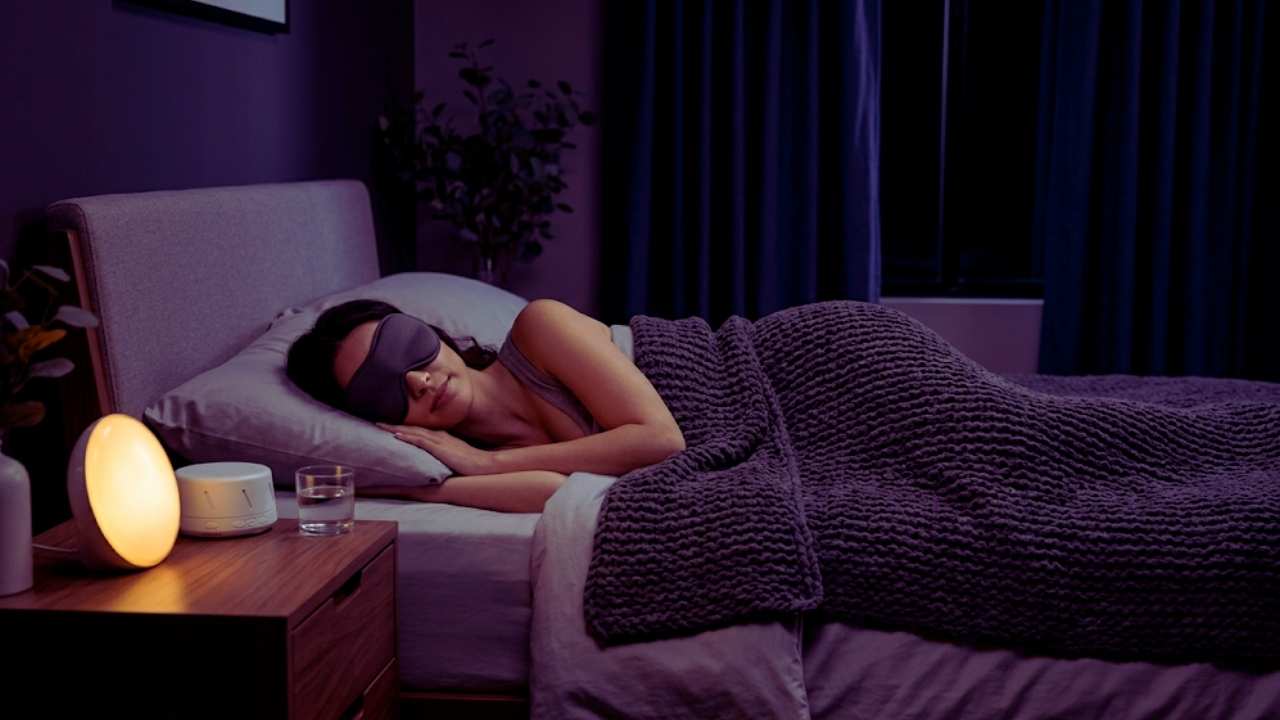
- Protect your sleep: Aim for seven to nine hours of rest in a cool, dark room to let your nervous system recover.
- Cut the caffeine: Switch to herbal tea or water after your morning cup of coffee to stop unnecessary heart palpitations.
- Prioritize real connection: Spend time face-to-face with friends to fight off the loneliness of modern city life.
- Practice deep breathing: Take five minutes to inhale slowly, which instantly calms your vagus nerve.
- Set tech boundaries: Keep your phone out of your bedroom to give your brain a true break from the endless news cycle.
Medical Interventions for Anxiety
Sometimes, lifestyle changes and therapy are simply not enough. Doctors often turn to medications when severe panic grips your daily life and stops you from functioning normally.
These options help restore the chemical balance in your brain. Let’s look at the most common choices available today:
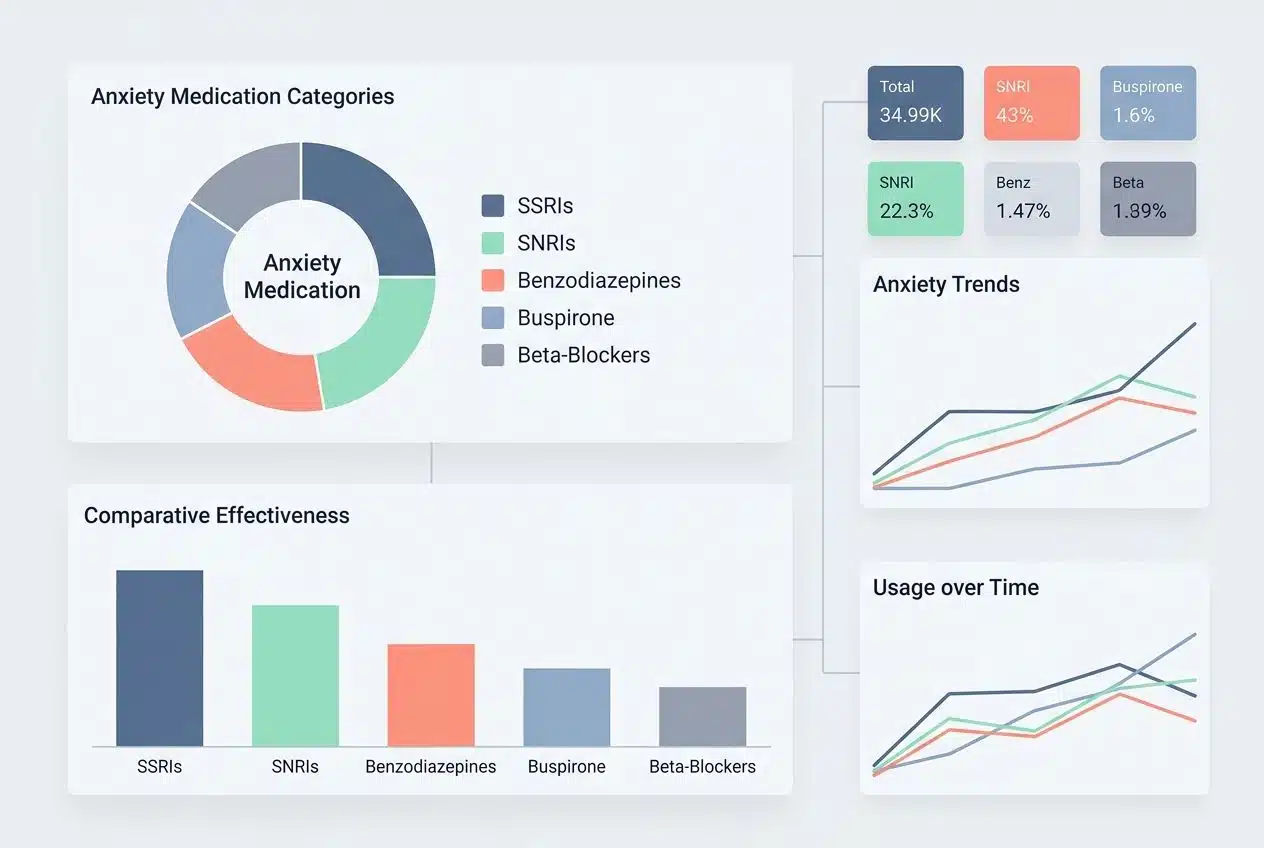
| Medication Type | How It Works | Common Examples | Key Considerations |
|---|---|---|---|
| SSRIs (Selective Serotonin Reuptake Inhibitors) | Boosts serotonin levels to regulate your mood and emotional stability. | Sertraline (Zoloft), Escitalopram (Lexapro) | Takes two to four weeks to work. Great for generalized and social anxiety. |
| SNRIs (Serotonin-Norepinephrine Reuptake Inhibitors) | Increases both serotonin and norepinephrine to improve alertness and mood. | Venlafaxine (Effexor), Duloxetine (Cymbalta) | Often prescribed for generalized worry and panic attacks. Do not stop abruptly. |
| Benzodiazepines | Calms the central nervous system rapidly by enhancing GABA. | Alprazolam (Xanax), Lorazepam (Ativan) | Used strictly for short-term relief due to high risks of dependency and drowsiness. |
| Buspirone | Affects serotonin receptors without causing the heavy sedation of other drugs. | Buspar | Better for ongoing, chronic anxiety rather than sudden panic attacks. |
| Beta-Blockers | Slows your heart rate and lowers blood pressure to stop physical symptoms. | Propranolol (Inderal) | Excellent for situational fear, like public speaking or stage fright. |
Natural Approaches to Managing Anxiety
Natural approaches focus on holistic lifestyle shifts like dietary adjustments, herbal supplements, and regular physical activity to support the nervous system. Prioritizing restorative sleep and mindfulness helps the body regulate stress hormones naturally, creating a sustainable foundation for long-term emotional balance.
Mindfulness and Meditation
Meditation is an incredibly powerful tool to quiet a racing mind. It trains your brain to focus completely on the present moment instead of fearing the future.
A great insider tip is that consistency matters far more than duration. Meditating for just five minutes every single day is much better than a single one-hour session on the weekend. Millions of Americans now use highly rated apps like Calm or Headspace to guide their daily sessions.
These guided audio tracks provide structure when your mind feels too chaotic to sit in complete silence. Regular practice actually lowers your cortisol levels. Mindfulness also helps you observe your scary thoughts without judging yourself. It strips away the power those thoughts hold over your mood.
Exercise and Healthy Habits
While meditation calms your active mind, physical movement transforms your body’s response to stress. Exercise acts as a natural pressure release valve.
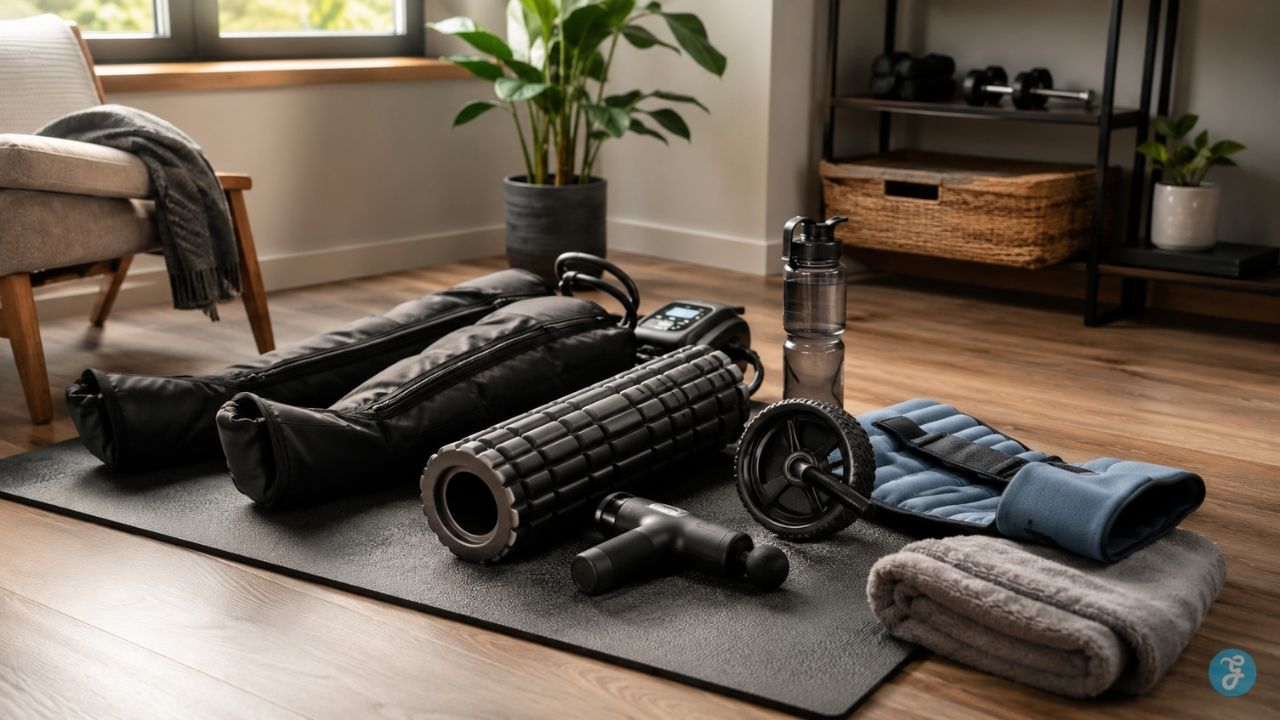
Aerobic activities like brisk walking, swimming, or cycling actively burn off excess cortisol. I suggest aiming for just thirty minutes of moderate activity most days of the week. You can easily build these healthy habits into your routine:
- Take a daily outdoor walk: Combining gentle movement with fresh air clears mental fog quickly.
- Try beginner yoga: Stretching releases the physical tension you carry in your shoulders and neck.
- Lift light weights: Strength training builds confidence and gives you a strong sense of control.
- Drink more water: Dehydration easily mimics the physical symptoms of a panic attack.
- Join a local fitness class: Exercising with others fights off feelings of loneliness and isolation.
The Bottom Line
Anxiety often feels like an unwelcome guest that refuses to leave. Our brains trigger intense stress responses to situations that are not actually dangerous. Technology floods us with endless updates, work demands pile up, and societal expectations constantly climb.
Understanding the psychology of anxiety is your best defense. You can take immediate action today through simple breathing exercises, a quick walk, or professional therapy. Medication is also a highly effective option for many people struggling with severe panic. The secret is learning to spot your emotional and physical warning signs early. Your peace of mind matters infinitely more than keeping up with impossible modern demands.
Small, consistent steps create massive changes in how you feel over time. Talk to a trusted doctor, try a five-minute meditation, or simply turn your phone off for an hour tonight. You have the power to fight back against this overwhelming pressure, and your choices truly make a difference.
Frequently Asked Questions (FAQs) on Psychology of Anxiety
1. Why does modern life make us anxious?
Modern life keeps you in constant alert mode with endless notifications and demands. The average American now checks their phone 144 times per day, which prevents their nervous system from ever truly relaxing.
Close friendships lower cortisol, your main stress hormone. People with strong social ties handle tough times better because connection calms your nervous system naturally.
3. Can technology increase feelings of anxiety?
Yes, it really can. Heavy social media use, especially over 3 hours daily, is linked to higher anxiety rates because it triggers constant social comparison and fear of missing out.
4. What are some simple ways to manage daily anxiety?
Try deep breathing when stress hits. The 4-7-8 method works well: inhale for 4 seconds, hold for 7, exhale for 8. A quick 10-minute walk outside can also reset your nervous system.