
In today’s fast-paced business world, building meaningful relationships requires more than just polished presentations and transactional emails. Thoughtful corporate gifting has emerged as a powerful tool to break through the noise and create personal, lasting connections in professional settings.
Imagine a high-quality leather notebook embossed with a corporate logo, paired with a sleek personalized pen and a box of gourmet chocolates, carefully placed on an executive’s desk.
As Michael from Giraffy said, “Choosing a meaningful gift shows that we value the relationship, not just the transaction.”
At its core, strategic gifting taps into powerful psychological triggers that shape how people perceive your brand. The right gift doesn’t just impress—it builds lasting loyalty. Let’s explore the 7 triggers that make this possible.
1) Reciprocity Principle
When we receive a thoughtful gift, we often feel a natural urge to give something back. This idea is called the reciprocity principle. In business, it helps build trust and mutual respect between companies and their partners.
A well-chosen corporate gift can set the stage for stronger working relationships. It signals that we value and remember our connections. Such gestures can lead to more open communication and smoother collaborations.
These gifts do not need to be expensive. The act of giving itself can encourage goodwill. When we show appreciation, it often motivates others to respond in kind.
This two-way exchange can help us form long-lasting business relationships. Applying the reciprocity principle creates a cycle of support and respect that benefits everyone involved.
2) Emotional Association
When we receive a thoughtful gift, we often connect that gift with the person or company who gave it. This link creates a positive emotional memory. It helps us think of them in a favorable way each time we use or see the gift.
These feelings go beyond the object itself. A meaningful corporate gift can remind us of a positive meeting, a successful project, or a helpful partnership. The act of giving signals that the relationship matters.
We tend to remember people who make us feel seen and valued. This emotional tie can set one business apart from others. It can lead to more trust and openness in future interactions.
Building these emotional connections helps turn simple business exchanges into lasting professional partnerships.
3) Endowment Effect
The endowment effect refers to how people value things more once they own them. When we receive a thoughtful corporate gift, it shifts from being just an object to becoming “ours.” This can change the way we view both the gift and the giver.
As business partners, when we are given something personal or unique, we often feel a stronger sense of attachment to it. This attachment makes us value the relationship more. It’s not just about the object, but about the thought behind it.
The endowment effect helps explain why a well-chosen gift can deepen business ties. We are more likely to remember and appreciate the person or company that provided something meaningful. This creates a feeling of partnership and loyalty.
When we use or see the gifted item, it frequently reminds us of the business connection. Over time, this sense of ownership supports ongoing trust and engagement. Choosing gifts that reflect our interests or needs helps companies create a lasting positive association.
4) Social Identity Reinforcement
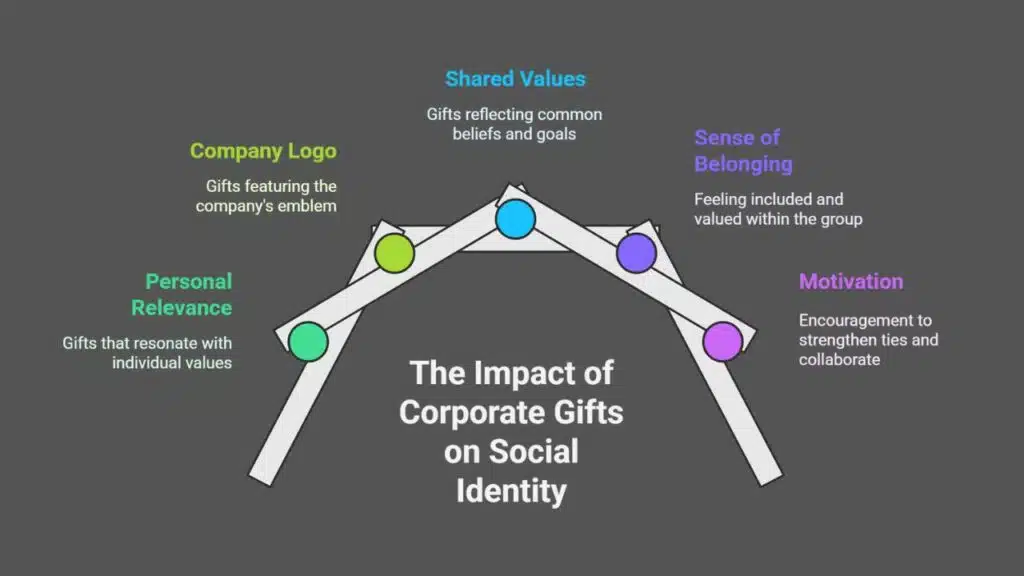
When we receive a corporate gift, especially one that feels personal or relevant, it can remind us of the groups we belong to. Gifts with our company logo or shared values can make us feel more connected to our workplace community.
This connection is important. It reinforces our identity as part of the team or business network. It signals that we are valued members of a group with shared goals.
Shared symbols or branded items work in a subtle but meaningful way. They give us a feeling of inclusion and pride. When we see or use these items, they serve as small reminders of our place within a larger organization.
This sense of belonging can be motivating. It encourages us to strengthen ties, collaborate, and work together more effectively. Social identity reinforcement, achieved through thoughtful gifting, plays a direct role in how we relate to each other at work.
5) Surprise and Novelty
When we receive something unexpected, our brains pay closer attention. Thoughtful corporate gifts can benefit from this effect. A gift that stands out or is different from the usual routine creates a memorable experience.
Novelty activates our curiosity. When someone surprises us with an original item or idea, it shows they made an effort. This sends a positive signal about their intentions and how much they value our relationship.
We tend to remember moments that break from our normal day. Receiving an unusual or unique gift sticks with us longer. It might also spark conversation, giving us a new reason to connect with each other.
Offering something fresh shows creativity. It can position us as forward-thinking partners who bring value beyond basic transactions. In business settings, this quality can set us apart and help build trust over time.
6) Trust and Goodwill Building
Giving thoughtful corporate gifts helps us establish trust with business partners and clients. When we take time to select appropriate gifts, it signals genuine care and respect. These actions show we value the relationship, not just the transaction.
Trust grows when we act consistently with our words and promises. Gifts are a way to confirm our intentions and goodwill, especially when given without expecting something in return.
Thoughtful gifting also reduces uncertainty. It reassures others that we are reliable and invested for the long term. This kind of goodwill increases the likelihood of open and honest communication.
In business, people want to work with those they trust. Small gestures, like a well-chosen gift, foster a sense of security and partnership between us and our colleagues or clients.
7) Signaling Long-Term Intent
When we give a thoughtful corporate gift, it sends a clear message that we are interested in a lasting business relationship, not just a single transaction. The gesture shows we value continuity and ongoing collaboration.
Receiving a meaningful gift helps our partners feel secure about our dedication. This can build trust and make future cooperation more likely.
Long-term intent in gifting is not just about the present moment. It’s about creating pathways for future projects, conversations, and opportunities.
Through consistent and considerate gifting, we can remind partners and clients that we are thinking beyond the immediate future. This fosters stronger professional bonds and steady, mutual growth.
Frequently Asked Questions (FAQs)
We see effective corporate gifting tied closely to key psychological triggers like reciprocity, emotional connection, and the value we place on feeling unique. Gifting helps us reinforce brand identity and strengthen business ties with intention and clarity.
How do corporate gifts influence client perception and retention?
Corporate gifts often make our clients feel noticed and valued. When we offer thoughtful gifts, we show that we respect their business and partnership. This positive impression boosts trust and can help us retain clients for longer periods.
What role do thoughtful gifts play in enhancing corporate partnerships?
Thoughtful gifts demonstrate that we pay attention to client preferences and needs. They help build a sense of mutual respect and open the door for better communication. These actions often lead to more stable and productive partnerships.
In what ways can strategic gift-giving contribute to a business’s growth?
Strategic gifting can set us apart from competitors and open doors for new deals. When we strengthen relationships through meaningful gestures, we increase our chances for referrals and repeat business. These connections help our business grow over time.
How can personalized gifting impact the dynamics of professional relationships?
Personalized gifts show that we remember important details about our clients. When we send tailored gifts, our clients are more likely to feel a genuine connection to us. This level of attention leads to stronger, more loyal relationships.
What psychological principles underpin the success of gift-giving in business settings?
Several principles support successful gifting, such as the reciprocity principle—people often feel the need to return favors. Emotional association helps us link positive feelings to our brand. Novelty and the endowment effect also make gifts seem more valuable.
How do corporate gifts align with the values and culture of an organization?
Choosing the right gift allows us to communicate our brand values and organizational culture. When our gifts reflect our commitment to quality or sustainability, for example, we convey what matters to us. This alignment resonates with clients who share similar values.