A new Netflix true crime documentary called “What Jennifer Did”? It’s all about this young Canadian woman named Jennifer Pan, who allegedly plotted to take out both her parents in a crazy murder-for-hire scheme back in 2010.
So, here’s the deal. This brutal home attack, which Jennifer and three of her friends apparently orchestrated, killed Jennifer’s mom, Bich Ha Pan, and seriously injured her dad, Huei Hann Pan. It’s pretty messed up.
Fast forward to 2014, when Jennifer was 28 years old. The court found her guilty of first-degree murder of her mom and attempted murder of her dad. According to court records obtained by TODAY, in January 2015, she received a life sentence without the possibility of parole for 25 years.
But wait, there’s more! Both charges found Jennifer’s three partners in crime—Lenford Crawford, David Mylvaganam, and her on-again, off-again boyfriend Daniel Wong—guilty. Talk about a group effort gone wrong.
Now, here’s where things get interesting. Jennifer and her crew appealed the decision, and in May 2023, the Court of Appeal for Ontario decided to order new trials for the first-degree murder convictions. Stephanie DiGiuseppe, Jennifer’s lawyer, told TODAY that Jennifer maintains her innocence and hopes for exoneration through this entire process. We’ll see how that plays out.
But here’s the thing that’s got people talking: Netflix presents “What Jennifer Did” as a true-to-life documentary, but some viewers are calling BS on the facts. Specifically, they believe that AI manipulated a couple of supposedly archival images shown in the movie.
So, if you want to know more about the controversy surrounding the alleged use of digitally altered images in “What Jennifer Did,” keep reading. It’s a wild ride, and who knows what’s really true in this crazy story?
Why does “What Jennifer Did” have an AI Controversy?
The “What Jennifer Did” controversy has gained significant attention online. Basically, after the documentary dropped on Netflix on April 10, some eagle-eyed viewers started raising some serious questions about a couple of images shown in the film.
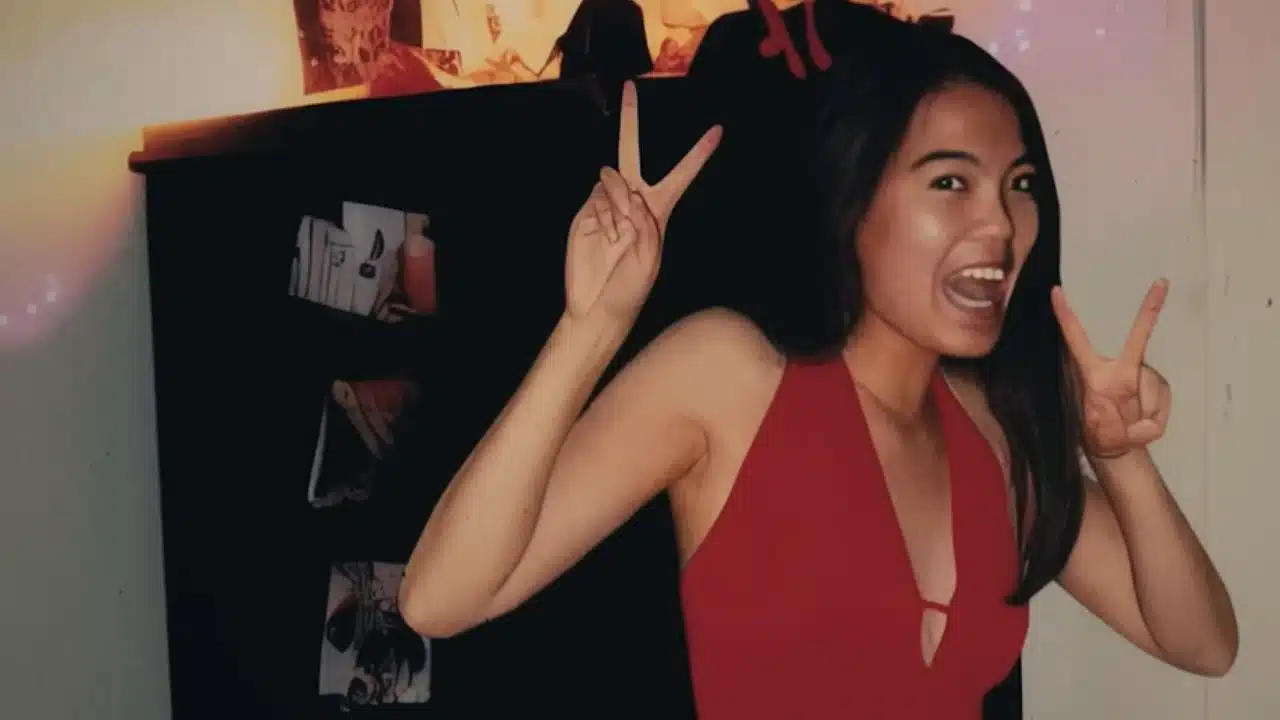
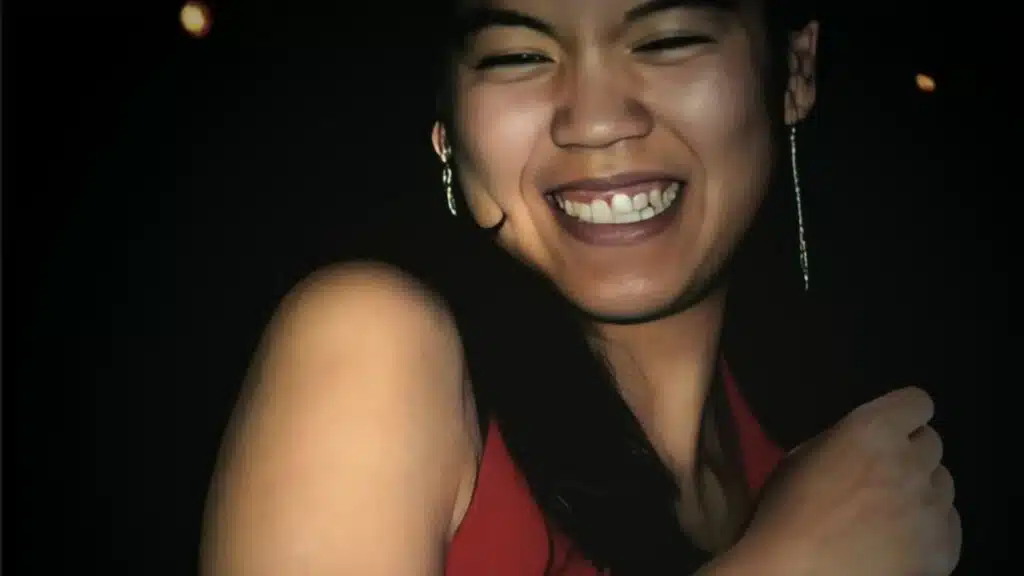
So, about 28 minutes into the documentary, there are these two photos of Jennifer Pan that pop up on the screen. In one of them, she’s flashing double peace signs and grinning like crazy. In the other one, it’s a close-up of her smiling face. The film’s presentation presents these pictures as authentic, vintage snapshots of Jennifer from the past.
These photos show up while one of Jennifer’s old school friends is talking about how Jennifer used to be “bubbly, happy, confident, and very genuine.” And that close-up smiley photo? It’s even on Netflix’s promo poster for the film.
But here’s where things get juicy. A few days after the documentary came out, this writer named Victor Tangermann from the tech publication Futurism came out and said that these two photos of Jennifer have all the classic signs of being AI-generated.
In his article, Tangermann points out how Jennifer’s hands and fingers look all weird and messed up in the peace sign photo. And apparently, AI programs are known for totally sucking at creating realistic-looking human hands.
Tangermann also points out some other sketchy details in the background of that peace sign picture, such as this box of toiletries that looks like it’s defying the laws of physics on the shelf behind Jennifer.
And in the close-up smiley photo? Futurism points out that one of Jennifer’s front teeth looks freakishly long. Plus, the shape of her teeth in that photo doesn’t match the straight teeth in the peace sign picture.
As soon as people started accusing Netflix of using digitally altered images, the whole thing went viral. Now, tons of people are dragging Netflix and the filmmakers for supposedly sneaking AI-generated pictures into a documentary.
It’s a wild situation, and who knows what the truth really is? But one thing’s for sure: people are definitely talking about “What Jennifer Did” now, even if it’s not for the reasons Netflix might have hoped.
Why are people so upset about the supposed manipulation of images?
People are seriously pissed off about the idea that Netflix might have used AI-generated images in this documentary. They’re saying it totally ruins the whole thing’s credibility and makes them question the trustworthiness of true crime documents in general.
On social media, folks are straight up saying they don’t trust Netflix documentaries at all anymore after hearing about the AI stuff in #WhatJenniferDid. One person even said they’re not going to watch it because it “instantly compromises” their trust in the story.
Others are calling out Netflix for not being upfront about using AI art in their promos or content. They argue, “If you must use AI, at least employ a real artist rather than manipulating people with fake content.”
Some people are pointing out how messed up it is to use AI images in a true-crime documentary specifically. They’re asking, “If we can’t trust Jennifer, the cops, or the person making the documentary, then what’s the point?”
One user made a really good point about how using manipulated images goes against the whole purpose of documentaries, which is to accurately document the truth. They said that finding and using real archival photos and footage is one of the most crucial and challenging parts of making a documentary, so creating or altering images with AI is basically creating a false historical record.
Another person brought up the fact that Jennifer Pan is still alive and waiting for a new trial. They criticized Netflix for disseminating false information that could sway public opinion in an ongoing court case, arguing that this underscores the need for strict regulation of AI images.
Just to give you the full picture, Jennifer and her three alleged accomplices are currently waiting for a new trial in Canada for their first-degree murder convictions. But her attempted murder conviction still stands, according to the CBC.
Jennifer’s lawyer, Stephanie DiGiuseppe, says her client still maintains her innocence, according to TODAY, that the Netflix documentary only shows one side of the story—basically the police’s version—and that Jennifer is hoping to have a chance to respond to that narrative at her upcoming trial.
People are pretty heated about this whole AI image controversy surrounding “What Jennifer Did.” It’s raising a lot of questions about the ethics of using AI in documentaries and the potential consequences of spreading manipulated information, especially when it comes to ongoing legal cases.
Have Netflix or the creators of the film responded to the controversy?
The latest scoop on this whole “What Jennifer Did” drama. Jeremy Grimaldi, the big-shot executive producer of the film, is straight up denying that they used any AI manipulation on those photos of Jennifer Pan.
In an interview with the Toronto Star earlier this month, Grimaldi was like, “Look, any filmmaker is going to use different tools, like Photoshop, in their movies. But the photos of Jennifer? Those are 100% real pictures of her. The foreground is exactly hers. We just anonymized the background to protect our source.”
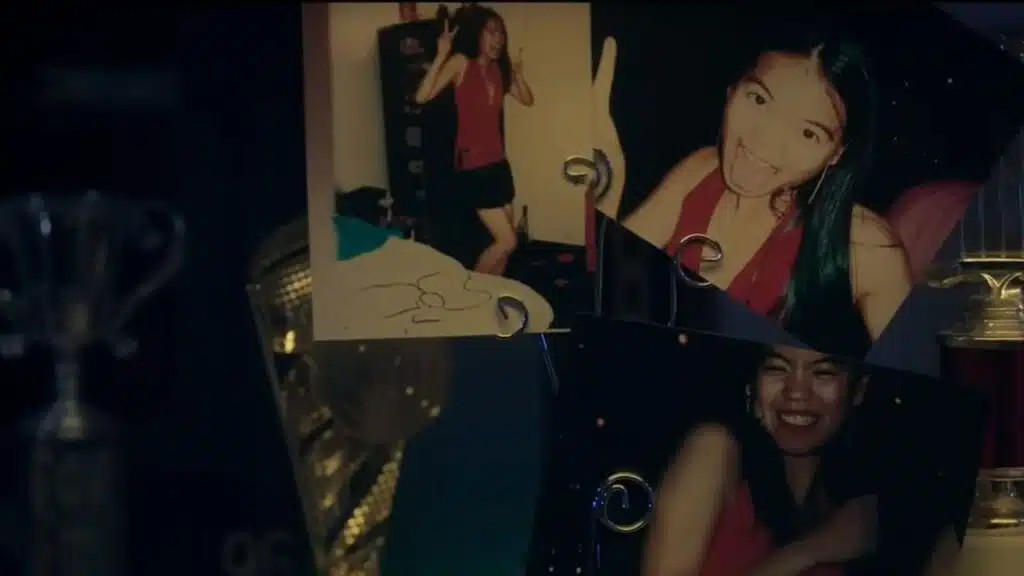
He’s basically saying they might have tweaked the background a bit, but the actual images of Jennifer are legit.
Netflix has been totally silent on this whole controversy. They’re just like, “No comment, folks.” And the director, Jenny Popplewell? She’s not touching this drama with a ten-foot pole either. She hasn’t said a peep in response to all these accusations about AI-generated images in her documentary.
It’s kind of a classic move, right? The bigwigs at Netflix and the director are just laying low and hoping this whole thing blows over. But with all the buzz on social media and people getting fired up about the alleged use of AI, who knows how long they can keep quiet?
I guess we’ll just have to wait and see if anyone from Netflix or the “What Jennifer Did” team decides to speak up and address these concerns head-on. Until then, the controversy keeps swirling, and people are still debating whether those photos of Jennifer are the real deal or some kind of AI trickery.
The information is taken from Today and Independent