
In a significant step toward transforming how users find content on its platform, Netflix has begun testing a new artificial intelligence-powered search feature developed in collaboration with OpenAI, the creators of ChatGPT. According to Bloomberg, this innovative tool is currently being rolled out to a select group of users in Australia and New Zealand, two countries often chosen by the streaming giant as early test markets for experimental features.
The new search function aims to go beyond traditional keyword searches such as movie titles, actor names, or genres. Instead, it introduces a more conversational and intuitive way to explore Netflix’s vast content library, using natural language and emotional context.
Natural Language Processing Redefines Search Behavior
The AI feature utilizes natural language processing (NLP) powered by OpenAI’s advanced generative models, enabling users to search based on moods, themes, and feelings rather than specific show titles. For instance, users could type in queries like “I want to watch something emotional,” “show me a dark comedy with a twist ending,” or “I feel like watching something uplifting,” and the AI would interpret the sentiment to deliver tailored suggestions.
This shift marks a departure from conventional search design. Instead of relying on pre-labeled categories, Netflix’s AI interprets user intent in real time—providing personalized recommendations based on subtle emotional cues or abstract preferences. This is expected to significantly reduce the time users spend browsing or scrolling aimlessly through endless options.
Early Testing in Limited Regions with a Focus on iOS Devices
While Netflix has a history of launching new features on Android devices first, this new AI search feature breaks that pattern. It is currently available exclusively on iOS platforms in the test markets of Australia and New Zealand. The company has not provided a timeline for an Android release or shared whether the feature will be available on smart TVs, web browsers, or gaming consoles in future updates.
As reported by Bloomberg, Netflix intends to expand the testing phase to additional countries, including the United States, if the initial results are promising and feedback from early users supports broader deployment.
AI Already Plays a Central Role at Netflix—This Goes Even Further
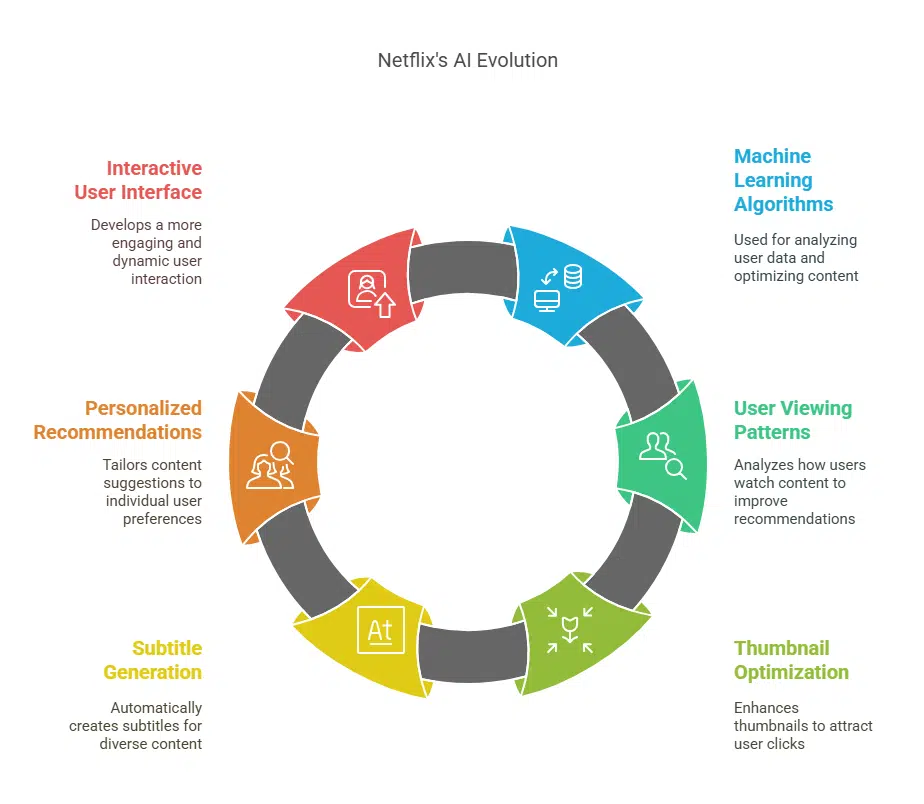
While this new tool may feel revolutionary, Netflix is no stranger to artificial intelligence. For years, the company has used machine learning algorithms to analyze user viewing patterns, optimize thumbnail images, auto-generate subtitles, and provide recommendations tailored to individual tastes. The personalization engine, in fact, is widely regarded as a key driver behind Netflix’s user retention and engagement strategy.
However, this latest experiment with OpenAI’s large language models introduces a more dynamic and interactive approach to user interaction. It brings the intelligence of AI closer to human-like understanding—allowing users to express themselves in ways that feel more natural, less constrained, and more exploratory.
According to industry experts, this marks the beginning of a next-generation user interface for entertainment platforms, where traditional filters and rigid menus are replaced by fluid, AI-powered experiences.
Implications for the Streaming Industry
The integration of generative AI into consumer-facing search tools could set a new benchmark for streaming platforms. As Netflix moves ahead with this initiative, other major players such as Amazon Prime Video, Disney+, Apple TV+, and HBO Max may follow suit by integrating their own conversational AI tools. These advancements aim to tackle one of the biggest pain points in modern streaming: content overload and decision fatigue.
As the number of shows and films continues to balloon across platforms, users increasingly struggle to find content that resonates with their mood or current preference. AI-powered discovery, especially using natural language prompts, could be the ultimate solution to surface meaningful, personalized content amid the noise.
Moreover, this development hints at a broader industry trend: the merging of generative AI with personalized content ecosystems, not just for search and discovery but potentially for content creation, dubbing, summarization, and even virtual companions or AI-curated playlists in the future.
What Netflix Users Should Expect Next
For now, the feature is in early testing stages, and only a limited group of iOS users in Australia and New Zealand can access it. Users in these regions are encouraged to explore the tool by typing casual, descriptive phrases, such as “I need a thrilling crime series with a strong female lead,” or “funny shows with friendship themes,” and observe how the AI interprets those requests.
Netflix is actively collecting data and feedback during this phase to assess the accuracy, relevance, and overall utility of the AI search tool. If user response is favorable, it’s likely that Netflix will expand the feature to additional English-speaking regions and eventually across its global subscriber base.
The success of this rollout could redefine the way hundreds of millions of Netflix users interact with the app, making the content discovery process less frustrating and more emotionally resonant.
The Future: More Personalized, Conversational, and Intelligent Streaming
Netflix’s adoption of OpenAI-powered search is a clear signal that the future of streaming lies in greater personalization and smarter user experiences. By allowing users to “talk” to their streaming app the way they’d speak to a friend, Netflix is not only solving a usability problem but also creating a more human connection with technology.
If these AI tools continue to evolve, users may soon experience entire platforms that understand their feelings, habits, and preferences in real time, changing the paradigm of how we engage with entertainment.