

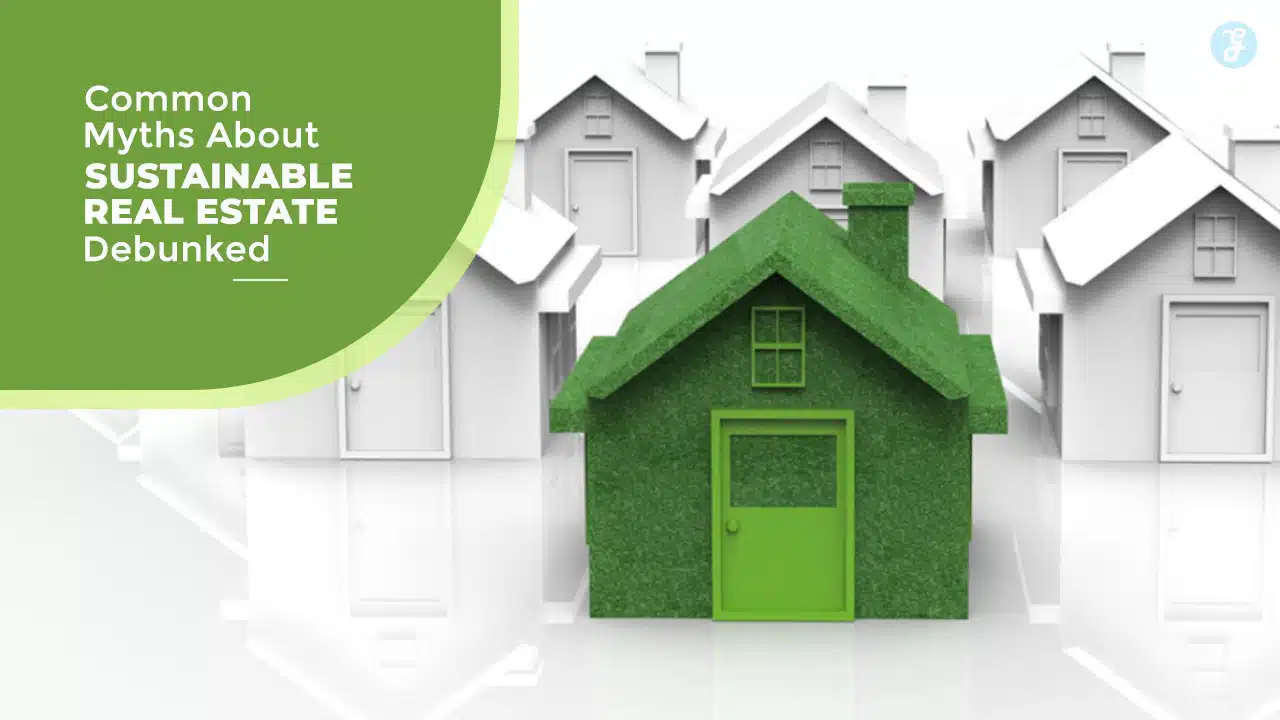
Sustainable real estate is more than just a trend; it’s a crucial step toward creating a healthier planet and improving the quality of life for property owners and occupants. With the growing awareness of climate change and environmental sustainability, more people are exploring eco-friendly housing options. From reduced energy consumption to healthier living environments, sustainable homes offer numerous advantages that benefit both individuals and communities.
However, myths about sustainable real estate persist, often fueled by misinformation and a lack of understanding. These misconceptions can discourage potential buyers and investors from exploring eco-friendly properties, even when they might align with their financial and lifestyle goals.
In this article, we aim to debunk the most common myths surrounding sustainable real estate. By providing factual information and practical insights, we hope to inspire readers to embrace the possibilities of eco-friendly living while making informed decisions about their property investments.
Debunking Myths About Sustainable Real Estate
Below, we dive into some of the most common myths about sustainable real estate, addressing misconceptions and highlighting the facts.
Myth #1: Sustainable Real Estate Is Always More Expensive
Reality: While sustainable homes may have higher upfront costs, their long-term savings in energy, water, and maintenance make them a financially sound investment.
Pros:
- Energy Savings: Eco-friendly homes use technologies like solar panels and energy-efficient appliances, reducing utility bills by up to 50%.
- Government Incentives: Tax rebates, grants, and subsidies can offset the initial investment.
- Higher Resale Value: Sustainable homes often command higher prices in the market.
Cons:
- Initial Costs: Advanced technologies and materials can make the purchase price seem higher.
- Limited Awareness: Many buyers are unaware of available financial incentives, which can deter investment.
| Myth | Fact |
|---|---|
| Sustainable homes have high upfront costs. | Long-term savings in energy and maintenance reduce overall expenses. |
| High costs deter average buyers. | Financial incentives make green homes accessible to a broader audience. |
Myth #2: Green Buildings Are Only for the Wealthy
Reality: Sustainable real estate is becoming more affordable as demand increases and government programs support eco-friendly living.
Pros:
- Affordable Options: Modular and prefab green homes offer cost-effective alternatives.
- Community Projects: Many sustainable housing initiatives cater to middle- and low-income families.
- Diverse Market: Green homes now come in a range of prices to suit different budgets.
Cons:
- Perception Problem: Green homes are still seen as a luxury by many.
- Uneven Availability: Affordable sustainable housing may be limited in certain regions.
| Myth | Fact |
|---|---|
| Green buildings are a luxury. | Affordable options and community housing projects make them accessible. |
| Only the wealthy can afford eco-homes. | Incentives and prefab designs cater to various budgets. |
Myth #3: Sustainable Homes Are Hard to Maintain
Reality: Sustainable homes are designed to reduce maintenance through advanced materials and smart systems.
Pros:
- Durability: Materials like bamboo, recycled steel, and composite wood are both eco-friendly and long-lasting.
- Low-Maintenance Systems: Smart home technologies monitor and optimize energy and water usage.
- Educational Resources: Many developers provide guides to help homeowners maintain sustainable features.
Cons:
- Learning Curve: Homeowners may need to learn new systems, such as rainwater harvesting or solar panel upkeep.
- Technology Dependence: Over-reliance on smart systems can pose challenges if the technology fails.
| Myth | Fact |
|---|---|
| Sustainable homes need constant maintenance. | Innovative materials and designs simplify upkeep. |
| Eco-friendly systems are complicated. | User-friendly technologies make them accessible to everyone. |
Myth #4: Eco-Friendly Buildings Aren’t as Durable
Reality: Sustainable construction materials often outperform traditional ones in strength and longevity.
Pros:
- High Durability: Recycled steel, cross-laminated timber, and insulated concrete forms are designed to last.
- Resilient Designs: Sustainable homes often withstand extreme weather better than conventional buildings.
- Compliance with Standards: Green buildings meet or exceed industry safety standards.
Cons:
- Initial Costs: Premium materials can increase upfront construction expenses.
- Misconceptions: Lack of awareness about material quality fuels the myth of fragility.
| Myth | Fact |
|---|---|
| Sustainable homes are weak. | Advanced materials ensure high strength and longevity. |
| Eco-friendly equals fragile. | Stringent standards guarantee structural integrity. |
Myth #5: Sustainable Real Estate Doesn’t Impact Climate Change
Reality: Green buildings significantly contribute to reducing greenhouse gas emissions and resource conservation.
Pros:
- Reduced Carbon Footprint: Energy-efficient designs lower emissions by up to 30%.
- Water Conservation: Rainwater harvesting and greywater recycling minimize water waste.
- Eco-Friendly Practices: Use of renewable energy sources promotes sustainability.
Cons:
- Implementation Costs: Installing systems like solar panels and green roofs requires an initial investment.
- Scalability: Widespread adoption is needed for a greater impact.
| Myth | Fact |
|---|---|
| Green homes don’t make a real difference. | Reduced energy consumption helps fight climate change. |
| Individual efforts don’t matter. | Collectively, sustainable homes drive significant impact. |
Myth #6: Green Homes Lack Modern Design
Reality: Sustainable architecture blends modern aesthetics with functionality, offering sleek, stylish homes.
Pros:
- Contemporary Appeal: Sustainable homes are designed to meet modern architectural trends.
- Customizable Features: Builders offer tailored designs to suit individual preferences.
- Enhanced Interiors: Natural lighting, open layouts, and energy-efficient appliances enhance the living experience.
Cons:
- Limited Familiarity: Some buyers associate green homes with outdated styles.
- Availability: High-design green homes may not be accessible in all regions.
| Myth | Fact |
|---|---|
| Green homes are unattractive. | Modern designs integrate style and sustainability. |
| Eco-friendly means outdated. | Advanced designs create elegant and trendy living spaces. |
Myth #7: It’s Difficult to Find Sustainable Real Estate Options
Reality: With growing demand, sustainable homes are becoming widely available, supported by online platforms and specialized agents.
Pros:
- Online Tools: Real estate platforms like Zillow and Realtor.com offer filters for energy-efficient properties.
- Expert Guidance: Many agents now specialize in sustainable real estate.
- Rising Inventory: Developers are increasingly incorporating eco-friendly designs into projects.
Cons:
- Market Variation: Availability of sustainable properties may vary by location.
- Higher Demand: Popularity of green homes can lead to competition in the market.
| Myth | Fact |
|---|---|
| Sustainable homes are rare. | Growing availability and online tools simplify the search. |
| Green properties are hard to find. | Eco-friendly homes are featured on major real estate platforms. |
Myth #8: Sustainable Real Estate Has No Resale Value
Reality: Demand for eco-friendly homes is increasing, boosting their resale value and marketability.
Pros:
- Market Appeal: Buyers are willing to pay a premium for sustainable features like solar panels and efficient HVAC systems.
- Fast Sales: Green homes often sell faster than traditional properties.
- Investment Return: Higher resale values make sustainable homes a sound investment.
Cons:
- Market Knowledge: Buyers may need to educate themselves about the value of sustainable features.
- Initial Hesitation: Some potential buyers may still prioritize lower upfront costs over long-term savings.
| Myth | Fact |
|---|---|
| Green homes have low resale value. | High demand boosts resale prices for sustainable properties. |
Takeaway
Sustainable real estate is an innovative solution to some of the most pressing challenges of our time, from reducing environmental impact to improving energy efficiency. Addressing myths about sustainable real estate reveals that these properties are not only environmentally responsible but also practical, durable, and financially rewarding.
By investing in sustainable homes, you contribute to a healthier planet while enjoying long-term cost savings and improved living conditions. Moreover, the rising demand for eco-friendly properties ensures strong market value and future growth potential.
It’s time to look past the misconceptions and embrace the realities of sustainable real estate. Whether you’re a buyer, investor, or simply curious about green living, exploring sustainable options could be your next best decision.
Call-to-Action: Take the first step toward sustainable living. Consult green-certified agents or browse eco-friendly property listings today and make a positive impact on both your lifestyle and the environment.






















