

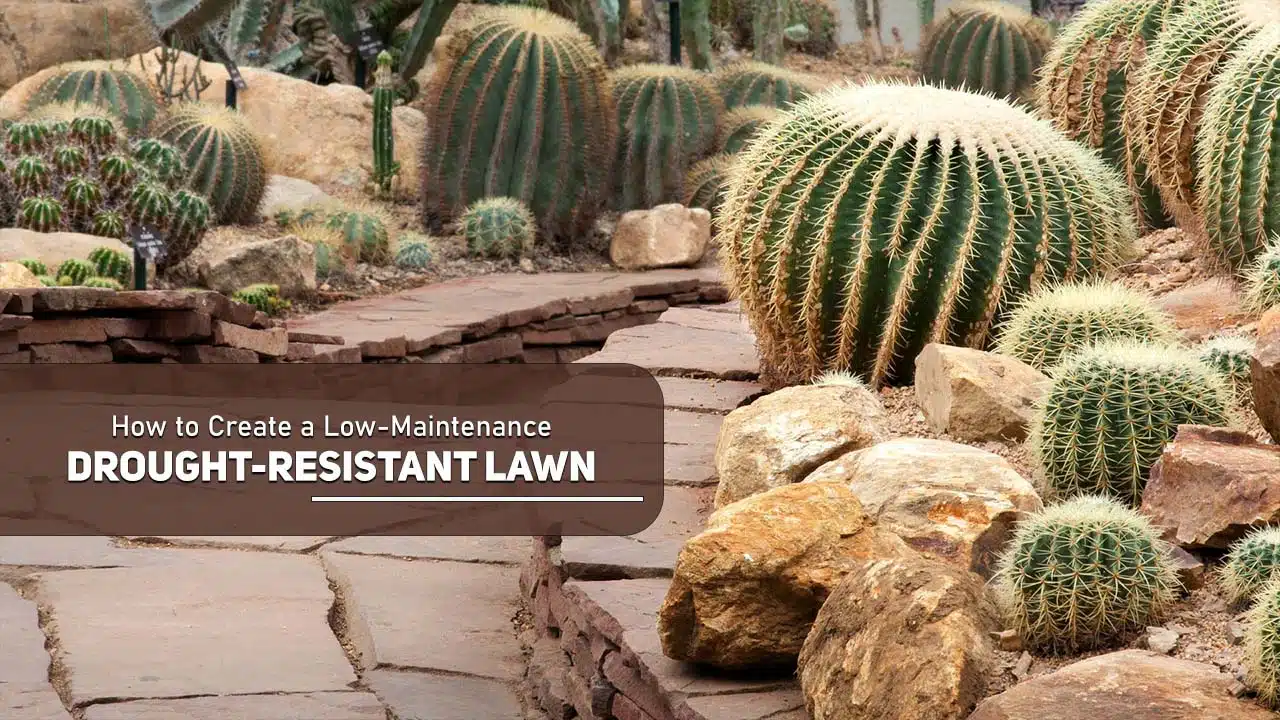
Creating a low-maintenance, drought-resistant lawn can save you time, money, and water. Many homeowners are looking for ways to reduce yard work while having an attractive outdoor space. A drought-tolerant landscape is an intelligent solution that looks good and helps the environment.
You can make your lawn drought-resistant by choosing the right plants and using clever watering methods. Picking plants that don’t need much water is critical.
Adding mulch and improving your soil also helps keep moisture in the ground. With some simple changes, you can have a beautiful yard that needs less care and water.
Understanding the Basics of Drought-Resistant Lawns
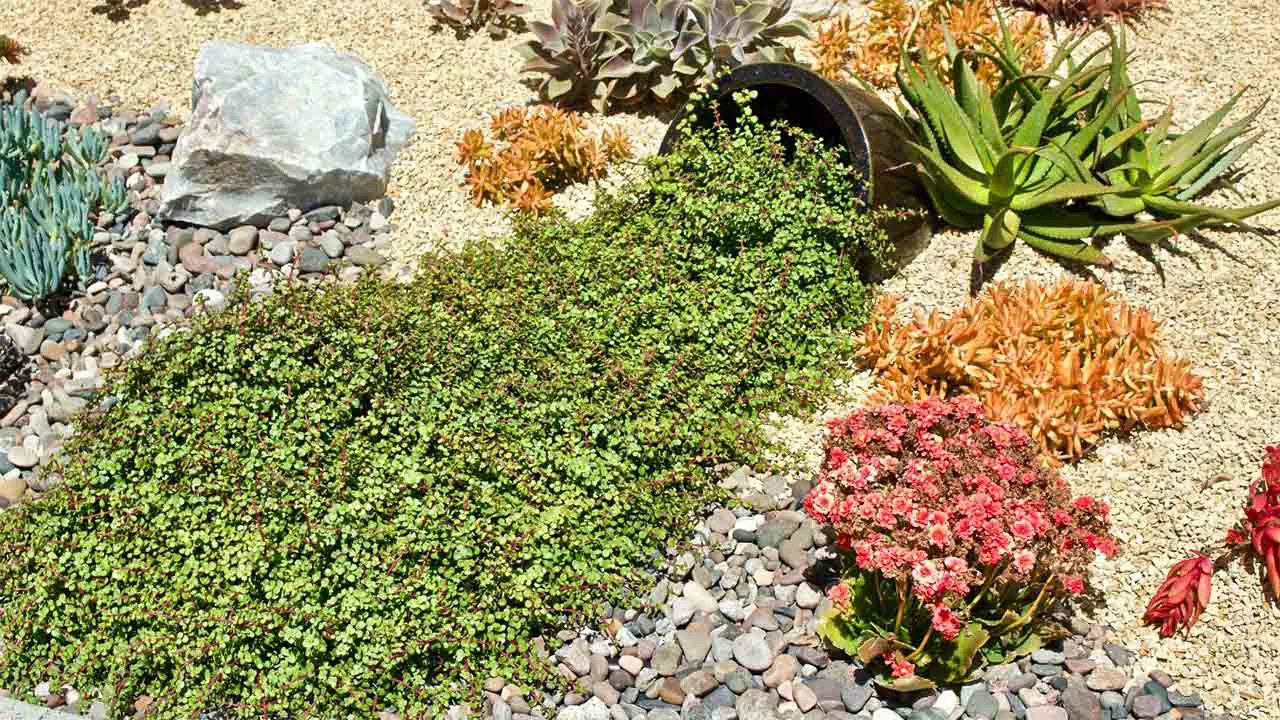
Drought-resistant lawns help you save water and keep your yard green during dry spells. These lawns need less care and can handle harsh conditions.
What Makes a Lawn Drought-Resistant?
Drought-resistant lawns have unique features that help them survive with less water. The grass types used have deep roots reaching water far below the surface.
Some good grass choices are:
- Bermuda grass
- Buffalo grass
- Zoysia grass
These grasses can handle hot, dry weather better than others. They stay green longer without water and bounce back quickly when rain returns.
Healthy soil is also crucial. Adding compost or manure improves the soil’s ability to hold water. This means your lawn needs less watering to stay green.
Proper mowing helps, too. Keep your grass a bit taller, about 2-4 inches high. Taller grass shades the soil and keeps moisture from evaporating.
Benefits of a Low-Maintenance Lawn
A low-maintenance lawn saves you time and money. You’ll spend less on water bills and lawn care products. You won’t need to mow as often, giving you more free time.
These lawns are better for the environment. They need fewer chemicals and less water, which is good for local ecosystems.
Your lawn will look good even during water restrictions. While other yards turn brown, yours stays green.
Low-maintenance lawns are more challenging. They can handle foot traffic and recover quickly from stress. This means a nicer-looking yard with less work from you.
Selecting Suitable Grass Varieties
Choosing the suitable grass types can make a big difference in how easy your lawn is to care for. Some grasses handle dry weather much better than others.
Best Grass Types for Drought Conditions
Zoysia grass is a top choice for low-water lawns. It grows deep roots that help it stay green even when dry. Zoysia needs less water and care than many other grasses.
Bermuda grass is another good pick for warm, dry areas. It spreads quickly and can heal itself if parts get damaged. Bermuda grass stays green with little water once it’s established.
Bahiagrass is tough and can grow in poor soil. It doesn’t need much water or fertilizer to look good. This grass is often used along highways because it’s so hardy.
Buffalo grass is native to North America and very drought-resistant. It only grows 4-8 inches tall, so you won’t need to mow it often. Buffalo grass turns brown during prolonged dry spells but greens up fast when rain returns.
Grass Varieties to Avoid
Kentucky bluegrass needs lots of water to stay green. It can quickly turn brown and die without frequent watering in dry areas. This grass is better for more relaxed, wetter climates.
Tall fescue has some drought tolerance but needs more water than low-maintenance grasses. It may not be the best choice if you live somewhere very hot and dry.
Ryegrass is another thirsty grass type. It grows fast and needs frequent mowing. Ryegrass often dies in hot, dry weather unless you water it a lot.
St. Augustine grass looks nice but needs plenty of water and care. It’s prone to disease and pests when stressed by drought. This grass is best for areas with regular rainfall or irrigation.
Soil Preparation and Conditioning
Good soil is the foundation of a low-maintenance, drought-resistant lawn. Proper preparation and conditioning can significantly affect how well your grass grows and thrives.
Testing and Amending Soil
Get your soil tested to know what it needs. You can buy a home test kit or send a sample to a lab. The test will tell you the pH level and nutrient content.
Most grasses are slightly acidic soil with a pH between 6.0 and 7.0. If your soil is too acidic, add lime. If it’s too alkaline, add sulfur.
Based on test results, add nutrients your soil lacks. Common amendments include:
- Nitrogen for leaf growth
- Phosphorus for root development
- Potassium for overall health
Mix in organic matter like compost. This improves soil structure and helps retain water.
Importance of Proper Drainage
Good drainage is vital for a healthy lawn. Poor drainage leads to waterlogged soil, weak roots, and disease.
To improve drainage:
- Aerate your lawn yearly
- Add sand to heavy clay soils
- Grade the lawn away from buildings
- Install drain tiles for very wet areas
A slight slope helps water flow away. Aim for a 1-2% grade. This means a 1-2 foot drop for every 100 feet of distance.
Fill in low spots where water pools. Use a mix of soil and sand to level these areas.
1. Choose Native Grasses
Picking a suitable grass for your lawn is critical. Native grasses are your best bet. They’re used to your area’s climate and soil.
Native grasses need less water and care. They’ve adapted to local conditions over time. This means they can handle dry spells better than other types.
Look for grasses that grow naturally in your region. Ask at a local garden center or extension office for advice. They can tell you which grasses will work best in your yard.
Some good choices might be Bermuda grass for warm areas or fescue for more excellent spots. Zoysia is another option that does well in many places.
These grasses don’t just save water. They also need less mowing and fertilizer. This saves you time and money on lawn care.
Native grasses also help local wildlife. They provide food and shelter for birds and insects. By choosing them, you’re helping your local ecosystem.
2. Install Efficient Irrigation Systems
Watering your lawn efficiently is critical to saving time and resources. Drip irrigation systems are an excellent choice for low-maintenance yards. They deliver water directly to plant roots, reducing waste.
You can set up a drip system with tubing and emitters. Place the tubing near your plants and connect it to your water source. The emitters slowly release water, keeping your plants hydrated.
Soaker hoses are another excellent option. These porous hoses seep water along their length. You can lay them out in garden beds or around trees and shrubs.
For larger areas, consider installing underground sprinklers. These systems can be programmed to water at specific times. You can adjust the settings based on weather conditions and plant needs.
Smart irrigation controllers take efficiency a step further. They use weather data to adjust watering schedules automatically. This means your lawn gets just the right amount of water, even as conditions change.
Remember to check your irrigation system regularly. Fix any leaks or clogs promptly. This will help you maintain a healthy lawn with minimal effort.
3. Use Mulch to Retain Moisture
Mulch is a secret weapon for low-maintenance lawns. It helps keep moisture in the soil so you won’t need water as often.
Spread a 2-3 inch layer of mulch around your plants and trees. Be careful not to pile it against stems or trunks. Leave a small gap to prevent rot.
Organic mulches like wood chips or bark work well. They break down over time, adding nutrients to the soil. This feeds your plants naturally.
Mulch also stops weeds from growing. Fewer weeds means less work for you. Plus, your lawn will look neater with a layer of mulch in place.
In hot weather, mulch keeps soil cooler. This protects plant roots from heat stress. Your lawn will stay healthier with less effort from you.
Remember to top up your mulch every year. As it breaks down, you’ll need to add more to keep the benefits going. It’s an easy yearly task that pays off big time.
4. Incorporate Drought-Tolerant Ground Covers
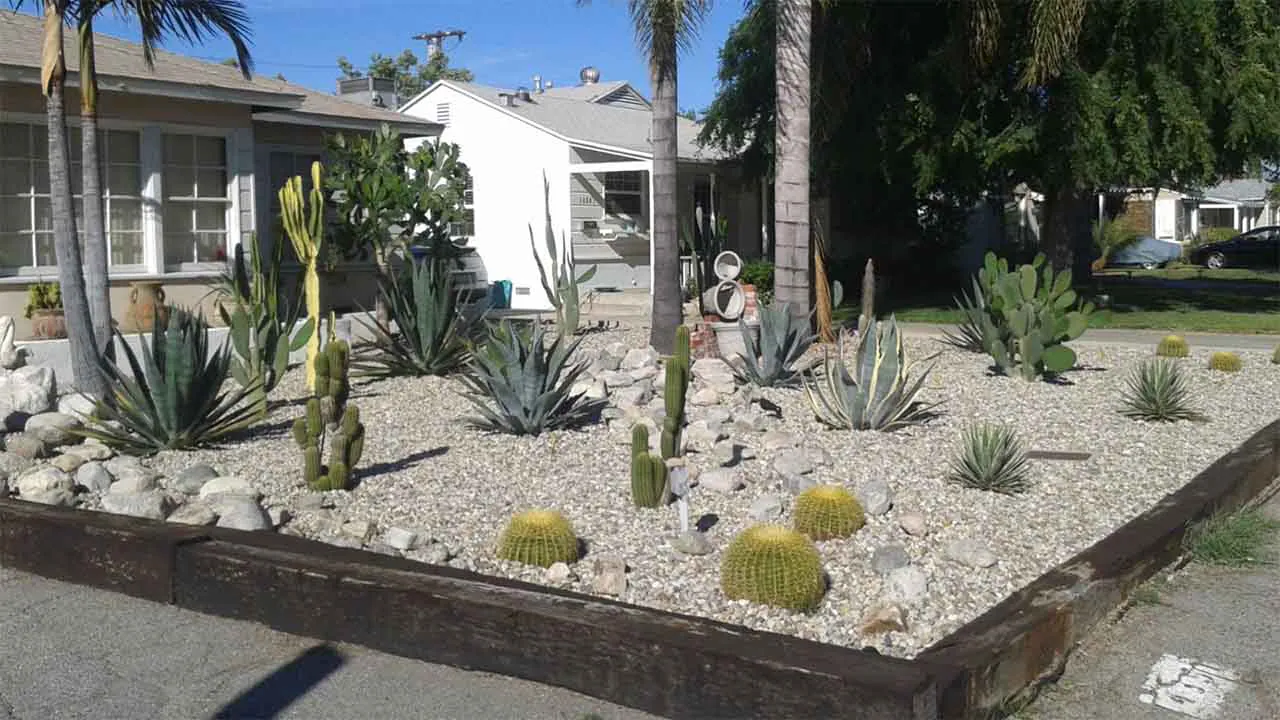
Drought-tolerant ground covers are a smart choice for low-maintenance lawns. These plants spread quickly and need little water once established.
Stonecrop is an excellent option. It’s a succulent that can handle heat and dry conditions. Many stone crops bloom in early summer, adding color to your yard.
Rosemary is another good pick. The creeping form makes an attractive ground cover. It spreads low and wide, perfect for spilling over walls or garden edges.
Soapwort is tough and can grow in cold climates, too. It flowers for up to a month, bringing beauty to your garden. Be careful, though – it can spread quickly if not kept in check.
When choosing ground covers, look for plants that fit your climate zone. This ensures they’ll thrive in your yard with minimal care. With the right choices, you can create a green, lush lawn that doesn’t need constant watering or upkeep.
5. Practice Deep and Infrequent Watering
Watering your lawn the right way can make a big difference. Instead of watering a little daily, try watering deeply but less often.
This method helps grassroots grow deeper into the soil. Deeper roots mean your grass can better handle dry spells.
How much water should you use? Aim for 1 to 1.5 inches of water per week. This includes rain. You can use a rain gauge to keep track.
When should you water? Early morning is best. This gives the water time to soak in before the sun gets too hot.
Let the top layer of soil dry out between waterings. This makes the grass more challenging and needs less water over time.
With deep, infrequent watering, your lawn will become more drought-resistant. It will also need less care from you in the long run.
6. Opt for Clover Lawns
Clover lawns are an intelligent choice for low-maintenance, drought-resistant yards. They need less water and mowing than traditional grass lawns.
White clover and micro clover are popular options. White clover grows 2-4 inches tall, while micro clover stays shorter. You can mix them for the best results.
To start a clover lawn, prepare the soil by mowing existing grass short. Rake the surface to help seeds reach the soil. Sow 2-8 ounces of white clover per 1,000 square feet.
Clover doesn’t need fertilizer. It adds nitrogen to the soil, helping nearby plants grow. This saves you money and time on lawn care.
Mowing isn’t always needed for pure clover lawns. If you mix clover with grass, mow weekly to control height and blooming. Don’t use weed killers, as they can harm clover.
Clover thrives in clay or sandy loam soil with neutral pH. It’s challenging, but it can handle foot traffic well. You can reseed bare spots in the fall to keep your lawn lush.
7. Implement Hardscaping Features
Hardscaping can make your lawn more drought-resistant and easier to maintain. Use stepping stones to create paths through your yard. These allow water to seep into the soil and reduce the need for grass.
Add a patio or deck to your outdoor space. These areas need no watering or mowing. You can use them to relax or entertain guests.
Consider installing a rock garden. This feature looks great and requires almost no upkeep. Choose rocks in different sizes and colors for visual interest.
Retaining walls can help control erosion on slopes. They also create level areas for planting drought-tolerant plants.
A gravel or mulch border around your house can protect the foundation and reduce lawn space. This reduces the area you need to water and mow.
Think about adding a water feature like a small fountain. While it uses some water, it can create a relaxed, relaxing atmosphere without much care.
8. Select Low-Maintenance Plants
Choosing the right plants is critical to a low-maintenance lawn. Look for drought-resistant options that thrive in your climate.
Creeping thyme is an excellent ground cover. It grows 2-3 inches tall and spreads 3-10 inches wide. You can use it as an alternative to traditional grass.
Sedums are another excellent choice. These succulents come in many varieties and need little care. They handle hot, dry conditions well.
Consider native plants for your area. They’re adapted to local conditions and usually require less upkeep.
Ornamental grasses add texture and movement. Many types need minimal watering once established.
Marigolds and cosmos are low-maintenance annuals for adding color. They thrive in full sun and tolerate heat well.
For borders, try monkey grass (Liriope). It forms neat clumps and needs little attention.
Remember to group plants with similar water needs together. This helps you water efficiently and avoid overwatering some areas.
9. Aerate Soil for Better Water Absorption
Aerating your lawn helps it absorb water more efficiently. This process creates tiny holes in the soil, letting air, water, and nutrients reach the grassroots.
You can aerate your lawn using a few different tools. A manual aerator looks like a fork with hollow tines. Step on it to push it into the ground and pull out small plugs of soil.
For more extensive lawns, rent a machine aerator. These come in two types: spike and core. Spike aerators poke holes in the ground. Core aerators remove minuscule plugs of soil.
The best time to aerate is during your grass’s growing season. For cool-season grasses, do it in early spring or fall. For warm-season grasses, late spring or early summer works best.
Before aerating, water your lawn lightly. Moist soil is more accessible to penetrate. After aerating, leave the soil plugs on your lawn. They’ll break down and add nutrients to the soil.
Aeration once a year is enough for most lawns. But if you have heavy clay soil or lots of foot traffic, you should do it twice a year.
10. Apply Organic Compost Regularly
Adding compost to your lawn is a great way to keep it healthy and low-maintenance. Compost helps your grass grow strong and resist drought.
When should you apply compost? Fall and spring are ideal times. The weather is more relaxed, and weeds are less active then.
Here’s how to add compost to your lawn:
- Mow your grass short and remove any debris.
- Spread a thin layer of compost evenly over the lawn.
- A rake is used to work it into the soil surface.
You can use a broadcast spreader for large areas. This tool helps distribute compost evenly.
Compost improves your soil in many ways. It adds nutrients and helps the soil hold water better. This means you’ll need to water your lawn less often.
Regular compost application also helps your grass grow deeper roots. Deeper roots make your lawn more drought-resistant.
How often should you apply compost? Once or twice a year is enough. A little goes a long way in keeping your lawn lush and healthy.
Takeaways
Creating a low-maintenance, drought-resistant lawn can save time, money, and water while enhancing outdoor space. By understanding the basics of drought-resistant lawns, selecting suitable grass varieties, and preparing your soil correctly, you can build a robust foundation for your lawn.
Implementing efficient irrigation systems, using mulch to retain moisture, incorporating drought-tolerant ground covers, and practicing deep and infrequent watering are effective strategies for maintaining a healthy lawn.
Opting for clover lawns, adding hardscaping features, selecting low-maintenance plants, aerating your soil, and applying organic compost regularly will further reduce the upkeep needed for your lawn.
Following these steps, you can achieve a beautiful, resilient lawn that thrives even in dry conditions, contributing to a more sustainable and environmentally friendly garden.






















