In a potential breakthrough toward ending months of deadly conflict in Gaza, an Israeli official has confirmed that Israel has accepted a new ceasefire proposal brokered by the United States.
The plan, crafted by U.S. special envoy Steve Witkoff, includes a 60-day truce and a phased release of hostages held by Hamas. While Israel has reportedly accepted the terms, Hamas has responded with cautious skepticism, proposing three key conditions to be addressed before a full agreement can be finalized.
Terms of the Ceasefire Deal Backed by the United States
According to multiple Israeli and U.S. sources, the proposed agreement includes the following core elements:
- A 60-Day Truce: Hostilities between Israel and Hamas would pause for two months, allowing for humanitarian relief, civilian safety, and space for political negotiations.
- Hostage Release: Hamas would release 10 Israeli hostages who are alive, along with the remains of 18 others who were killed during captivity or the conflict. This move is part of a broader phased exchange process.
- Humanitarian Aid Influx: During the truce, hundreds of trucks carrying essential supplies — food, medicine, fuel, and water — would be permitted daily entry into Gaza, primarily through United Nations channels and under international supervision.
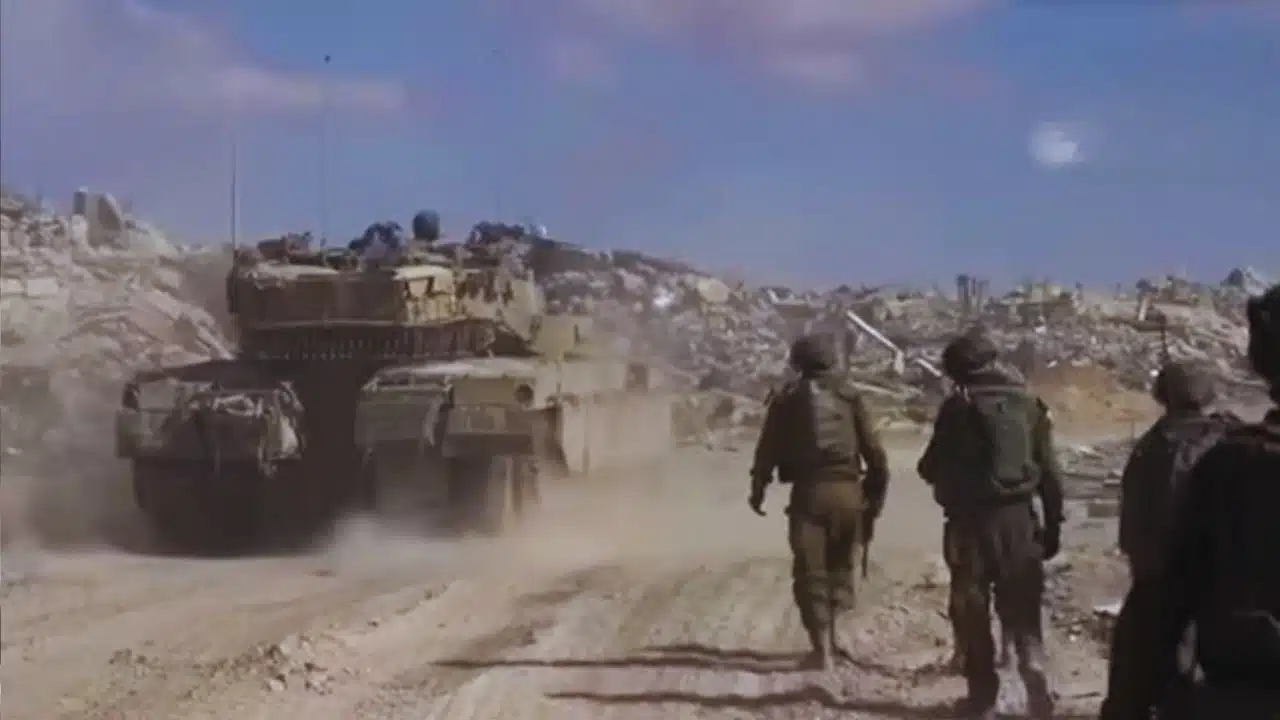
- IDF Military Adjustments: Israel would begin gradually withdrawing troops from Gaza and halt active military operations during the ceasefire, although full disengagement was not specified in the proposal.
- Prisoner Exchange and Remains Recovery: In return, Israel is expected to release a substantial number of Palestinian prisoners, potentially over a thousand, including some serving life sentences. Additionally, the remains of Palestinian victims would be returned to their families.
This proposal was confirmed publicly by White House Press Secretary Karoline Leavitt, who said, “Special envoy Witkoff and the President submitted a ceasefire proposal to Hamas that Israel backed and supported. Discussions remain ongoing.”
Hamas Raises Concerns: Seeks Guarantees for Permanent Peace
Although Hamas has not outright rejected the proposal, it issued a statement expressing dissatisfaction with the offer in its current form. Bassem Naim, a member of Hamas’s political bureau, posted on Facebook that the proposal “does not respond to any of our people’s demands, foremost among which is stopping the war and famine.”
A senior Hamas official, speaking on condition of anonymity, laid out three key counter-demands to be addressed before Hamas would fully endorse the agreement:
1. U.S. Guarantees of a Permanent Ceasefire
Hamas is insisting on a written or publicly declared guarantee from the United States that peace talks will continue beyond the 60-day truce and that hostilities will not resume afterward. The official emphasized, “We are ready to return all the hostages in one day, just we want a guarantee that war will not come again after that. Now in this paper, we didn’t find it.”
They described this as a major risk, especially if Israel resumes the war after recovering hostages. “They want to continue the war. We want to stop this,” the official added.
2. Aid Delivery Through the United Nations
Hamas has requested that humanitarian assistance be coordinated solely through UN agencies and international relief organizations to ensure transparency, neutrality, and accountability. They are skeptical of aid being channeled through third parties with Israeli oversight.
3. IDF Withdrawal to Pre-March 2 Positions
The group demands that Israeli forces retreat to the positions they held on March 2, 2025 — prior to Israel’s most recent military offensives. This would allow civilians displaced by the renewed assault to return home safely.
Shifting Communications: Hamas Felt Betrayed by Recent Changes
The Hamas response also shed light on a breakdown in communication. According to the senior official, Hamas had been in indirect contact with Steve Witkoff through Palestinian-American intermediary Bishara Bahbah.
Two days prior to the announcement, Hamas believed a deal was in sight. “We were told 2–3 times from Bishara [Bahbah] that he approved the framework and had no problem,” the official stated. However, after Witkoff’s meeting with Israeli Strategic Affairs Minister Ron Dermer in Washington, “everything changed 100%,” the official said.
Hamas now views the revised offer as an “Israeli paper” and not a neutral U.S. proposal, signaling frustration over shifting goalposts in the negotiation process.
Internal Israeli Politics: Divisions Over the Proposal
The Israeli political response to the deal remains split, with both high-level support and opposition.
Prime Minister Backs It, Far-Right Ministers Oppose
Israeli Prime Minister Benjamin Netanyahu reportedly told the Hostages and Missing Families Forum that he has accepted the new ceasefire proposal. However, this move is being met with fierce backlash from the far-right factions within his own coalition.
Finance Minister Bezalel Smotrich labeled the proposal “sheer madness,” declaring on social media, “I will not allow such a thing to happen. Period.” Smotrich and others fear that the agreement could strengthen Hamas or lead to long-term Israeli concessions.
Opposition Leader Voices Support
In contrast, Israeli opposition leader Yair Lapid urged Netanyahu to publicly and unambiguously support the U.S.-backed ceasefire deal. He pledged to support the government if far-right members break away in protest. “Accept the proposal publicly and immediately,” Lapid stated, reinforcing that securing the hostages and de-escalating the conflict should be a national priority.
A History of Broken Promises Fuels Hamas’ Hesitation
The Hamas official also recalled a past instance during the Trump administration, when Hamas released Israeli-American hostage Edan Alexander. At the time, the Trump administration had reportedly agreed to certain humanitarian concessions and public acknowledgments that were never fully honored.
“Trump promised thanks and aid, but it didn’t happen,” the official said. This past experience, they claimed, makes the group hesitant to release hostages again without firm and enforceable guarantees.
Humanitarian Crisis Worsening in Gaza
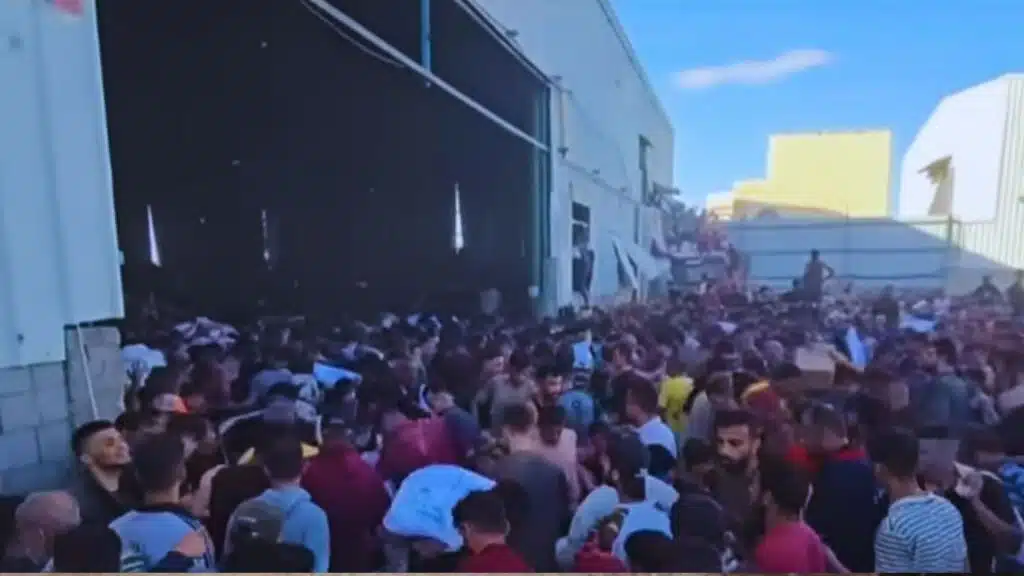
The latest negotiations are taking place amid a deepening humanitarian catastrophe in Gaza. According to international human rights groups and the United Nations, the population is facing mass starvation, water scarcity, and a collapsed health system.
The Israeli blockade and ongoing military operations have decimated critical infrastructure, leaving hundreds of thousands of people displaced and dependent on international aid. The UN and various global NGOs have warned of imminent famine and large-scale casualties unless aid deliveries resume rapidly and safely.
Next Steps: Will a Deal Be Finalized?
The next stage hinges on whether Hamas’ counter-demands will be met or compromised. The U.S., through Witkoff, is expected to relay responses between the two sides, while mediators from Qatar and Egypt remain engaged behind the scenes.
While the proposal represents a step toward de-escalation, a permanent resolution remains elusive. The war, which erupted in October 2023 after the Hamas-led assault on Israel, has resulted in the deaths of tens of thousands — including civilians on both sides.
The stakes are high: For the hostages, their families, and the millions of civilians in Gaza and Israel alike, the outcome of this proposal could be a turning point in a brutal conflict that has dragged on for more than seven months.
The information is Collected from CNN and Yahoo.