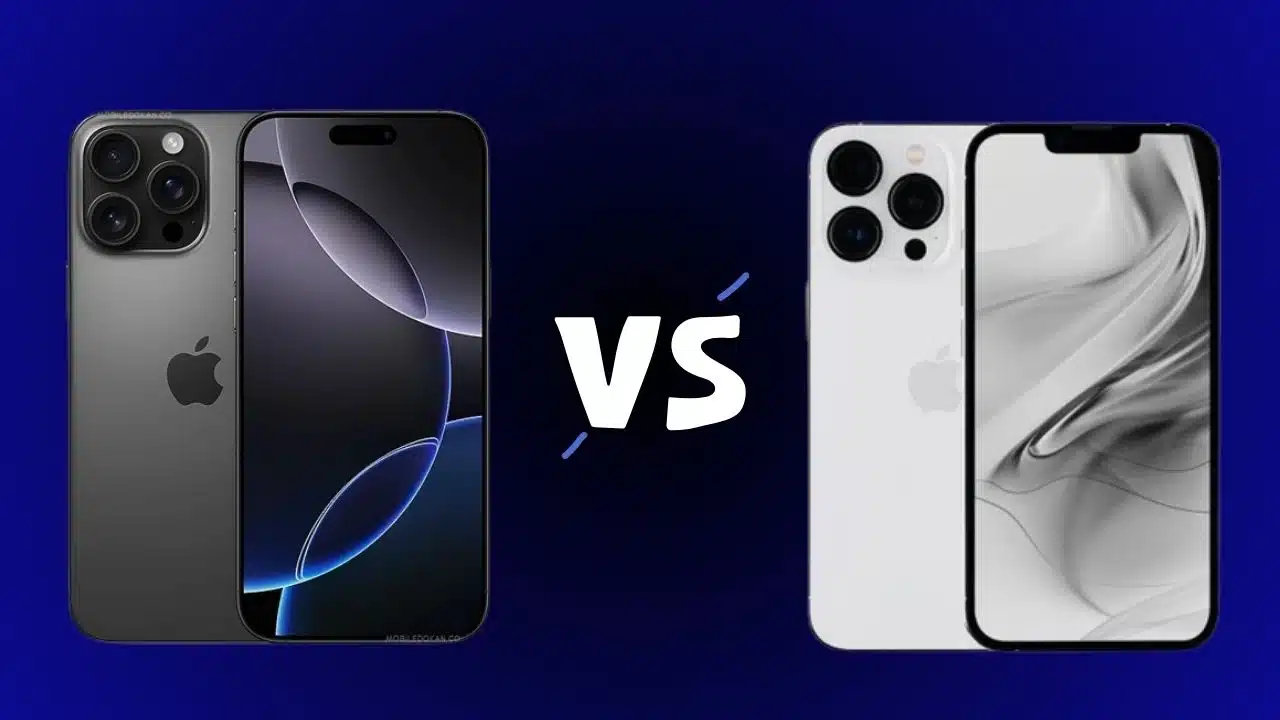
Apple has once again raised the bar with the release of its latest flagship smartphones, the iPhone 16 Pro and iPhone 16 Pro Max. While every new generation of iPhones brings with it a range of impressive improvements, how much has really changed since the iPhone 13 Pro launched in 2021? Is the iPhone 16 Pro a significant enough upgrade for existing users of the iPhone 13 Pro, or are the changes mostly incremental?
In this in-depth guide, we’ll explore all the new features and enhancements in the iPhone 16 Pro compared to the iPhone 13 Pro, including screen size, performance, battery life, cameras, and more. By the end, you’ll have a clearer idea of whether upgrading is worth it and which model suits your needs best.
Screens: Bigger, Brighter, and Better
One of the most striking differences between the iPhone 16 Pro and the iPhone 13 Pro is the screen size. Apple has bumped up the display sizes for both the Pro and Pro Max models, with the iPhone 16 Pro now boasting a 6.3-inch screen, while the 16 Pro Max comes with a massive 6.9-inch display. In comparison, the iPhone 13 Pro has a 6.1-inch screen, and the 13 Pro Max features a 6.7-inch display. Although the difference may seem minor, the increased screen real estate offers a more immersive viewing experience, especially for media consumption, gaming, and multitasking.
Moreover, the iPhone 16 Pro’s display isn’t just bigger—it’s also brighter. Apple has optimized the brightness levels for HDR content and outdoor use, meaning you’ll have better visibility in bright sunlight or when watching high dynamic range (HDR) videos.
Another notable upgrade in the iPhone 16 Pro is the introduction of the Dynamic Island and always-on display features, both of which were missing from the iPhone 13 Pro. The Dynamic Island is a new interactive element that morphs around the front camera and displays useful notifications and alerts in a more intuitive way. Meanwhile, the always-on display allows you to glance at your lock screen to check the time, notifications, and widgets without waking up the phone.
For the pixel enthusiasts, the iPhone 16 Pro has 199,692 more pixels than the iPhone 13 Pro, and the 16 Pro Max has 218,808 more pixels compared to the 13 Pro Max. This means sharper details and a crisper image quality, making the new models perfect for high-definition video playback and detailed image viewing.
Size, Weight, and Design: Subtle Yet Meaningful Changes
In terms of design, Apple has retained its signature aesthetic, with only subtle changes distinguishing the iPhone 16 Pro from its predecessors. The overall design is similar to that of the iPhone 13 Pro, featuring the same flat-edged frame and ceramic shield front for added durability. However, there’s one key difference: the material of the frame. Apple has switched from stainless steel (used in the iPhone 13 Pro) to titanium for the iPhone 16 Pro and 16 Pro Max.
Titanium offers several advantages over stainless steel. First, it’s lighter, making the new iPhones more comfortable to hold, especially for prolonged use. It’s also stronger, providing better durability and resistance to scratches and dents. For those upgrading from the iPhone 13 Pro, the titanium build will be a noticeable improvement, especially in terms of weight reduction.
Another design change is the introduction of a new Camera Control button/sensor, which adds a tactile control option for photography enthusiasts. This button makes it easier to snap photos and videos with more precision, particularly when using advanced camera features like portrait mode or long exposure shots.
Though the iPhone 16 Pro and 16 Pro Max have larger displays than the iPhone 13 Pro and 13 Pro Max, their titanium build means they are actually lighter than their predecessors. This balance of a bigger screen and lighter weight makes the iPhone 16 Pro series feel more premium and ergonomic.
Performance: A18 Pro vs A15 Bionic – The Battle of the Chips
Under the hood, the iPhone 16 Pro is powered by Apple’s next-generation A18 Pro chip, which brings a considerable performance boost compared to the A15 Bionic found in the iPhone 13 Pro. While both chips are powerful enough for most users, the A18 Pro offers cutting-edge capabilities that are geared toward future-proofing the device for more intensive tasks and applications.
Let’s break down the differences in performance:
- CPU Performance: According to Apple, the A18 Pro CPU is approximately 45% faster than the A15 Bionic when it comes to single-core performance, and around 40% faster in multi-core performance. This translates to quicker app launches, faster processing of complex tasks, and smoother multitasking. Whether you’re editing videos, running demanding apps, or playing graphics-intensive games, the A18 Pro chip ensures that the iPhone 16 Pro is blazing fast.
- Energy Efficiency: The A18 Pro chip is also more energy-efficient than the A15 Bionic, using up to 20% less power for the same tasks. This means longer battery life, even when performing demanding tasks like gaming or video editing.
- Graphics Power: The A18 Pro chip comes with a more powerful GPU, which is up to 20% faster than the GPU in the A17 Pro (found in the iPhone 15 Pro). Additionally, the A18 Pro features hardware-accelerated ray tracing, which dramatically improves graphics performance for gaming and AR applications. This feature makes the iPhone 16 Pro one of the best smartphones for mobile gaming.
- Apple Intelligence Support: Unlike the A15 chip, which lacks Apple Intelligence support, the A18 Pro is fully equipped with this advanced AI capability. This allows the iPhone 16 Pro to handle machine learning tasks more efficiently, from improving camera performance to optimizing battery life.
The iPhone 16 Pro also comes with 2GB more RAM than the iPhone 13 Pro, making it better suited for multitasking and ensuring that more apps can run in the background without slowing down performance.
Battery Life: Lasting Longer
When it comes to battery life, the iPhone 16 Pro and Pro Max have received solid improvements over the iPhone 13 Pro. The combination of a larger battery and the more energy-efficient A18 Pro chip means the new models can last longer on a single charge. Whether you’re streaming video, browsing the web, or gaming, you’ll notice the extended battery life compared to the iPhone 13 Pro.
Apple hasn’t shared exact battery capacities for the iPhone 16 Pro models, but real-world tests show a noticeable improvement in usage time, especially for heavy users.
Cameras: A Major Leap Forward
The camera system is another area where the iPhone 16 Pro takes a significant leap forward compared to the iPhone 13 Pro. Apple has upgraded both the hardware and software of the cameras, making the iPhone 16 Pro a top contender for photography enthusiasts.
- Main Camera: The iPhone 16 Pro and Pro Max come with a new 48MP main camera, a significant upgrade from the 12MP main camera on the iPhone 13 Pro. This increase in megapixels means sharper images with more detail, particularly in low-light conditions or when cropping photos.
- Ultra-Wide and Telephoto Lenses: Both the ultra-wide and telephoto lenses have also seen upgrades. The iPhone 16 Pro features a 48MP ultra-wide lens, while the telephoto lens has been upgraded to 12MP with 5x optical zoom, offering better zoom capabilities and more versatility for close-up shots.
- Camera Control Button: The new Camera Control button/sensor is another addition that gives users more control over their shots. Whether you’re adjusting exposure, focus, or other settings, this button provides quick access to camera functions without having to navigate through menus.
Video Recording: Perfect for Content Creators
If you’re into video recording, the iPhone 16 Pro is a powerhouse. It supports 4K Dolby Vision/HDR video recording at up to 120 frames per second (fps). This makes it ideal for shooting professional-quality videos, whether for social media, vlogging, or even filmmaking.
Other features include ProRes recording at up to 120 fps for 1080p resolution and spatial video recording, which adds depth and dimension to your videos. The iPhone 16 Pro also includes wind noise reduction and Audio Mix features, making it easier to capture clear audio in various environments.
Selfie Camera: Smarter and Sharper
Apple hasn’t neglected the front camera either. The iPhone 16 Pro features the latest TrueDepth camera with Photographic Styles, Smart HDR 5, and log video recording capabilities. Whether you’re snapping selfies or recording vlogs, the iPhone 16 Pro delivers crisp, detailed images and videos.
I/O: USB-C, MagSafe, and Faster Data Transfers
A major shift with the iPhone 16 Pro is the transition from Apple’s proprietary Lightning port to USB-C. This change comes with several advantages, including faster data transfer speeds of up to 10 Gbps. Whether you’re transferring files, charging, or connecting to external devices, USB-C provides more versatility than Lightning.
Additionally, the iPhone 16 Pro supports MagSafe wireless charging up to 25W, making it easier to charge your phone on the go. Other connectivity upgrades include WiFi 7 support, offering faster and more stable wireless connections.
Color Options and Storage: Plenty of Choices
The iPhone 16 Pro and Pro Max are available in four sleek titanium finishes:
- Black titanium
- White titanium
- Natural titanium
- Desert titanium
Storage options for the iPhone 16 Pro and Pro Max include:
- 128GB for $999 (available only for the iPhone 16 Pro)
- 256GB for $1,099 (Pro) / $1,199 (Pro Max)
- 512GB for $1,299 (Pro) / $1,399 (Pro Max)
- 1TB for $1,499 (Pro) / $1,599 (Pro Max)
What’s in the Box?
Apple has continued its trend of minimal packaging, with the iPhone 16 Pro and Pro Max only coming with the phone and a USB-C cable. If you need a charging brick, Apple recommends at least a 20W adapter for fast charging. Some popular options include:
- Anker 20W Nano Pro (compact and affordable)
- Nomad 20W power adapter (sleek, compact, and stylish)
- Apple’s official 20W adapter
Buyer’s Guide: Is It Time to Upgrade?
Now that we’ve covered all the major differences between the iPhone 16 Pro and the iPhone 13 Pro, the big question is: Should you upgrade? Here are some points to consider:
Reasons to Buy iPhone 16 Pro/Max:
- Larger, brighter, and higher-resolution display with Dynamic Island and always-on display.
- Significant camera upgrades, including the 48MP main camera and new Camera Control button.
- Titanium build for a lighter and more durable phone.
- Faster, more powerful A18 Pro chip with Apple Intelligence support.
- Transition to USB-C for faster data transfers and wider compatibility.
Reasons to Keep iPhone 13 Pro or Consider iPhone 15 Pro:
- If the features of the iPhone 16 Pro don’t appeal to you, the iPhone 13 Pro is still a very capable phone.
- You could also consider the iPhone 15 Pro, which has many of the same improvements as the iPhone 16 Pro but at a lower price point.
Whether or not you should upgrade to the iPhone 16 Pro depends on how you use your smartphone and which features matter most to you. For users who want the latest technology, superior camera performance, or a lighter, more durable design, the iPhone 16 Pro is a fantastic choice. However, if these features aren’t essential to your daily use, you may be able to stick with your current iPhone or consider the more budget-friendly iPhone 15 Pro.
In any case, the iPhone 16 Pro is available for purchase from Apple, your carrier, or authorized resellers, so you can explore your options and find the right model for you.