Mixed-use towers meet a clear city need. People value homes, shops, services, and shared areas within easy reach. That arrangement shortens routine travel and makes daily planning less tiring. Streets also stay active for longer periods, which can support a steadier public rhythm. For residents, workers, and visitors, this format brings practical ease, closer access, and a stronger connection to the district around the building.
One Address, Many Uses
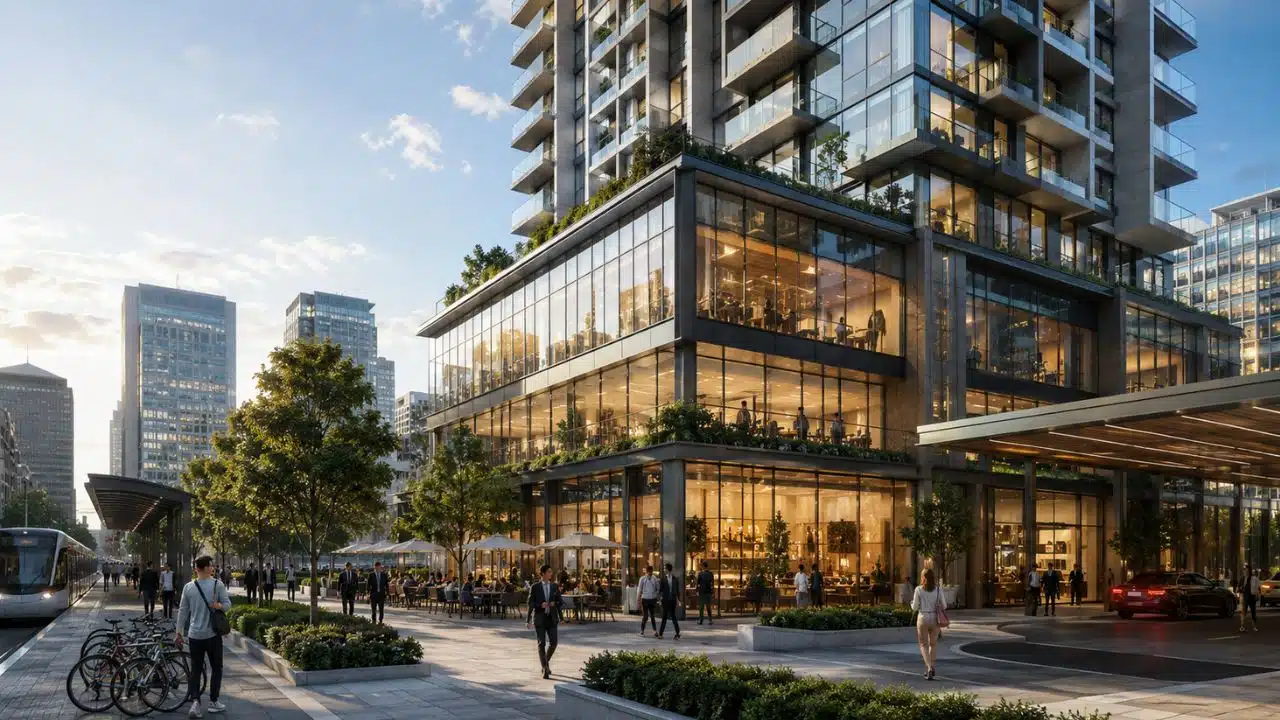
City living works better when daily functions sit close together. In central districts, projects such as Union Square Residences reflect a broader shift toward integrated development, where homes rise above retail, food outlets, and useful services. That layout keeps routine needs nearby, reduces commuting time, supports street-level trade, and helps public spaces maintain a steady flow from early morning to late night.
Shorter Daily Trips
A mixed-use tower can eliminate several separate trips in a single day. Groceries, coffee, pharmacy needs, and simple meals may all sit within the same address. During a packed week, that matters. Parents, older adults, and residents carrying heavy bags often feel the difference first. Spending less time moving between stops can leave more time for rest, family time, or a quiet walk.
Better Street Activity
Blocks built for a single purpose often lose energy at certain times. Office zones can empty after work, while residential stretches may feel still during midday. Mixed-use towers usually avoid that imbalance. Residents move early and late, while shops and services draw people throughout the afternoon. This broader pattern can help nearby businesses and make public areas feel watched in an ordinary, reassuring way.
Comfort Through Proximity
Comfort is often linked to private interiors, yet location shapes daily ease just as strongly. When errands sit close by, routines become simpler to manage. Shorter walks can reduce exposure to heat, rain, and heavy traffic. Pressure from late arrivals may also ease when travel takes less time. For households balancing work, school, and caregiving, proximity becomes a real living advantage.
Shared Amenities Matter
Many mixed-use towers include pools, gyms, gardens, lounges, or work rooms. Their value comes from access as much as design. A resident might exercise before work, sit and read a book in a shared space, then meet friends downstairs for dinner. That kind of flexibility suits modern schedules, where personal time, job duties, and social plans often overlap within the same day.
Support for Local Commerce
Retail inside residential projects can give smaller businesses a stable customer base. Cafes, bakeries, salons, and convenience stores benefit from regular foot traffic built into the site. Residents, in turn, gain useful services close to home. This balance works best when the tenant mix fits the area rather than copying a standard formula. Careful planning helps the development feel active, practical, and rooted.
Reduced Dependence on Cars
Transport links remain central to the appeal of mixed-use towers. When a project sits near rail stations, bus routes, or safe walking paths, residents may rely less on private cars. That shift can reduce fuel costs and ease parking demand. Streets may also function better when fewer short drives are needed. In dense districts, this is a direct gain for mobility and land use.
Social Contact Without Effort
Cities can feel full yet strangely isolating. Mixed-use settings create easy chances for brief contact, such as greeting a neighbor near the lift or seeing familiar staff downstairs. Repeated moments like these build recognition over time. They do not promise a close community, yet they can make ordinary life feel less anonymous. For many residents, that quiet social layer adds value beyond interior floor area.
Flexible Use Over Time
Urban districts change as habits, transport patterns, and spending needs shift. A mixed-use tower can respond better than a single-purpose block because varied activity is already built into its structure. Ground floors may adapt to new services while upper levels continue meeting housing demand. That flexibility supports long-term usefulness and helps the project remain relevant as the surrounding area matures.
Conclusion
Mixed-use towers bring several urban needs into one coordinated setting. They can shorten routines, support nearby trade, improve walkability, and add daily comfort through closer access. Their value comes from practical usefulness rather than novelty. In cities where land is limited and demand stays high, this model offers a balanced response. Planned with care, it helps people live nearer to what they need and spend time with greater intention.