

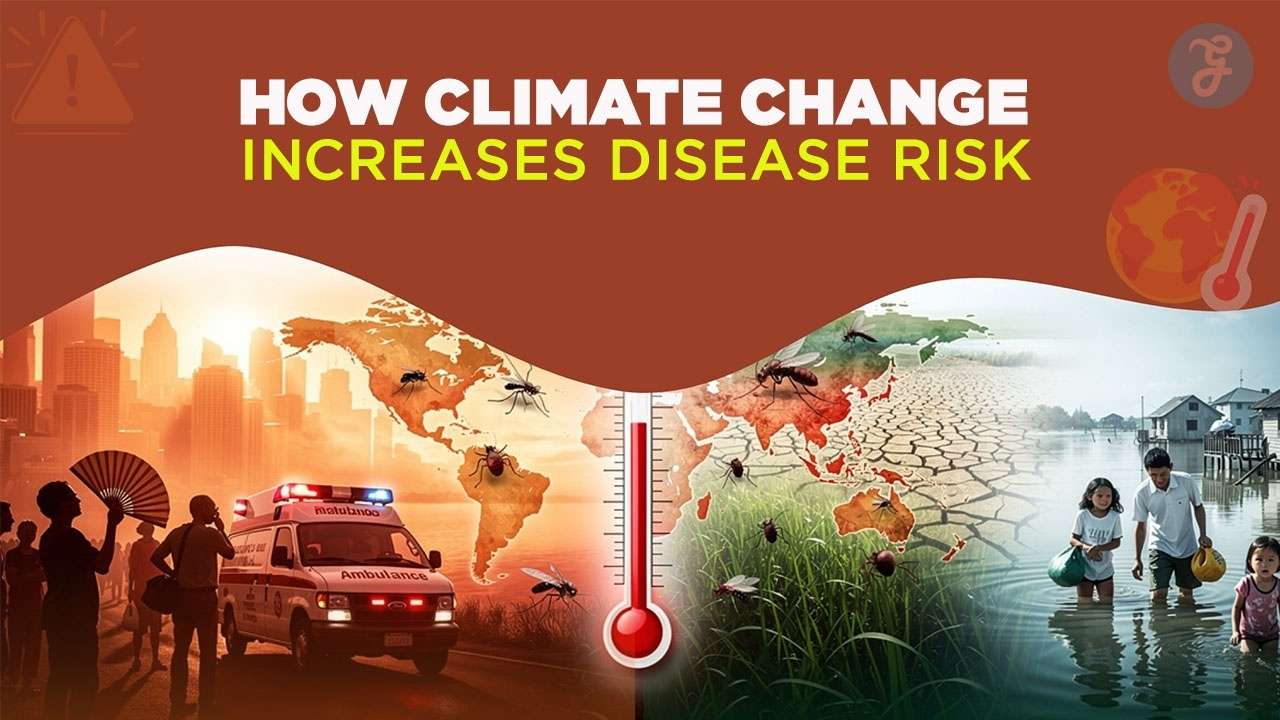
Ever feel more tired than usual or notice that your seasonal allergies seem to drag on for months? You aren’t imagining it. As heat waves, wildfires, and floods become more frequent across the U.S., many of us are feeling the physical toll. Here is a reality check that puts things in perspective. 2024 was officially the hottest year on record, beating the previous high set just one year earlier. This warming isn’t just about uncomfortable summers; it is actively changing the health landscape right in our backyards.
We are going to explore exactly how these changes affect you, from the air you breathe to the food on your table. We will cover the “Health Risks Of Climate Change,” including new disease risks in places like Florida and California, air quality dips from wildfire smoke, and what rising food prices mean for your grocery budget.
So, grab a glass of water and settle in. I am going to walk you through the practical steps you can take to keep yourself and your family healthy in a warmer world.
Impact of Climate Change on Health
Climate change does more than just melt ice caps; it fundamentally shifts how diseases spread and how our bodies react to the environment. Warmer days create new opportunities for health risks to enter our daily lives.
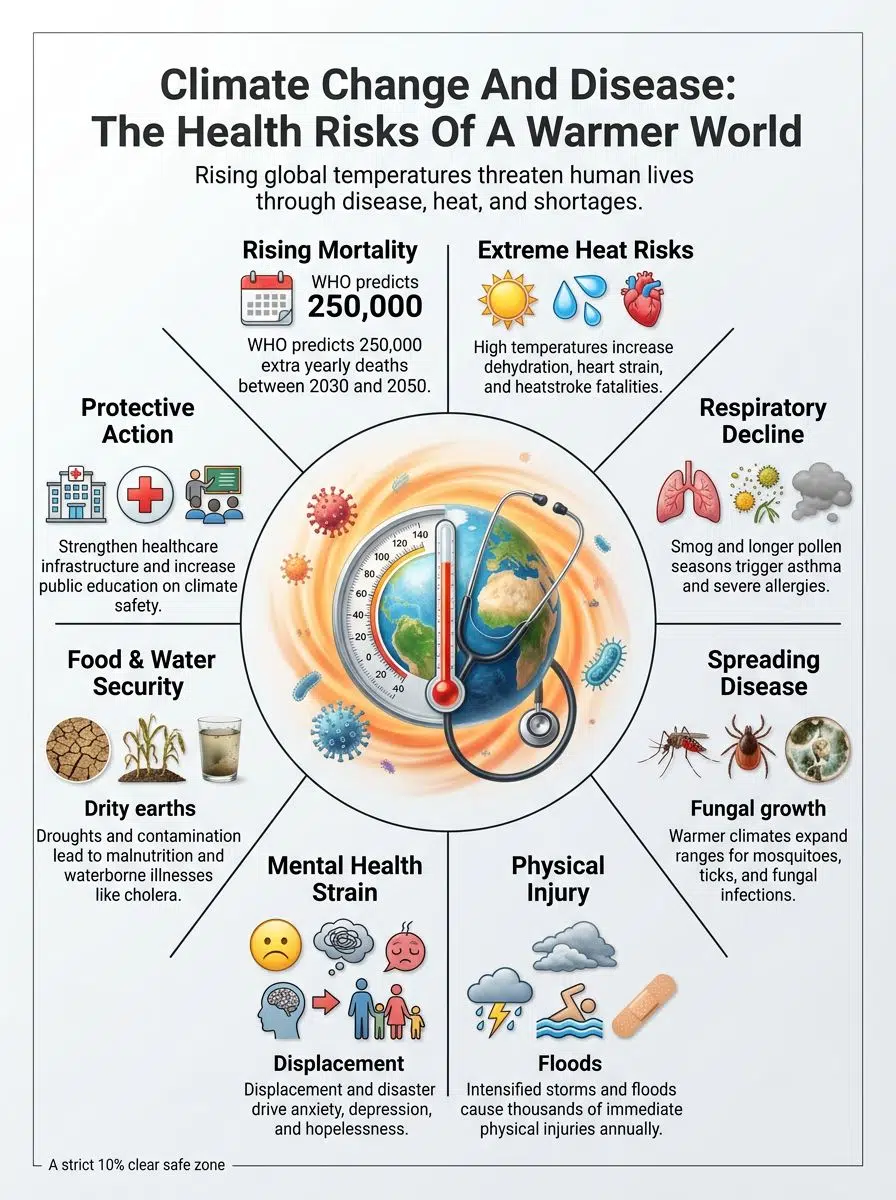
Increase in Global Temperatures
Earth is getting hotter, and the pace is picking up. NASA and NOAA confirmed that 2024 was the warmest year ever recorded, with global temperatures sitting about 2.6 degrees Fahrenheit above pre-industrial averages. This isn’t a distant problem; it is happening here and now.
Burning coal, oil, and gas traps heat in our atmosphere, acting like a thick blanket around the planet. This trapped heat warms our oceans and melts polar ice, but it also changes the map for public health in the United States. Cities like Phoenix and Miami are seeing record-breaking streaks of days over 100 degrees.
This heat allows pests to migrate. Mosquitoes that carry diseases like malaria and dengue fever are now surviving in zip codes that used to be too cold for them. We are seeing these “tropical” problems move into states like Texas and California.
Did You Know? According to a 2024 report, heat-related mortality rates in the U.S. have increased by 117% since 1999. It is now the top weather-related killer in the country.
Shifts in Weather Patterns
Rainfall is becoming unpredictable. Some areas face long, dusty droughts, while others deal with sudden, heavy downpours that lead to flash floods. Winters are shrinking, and summers are stretching out, which confuses both our bodies and nature.
Farmers are struggling to predict planting seasons, which impacts the stability of our food supply. For you, this shift might mean a longer allergy season or more frequent “bad air” days. These changes test our climate resilience and require us to be more adaptable than ever before.
Health Hazards from Extreme Heat
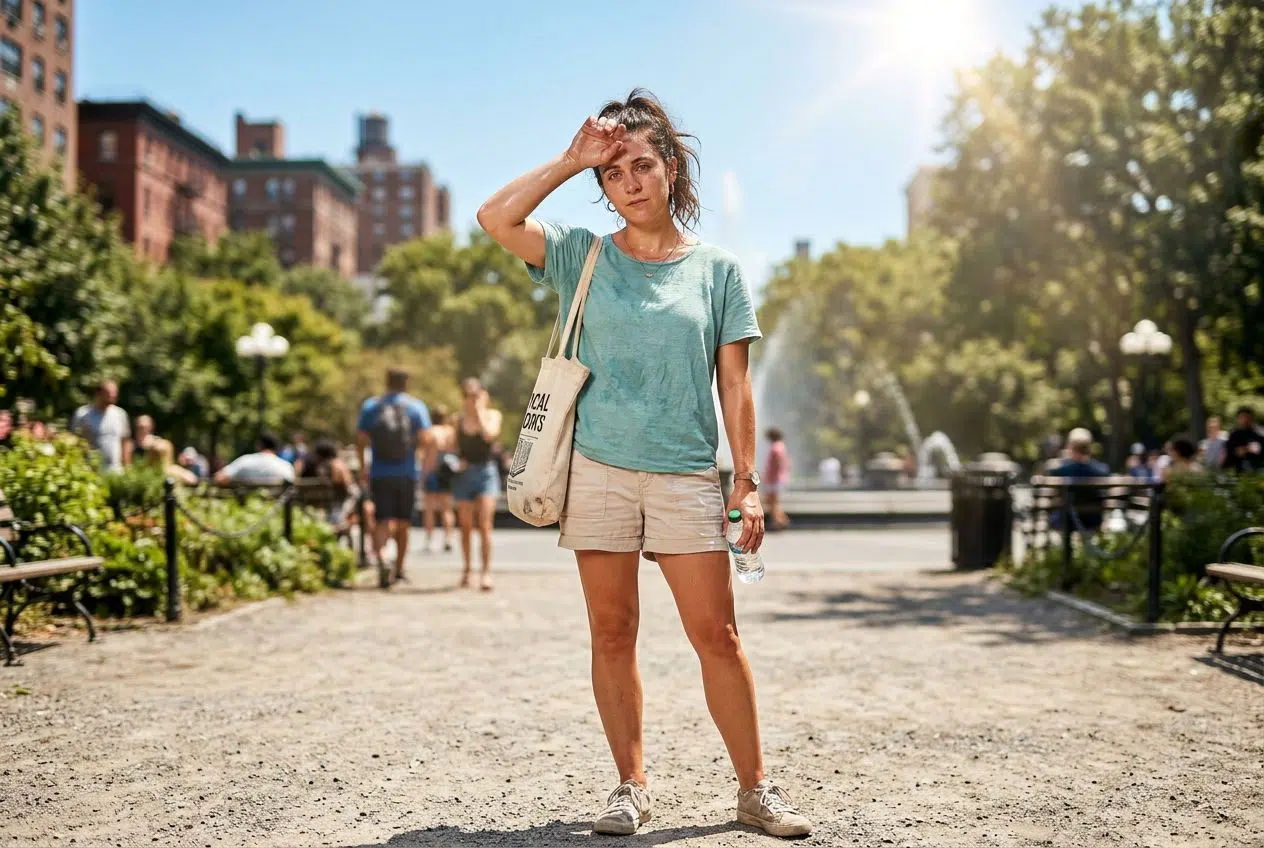
Hotter days can turn dangerous quickly. During a heatwave, your body has to work overtime just to keep your internal temperature stable. If you push too hard, you risk ending up in the emergency room.
Illnesses and Deaths Related to Heat
Heat is a silent killer. In 2023 alone, heat was a contributing factor in approximately 2,300 deaths in the United States. It poses the biggest threat to older adults, young children, and anyone who works outdoors, like construction workers or landscapers.
Know the Difference: Heat Exhaustion vs. Heat Stroke
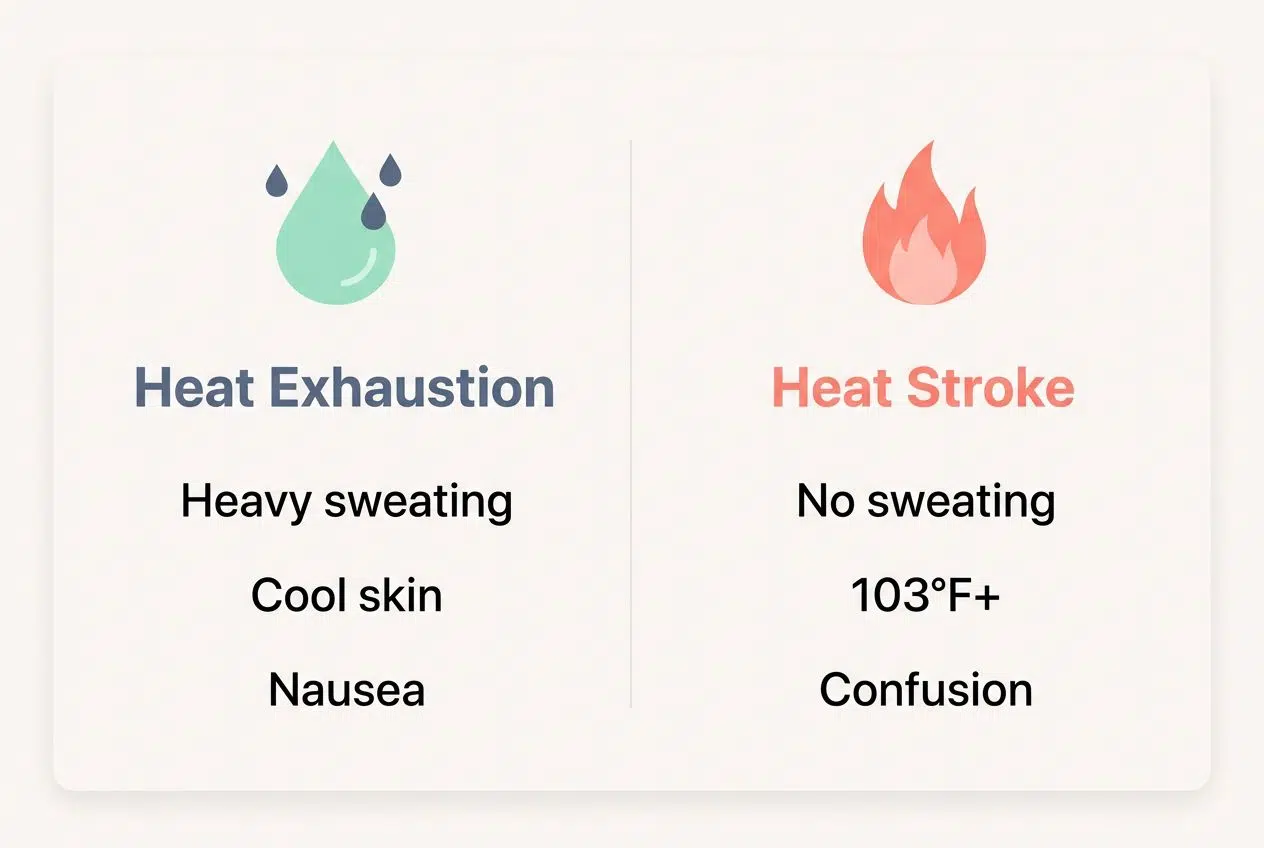
| Heat Exhaustion | Heat Stroke (Medical Emergency) |
|---|---|
| Heavy sweating | No sweating (hot, dry skin) |
| Cold, pale, clammy skin | High body temperature (103°F+) |
| Nausea or vomiting | Confusion or unconsciousness |
| Fast, weak pulse | Strong, rapid pulse |
Pro-Tip: Don’t rely on just feeling hot. Use the CDC’s HeatRisk tool or the Heat.gov website to check the specific risk level in your zip code. It accounts for humidity and nighttime temperatures, which are often what actually cause health breakdowns.
Cardiovascular and Respiratory Stress from Heat
When the temperature spikes, your heart beats faster to pump blood to your skin to cool you down. For people with existing heart conditions, this extra effort can trigger heart attacks or heart failure. Doctors frequently see a spike in hospital visits for chest pain when the thermometer passes 90 degrees.
Your lungs take a hit too. Heat often comes with stagnant air that traps pollutants like ozone and wildfire smoke. This combination is a nightmare for anyone with asthma or COPD. If you have a respiratory condition, checking the Air Quality Index (AQI) should be as routine as checking the weather forecast.
Effects of Air Pollution on Health
Dust, smoke, and chemical particles don’t just sit in the air; they get into your system. Breathing polluted air can feel like trying to run a marathon while breathing through a straw. It irritates your throat, lungs, and eyes, and over time, it can cause serious damage.
Decline in Air Quality
Wildfire smoke is a growing threat. A 2023 study found that smoke from wildfires has reversed decades of air quality progress in 35 states. The tiny particles in this smoke, known as PM2.5, are small enough to enter your bloodstream and affect your heart and brain.
It’s not just about fires near you. Smoke from Canada or the West Coast can travel thousands of miles, blanketing the Midwest and East Coast in a haze. If the sky looks milky or the sun looks remarkably red, that is often a sign of high particulate matter.
Simple Steps to Improve Indoor Air
- Upgrade Your Filter: Use a MERV 13 filter in your home’s HVAC system to trap fine smoke particles.
- Recirculate Air: When driving through smoky areas, set your car’s AC to “recirculate” to keep outside air out.
- Create a Clean Room: In extreme events, seal off one room and run a portable HEPA air purifier.
Rise in Asthma and Allergy Cases
Warmer weather signals plants to release pollen earlier and keep releasing it longer. In some parts of the U.S., allergy season has grown by 20 days or more. This means more itchy eyes, runny noses, and asthma attacks for millions of people.
Pollution makes this worse. Smog and ozone form more easily in heat, creating a “double whammy” for your lungs. Children are especially vulnerable because their lungs are still developing, and they tend to spend more time active outdoors. Keeping an eye on daily pollen and pollution counts can help you decide when to play outside and when to stick to indoor activities.
Spread of Vector-Borne and Infectious Diseases
Warm weather is rolling out the welcome mat for bugs and germs. Insects that carry diseases are expanding their territory, showing up in places where they previously couldn’t survive the winter.
Growth of Disease-Carrying Insect Populations
Mosquitoes and ticks are thriving in our warmer, shorter winters. This allows them to breed longer and travel further north.
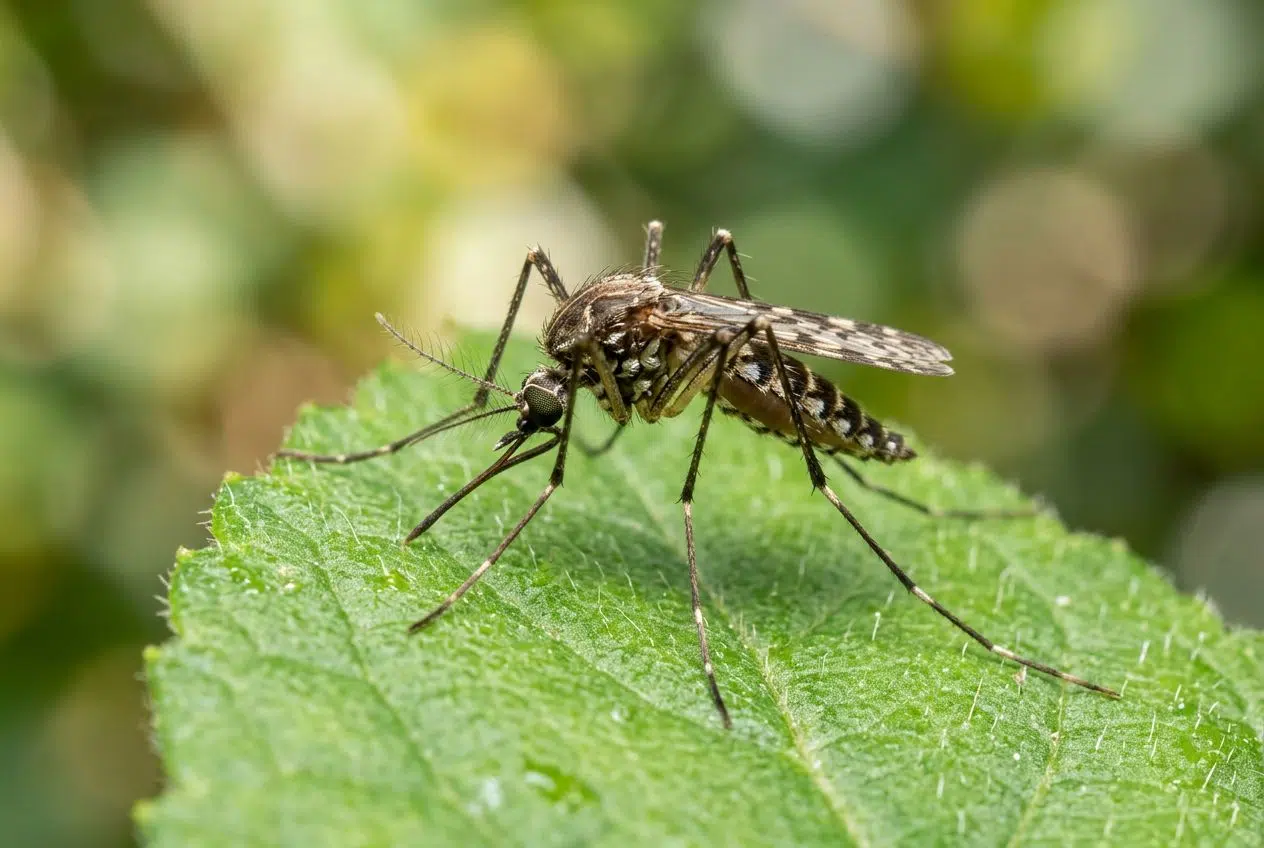
- Dengue Fever: Once considered a tropical issue, Dengue is knocking on our door. In 2024, California reported 18 locally acquired cases, meaning the mosquitoes breeding in local backyards were spreading the virus. Florida and Texas are seeing similar trends.
- Malaria: In 2023, the U.S. saw its first locally acquired malaria cases in 20 years, popping up in Florida and Texas.
- Ticks and Meat Allergies: The Lone Star Tick is spreading north and west. Its bite can cause Alpha-gal Syndrome, a condition that makes you allergic to red meat and dairy. Positive tests for this syndrome rose 100-fold between 2013 and 2024, and the first death linked to it was reported in New Jersey in late 2024.
Insider Tip: The mosquito that carries Dengue (Aedes aegypti) is an aggressive daytime biter that loves to breed in small containers. Check your patio for plant saucers or bottle caps holding water; that is all they need to multiply.
Rise in Fungal Infections
It is not just insects. Fungal infections are also on the move. Valley Fever, a fungal disease caused by inhaling dust, was once limited to Arizona and California. Now, it is spreading into Washington state as soils dry out and dust storms travel further.
Another concern is Candida auris, a drug-resistant fungus that spreads easily in healthcare settings. It thrives in warmer temperatures, which helps it survive on surfaces and on human skin. Hospitals across the country are on high alert because this fungus is difficult to treat and can be dangerous for patients with weakened immune systems.
Health Dangers from Extreme Weather Events
When storms and floods hit, they turn lives upside down instantly. The immediate injury risk is obvious, but the aftermath brings hidden health dangers that can linger for months.
Injury and Fatality Risks During Disasters
Hurricanes and floods are becoming more intense. In 2024, we saw Hurricane Beryl and Hurricane Helene cause widespread destruction. Beyond the wind and rain, floodwaters are a toxic soup of chemicals, sewage, and bacteria.
One specific bacterium, Vibrio vulnificus, is becoming a major concern. Often called “flesh-eating bacteria,” it lives in warm, brackish water. Infections doubled in Florida in 2024 following the hurricanes, and cases are now appearing further up the East Coast in New York and Connecticut.
Safety Warning: Never wade through floodwaters if you have an open cut or scrape, no matter how small. Vibrio bacteria can enter through the wound and cause life-threatening infections within hours.
Long-Term Effects on Mental Health
The stress of climate change is creating a mental health crisis. Psychologists call it “eco-anxiety.” A recent survey found that 64% of Americans are at least somewhat worried about global warming, and 35% worry about it every single week.
Disasters leave a lasting mark. Survivors of wildfires and hurricanes often experience PTSD, anxiety, and depression long after the debris is cleared. Losing a home or a community connection disrupts the stability we all need. If you are feeling overwhelmed, look for “Climate Cafes” or support groups online where people gather specifically to talk about these anxieties. You are definitely not the only one feeling this weight.
Threats to Food and Water Supplies
Climate change hits you right in the wallet at the grocery store. As temperatures climb and the weather becomes erratic, growing food gets harder and more expensive.
Decrease in Agricultural Output
Farmers are on the front lines, battling droughts that wither crops and storms that wash them away. The USDA forecasts that food prices will continue to rise in 2025, specifically for beef, eggs, and dairy. Heat stress reduces the amount of milk cows produce and makes it harder for chickens to lay eggs.
Specific crops are struggling too. Florida’s orange production has plummeted due to disease and weather, and olive oil prices have skyrocketed because of droughts in Europe. This means the staples we rely on are becoming luxury items for many families.
Elevated Risk of Malnutrition and Waterborne Illnesses
When food prices spike, nutrition often takes a hit. Families might swap fresh produce for cheaper, processed options, which affects long-term health. Global shortages also mean less food aid is available for the millions of people facing hunger worldwide.
Water safety is another critical piece of the puzzle. Heavy rains can overwhelm sewer systems, causing raw sewage to spill into drinking water sources. This spreads diseases like E. coli and Salmonella. After a major storm, always listen to local “boil water” advisories. Investing in a high-quality water filter for your home is a smart move for emergency preparedness.
Strategies for Community and Individual Protection
The news can feel heavy, but there is a lot you can do. Small changes in your home and neighborhood can build a strong shield against these risks.
Enhance Public Awareness and Education
Knowledge is your best defense. Start by bookmarking reliable resources like Heat.gov and the EPA’s AirNow app. These tools give you real-time data so you can make smart decisions, like canceling a run on a bad air day or checking on an elderly neighbor during a heat spike.
Talk about it. Share what you know about checking for standing water to stop mosquitoes. Simple conversations can help your community get ready. When neighbors look out for each other, everyone is safer during a disaster.
Boost Healthcare Infrastructure
We need our healthcare systems to be ready for these new challenges. Hospitals are upgrading their labs to spot tropical diseases like Dengue faster. Telehealth is becoming a crucial tool, allowing doctors to reach patients during floods or pandemics when roads are impassable.
On a personal level, keep your own “medical go-bag” ready. Include copies of your prescriptions, a first aid kit, and extra medication. If a storm hits and pharmacies close, having a week’s supply of your daily meds can be a lifesaver.
Final Thoughts
Climate change is undoubtedly making our world hotter and our health risks more complex. From the air we breathe to the mosquitoes in our yards, the signs are all around us.
But here is the good news: you have the power to adapt. By staying informed with tools like the CDC’s trackers, improving your home’s air quality, and staying alert to new risks like ticks and heat waves, you can protect yourself and your loved ones. Taking action today gives us all the best shot at a healthy, resilient future.






















