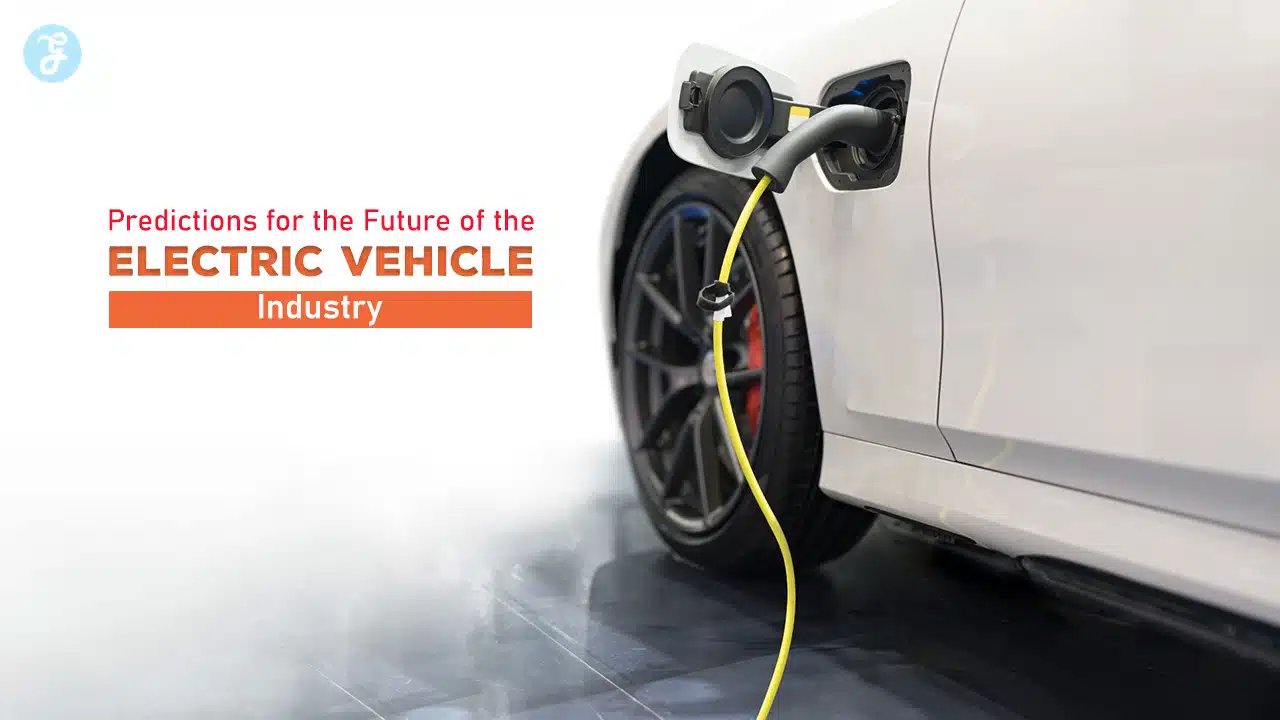
The electric vehicle (EV) industry is transforming transportation as we know it, paving the way toward a more sustainable, innovative, and efficient future.
With advances in battery technology, infrastructure expansion, and increased consumer adoption, EVs are quickly becoming the vehicles of choice for eco-conscious drivers and forward-thinking governments.
As we look to the next decade, several trends and innovations are likely to define the EV industry, reshaping how we drive, how we fuel, and even how we think about car ownership.
In this article, we explore 10 key predictions for the future of the electric vehicle industry, providing insights into how these trends are expected to impact manufacturers, consumers, and the environment.
1. Significant Improvements in Battery Technology
Battery technology is the backbone of the EV industry, and future advancements in battery design and materials are expected to lead to lighter, more efficient, and less costly batteries.
This shift will make electric vehicles more affordable for consumers and provide longer driving ranges between charges.
What to expect:
Solid-state batteries are one of the most anticipated advancements. Unlike traditional lithium-ion batteries, solid-state batteries use a solid electrolyte, which increases energy density, extends lifespan, and enhances safety.
Companies like Toyota and BMW are already investing heavily in solid-state technology, with projections that solid-state batteries could be commercially viable within the next five years. In addition, advancements in lithium-sulfur and lithium-metal batteries could offer even greater efficiency and capacity.
Why it matters:
Better batteries mean that EVs can drive further on a single charge, have faster charging times, and cost less. These improvements are crucial for widespread adoption, making electric vehicles a more practical choice for both urban and rural drivers.
2. Expansion of Charging Infrastructure
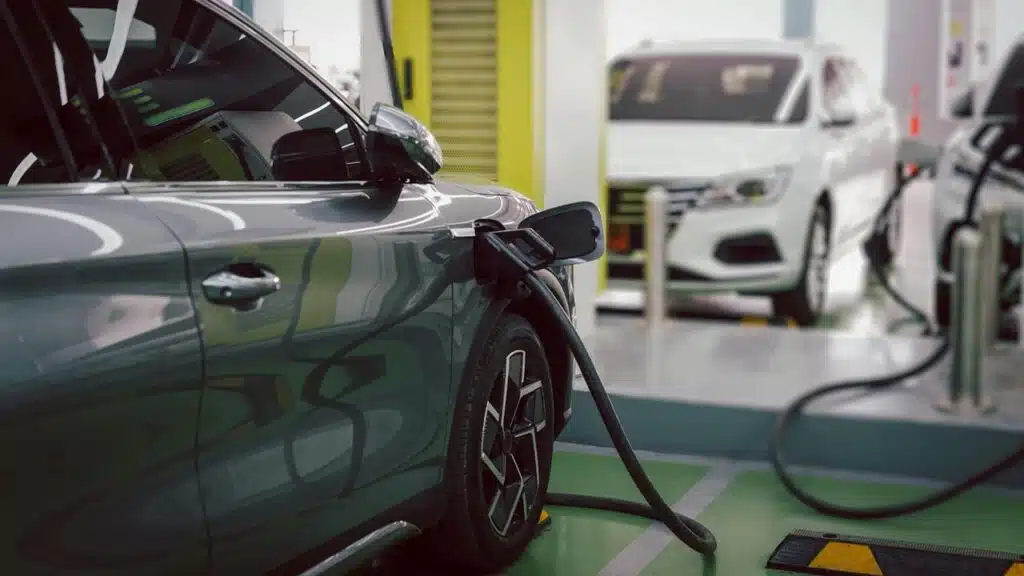
As the demand for EVs grows, so does the need for a robust charging infrastructure. To support the millions of EVs expected to hit the roads in the coming years, charging networks will need to expand and evolve to meet the needs of both urban and rural areas.
What to expect:
We’ll likely see a rapid increase in charging stations globally, particularly fast-charging networks that can reduce charging time to minutes rather than hours. Innovative solutions, such as wireless or inductive charging pads, are also being tested and could eliminate the need for plug-in chargers altogether.
Tesla’s Supercharger network is continually expanding, and other companies like ChargePoint, EVgo, and Ionity are working to make EV charging more accessible and convenient.
Why it matters:
The availability of fast and reliable charging stations is crucial for reducing range anxiety and ensuring that drivers can travel longer distances with confidence. Improved infrastructure also makes EV ownership more convenient and helps attract new buyers.
3. Increased Range of Electric Vehicles
In the past, limited range was one of the biggest barriers to EV adoption, but battery advancements and vehicle design improvements are changing that. In the near future, electric vehicles are expected to have ranges that meet or even exceed those of traditional gasoline cars.
What to expect:
Automakers are working to increase EV ranges to around 400–500 miles per charge, which would put them on par with many gas-powered vehicles.
Some models, such as the Tesla Model S Long Range, already offer over 400 miles on a single charge, and similar capabilities are expected to become standard across more affordable models as well.
Why it matters:
Extended range eliminates range anxiety and makes EVs a viable option for drivers who frequently travel long distances. This shift will help make electric vehicles the primary choice for both city driving and long-distance journeys, further accelerating adoption rates.
4. Widespread Adoption of Autonomous Driving
Autonomous vehicles and electric vehicles are often discussed in tandem because many of the technological advancements needed for one also benefit the other.
As autonomous driving technology becomes more advanced, we are likely to see a surge in self-driving EVs that reshape personal and public transportation.
What to expect:
Companies like Tesla, Waymo, and Cruise are at the forefront of autonomous driving technology, with self-driving EVs already being tested on public roads.
In the coming years, Level 4 (high automation) and Level 5 (full automation) autonomous EVs could become commonplace, particularly in rideshare and public transit applications. As a result, EVs will be able to drive themselves, allowing passengers to work, relax, or even sleep while in transit.
Why it matters:
Self-driving EVs have the potential to reduce accidents caused by human error, increase mobility for people who cannot drive, and make transportation more efficient and accessible. This trend could also reduce the need for personal vehicle ownership, as shared autonomous EVs offer an affordable alternative.
5. Integration with Smart Grids
As EV adoption increases, so does the need to balance the energy load on the grid. Smart grids and vehicle-to-grid (V2G) technology are expected to integrate EVs as part of the energy ecosystem, allowing them to store and supply power back to the grid when needed.
What to expect:
Smart grids will use AI to manage the flow of energy between EVs and the power grid. With V2G technology, EVs can charge during off-peak hours and return excess energy to the grid during peak demand, providing additional storage and balancing the grid load.
Companies like Nissan are already exploring V2G technology, and pilot programs are being launched in various countries.
Why it matters:
Integrating EVs with smart grids could reduce energy costs, prevent blackouts, and support renewable energy sources like wind and solar. This synergy between EVs and the grid makes them a crucial component of a sustainable energy system.
6. More Affordable Electric Vehicle Options
One of the biggest barriers to widespread EV adoption has been cost, but as battery prices drop and manufacturing scales up, electric vehicles are becoming more affordable.
Soon, EVs will be accessible to a broader range of consumers, making sustainable transportation options more inclusive.
What to expect:
Automakers are launching more budget-friendly EV models, including compact cars and entry-level sedans.
Tesla’s plan for a $25,000 EV is expected to make waves, while other manufacturers like Nissan, Honda, and Ford are developing affordable electric vehicles aimed at the mass market. Government subsidies, tax incentives, and rebates for EV purchases will also continue to help lower costs.
Why it matters:
Affordable EVs make sustainable transportation options more accessible to a wider demographic, contributing to overall emission reduction goals.
As more people make the switch, the demand for gasoline-powered vehicles will decrease, encouraging further investment in EV technology.
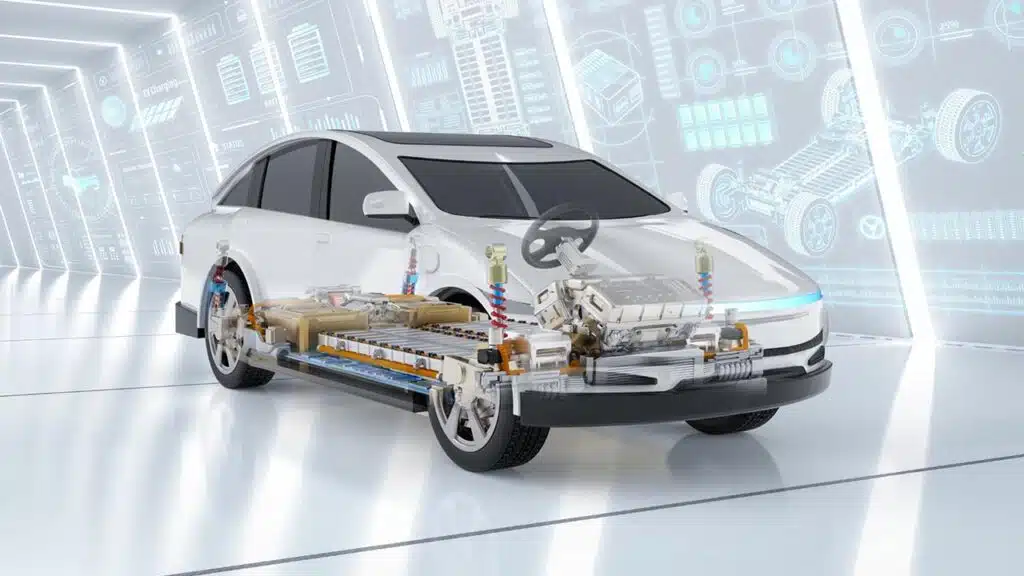
The global electric vehicle market is projected to grow exponentially over the next decade. As governments, corporations, and individuals prioritize sustainability, EVs are set to become the dominant mode of personal and commercial transportation.
What to expect:
Many countries, including Japan, the UK, and several European nations, have announced plans to phase out sales of internal combustion engine (ICE) vehicles by 2030–2040.
This shift will drive demand for EVs, with automakers ramping up production and expanding their EV portfolios. China, the largest EV market, is expected to continue leading in adoption rates, followed closely by Europe and North America.
Why it matters:
As EV market share increases, economies of scale will drive down costs, making EVs even more accessible. This growth will also lead to job creation in industries related to EV manufacturing, charging infrastructure, and battery production.
8. Expansion of Electric Commercial Vehicles
While passenger EVs are leading the charge, commercial fleets are expected to transition to electric power as well. Electric trucks, vans, and buses will become the standard for businesses and public transportation.
What to expect:
Companies like Amazon, FedEx, and DHL are already transitioning their delivery fleets to electric models, and the demand for electric commercial vehicles is expected to grow significantly.
Tesla’s Semi, the Rivian Electric Van, and electric buses from companies like BYD and Proterra are examples of the types of commercial EVs that will soon be commonplace on the roads.
Why it matters:
Electric commercial vehicles can significantly reduce emissions, improve air quality in urban areas, and reduce operating costs for companies. This shift will play a critical role in achieving global sustainability goals, especially in densely populated cities.
9. New Materials for EV Manufacturing
As environmental concerns grow, automakers are seeking ways to make EVs more sustainable, not just in terms of emissions but also in manufacturing. The use of lighter, eco-friendly materials in vehicle production will be a key trend in the coming years.
What to expect:
Innovations in materials science will allow manufacturers to use sustainable, lightweight materials like aluminum, carbon fiber, and bio-composites.
These materials reduce vehicle weight, thereby improving energy efficiency and range. Recyclable batteries and components are also expected to become standard, reducing the environmental impact of EV manufacturing and disposal.
Why it matters:
Using sustainable materials in EV production reduces the carbon footprint of the entire manufacturing process. Lightweight materials increase efficiency, helping EVs achieve greater range and making them more appealing to consumers.
10. Enhanced Software and Connectivity Features
Software and connectivity are integral to the future of the electric vehicle industry. From advanced infotainment systems to over-the-air updates, software innovations will make EVs more user-friendly and future-proof.
What to expect:
We’ll see a rise in connected EVs that can receive over-the-air updates for improvements in battery performance, navigation, and autonomous driving capabilities.
Enhanced infotainment systems, personalized settings, and predictive maintenance alerts will create a seamless, tech-driven experience. Additionally, connected EVs will play a key role in smart city planning, contributing to efficient traffic management and reduced congestion.
Why it matters:
Software advancements make EVs more adaptable and future-ready, allowing manufacturers to update and improve vehicles long after they’re sold. Connectivity features also enhance user experience and add convenience, making EVs a smarter choice for tech-savvy consumers.
Final Thoughts
The future of the electric vehicle industry is bright, with technological advancements, environmental benefits, and economic growth driving rapid changes.
From battery innovations and expanded infrastructure to affordable models and autonomous driving, the EV industry is set to reshape the way we think about transportation.
These 10 predictions highlight how EVs are not just the future of the automotive world but also a cornerstone of a sustainable and connected society.