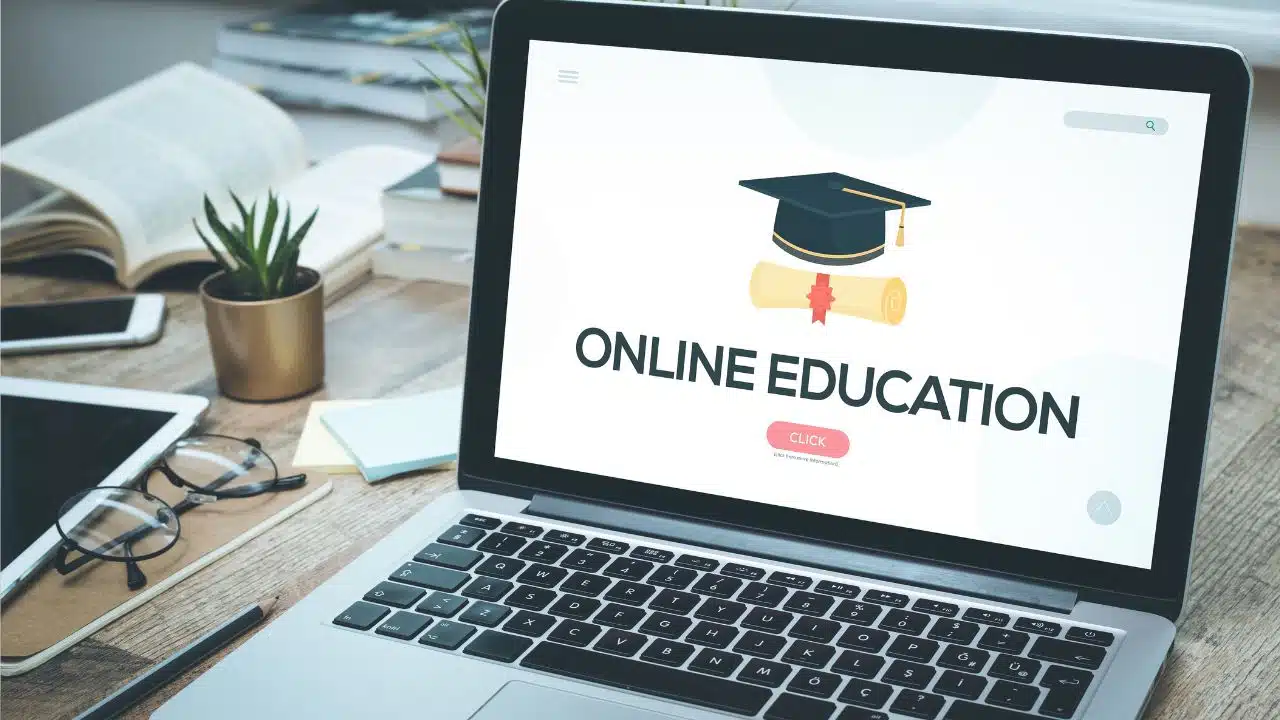
The world of education has undergone a massive transformation over the past decade. What was once confined to lecture halls and campus libraries has now expanded to digital platforms that connect learners across continents. Online master’s programs have emerged as one of the most powerful tools driving this change, giving professionals, parents, and students alike the chance to pursue advanced education without sacrificing flexibility, accessibility, or quality.
In the past, earning a master’s degree often meant relocating to another city or country, adjusting to rigid class schedules, and managing significant financial burdens. Today, technology has removed those barriers. Online learning platforms make it possible to access top-tier education from the comfort of home, the office, or even while traveling. This accessibility is not only reshaping how people learn but also who gets to learn.
One of the most significant advantages of online master’s programs is flexibility. Students can learn at their own pace, review lectures on demand, and schedule coursework around their professional and personal lives. For working professionals, this model provides the opportunity to continue gaining real-world experience while simultaneously advancing their academic qualifications. It’s education that fits into life, not the other way around.
Beyond convenience, the digital classroom offers an interactive experience that rivals traditional education. Through live sessions, discussion boards, and group projects, students connect with peers and professors from around the world. This exposure to diverse perspectives enriches learning and helps students build global networks that can enhance their careers. Collaborative tools, cloud-based resources, and multimedia content also create an immersive learning environment that stimulates engagement and creativity.
Credibility is another important aspect that has evolved with online master’s programs. Accredited universities now offer online degrees with the same rigor, curriculum, and faculty as their on-campus counterparts. Employers recognize these qualifications as equivalent to traditional degrees, acknowledging that online learners often possess additional strengths such as self-discipline, time management, and technological proficiency. These qualities are especially valuable in today’s remote and hybrid workplaces.
Affordability further adds to the appeal of online master’s programs. Without the costs of commuting, housing, or campus fees, students save significantly while still receiving a high-quality education. Many universities also provide flexible payment options or per-course tuition structures, allowing learners to manage costs more effectively. This makes graduate education more accessible to people who might have once viewed it as financially out of reach.
The variety of programs available online continues to expand as well. Whether in business, data science, public administration, education, or healthcare, students can find master’s programs tailored to their interests and career goals. Many institutions design these programs with direct input from industry professionals, ensuring that coursework reflects current trends and prepares graduates for today’s competitive job market.
The benefits of online education extend beyond professional advancement. For many, pursuing a master’s degree online is also a journey of personal growth. It requires adaptability, self-motivation, and persistence. These qualities not only lead to academic success but also translate into lifelong skills that empower individuals to take initiative and navigate complex challenges in their careers and daily lives.
Internationally, the impact of online master’s programs has been transformative. Students in developing regions or remote areas now have the same opportunity to access world-class education as those in major cities. This democratization of learning promotes global equality and helps bridge the skills gap that often limits career advancement in underserved areas.
Looking ahead, online learning is poised to play an even greater role in shaping the future of higher education. As technology continues to evolve, virtual reality classrooms, AI-powered tutoring, and personalized learning analytics will make online education more engaging and effective than ever before. The shift is no longer just about convenience; it’s about creating a smarter, more connected global education ecosystem.
In essence, online master’s programs represent a new era of learning that values accessibility, innovation, and inclusivity. They allow individuals to advance their careers, broaden their perspectives, and contribute meaningfully to a rapidly changing world. For anyone looking to invest in their future, online education is no longer a secondary option; it is the foundation of tomorrow’s higher learning experience.