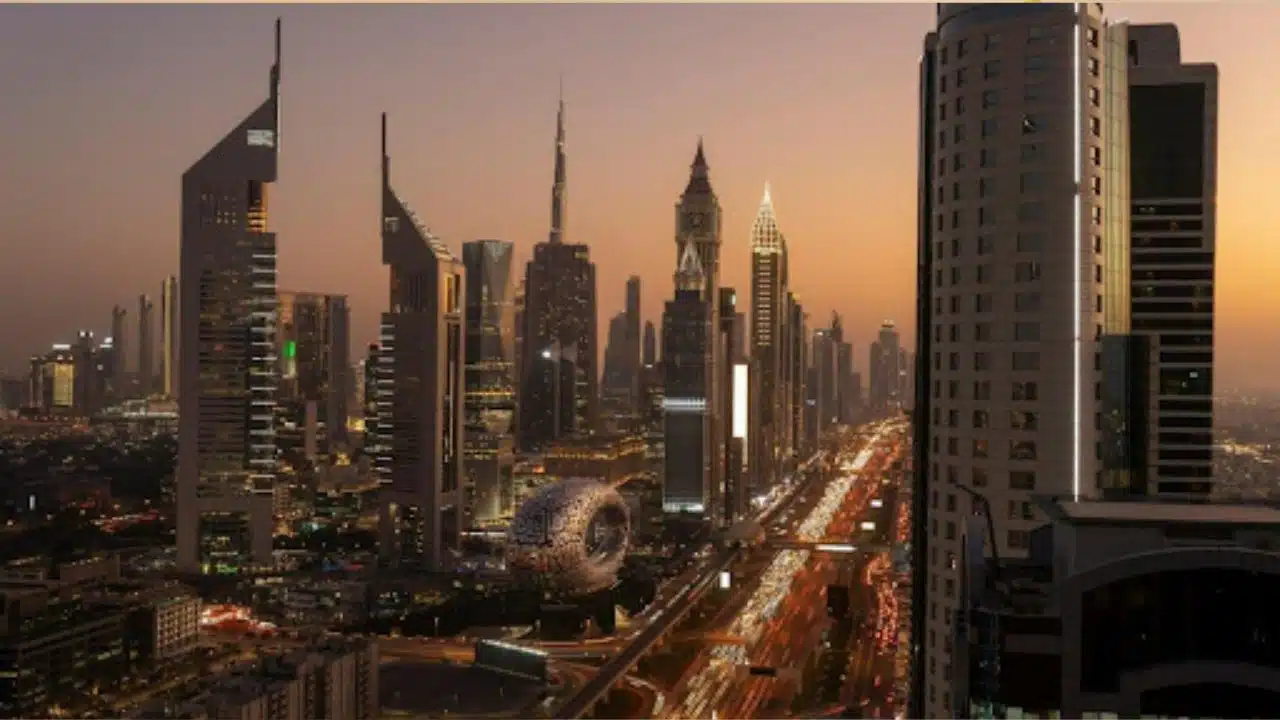
Dubai has long been a stage for audacious ideas. Yet the city’s newest act isn’t simply about record-breaking towers; it’s about quietly rethinking how people live, move, and belong. The result is a living laboratory where urban planning, technology, and culture interlock to produce neighbourhoods that feel both futuristic and surprisingly human.
From Megaprojects to Human-Scale Neighbourhoods
Yesterday’s skyline race is giving way to streets that prioritise shade, walkability, and community. Pocket parks cool local microclimates, mixed-use blocks keep daily needs close, and ground floors are animated with cafés and clinics rather than car ramps. In the property market, curators such as Luxhabitat are signalling how demand is shifting: buyers weigh daylight, material quality, and energy performance as seriously as views. This is the future city measured in minutes on foot, not kilometres by car.
A Digital-First Urban Operating System
Dubai treats the city like software, with services designed as APIs you can access from your phone. Utilities, payments, and permits live in unified apps; buildings talk to the grid; and sensors help public services anticipate rather than react. For residents, that translates to less queueing and more certainty. For planners, it means data that can fine-tune everything from bus headways to bin collection routes.
What that looks like on the ground
- Seamless government services and paperless transactions that reduce friction.
- “Digital twins” of districts to simulate traffic, shading, and emergency response.
- Smart building systems that cut waste via occupancy-based lighting and cooling.
Resilience by Design
A desert city must be resource-wise. District cooling plants reduce peak energy consumption. Permeable surfaces and native landscaping keep stormwater where it falls, and urban shading, such as arcades, trees, and canopies, make outdoor life viable for longer months. Along the coast and wetlands, conservation areas such as Ras Al Khor double as natural infrastructure, protecting biodiversity while buffering the city against extremes.
20-Minute Living and New Mobility
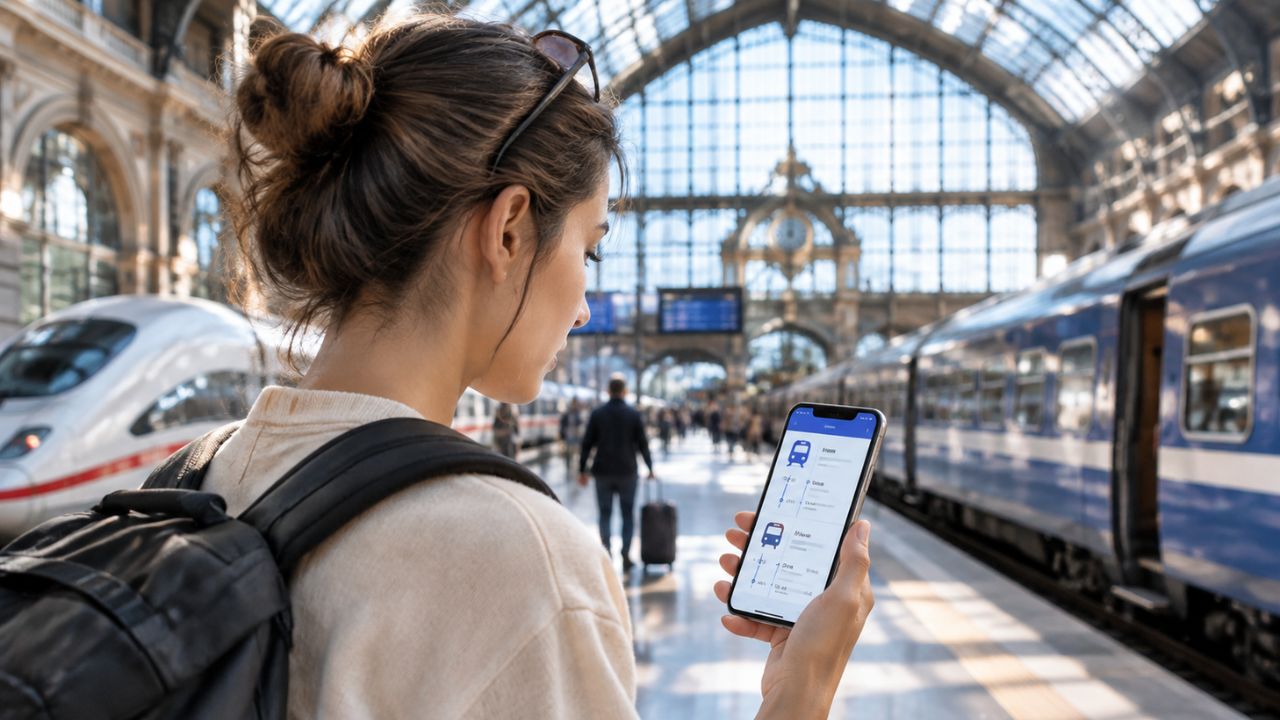
Metro, tram, and on-demand transit stitch together dense corridors, while last-mile options, such as e-scooters, shaded cycleways, and pedestrian shortcuts, pull trips under the 20-minute mark. Car ownership becomes optional when logistics hubs, grocery delivery, and click-and-collect weave into community centres. The next layer is autonomy: driverless shuttles and smart intersections are being tested to make movement safer and more predictable.
The Home as a Micro-Hub
Work, wellness, and social life now converge at the building scale. Flexible floor plans turn a spare room into a studio or office without major fit-outs. Lobbies evolve into co-working lounges; rooftops into edible gardens; podiums into gyms, learning rooms, and maker spaces. High-performance envelopes, filtered air, and acoustic comfort make apartments resilient during heat waves and dust events.
Culture, Inclusion, and Everyday Life
Dubai’s cosmopolitan mix needs spaces that respect routines. Family-friendly parks sit beside waterfront promenades; cultural districts incubate artists and small businesses. Night-time design (good lighting, wayfinding, shaded seating) keeps streets welcoming after sunset. Community kitchens, prayer rooms, and multi-purpose halls weave social life into daily life.
Governance, Standards, and Finance
Future cities are shaped by rules and cranes. Performance-based codes reward outcomes, such as thermal comfort and energy intensity, over box-ticking. Green leases align owner–tenant incentives. Tariffs that favour off-peak demand steady the grid. Public-private partnerships, tied to service levels, bring capital to transit, district energy, and public realm while preserving accountability.
What Other Cities Can Learn
- Design for comfort first: Shade, airflow, and materials beat novelty.
- Think mixed-use at eye level: Active ground floors and short blocks keep life nearby.
- Treat data as a public utility: Use it to manage demand, not monitor people.
- Build blue-green networks: Parks, wadis, and wetlands are climate infrastructure.
- Make the 20-minute goal non-negotiable: It unlocks healthier, lower-carbon routines.
The Real Test
Cities of the future won’t be judged by their tallest buildings but by the ordinary Tuesday they afford: a shaded walk to school, a reliable train, a cool apartment that sips energy, a neighbourly street where errands take minutes. Dubai shows that when you merge human-scale design with digital service delivery and climate-wise engineering, the extraordinary becomes everyday. That, ultimately, is the blueprint worth exporting – a city that feels effortless, because it has been relentlessly thought through.