
With the explosive growth of cryptocurrencies like Bitcoin, Ethereum, and newer digital assets, more investors are jumping into the crypto market than ever before. But with this new form of wealth comes an often-overlooked responsibility: taxes. In 2025, tax agencies across the world, especially the IRS in the United States, have become much more vigilant about enforcing crypto tax compliance.
This article will walk you through 10 essential crypto tax tips for investors to help you avoid penalties, stay compliant, and save money. Whether you’re a day trader, long-term holder (HODLer), or casual investor, these tips are designed to simplify your crypto tax journey.
Understanding the Basics of Crypto Taxation
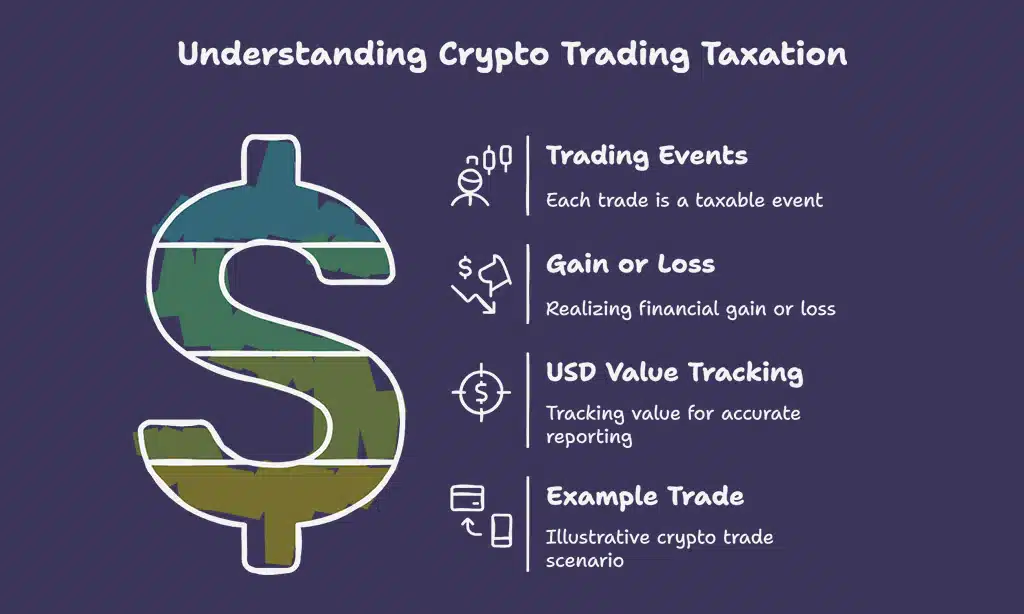
Cryptocurrency is not considered legal tender. Instead, the IRS classifies it as property, which means it is subject to capital gains tax. When you sell, trade, or use crypto, it can trigger a taxable event.
Common Taxable Events
| Activity | Taxable? | Tax Type |
| Selling crypto for fiat | Yes | Capital Gains |
| Trading one crypto for another | Yes | Capital Gains |
| Receiving crypto as payment | Yes | Income Tax |
| Mining and staking rewards | Yes | Income Tax |
| Gifting crypto | No* | (Report if over limit) |
*Note: Gifts over $17,000 in 2024 must be reported using IRS Form 709.
How Crypto Tax Laws Have Evolved
Crypto tax laws are evolving rapidly. In the U.S., investors must now answer a crypto question on Form 1040 and report transactions in detail using Form 8949 and Schedule D. Globally, countries like the UK, Australia, and India have introduced stricter guidelines for crypto earnings.
Major Updates in 2025:
- Centralized exchanges are now required to send 1099-DA forms to users.
- DeFi income and NFT sales must be reported.
- More countries are sharing crypto tax information through international agreements.
10 Essential Crypto Tax Tips for Investors
Navigating the tax landscape of cryptocurrencies can be challenging, especially with changing laws and evolving regulations. Whether you’re a beginner or a seasoned investor, these ten practical tips can help you stay on top of your tax obligations and make smart financial decisions. Each tip below covers a different aspect of crypto taxation and offers actionable advice to simplify your reporting process.
1. Keep Detailed Records of Every Transaction
Accurate record-keeping is the foundation of smart crypto tax planning. Without proper documentation, it’s almost impossible to calculate gains or losses correctly. In case of an IRS audit, these records will be essential in verifying your filings.
Tracking your trades is crucial. Every buy, sell, or trade must be recorded with the date, amount, and USD value.
What to Record:
| Field | Example |
| Date | January 15, 2025 |
| Coin/Token | Ethereum (ETH) |
| Quantity | 2 ETH |
| USD Price | $3,200 |
| Transaction Type | Bought |
| Platform | Coinbase |
Tip: Use tools like CoinTracker, Koinly, or ZenLedger to automate this process.
2. Know Your Holding Periods

Your holding period determines how much you pay in taxes. Short-term gains are taxed at higher rates than long-term ones. Planning your trades around these time frames can help reduce your tax bill significantly.
The IRS treats crypto as capital assets. This means how long you hold an asset before selling determines your tax rate.
| Holding Period | Tax Rate Type |
| Less than 1 year | Short-term |
| More than 1 year | Long-term |
Short-term capital gains are taxed as ordinary income (10% to 37%), while long-term gains enjoy lower rates (0%, 15%, or 20%).
3. Report All Income, Including Mining and Staking Rewards
Failing to report crypto income is a common mistake. The IRS treats mining and staking rewards as income, so they must be reported in the year they are earned. Keeping track of these rewards ensures you stay compliant and avoid trouble later.
Crypto earned through mining or staking is considered taxable income.
Example:
- If you earn 0.5 ETH in staking rewards worth $1,500 on the date received, you must report $1,500 as income.
This amount becomes your cost basis for calculating future gains or losses.
| Income Type | Taxed As | Example Amount |
| Mining | Ordinary Income | $2,000 |
| Staking | Ordinary Income | $1,500 |
| Airdrops | Ordinary Income | $300 |
4. Offset Gains with Losses Using Tax-Loss Harvesting
Tax-loss harvesting is a smart way to reduce your taxable income. By selling losing investments, you can balance out your gains and lower your overall tax bill. Be sure to avoid the wash-sale rule when doing this.
You can reduce your total tax by selling crypto at a loss to offset gains from other investments.
Example Scenario:
- Gain from BTC sale: $10,000
- Loss from ETH sale: $6,000
- Net gain: $4,000 (You only pay taxes on this amount)
Tip: This strategy is especially useful at year-end.
5. Be Aware of Airdrops and Hard Forks
Airdrops and hard forks can catch investors off guard. Even if you didn’t request them, once they hit your wallet and you can control them, they’re considered taxable. Mark the fair market value on the day you received them.
Airdrops and hard forks are taxable the moment you have control over the new coins.
| Event Type | Taxable? | Tax Value Based On |
| Airdrop | Yes | Fair Market Value at receipt |
| Hard Fork | Yes | Value at date of control |
Tip: Even if you don’t sell the coins, you still owe tax based on their market value when received.
6. Understand Crypto-to-Crypto Trades Are Taxable
Many investors assume trading one crypto for another isn’t taxable—but it is. Each trade is a taxable event where you realize either a gain or loss. Track the USD value at the time of each trade to report it accurately.
Swapping one crypto for another (e.g., ETH for SOL) is considered a sale of ETH and a purchase of SOL.
Example Trade:
- You bought 2 ETH for $4,000.
- Later, traded 2 ETH for 100 SOL when ETH was worth $6,000.
- Your capital gain is $2,000 ($6,000 – $4,000).
7. Utilize Tax Software or Professional Help
Manually calculating crypto taxes can be overwhelming. Tax software simplifies the process by syncing with your wallets and exchanges. For complex situations, a certified crypto tax expert can provide tailored advice.
Crypto taxes can be complex. Using crypto tax software or hiring a tax professional can save you time and money.
Top Crypto Tax Tools:
| Tool | Features | Cost |
| Koinly | Auto import, tax reports | Free to $179/year |
| CoinTracker | Wallet sync, IRS-ready forms | Free to $199/year |
| TokenTax | CPA service, DeFi support | Starts at $65/year |
8. Know How to Report on IRS Forms
The IRS has specific forms for reporting crypto income and gains. Using the correct forms ensures your returns are accurate and complete. Make sure to double-check figures and attach all necessary schedules.
The IRS requires investors to use several forms for crypto tax reporting.
| Form | Purpose |
| Form 8949 | Report capital gains and losses |
| Schedule D | Summarize total capital gains |
| Form 1040 | Declare income and answer crypto question |
Pro Tip: Always review your 1099 forms from exchanges.
9. Avoid Common Mistakes (e.g., Not Reporting Small Trades)
Even small errors can lead to big problems. Not reporting minor trades or misclassifying income could trigger IRS scrutiny. Double-check your reports and keep documentation to back up all your entries.
Many investors think small trades don’t matter. But failing to report even minor transactions can lead to penalties.
Top Mistakes to Avoid:
| Mistake | Consequence |
| Not reporting DeFi income | Underreporting |
| Ignoring small trades | IRS penalties |
| Double-counting transactions | Overpaying taxes |
| Mixing wallets and forgetting them | Incomplete records |
10. Stay Updated with New Tax Regulations
Crypto tax laws are changing fast. What was acceptable last year might not be valid today. Staying current with tax updates helps you avoid penalties and take advantage of any new deductions or credits.
Crypto tax laws change frequently. Staying informed is essential.
Where to Stay Updated:
| Source | Type |
| IRS.gov/cryptocurrency | Official updates |
| CoinDesk Tax Section | News articles |
| Twitter (e.g., @CryptoCPA) | Industry insights |
| Reddit /r/CryptoTax | Community support |
Crypto Tax Tips by Investment Type
For Day Traders
- Report each trade clearly.
- Use tax software to handle bulk transactions.
- Short-term gains apply (higher tax rate).
For HODLers
- Track the date of acquisition.
- Enjoy long-term tax benefits.
- Consider gifting crypto to reduce taxable estate.
For NFT Investors
- Taxed similarly to crypto.
- Minting and selling NFTs = income.
- Buying and reselling = capital gains/losses.
Crypto Tax Reporting Checklist for 2025
| Checklist Item | Status |
| All wallet transactions recorded | Yes |
| Crypto income from staking/mining | Yes |
| 1099 forms from exchanges received | Yes |
| Forms 8949, Schedule D filled | Yes |
| Reviewed by CPA or tax tool | Yes |
FAQs – Crypto Tax Tips for Investors
Q: Do I need to pay taxes if I didn’t cash out my crypto?
A: Yes, if you traded or used it in any way that qualifies as a taxable event.
Q: What happens if I don’t report my crypto income?
A: You may face fines, interest, or even audits from the IRS.
Q: Are crypto gifts taxable?
A: Not directly, but gifts over the IRS annual limit must be reported.
Q: Can I donate crypto for a tax write-off?
A: Yes, if donated to a registered charity. You’ll receive a deduction based on fair market value.
Takeaways
Cryptocurrency investing can be exciting and profitable, but it comes with tax responsibilities. Following these crypto tax tips for investors will help you stay compliant, reduce your tax burden, and avoid penalties.
Keep accurate records, understand taxable events, and use the right tools or professional services. In the ever-changing world of crypto tax laws, staying informed and proactive is your best investment strategy.