
For companies to thrive in a tech-focused era, choosing a sales system that works, like a good CRM, drives growth. To avoid getting bogged down by endless possibilities, you must understand what makes specific programs shine compared to the rest. Ready to choose a great tech sales program? This guide walks you through judging them.
Understanding Program Reputation
The industry’s best tech sales program is one that companies trust and choose consistently. Established programs frequently have a history of success and credibility. You’ll learn much by reading what others have said, checking out their experiences, and seeing real-world project outcomes. To really see how helpful the program is, chat with those who’ve already completed it. They’ll share their honest thoughts.
Assessing Curriculum Content
The curriculum is the backbone of any educational program. Tech sales training must cover the product itself, effective selling methods, and how to connect with customers. A complete program ensures everyone learns the technical and sales methods equally well. Seek educational pathways integrating practical applications, bridging the gap between theoretical understanding and functional execution. Direct, experiential engagement deepens comprehension.
Evaluating Instructor Expertise
Instructors are crucial in shaping the learning experience. When experts lead the classes, students gain current and practical skills needed for today’s jobs. Reviewing an instructor’s professional journey can help one readily grasp their subject mastery and instructional methods. An ideal program features instructors who have successfully navigated the tech sales landscape.
Analyzing Networking Opportunities
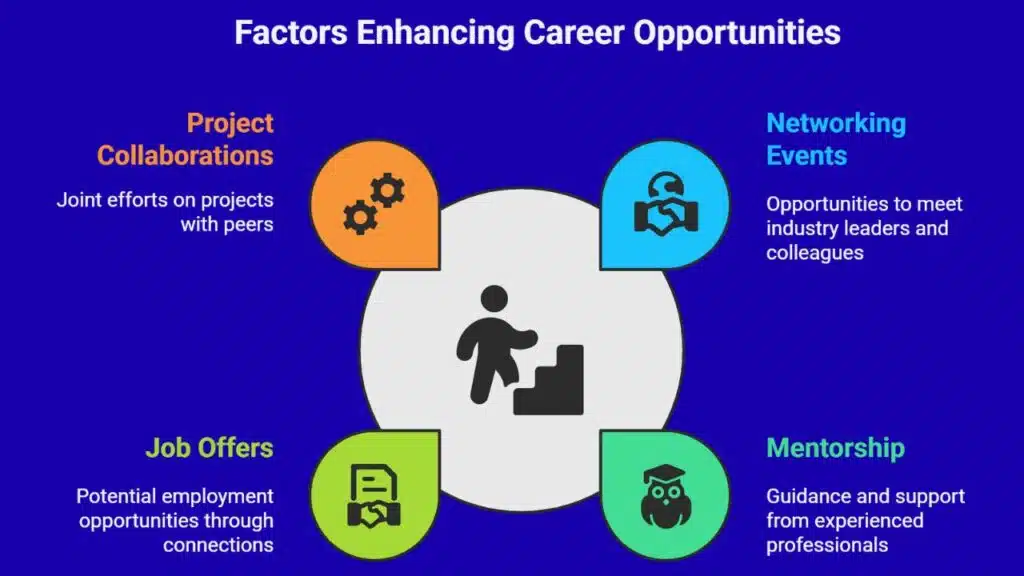
Networking opportunities can significantly impact a participant’s career. Meeting industry bigwigs and colleagues gives you a significant advantage. These programs make it happen. You might find a mentor, get a job offer, or join forces on a project through these relationships. Seek out programs with social gatherings or a tight-knit alumni group.
Measuring Success Rates
The success rate of a program is a reliable indicator of its quality. Proof that a program delivers results often shows up clearly: folks getting hired, earning more money, and moving up in their professions. Understanding how participants turn out gives us the facts to pick the best path.
Considering Flexibility and Accessibility
If you’re punching the clock, being adaptable makes all the difference. Programs offering online, part-time, or hybrid options cater to diverse needs and schedules. Students learn more effectively when they can easily access recorded talks or online articles, fitting various study methods.
Evaluating Cost and Return on Investment
How much something costs heavily influences what you choose. So, will what you spend truly come back to you? A more expensive program usually brings better study tools, expert teachers, and chances to meet people who can help your job search. Figuring out if something is a good deal means stacking up what you put in against what comes out.
Exploring Industry Partnerships
Programs with strong industry partnerships often provide additional advantages. Partnerships with technology companies usually deliver exclusive job openings, special training programs, and a direct line to what’s happening in the market. Imagine how much more you’d learn when schools team up with companies. Plus, these connections give you a huge advantage when you apply for jobs later.
Prioritizing Continuous Support
Support doesn’t end with program completion. Good programs go the extra mile. They offer constant help with your career, whether polishing your resume, running practice interviews, or finding open jobs. Keeping consistent help by your side pushes you closer to those big career dreams.
Checking for Program Accreditation
Accreditation signals that a program hits the industry’s mark. It means students will receive a solid education. Programs that hold official approval undergo strict checks and must meet high expectations. You can invest in a tech sales program feeling completely confident in your future.
Takeaways
Choosing the right tech sales program requires careful evaluation. By considering reputation, curriculum, instructor expertise, networking, and support, you can find a program that aligns with your career goals and equips you for success in today’s competitive market.