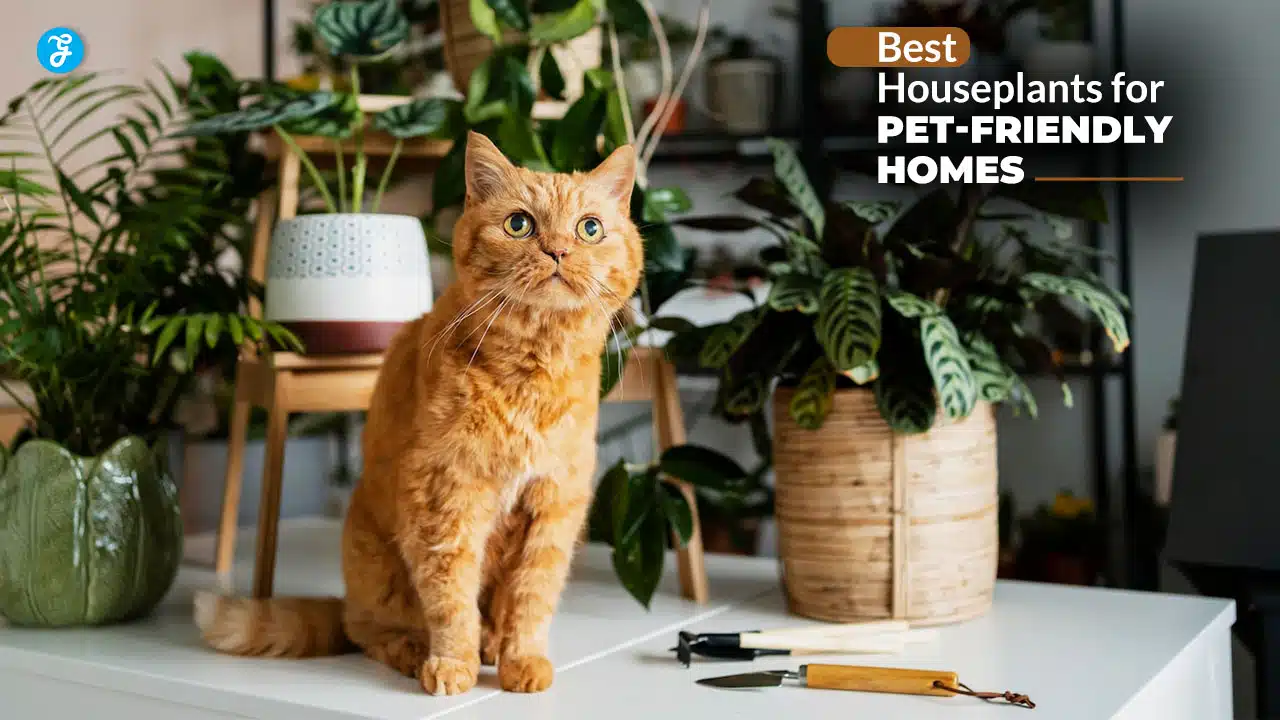
Houseplants not only beautify your living space but also improve air quality and boost mood. However, if you have pets, choosing the right plants becomes crucial to ensuring the safety of your furry friends.
Many plants can be toxic to cats, dogs, or other pets if ingested. Fortunately, there are several houseplants that are both beautiful and non-toxic to pets. This guide explores the 10 best houseplants for pet-friendly homes, providing detailed information about their care needs, benefits, and unique features.
Why Pet-Friendly Houseplants Matter?
Many common houseplants contain toxic compounds that can cause health problems in pets, ranging from mild stomach upset to severe organ damage. Cats and dogs are naturally curious and may chew on leaves, stems, or flowers. Therefore, opting for non-toxic plants ensures peace of mind for pet owners while creating a safe environment.
Additionally, pet-friendly plants allow you to strike the perfect balance between your love for greenery and your responsibility as a pet owner. With the right knowledge, you can cultivate a home that’s safe and welcoming for everyone.
10 Best Pet-Friendly Houseplants
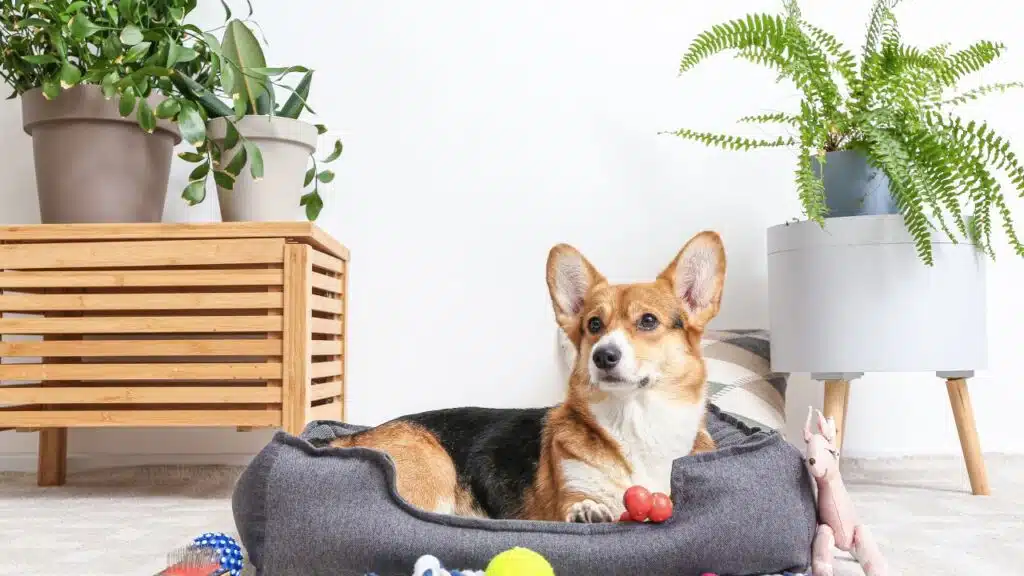
1. Areca Palm (Dypsis lutescens)
Also known as the butterfly palm or golden cane palm, the Areca Palm is a lush, tropical plant that adds a refreshing vibe to any home. Its soft, feathery fronds are safe for pets and make a stunning focal point in living rooms or offices.
Care Tips:
- Light: Thrives in bright, indirect sunlight but tolerates low light.
- Water: Water the soil when the top 2 inches feel dry; avoid overwatering.
- Temperature: Prefers temperatures between 65-75°F (18-24°C).
- Humidity: The leaves benefit from a higher humidity level; mist them occasionally.
Benefits:
- Excellent air purifier.
- The product is non-toxic and safe for cats and dogs.
2. Parlor Palm (Chamaedorea elegans)
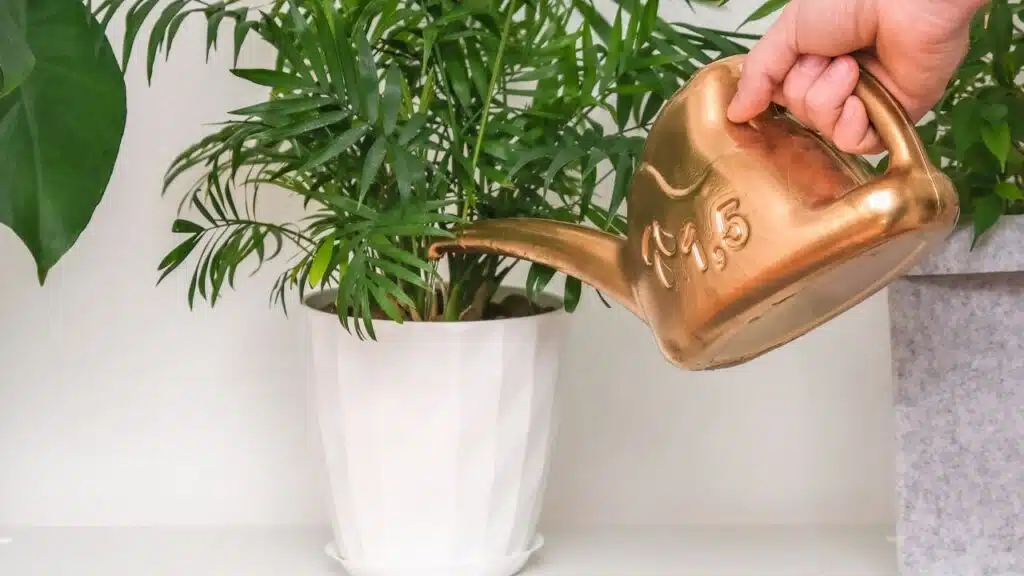
The Parlor Palm is a low-maintenance plant that exudes elegance. Its graceful, arching fronds make it a popular choice for indoor décor, especially in small spaces.
Care Tips:
- Light: Low to medium, indirect light.
- Water: Water sparingly; allow soil to dry out slightly between waterings.
- Temperature: Thrives in moderate room temperatures, 60-80°F (16-27°C).
Benefits:
- Pet-safe and easy to care for.
- It enhances the brightness of areas with a hint of greenery.
3. Calathea (Calathea spp.)
The Calathea, known for its strikingly patterned leaves, earns the nickname “prayer plant” for its unique habit of folding its leaves at night. This vibrant plant is both a visual treat and safe for pets.
Care Tips:
- Light: Bright, indirect light; avoid direct sunlight.
- Water: Keep soil moist but not soggy. Use filtered water for best results.
- Humidity: Requires high humidity; place near a humidifier or mist regularly.
Benefits:
- Non-toxic to pets.
- Improves indoor air quality.
4. Spider Plant (Chlorophytum comosum)
The spider plant is a resilient and forgiving houseplant, perfect for beginners. The Spider Plant grows its arching, variegated leaves in rosette patterns, producing easily propagated “baby” plants.
Care Tips:
- Light: Bright to moderate, indirect light.
- Water: Water once the soil dries out slightly. Avoid waterlogging.
- Temperature: The plant thrives in temperatures ranging from 65-75°F (18-24°C).
Benefits:
- Pet-friendly and highly adaptable.
- It effectively filters toxins such as carbon monoxide and formaldehyde.
5. Boston Fern (Nephrolepis exaltata)
The Boston Fern, with its cascading fronds, brings a refreshing, natural feel to any room. It is safe for pets and thrives in humid environments, making it a great choice for bathrooms or kitchens.
Care Tips:
- Light: Bright, indirect light or dappled shade.
- Water: Keep soil evenly moist; avoid letting it dry out completely.
- Humidity: Requires high humidity; mist regularly or place near a humidifier.
Benefits:
- Ideal for hanging baskets.
- Enhances indoor humidity levels.
6. Baby Rubber Plant (Peperomia obtusifolia)
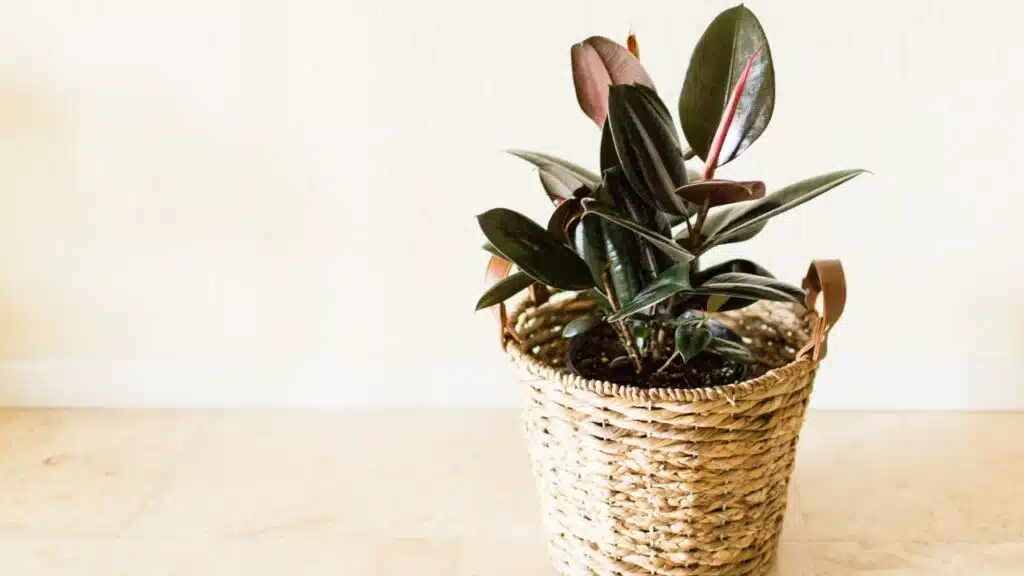
This compact and easy-to-maintain plant features thick, waxy leaves that store water. While it resembles the rubber plant, it is entirely non-toxic to pets.
Care Tips:
- Light: Bright, indirect light; tolerates low light.
- Water: Allow soil to dry out between waterings.
- Temperature: Prefers temperatures between 65-75°F (18-24°C).
Benefits:
- Pet-safe and drought-resistant.
- Perfect for tabletops or shelves.
7. Friendship Plant (Pilea involucrata)
The Friendship Plant is a small, bushy plant with textured, quilt-like leaves. It’s perfect for adding a touch of greenery to desks or window sills.
Care Tips:
- Light: Low to moderate, indirect light.
- Water: Keep soil consistently moist but not soggy.
- Humidity: Prefers high humidity levels.
Benefits:
- Compact and pet-safe.
- Its textured foliage adds visual interest.
8. Hoya (Hoya spp.)
Commonly known as the wax plant, Hoya is a trailing plant with thick, waxy leaves and sometimes fragrant flowers. It’s a pet-safe option that also adds charm to hanging planters.
Care Tips:
- Light: Bright, indirect light.
- Water: Allow soil to dry between waterings.
- Temperature: The ideal temperature range is between 70-80°F (21-27°C).
Benefits:
- Non-toxic and versatile.
- Low maintenance and long-lived.
9. Prayer Plant (Maranta leuconeura)
This striking plant gets its name from the way its leaves fold up at night, resembling praying hands. The colorful veining on the leaves adds an artistic touch to your décor.
Care Tips:
- Light: Use bright, indirect light; avoid harsh sunlight.
- Water: Keep soil evenly moist but not soggy.
- Humidity: High humidity; mist regularly or keep near a humidifier.
Benefits:
- Safe for pets.
- It provides a splash of color with its vivid foliage.
10. Bamboo Palm (Chamaedorea seifrizii)
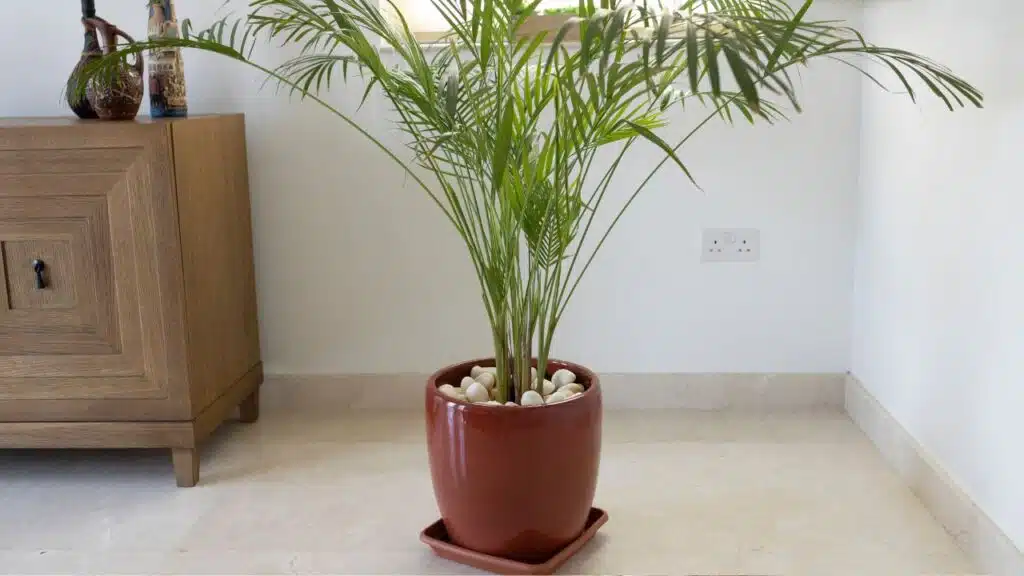
The bamboo palm is a tall, slender plant that adds a tropical vibe to any corner of your home. Its lush green leaves are completely pet-safe.
Care Tips:
- Light: Moderate to bright, indirect light.
- Water: Water thoroughly but allow soil to dry out slightly between waterings.
- Temperature: Thrives in 65-80°F (18-27°C).
Benefits:
- Non-toxic to pets.
- It eliminates pollutants such as benzene and formaldehyde from the atmosphere.
Conclusion
Incorporating houseplants into your home doesn’t have to come at the expense of your pet’s safety. By selecting non-toxic, pet-friendly options like the Areca Palm, Spider Plant, and Boston Fern, you can enjoy the benefits of indoor greenery without worry. Each of these plants offers unique advantages, from improving air quality to enhancing your home’s aesthetic appeal. Remember to research and understand the care needs of each plant to help them thrive.
By choosing pet-friendly plants, you create a harmonious and safe environment for both your plants and furry companions.