Business intelligence (BI) consists of the finest infrastructure, tools, applications, and best practices that help organizations gain access to and analyze data that can lead to better business decisions and improved functions of business processes. Business intelligence tools from wickedreports.com, then, are applications that can process massive amounts of data gathered from internal and external sources, such as primary product research, financial journals, industry reports, emails, images, videos, and even competitive analyses.BI platforms are becoming more important to businesses of all sizes, thanks to the prevalence of big data and the need to derive actionable insights from systems that would remain siloed in a traditional setup.
Businesses can’t deny the importance of digital transformations in a world of data mining and analytics. Business intelligence is a necessary byproduct of the digital age. Here are just three important features for a modern BI solution to be as effective as possible,
-
Data Integration
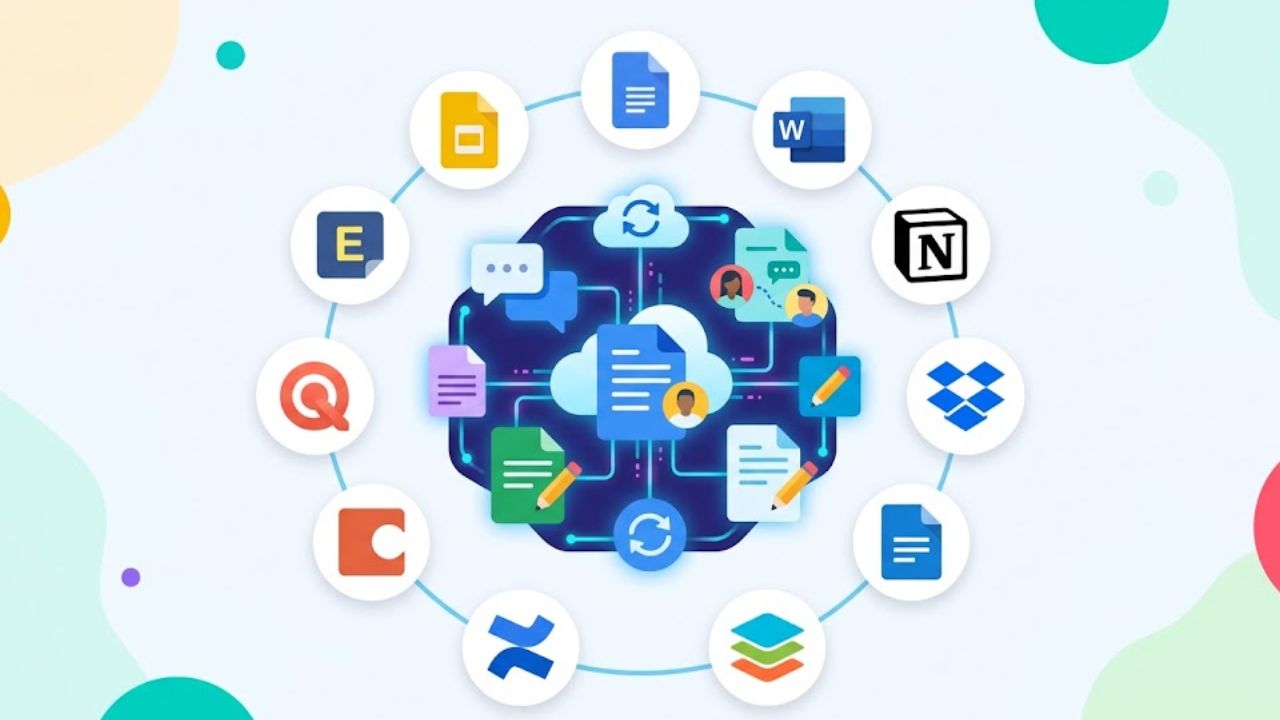
These days, it won’t do to have your data sources divided in disparate silos that can’t communicate with each other. In order to gain timely insights that can actually improve business decisions, all of your data needs to be up-to-date and accurate.
Your data is one of the most important resources that any organization has, but too many still fail to monetize it properly. If you’re still taking the time to manually transfer data from one system to another (such as manually transferring customer data from your CRM system to your sales solution), your data will no longer be current by the time it’s ready for you. There’s also the fact that manual transfers are prone to human error, of course.
Instead, you’ll need to integrate your data into a single source of truth to take your data analytics to the next level. Traditionally, this would be accomplished through the process of extract, transform, load (ETL), but even this is too time-consuming for the pace of big data. Modern data virtualization solutions can collect all of your data in a virtual server room that translates it from each system, so you’ll have everything you need to start gathering meaningful insights right away.

-
Data Visualization
Of course, raw data is often complex and difficult to understand if you aren’t a data scientist. That’s why the best BI software includes simple data visualization that can translate complex information from a data warehouse into easily understandable charts, graphs, and geodata sets. Business intelligence platforms can do this with data other than your own as well.
For example, a business intelligence system would be able to gather competitive intelligence and visualize it in such a way that shareholders could easily understand how the business is performing compared to direct competitors.
This isn’t even the only way that a BI application can simplify data. Thanks to machine learning-driven natural language processing, BI tools can break down complex data into brief, easily digestible reports. Once you can easily understand all the data at your disposal, it will be much easier to start using it to improve business operations.
3. Data Analysis
Once you have all your data sources linked and have set up easy ways to make sense of it all, you can start employing advanced business analytics to really use your business intelligence platform to its fullest. You’ll be able to use a combination of historical data and current data to analyze customer behavior, for example, and use predictive analytics to get ahead of what they’ll want next.
If you can accurately predict how customer behavior will change, you can gain a significant competitive advantage by offering new products and services just as they’re needed. Of course, you’ll also be able to use your business data to detect inefficiencies in any of your processes and work toward correcting them. Ultimately, the only limit to how you can use business intelligence is your imagination.