The EV revolution is well underway, and everyone wants a piece of the action. As practically every manufacturer rushes to electrify, one has emerged as the clear monarch, both in terms of sales and creativity. Tesla is the first all-electric automaker to establish itself as a long-term mass-market manufacturer, and it is here to stay. Since its inception in 2003, the automaker’s unique approaches have sent shockwaves throughout the global auto industry. Tesla’s influence in the automotive industry is expected to grow in the future, with the business at the vanguard of electric car research and striving, at least in principle, for a greener, more sustainable world.
Despite the fact that it only began sales in 2008 and that its first car barely made a dent in the market, Tesla has quickly gained exceptional notoriety for its commitment to unique and out-of-the-box solutions. EVs are changing the automotive scene, and Tesla’s breakthrough electric vehicles have disproved many myths about them. While the number of ways Tesla has altered the automobile industry is extensive, here are ten of the most noteworthy.
Tesla Was the First to Bring Electric Vehicles Into the Mainstream
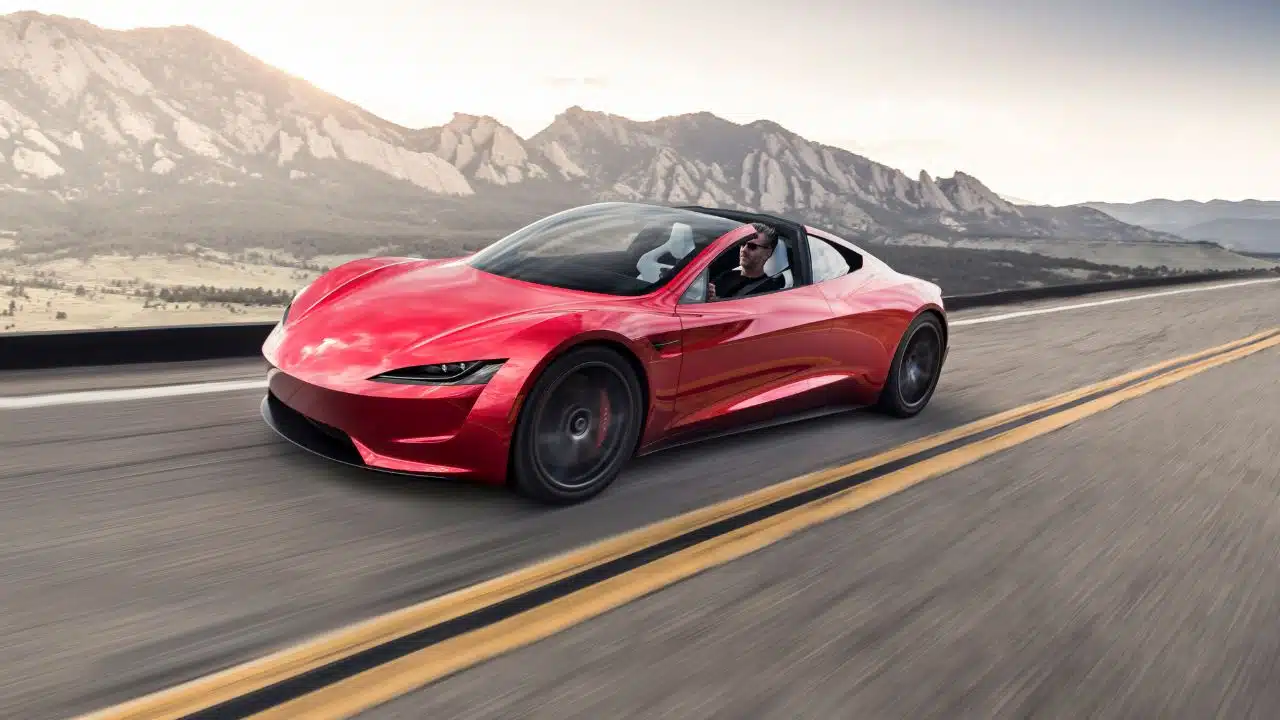
EVs were once seen to be ‘nerdy’ and ‘uncool,’ but Tesla has transformed electric vehicles into trendy and sought-after vehicles. Its automobiles have appeared in films and television shows, and are frequently regarded as prestige symbols. Tesla accomplished this by creating electric vehicles with a variety of compelling characteristics, including elegant and well-crafted designs, high-tech features, practicality, and, most recently, straight-up value for money. Furthermore, Tesla’s vehicles have outstanding power and speed, outperforming many gasoline-powered automobiles.
This move has significantly changed the perception of electric vehicles as boring and uninteresting. Combine that with Tesla’s clever marketing strategies, which always manage to create a splash, and you have a prescription for unfettered success. As a result of Tesla’s achievements, EVs have now entered the mainstream, and competing automakers are now investing heavily in electric vehicles, accelerating the growth of the electric car market.
It Has Sped up Mass EV Adoption
You would have laughed if someone had told you in 2008 that the world’s best-selling automobile would be an electric Tesla. However, this is exactly what has happened, and the Tesla Model Y is now the world’s best-selling EV. Yes, there were EVs before Tesla, but none of them made a significant impact on the industry until the Model S, followed by the more economical Model 3 and Model Y.
Prior to Tesla’s effect, electric vehicles were regarded as impracticable, and many people were hesitant to embrace them as everyday drives; however, this is no longer the case, and EVs are on track to supplant ICE-powered vehicles in the very near future. Tesla has accomplished this by covering all bases in order to make EVs accessible to everyone, and Elon Musk and company’s efforts appear to be paying off.
It Has Significantly Improved EV Charging Infrastructure
One of the most common criticisms leveled at electric vehicles is a lack of charging infrastructure. While that is mostly correct, getting a Tesla solves the problem entirely. Tesla’s charging infrastructure is a cornerstone of the company’s disruptive impact on the electric car market, and its visionary Supercharger network has changed people’s perceptions about EV practicality by providing quick and convenient charging. This network, strategically situated along key highways and within urban areas, eliminates range anxiety, an EV owner’s worst nightmare.
Tesla’s emphasis on developing charging infrastructure has not only encouraged buyers to view EVs as viable alternatives to traditional automobiles, but it has also prompted other automakers and governments to invest in similar charging networks. Tesla is also opening out its network to other manufacturers, cementing Tesla’s position as the driving force behind the EV revolution.
It Has Made Over-The-Air Updates Popular
Many people are unfamiliar with over-the-air software updates for their vehicles, but Tesla has helped to popularize this as well. Tesla offers over-the-air upgrades to keep your vehicle up to date with the latest features. It’s as simple as upgrading your phone to check for updates: use your Tesla’s central touchscreen to download them through Wi-Fi.
While the majority of people connect this type of software upgrade process with smartphones, Tesla’s use of over-the-air updates for cars is more than a gimmick. For example, as long as there is no physical damage to the vehicle, your Tesla can undergo remote repairs without requiring a visit to a dealership. Of course, this kind of connectivity has drawbacks, the most important of which are privacy concerns. While the discussion about those will continue, OTA updates for automobiles are being extensively embraced and will soon become the standard.
It Has Hastened the Development of Self-Driving Cars
Self-driving cars have long been regarded as a “thing of the future,” and Tesla is at the forefront of this trend. Tesla isn’t the only company working on self-driving technology, but its Autopilot and Full Self-Driving (FSD) systems are likely the most polished options available so far. However, the moniker is somewhat misleading at the moment, and while many people believe Tesla vehicles can drive wholly autonomously, particularly after watching demonstrations of the latest FSD version, this potential has not yet been fully realized.
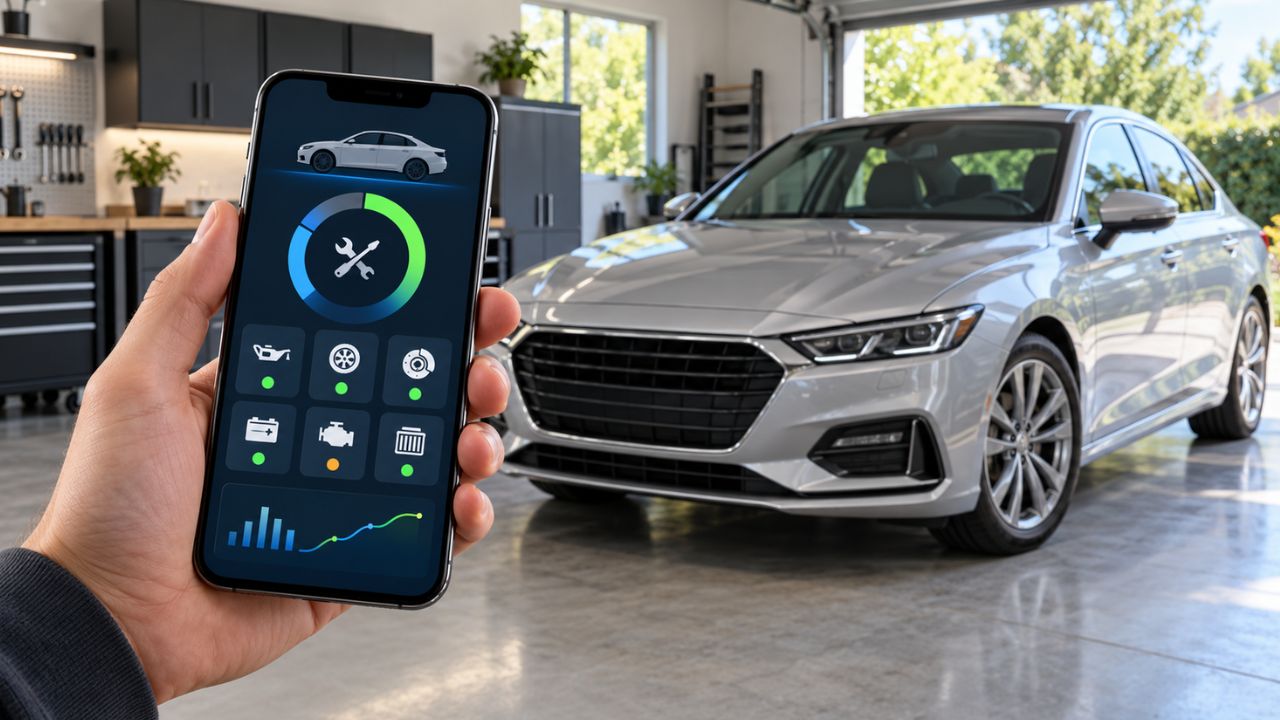
Even with FSD enabled, Tesla vehicles require driver interaction. Summon is another outstanding feature of Tesla automobiles. This feature allows you to manage your automobile using a smartphone app, allowing you to move the car out of tight spaces without having to get inside it. Many other manufacturers are following suit with similar capabilities, and while we can’t predict when self-driving vehicles will be a viable option for consumers, we do know that Tesla will be among the first to do so.
It Has Brought Us Here. Infotainment Systems Using Giant Screens
This particular trait is a two-edged sword in that it has both supporters and detractors. While some adore Tesla’s all-encompassing center touchscreen, others regard it as an unrealistic eyesore. Tesla’s decision to have a single screen control practically every aspect of the vehicle is even more polarizing, and several manufacturers are taking a hybrid approach.
The original Model S had a 17-inch screen, and every subsequent Tesla has had one as well. This has also led to the creation of larger displays, such as the 56-inch Hyperscreen in the Mercedes EQS, which spans the whole width of the cabin. Regardless matter where you stand on the topic, enormous screens in the middle of cars are here to stay, and practically every new EV incorporates one.
Tesla Has Made Buying Cars Online More Common
Nowadays, practically anything can be ordered online, but buying a car online still seems like a strange idea. Tesla is out to alter that, and its online ordering system offers a number of features that put convenience first, letting customers place orders from anywhere and at their own pace. Its attractiveness is increased by the inclusion of transparency and customisation as well as by the lack of dealership markups and potential cost savings.
Online car ordering has its share of drawbacks, such as the inability to test drive the vehicle you want, but since consumer behavior is changing quickly, it won’t be long before ordering a car online becomes as commonplace as purchasing clothing or a phone from an online store.
It Introduced the Idea of Gigafactories
Constructing an EV is very different from constructing a standard ICE-powered vehicle, and since Tesla is the industry leader, other companies are copying its methods for making the various parts. Since Tesla’s battery production facilities would produce so many batteries that their combined energy capacity would equal billions, or “giga,” the term “gigafactory” was originally reserved for those facilities, but they have since evolved into much more, with Giga Texas already producing Model Ys and more models planned for the future.
Currently, Tesla runs five gigafactories: three in the United States, one in China, and a brand-new one that is only partially operational in Germany. Big names like Mercedes-Benz and Volkswagen are following Tesla’s lead as the industry transitions to electrification. Mercedes established its own battery production plant in Alabama, and VW intends to build six different facilities in Europe by 2030, with an expected output of 40 gigawatt-hours of energy capacity annually.
Tesla Has Emphasized Direct Customer Sales Over Dealerships
Car dealerships have long been a component of car sales, but Tesla has chosen a different path, altering the entire concept of buying cars. Tesla has altered the way consumers can go about the process by avoiding the traditional dealership approach, reducing barriers such as dealer markups, which frequently raise customer expenses. Buying a Tesla is a more streamlined experience: buyers may personalize their vehicle, complete the setup, and confirm the transaction online through the company’s website.
You can also go to a Tesla store, which are generally located in city centers, and purchase your new Tesla there. This strategy has landed Tesla in hot water, as many jurisdictions in the United jurisdictions prohibit direct manufacturer auto sales. Tesla, on the other hand, appears to be sticking to it, and others may soon follow suit.
It Has Blurred the Distinction Between a Regular Automobile and a Supercar
Most people have a very precise idea of what a supercar is, which is usually a sleek, exotic automobile that spits fire, goes fast, and costs an arm and a leg. Enter the Model S Plaid, an EV with four doors and a basic interior that looks much like a regular Model S. When you put your foot down, the beast is unleashed, as its 1,020 horsepower allows it to sprint from 0-60 mph in less than two seconds.
This means that your sedan can now outpace practically all high-end supercars that look and cost far more than the Model S. Some may not consider it a supercar, but the Model S Plaid is certainly dealing in superlatives, and others, like as the Ludic Air Sapphire, have also joined the party in this new section of the market, leaving others in their wake.