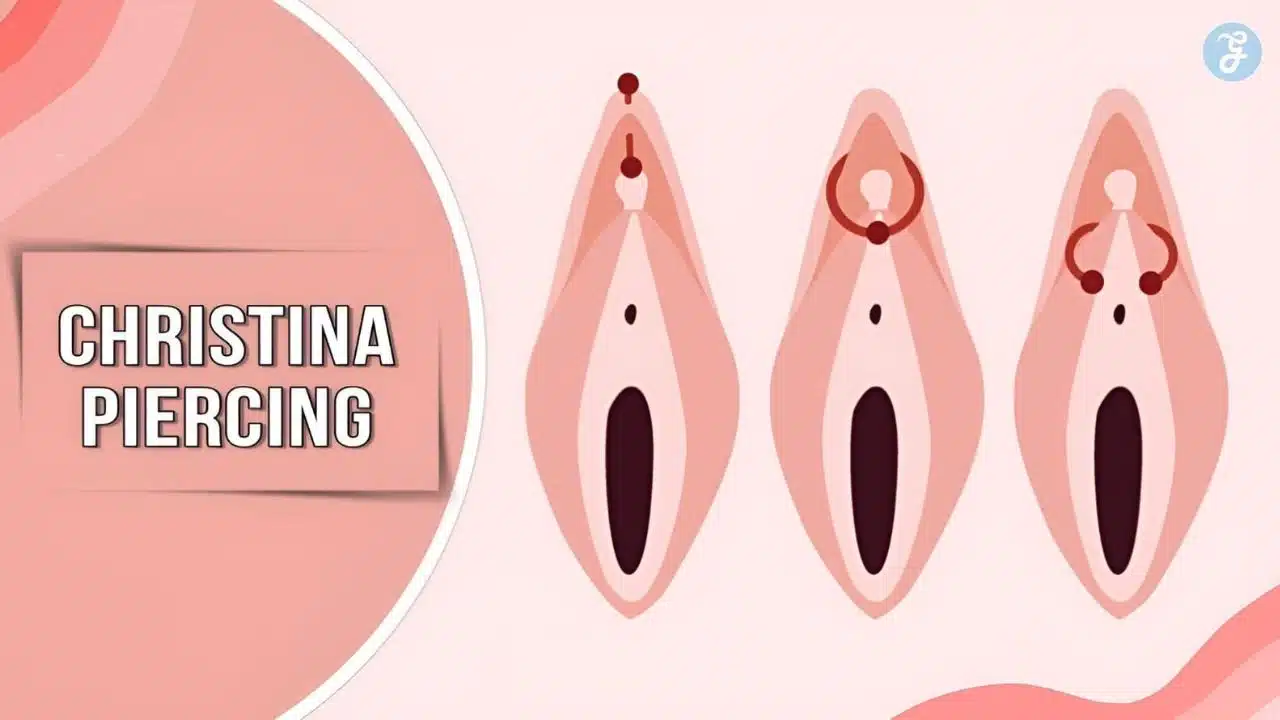
Are you considering getting a Christina piercing but unsure what it involves? Named after the ancient Roman goddess of love and beauty, Venus, this unique piercing adds an aesthetic appeal to your body.
This blog post gives you the information you need to decide on a Christina piercing. It covers the procedure, healing time, and common jewelry types.
Ready for enlightening facts? Read on to learn more!
Key Highlights
- Christina piercing is a type of genital piercing located at the top part of a woman’s private area. It adds aesthetic appeal to the body.
- It does not provide direct sexual pleasure, but it can boost self-image and mood in intimate moments. The piercing makes some individuals feel sexy and daring.
- Eligibility depends on having enough loose skin in the pubic mound area. Jewelry options include stainless steel, implant-grade titanium, and gold alloys.
- The procedure uses a sterilized needle to insert L-bar jewelry. Good aftercare helps promote healing and reduce risks of infection or rejection.
- Healing time may range from 2 to 4 months. Some report healing that takes 6 to 9 months. Your body and care routine affect the timeline.
What Is Christina Piercing?
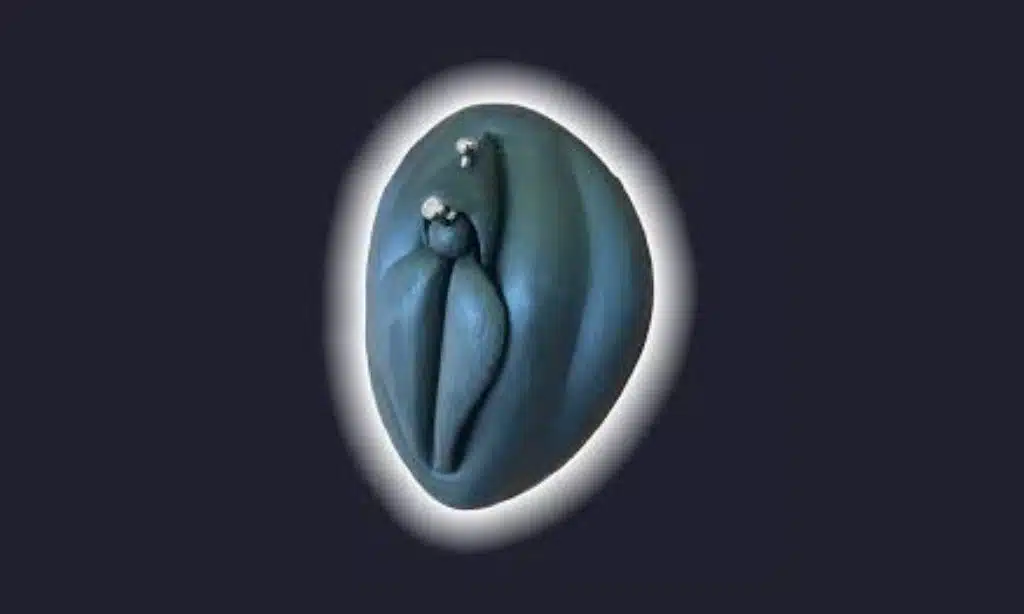
A Christina piercing is a type of genital piercing placed at the mons pubis. It is set where the outer labia meet.
Location and appearance
This piercing sits on the upper part of a woman’s private area. It starts where the outer parts join and ends at the pubic mound. The spot forms a fold above the hood. The piercing has a vertical look that stands out. The body must show a clear fold to support the placement.
It is placed vertically at the apex of the labia majora where they meet below the pubic mound.
Sexual benefits for the individual
A Christina piercing can improve how you view your body. Good looks can lift your mood during intimacy. The piercing serves a cosmetic purpose. It does not touch spots linked to direct pleasure like a clitoral piercing. Many experience a boost in confidence and bold energy.
You can also read – Aftercare and Clit Piercing – Safety, Health Risks, and Benefits
Sexual benefits for the partner
A Christina piercing offers no direct sexual perks for the partner. This piercing is meant for appearance. It does not affect nerve endpoints in a way that boosts pleasure. The appeal lies in how you view your body. No extra stimulation is provided to your partner.
Additional Anatomical Details
This piercing is placed at a strategic spot. It is positioned at the top of the vulva. The jewelry sits where the labia majora meet below the pubic mound. The design resembles a bellybutton piercing, though it is lower on the body.
The anatomy must allow a clear fold to support the jewelry.
The procedure starts with an evaluation of the tissue. Professionals often use a pinch test to check if the skin can hold the jewelry without tension. This check is vital and helps lower the risk of rejection. Experts assess each client’s anatomy to ensure the best results.
Eligibility and Jewelry Options
To get a Christina piercing, you need enough loose skin above your clitoral hood. Different jewelry types suit this piercing. Options include curved barbells and captive bead rings. The placement requires sufficient tissue at the pubic mound for stable positioning.
You can use metals like surgical steel or titanium. Acrylic or glass may also be used. Each material has its benefits. Initial placements often use curved barbells or L-bars to allow for swelling after the procedure.
Who can get a Christina piercing?
You must meet certain criteria for this piercing. It works best for those with a pubic mound that fits well with the jewelry. Consult with a professional piercer who can assess your anatomy. They will confirm if you qualify. Your individual anatomy matters, so not everyone may be eligible.
Types of jewelry used for Christina piercings
Different jewelry types suit this piercing. These are the options:
- Stainless Steel: It is common and affordable. This metal lasts and is easy to care for.
- Implant Grade Titanium: This type is one of the safest. It is hypoallergenic and suits sensitive skin.
- 14k to 18k Gold: Gold adds elegance. It is hypoallergenic and works well with sensitivity issues.
Different metals and materials for jewelry
Choosing proper jewelry is important. Consider these options:
- Quality metals: Choose body-safe metals like titanium or surgical steel. They reduce allergy risks.
- Gold alloys: Many use 18k gold alloy. It offers durability and a pleasing look.
- Affordable brass: Brass is cheaper. Be aware that it may tarnish or irritate the skin.
- Precious platinum: Platinum offers a rich look. It is hypoallergenic and strong.
- Colorful pigments: Some jewelry uses metal pigments. They create a range of colors.
High-quality metals such as implant-grade titanium or 14k+ gold are advised to reduce allergic risks. Avoid nickel-containing alloys that may cause irritation.
The Christina Piercing Procedure
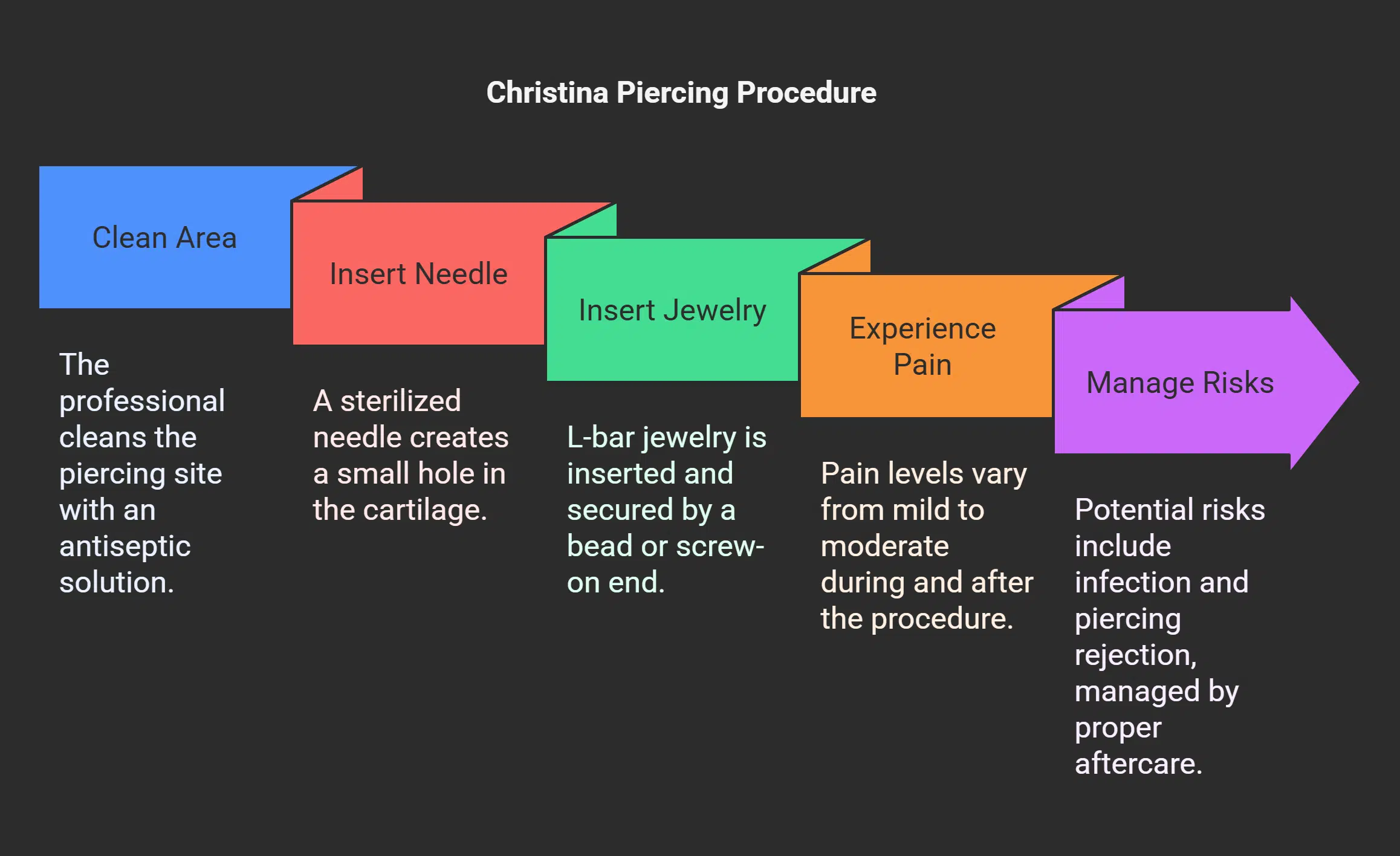
The procedure uses a clean method to insert the piercing. The professional cleans the area with an antiseptic solution. A sterilized needle creates a small hole. L-bar jewelry is inserted and secured by a bead or screw-on end. The step-by-step method ensures safe placement.
Some pain may occur. Pain levels vary by person. The piercing may hurt more than softer tissue piercings. The cartilage is more sensitive. Short-term pain during and after the procedure is common. Some discomfort happens during healing. Many say the pain is usually 3 to 4 on a scale of 10.
Pain levels and discomfort
Pain varies from person to person. Some feel mild pain. Others feel more. The needle in cartilage may increase discomfort. Short-term pain is typical during and after the piercing. The healing stage may also bring some discomfort.
Potential risks and complications
There are a few risks with a Christina piercing. Infection is a main concern. It can cause pain and may need medical help. Blood-borne infections might occur if hygiene is poor. Choose a professional who follows safe practices.
There is also a chance of piercing rejection. Irritation from activities or clothing can trigger this. Rejection can occur in about 15 to 20 percent of cases because of shallow placement or friction. Watch for signs like enlarged holes or red, flaky skin.
Good aftercare helps reduce these risks. Clean and follow the instructions your piercer provides. Stop any activity that may harm the piercing.
Healing Time and Aftercare
Healing time is a key factor. Some see healing in 2 to 4 months. Others take up to 6 or 9 months. Your healing time depends on your body and care routine. Use safe aftercare methods to help recovery.
Typical healing time
Healing time can vary a lot. The usual range is 2 to 4 months. In some cases, it takes 6 to 9 months. Your level of health, care routine, and body type affect this period. Follow your piercer’s advice carefully.
Cleaning with saline solution helps healing. Avoid products that could harm the area. Some individuals may take up to 12 months to fully heal.
Proper aftercare practices
Aftercare is very important. Clean the area daily with mild soap and warm water. Use a soft cloth or cotton swab to remove crusties. Do not touch the piercing with dirty hands. Perform a saltwater soak twice a day. Mix 1/4 teaspoon of sea salt in 8 ounces of warm water.
Avoid swimming in pools or hot tubs. Wear loose clothing that does not irritate the area. Refrain from oral contact until healing is complete. Change jewelry only after the piercing has fully healed. Pre-packaged saline, like NeilMed, works best because it has the right salt concentration.
Signs of infection or complications
Watch the piercing for signs of trouble. Redness, swelling, and severe pain can signal infection. Unusual discharge or fever also warn of a problem. Get help if these symptoms appear. Cleanliness and care help prevent these issues.
Additional Healing and Aftercare Advice
Healing from a Christina piercing takes time. Many people find that healing can occur within 2 to 4 months, though some cases extend to 6 or 9 months and even reach up to 12 months. The extended healing period gives your skin a chance to fully settle around the jewelry.
This process reduces the risk of complications and rejection.
Aftercare is key for a smooth recovery. Clean the area twice daily with sterile saline and avoid using products that may shed fibers. Loose, cotton clothing helps protect the piercing while it heals. Follow your piercer’s guidelines and use gentle cleansers to keep the area safe.
Changing and Retiring the Piercing
You can change the jewelry once the piercing heals. Do this carefully. It is wise to get advice from a professional piercer before removing jewelry. They show the proper way to change or retire the piercing.
How to change the jewelry
Wash your hands with antibacterial soap. Clean the piercing with sterile saline solution or aftercare spray. Use a cotton ball with warm water to loosen crust or debris. Unscrew the ball or end of the jewelry gently. Use a water-based lubricant if needed.
Place the new jewelry through the hole with care. Screw on the ball or end until it is secure but not too tight.
When to retire the piercing
You may remove the piercing if you no longer want it. Wait until the opening fully heals before removal. Clean the area with saline solution during the healing phase. Allow at least 2 weeks before considering re-piercing. Scarring may occur, so take good care of your skin.
Cost of a Christina Piercing
The price of a Christina piercing can change by factors. The typical cost lies between $50 and $100. Prices depend on location and the service provider. Research to compare prices. Quality and safety must guide your decision.
Average cost range
The cost usually falls within $50 to $100. Some factors may cause a wider range. The local market and provider skills influence pricing. Safety and quality remain key.
Factors that impact the cost
Prices depend on several factors. The location matters. Costs in large cities tend to be higher. Jewelry type also affects the price. High-quality metals and designs cost more. The piercer’s skill level is a factor. Extra services like numbing cream add to the fee.
Clarifying misconceptions about Christina piercings
There are common misunderstandings about Christina piercings. Some think it is a clitoral piercing. It is not. The piercing sits at the top of the vulva where the labia meet. Many assume it boosts sexual pleasure. The piercing focuses on ornamental appeal. Pain levels differ for each person.
Data on rejection rates is limited. Consult a professional for clear advice. Some assume aftercare is minimal. Good care is required to avoid infection. Not everyone may be a good candidate. Consider your anatomy. Clothing may catch on the piercing. Use caution with your attire.
Infection risks exist if you do not keep the area clean. Jewelry choices may be limited.
Customer Experiences and Testimonials
Customer stories shed light on the piercing journey. People with Christina piercings share their accounts. They explain how the piercing changed their self-image. Their feedback covers both benefits and challenges. These stories help you understand what to expect.
Hearing from individuals with Christina piercings
Readers gain clear insights from these accounts. Many state that the piercing improved their genital self-image. Their experiences cover both ups and downs.
The shared feedback focuses on practical aspects of the procedure, care practices, and impact on life.
Sharing their stories and feedback
Some people state that the piercing enhanced their personal style and mood. Their accounts cover the care routine and jewelry changes over time. The testimonials help clarify aspects of the procedure.
Frequently Asked Questions (FAQs)
Find answers to common questions about Christina piercing below.
1. What is a Christina piercing?
A Christina piercing is a female genital piercing. It goes vertically through the skin at the pubic mound, just above the clitoral hood.
2. Does getting a Christina piercing hurt?
Pain levels vary. The procedure is generally moderate in pain because of the sensitive area being pierced.
3. How long does it take for a Christina piercing to heal?
Healing time can range from 6 months to 1 year or longer. Differences occur based on care and individual health. Follow aftercare guidelines to help recovery.
4. Are there any risks or complications associated with getting a Christina piercing?
Yes. Risks include infection, bleeding, allergic reactions, migration or rejection of the jewelry, and possible challenges during sexual activity. Follow proper aftercare and consult a professional if problems occur.
Disclosure: This article is written by a specialist with many years of experience in body modification. I researched this topic using trusted sources and expert guidelines. I reviewed reputable publications and consulted industry professionals.