
The right app depends on the moment you’re in: a broad map when you’ve just landed, a local’s tip when the map fails you, a booking tool when dinner can’t be left to chance. This list rounds up 15 options for exactly those situations.
Google Maps is the most useful starting point for many trips, while specialist apps solve narrower problems better. The picks are ordered by how much they help during a real trip, not by app-store ranking.
Quick list of all 15 apps
- Google Maps
- Tripadvisor
- TheFork
- OpenTable
- World of Mouth
- HappyCow
- Yelp
- Mapstr
- Untappd
- Eatwith
- Too Good To Go
- Mamakoo
- Beli
- Zomato
- Falstaff
Each entry covers what the app does, why it earned a place, who should use it, and the catch to check before downloading.
1. Best Food Discovery Apps for Travelers: Google Maps
Open Google Maps first when you land somewhere new. It is the strongest starting point for most trips, and here is why:
- Restaurant apps for travel: One search box covers restaurants and bars, plus individual dishes and places close to where you are standing.
- Integrated information: Maps, reviews, opening hours, photos and turn-by-turn directions all sit in a single view.
- Broad coverage: Few of the best food discovery apps for travelers around the world match its reach. Google Maps works across nearly every destination, from street vendors to high-end dining.
- Real-time data: You see current opening hours and recent reviews without switching apps.
Verify recent reviews and opening hours before you walk to a place. Treat it as your broad starting point and add other sources as needed.
2. Tripadvisor for Broad Traveler Reviews
When a restaurant looks promising, TripAdvisor lets you weigh it against hotels, tours and the rest of your trip plan in one app. That judgement rests on more than 1 billion reviews written by travellers about hotels, restaurants, airlines, destinations and experiences. The review base is large across restaurants and destinations alike.
| Feature | What It Offers |
|---|---|
| Review volume | over 1 billion reviews across categories |
| Coverage | Restaurants and food travel apps in most destinations |
| Integration | Food, lodging, and activity reviews in one place |
Heavy traveler traffic makes popular places easier to spot through rating counts. Check review dates and local context before choosing a restaurant. High volume does not always mean current or relevant advice.
3. TheFork for Restaurant Reservations
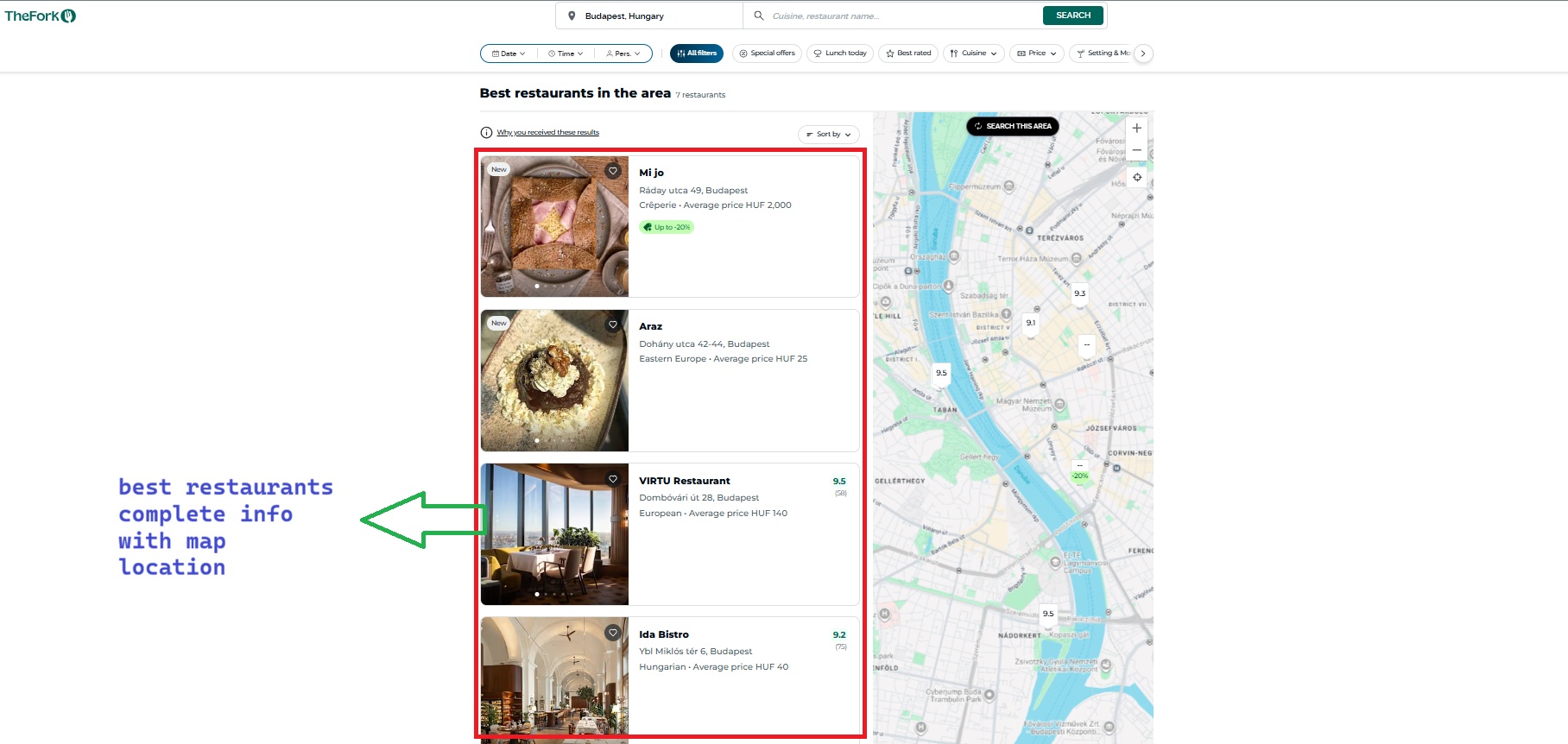
A confirmed table matters more than a wishlist when you’re traveling during a busy period, and TheFork handles both discovery and live reservation availability in one place. Follow these steps:
- Search the destination: Enter your city and travel dates to see available restaurants.
- Filter by availability: The app shows only places with open tables for your preferred time.
- Review the details: Check the menu, the reviews and where the place sits before you confirm.
- Book the table: Reserve directly through the app and receive confirmation.
Coverage and booking rules vary by city, so find out how many local restaurants actually participate. Review cancellation terms before you confirm a reservation.
4. OpenTable for Bookable Dining
In supported markets, OpenTable lists restaurants you can book on the spot. The app works best in major cities where restaurants use the platform actively. You see only restaurants with open tables for your party size and time. That suits travelers planning meals around tours, shows and other fixed commitments. Some destinations have dozens of options, while others have fewer than five.
When you need to book restaurants while traveling, live availability beats a simple popularity list. OpenTable is best for travelers planning meals around fixed schedules rather than flexible exploration. Find out how deep the restaurant coverage runs locally before you build an itinerary around the app.
5. World of Mouth for Expert Picks
If you trust a chef’s shortlist more than a crowd’s average, World of Mouth is built for you. Its guidance comes from over 800 carefully selected food experts. The platform provides:
- Chef recommendations: Names include Ana Roš, Massimo Bottura and Pia León.
- Expert restaurant recommendations: You follow specific contributors whose taste you trust.
- Curated lists: Each expert shares favorite dining spots rather than algorithmic suggestions.
- Global reach: The platform covers destinations where contributing experts have traveled and eaten.
This suits travelers who value curated guidance over volume and prefer fewer, more trusted picks. The app works best when experts have covered your destination thoroughly. Before you build a full itinerary around its recommendations, confirm each listed restaurant is open, since hours and closures can shift between updates.
6. HappyCow for Plant-Based Food
Finding vegan and vegetarian food abroad gets easier with HappyCow. The app concentrates on plant-based restaurants and food options, which cuts down the guesswork when dietary needs shape your trip. A few checks are worth running:
- Location filters: Narrow results to your neighborhood or walking distance from your hotel.
- Dietary labels: Confirm whether a restaurant is fully vegan, vegetarian or vegan-friendly.
- Menu details: Read user notes about specific dishes and preparation methods.
- Recent reviews: Check comments from the past month to confirm the restaurant is still operating.
Those filters narrow your choices before you leave the hotel, which saves time whether you’re hunting underrated fast food chains or a sit-down meal. When allergens or strict dietary rules apply, confirm ingredients and cross-contact policies directly with the restaurant.
7. Yelp for Local Restaurant Signals
You already have broad maps and saved lists. So where does Yelp actually add something useful to food research? Yelp provides restaurant listings, reviews, photos and business details across many markets. The platform can help you compare neighborhood-level options when you narrow a search to a specific area.
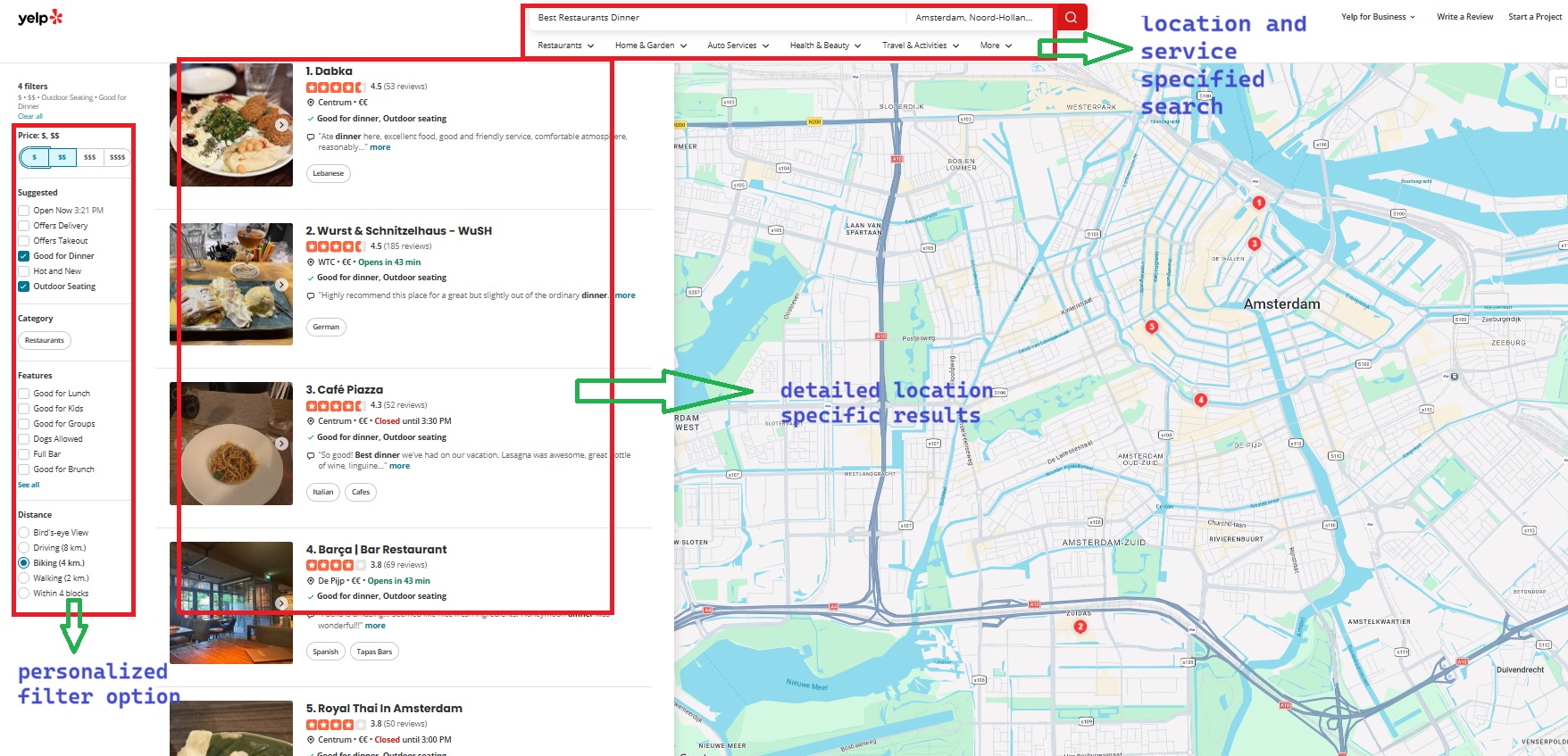
Coverage is stronger in some markets than others, so check review counts before you rely on a single Yelp score. Yelp works best when you use local review patterns instead of a single score to judge a restaurant. Read the most recent five reviews and look for consistent themes rather than sorting by rating alone. The app adds context when you want to see what actual customers ordered and photographed, but it may not cover every small or new restaurant in less-documented cities.
8. Mapstr for Saving Food Stops
Saved pins go stale. A restaurant you bookmarked months ago may have closed, and Mapstr will not flag that for you, so check your list before you travel. The app keeps the food places you want to visit on a personal map. Follow these steps:
- Save a location: Pin a restaurant you read about or walked past to your map.
- Add notes: Record why you saved it or what dish a friend recommended.
- Group by trip: Create separate collections for each city or journey.
- Review before arrival: Open your saved list a few days before you travel and check for closures.
Recommendations tend to trickle in from several sources over months. Grouping saved spots by city or trip keeps them usable, and having links, names, and addresses in one place helps you plan before you arrive. Give your list a quick pass for closures or changed hours, since the app does not update pins when a business changes.
9. Untappd for Beer Discovery
Ratings on Untappd come from other users, not from critics, so the signal is only as strong as the crowd in your destination. The app works as a way to spot nearby beer destinations. It suits you best when you care about specific styles or producers and want to:
- Find breweries: Search for taprooms in your destination, along with bottle shops and beer bars.
- Track beers: Log what you tried and compare tasting notes with other travelers.
- Discover styles: Filter by beer type to find local IPAs—stouts and lagers show up too.
- Check ratings: See which beers other users recommend at a specific venue.
Travelers who build trips around craft brewing get the most from it. Since many venue listings rely on user updates rather than verified business feeds, confirm venue hours and current tap lists through another source.
10. Eatwith for Food Experiences
Host cancellations and small group sizes can complicate bookings. Eatwith solves a different problem than a reservation app: it connects travelers with hosted meals and culinary activities instead of a restaurant table.
| Feature | What It Includes |
|---|---|
| Hosted meals | Dinner at a local’s home or small group cooking class |
| Culinary activities | Market tours, tasting events, or ingredient workshops |
| Availability | Depends on the city and date; active hosts matter too |
This is the social option for destination dining, useful when you want to meet locals or learn cooking techniques. Availability hinges on the city, the date, and whether hosts are active, so book early when you find an experience that fits your trip. Read the format and cancellation terms first. Hosted meals carry different refund rules than restaurant reservations.
11. Too Good To Go for Lower-Cost Food
Discounted meals are possible through a food discovery app, but they come with a catch: you trade choice for price. Too Good To Go lists surplus food offered by participating businesses in supported cities. Check these details:
- Pickup windows: You collect food during a narrow time slot, often at the end of service.
- Variable contents: The “surprise bag” holds whatever the business has left.
- Cost savings: Prices are typically one-third of retail value.
- Participating cities: Coverage is stronger in Europe than in other regions as of October 2026.
The app can lower meal costs when you stay flexible about timing and contents. Treat each order as a flexible meal rather than a fixed menu. You receive surplus items instead of picking from a menu.
12. Mamakoo for Dish-Level Discovery
Mamakoo lets users rate and review individual dishes, making it easy to find food worth trying wherever you are. You search for a local specialty rather than a venue list, then see which restaurants serve the best version according to other users. Say you want ceviche in Lima. You search the dish and read ratings from travelers who tried it at multiple restaurants.
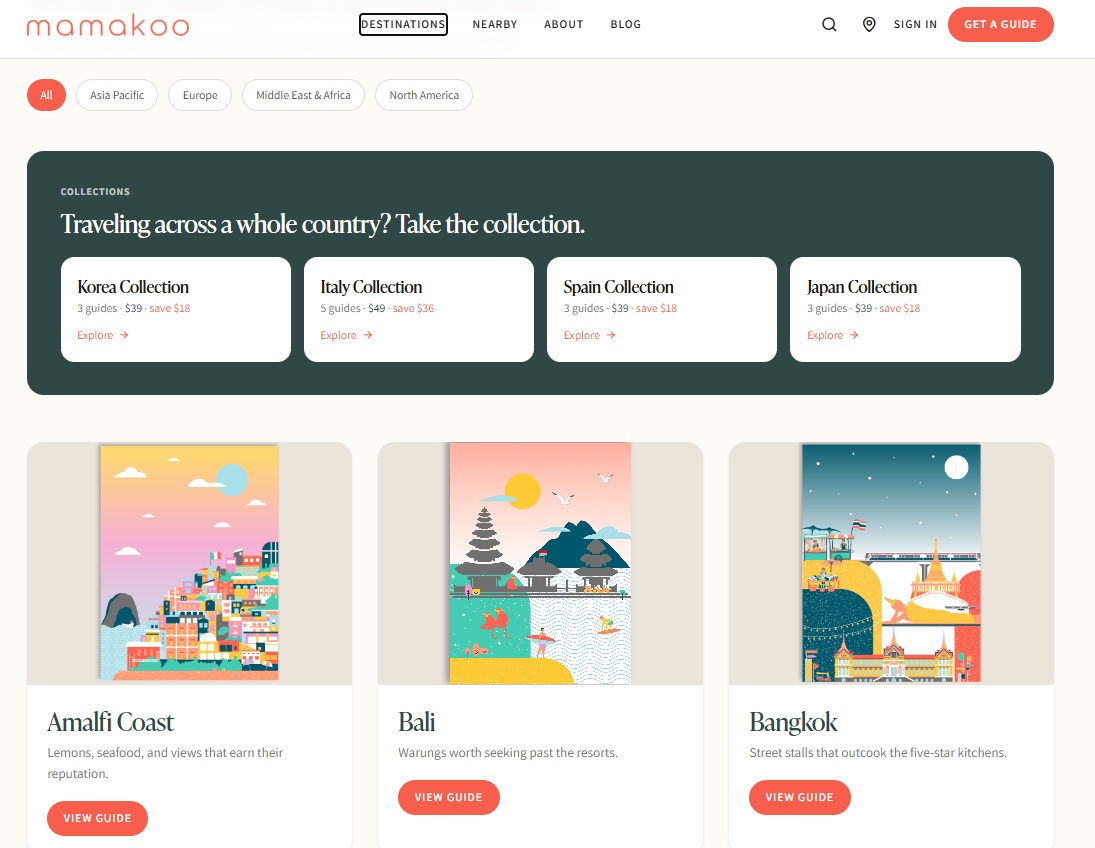
The focus here is the food itself, not the dining room. That makes Mamakoo handy when a local specialty matters more to you than the setting. Smaller cities may have fewer dish reviews than popular tourist hubs, so see how much coverage your destination has before leaning on it as your main guide.
13. Beli for Personal Restaurant Lists
Recommendations pile up fast, and a scattered collection is hard to act on. Beli builds a personal record of restaurants you have tried or still want to visit, drawing on tips from friends or articles. The app offers:
- Restaurant list app features: Rank the places you save and note what to order.
- Shortlisting tools: Personal ranking features help you decide which restaurant to visit first.
- Sharing options: Send your list to travel companions before a trip.
- Trip planning support: Group saved restaurants by city or type of cuisine.
Beli earns its place when you collect recommendations over time and want to share food lists while planning a trip. Because it depends on user submissions rather than complete business directories, it works better alongside another source than on its own.
14. Zomato for Destination-Specific Listings
Heading to India or the Middle East? A regional app can beat the global ones there. Zomato earns a spot on your phone only where it has real adoption, so the decision comes down to your destination.
| Market | Strength | Limitation |
|---|---|---|
| India | Deep menu listings and local reviews | Limited coverage outside core cities |
| UAE | Current restaurant details and delivery | Less useful in other Gulf states |
| Global | Previously expanded to 20+ countries, but now largely focused on India | Uneven listing quality between markets |
In strong markets, you get menus, listings and local restaurant details. Elsewhere, coverage thins out fast. Check local app access and current listing quality before you download.
15. Falstaff for Curated Dining Guides
Some travelers don’t want another pile of crowd-sourced ratings. They want edited picks. Falstaff serves that reader, with coverage focused on German-speaking Europe and selected culinary destinations.
The platform publishes restaurant guides, wine ratings and culinary travel content. Its professional assessments can sit alongside broad review platforms when you want a second, more polished opinion. Pick it when curation matters more than listing volume.
Common Questions Travelers Ask About Food Apps
Fifteen apps are on the list. Before you pick one, three things matter more than the rest: what works without a signal, how many apps you actually need, and whether the reviews you’re reading still describe the place you’re walking into.
Which food app works best offline?
Google Maps lets you download a map area in advance. Your saved places stay visible with no connection at all. Mapstr works the same way for pins you saved earlier. Beyond that, most discovery and review features need the internet to load restaurant details.
Should you use more than one food app?
Combining a few food apps on one trip gives you better results than committing to a single one. The sequence that works:
- Start with a broad map: Use Google Maps to find nearby restaurants and get directions.
- Add a specialist app: Choose one that matches your need—HappyCow for plant-based food, OpenTable for reservations, World of Mouth for expert picks.
- Cross-check the two: Compare results so you can confirm hours, location and current operation.
One broad map plus one specialist app covers dietary or booking needs. The rest of the list can stay in the store.
How do you check whether reviews are current?
Sort reviews by date and read only those from the past three months. Then check the details that go stale fastest:
- Review dates: Ignore ratings from more than six months ago.
- Hours updates: Confirm opening times on the restaurant’s own website or social media.
- Menu changes: Look for recent photos showing current dishes.
- Official channels: Call or message the restaurant if critical details are unclear.
That habit prevents wasted trips to venues that have closed or changed hands.
Can food apps replace local advice?
No. Use apps to build a list of options, then ask people on the ground for context. A local can tell you about a neighborhood, what a meal should cost, or the one dish worth ordering. Hotel staff know things apps miss. So do tour guides and residents—the night the chef is off, the menu items to skip.
The Bottom Line
You face a choice between one app that does everything adequately and several apps that each solve one problem well. Start with Google Maps for broad discovery and directions. Then add one specialist app built around your strongest need.
For some travelers that means reservations. For others it’s dietary filters, and for others expert picks or cost savings. Download maps for offline access before you leave. Check review dates and official hours before you walk to a restaurant. Combine app research with local advice when you want context the algorithm cannot provide.