I still remember the morning I opened Search Console and watched a client’s rankings vanish inside twenty-four hours. No warning, no obvious misstep on the site, just an algorithm update nobody had flagged, and a business owner on the phone asking why the leads had stopped. That moment has stayed with me longer than almost any ranking win.
Anyone trying to build a career or a business around search runs into the same wall eventually: the advice is loud, confident, and often contradicts itself from one year to the next. What follows is a working set of lessons pulled from more than fifteen years doing this work, roughly sorted by what I wish I’d understood earlier versus what has simply held up over time, so the next person doesn’t have to pay full price for the same mistakes.
Search Has Changed a Lot but People Haven’t Changed That Much
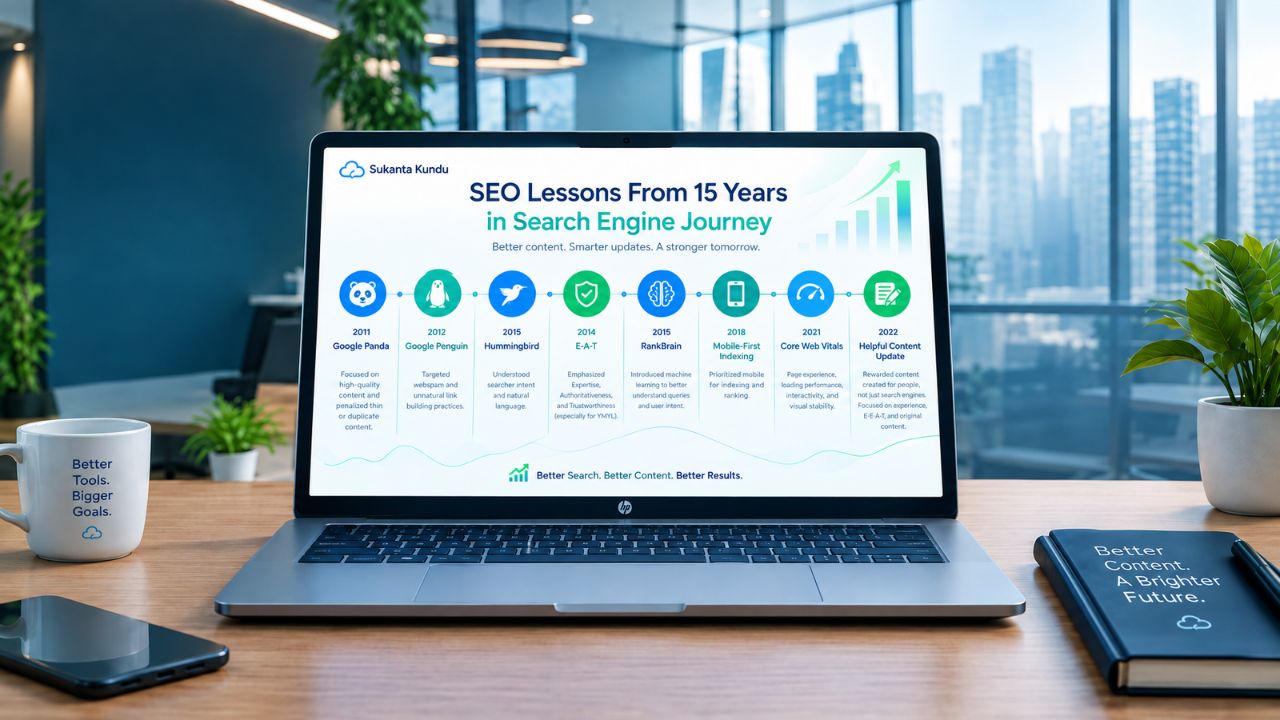
Algorithms have gone through Panda, Penguin, mobile-first indexing, Helpful Content, and a wave of AI-driven results. What hasn’t moved much is the searcher behind the query, still impatient, still skeptical, still looking for the fastest path to a real answer.
What Looked Important When I First Started
Early on, the job looked like a technical puzzle: keyword density, meta tag tricks, exact-match domains, and directory submissions. Rankings felt like something you engineered rather than earned. That framing wasn’t entirely wrong, but it put the emphasis in the wrong place on satisfying the algorithm rather than the person typing the query.
What Still Matters After All These Years
Clear writing, genuine usefulness, and a page that actually answers the question still win. Every update that reshuffled the landscape rewarded sites that solved a real problem well and punished ones coasting on manipulation. That pattern hasn’t broken once in fifteen years, regardless of how the ranking mechanics changed underneath it.
Why I Now Start With the Searcher and Not the Algorithm
Starting with “What does Google want?” leads to guessing. Starting with “What does this person need right now, and what will make them trust this page?” leads to something durable. Every serious update since Panda has been an attempt to reward that second question, so answering it directly skips years of chasing the algorithm’s shadow.
Here are the 20 lessons learned from my 15 years in search engine journey.
1. Start With the Person Behind the Search
A query is usually a small piece of a larger problem. Someone searching for a product comparison may be weighing a purchase, checking a claim, or trying to avoid an expensive mistake. I want to know which of those jobs the page needs to do before I choose its headline or length.
Keyword tools help me find the words people use. They cannot tell me, on their own, whether I have understood the person using them.
2. Search Volume Is a Poor Reason to Choose a Topic
A large keyword can bring visitors who have little reason to stay. I have learned to ask what a visit could lead to: a useful answer, a newsletter signup, an inquiry, or a sale.
A smaller query with a clear need may be more valuable than a broad term that looks impressive in a report. Traffic has to make sense for the reader and the business.
3. Check Whether the Page Can Be Found Before Rewriting It
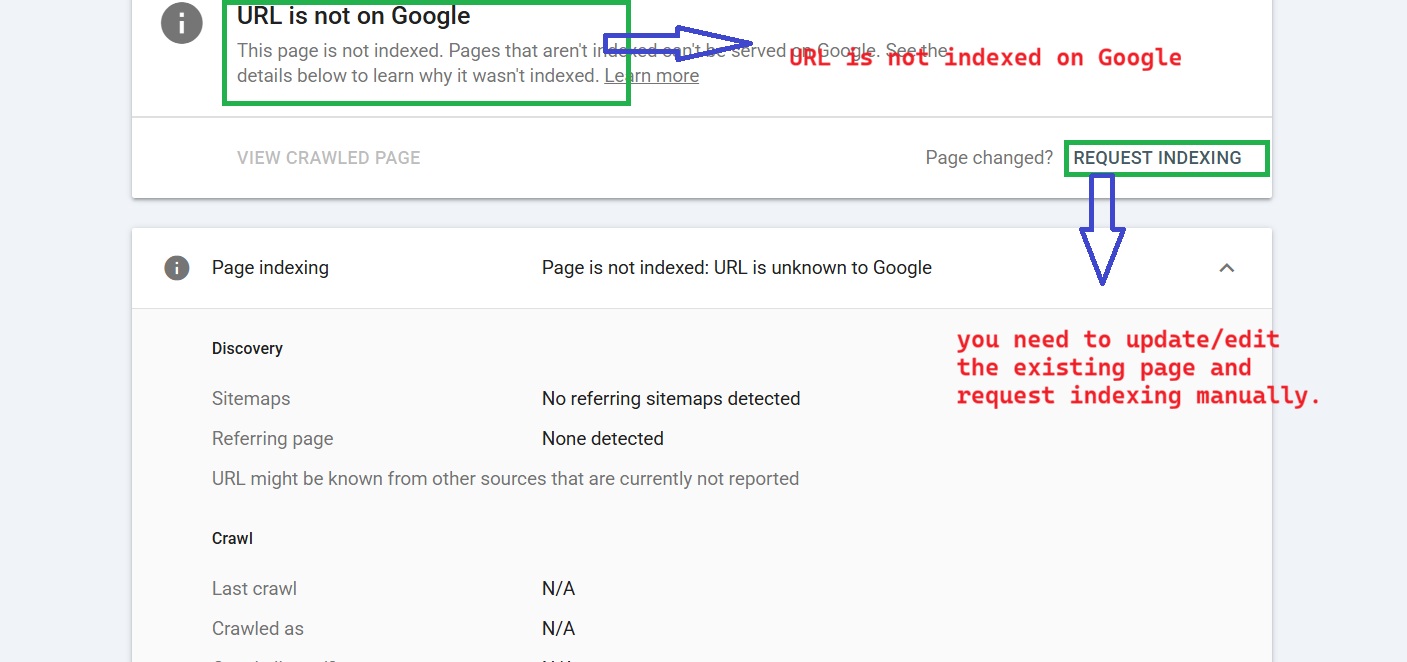
When a page loses search visibility, the article itself is often the first suspect. I check the simpler possibilities first: Is the page indexed? Has its canonical URL changed? Is an important internal link gone? Did a redesign affect crawling?
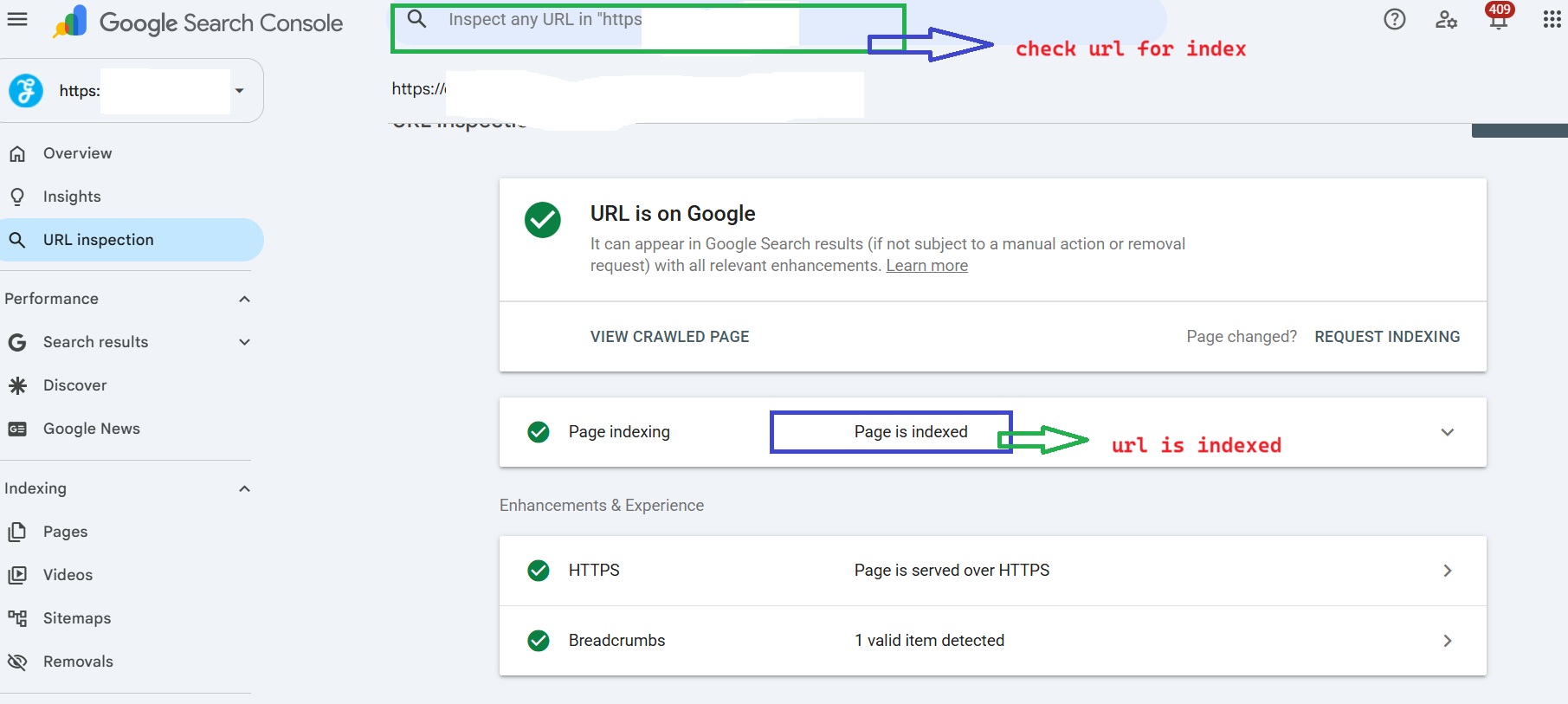
Rewriting a sound article will not repair an accidental noindex tag. Diagnosis saves editorial work.
4. Technical SEO Clears the Path; It Does Not Write the Answer
A site needs pages that load, render, and can be reached by search engines. Those basics matter. But a fast page with weak information is still a weak page.
I treat technical work as a way to make good material accessible. Once that work is done, the harder question remains: Does the page answer what the reader came to ask?
5. One Strong Page Can Serve Several Closely Related Queries
Early SEO often encouraged a separate page for every keyword variation. That approach can leave a site with several thin articles answering almost the same question.
I now look for the larger need behind related searches. If the reader would naturally expect those answers together, I would rather build one useful page than make them move between five nearly identical ones.
6. Publishing More Is Not the Same as Improving a Site
An editorial calendar measures output. It does not measure usefulness. Before approving a new article, I ask whether we already have a page that deserves an update or whether the proposed piece has a distinct reason to exist.
More URLs also mean more pages to check, maintain, and correct. A publisher has to be willing to spend time on work that does not produce a new headline.
7. Clear Structure Shows Respect for the Reader
People often arrive with one urgent question. If the answer is buried beneath a long introduction, they may leave before reaching the useful part.
I favor direct openings, plain subheadings, and paragraphs that can be read on a phone. A complicated subject may need a long article. It still needs a clear route through it.
8. Write in the Language People Use
I want the title and headings to tell readers what they will find. Relevant search terms belong in the article when they help describe the subject. Repeating the same phrase until the writing sounds unnatural helps nobody.
Good SEO writing should still sound like a person who knows the subject and wants another person to understand it.
9. Experience Needs Details
“Create helpful content” is easy advice to give. It becomes useful when a writer can show a decision, a mistake, a test, or an outcome.
In my own work, I try to separate what I observed from what I believe caused it. A dated record of a change is stronger than a confident story told from memory months later.
10. Read the Search Results Before Choosing the Format
The results page offers clues about what people expect. Are they being shown definitions, guides, product pages, or comparisons? What questions do the leading pages answer? Which questions do they leave open?
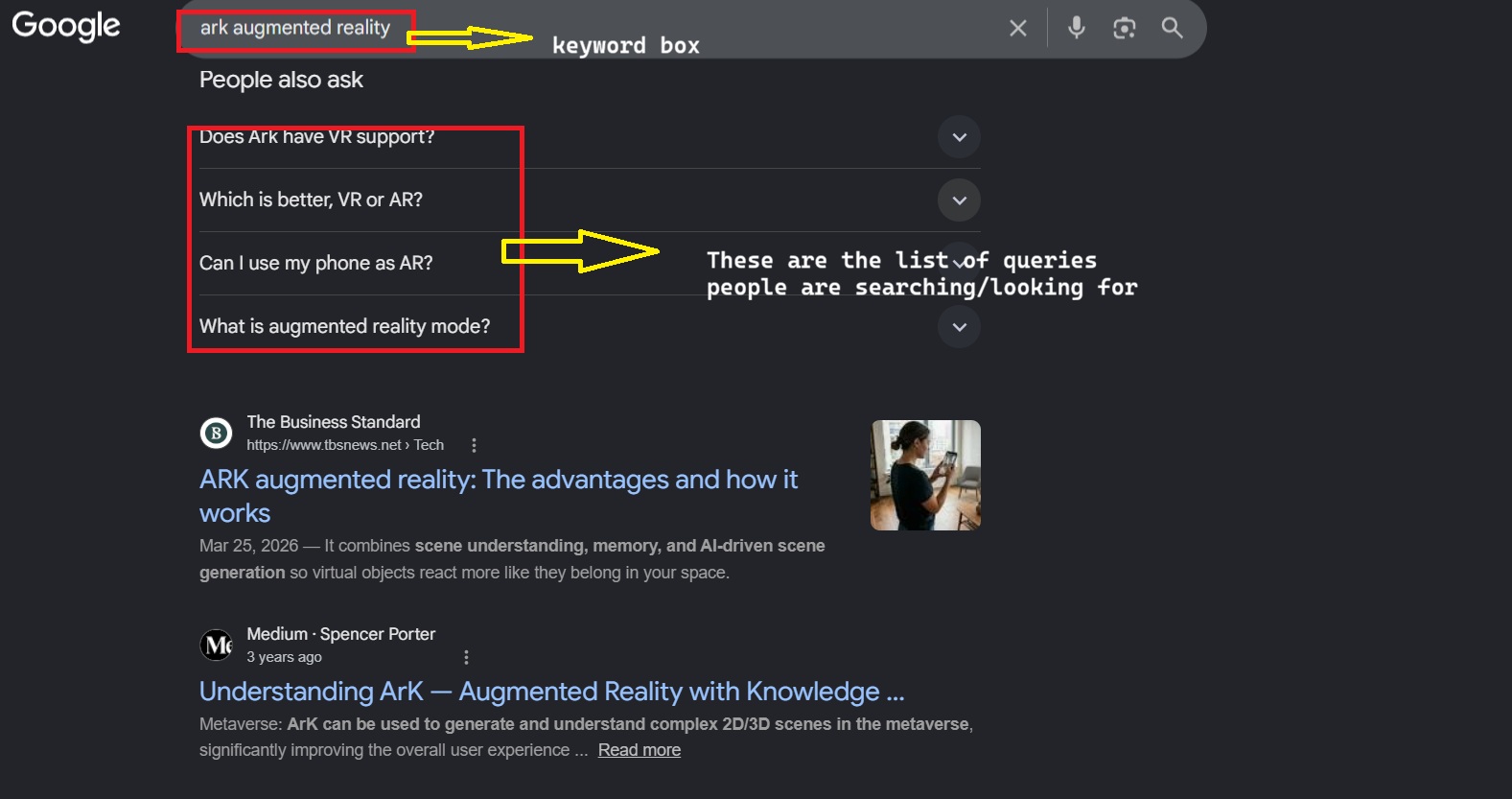
I use that review to understand the assignment, then look for what my team can contribute. Copying the shape of a successful page gives readers another version of something they already have.
11. Internal Links Should Help Someone Continue
An internal link is useful when it takes a reader to the next relevant answer. It also gives search engines a clearer route through the site.
I look for important pages with few incoming links, old articles that can point to newer work, and anchor text that explains the destination. I avoid adding links simply to increase a count. Each one should earn its place in the sentence.
12. Earn Mentions That Would Matter Without a Ranking Benefit
A link from a relevant publication can bring an interested reader as well as a search signal. That is more valuable to me than a large batch of unrelated links.
This has changed the way I think about outreach. Original reporting, a useful resource, or a well-supported opinion gives another publisher a reason to cite the work. A spreadsheet of link counts does not create that reason.
13. Old Articles Deserve an Editorial Budget
A page that performed well once may still have something worth saving. Its examples may be dated, its opening may miss the current question, or a better article elsewhere on the site may now overlap with it.
I review those pages before commissioning replacements. Sometimes the right edit is to add a missing answer. Sometimes it is to remove a section that no longer belongs.
14. A Ranking Drop Calls for Investigation
The temptation after a sharp decline is to change everything. I check the dates, the affected pages, search demand, site changes, and tracking first. I also ask whether the decline is confined to one topic or spread across the site.
Google advises site owners to assess their content in the context of a core update rather than assume every loss has one simple fix. That is sound advice in daily SEO work, too.
15. Use Search Console and Analytics for Different Questions
Search Console tells me how a site appears and receives clicks in Google Search. Google Analytics tells me more about what visitors do after arriving and which channels brought them there.
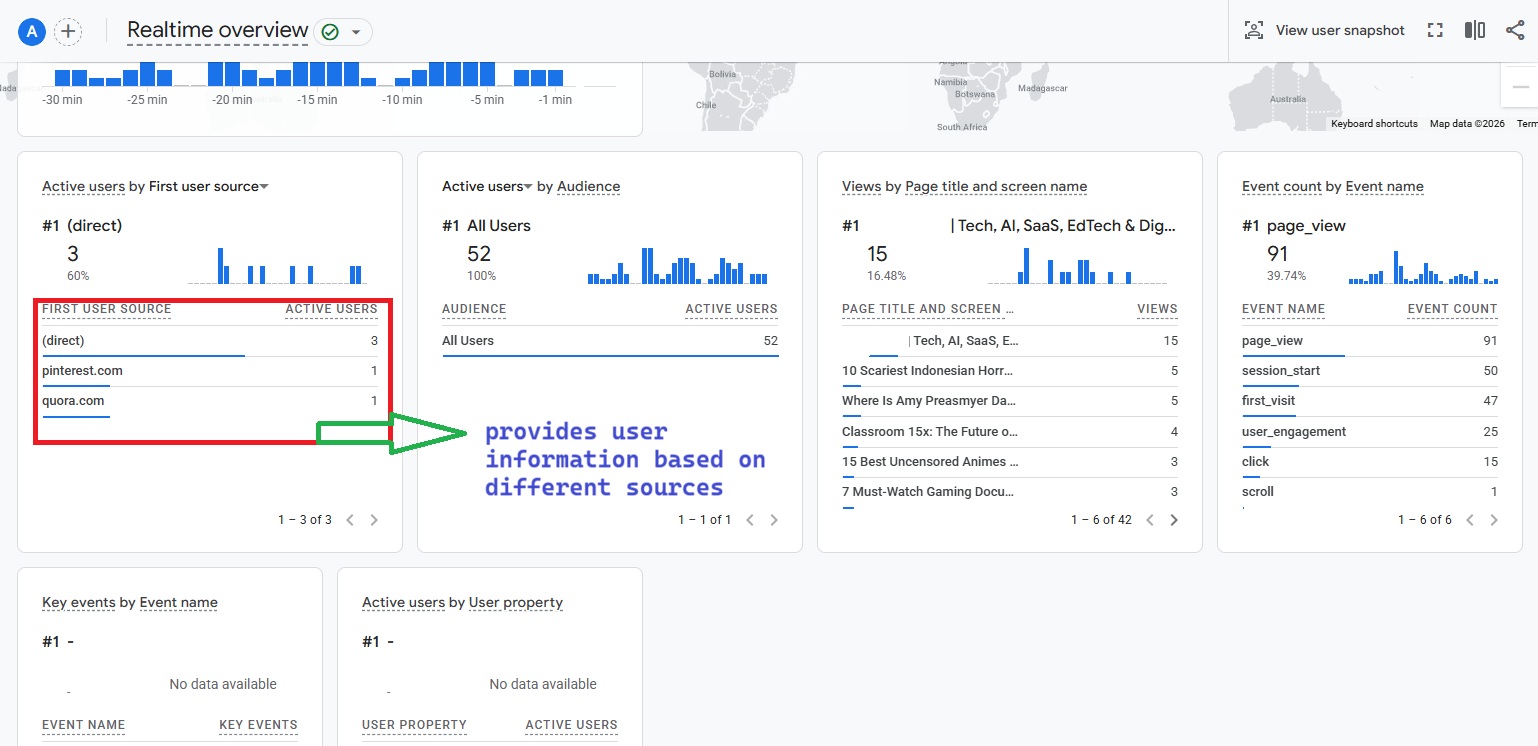
Their figures will not match exactly: a search click and an analytics session are different measures. I look for patterns across both tools, then inspect the underlying pages before drawing a conclusion.
16. A High Position Is Useful Only if the Visit Matters
Ranking first feels good. It does not tell me whether the reader found the answer, signed up, made an inquiry, or returned later.
For a media site, I also care whether an article earns trust and leads someone to read further. For a business page, I want to know whether qualified visitors take a meaningful next step. Position is part of the story, never the whole story.
17. Search Systems Change; The Work Needs a Record
Over this journey, Google has introduced and changed systems associated with content quality, link spam, and helpful results. Panda was announced in 2011 and Penguin in 2012; the helpful content system arrived much later and became part of Google’s core ranking systems in 2024.
I do not expect one checklist to cover all those changes. I keep records of what we changed, when we changed it, and what happened next. That history is far more useful than trying to remember why a page looks the way it does.
18. Articleify Taught Me the Value of Staying Responsible for a Site
I founded Articleify in 2019. It is one of the sites where I have had to apply the lessons of my earlier search career to a publication of my own. The site itself has not been online for the full 15 years of my search journey.
Since its launch, my approach has been to keep reviewing the site as search and reader expectations change: checking whether pages remain accessible, revisiting older material, improving unclear answers, and examining how related articles connect. Some decisions have called for an edit. Others have called for patience while we gathered enough evidence to understand a change.
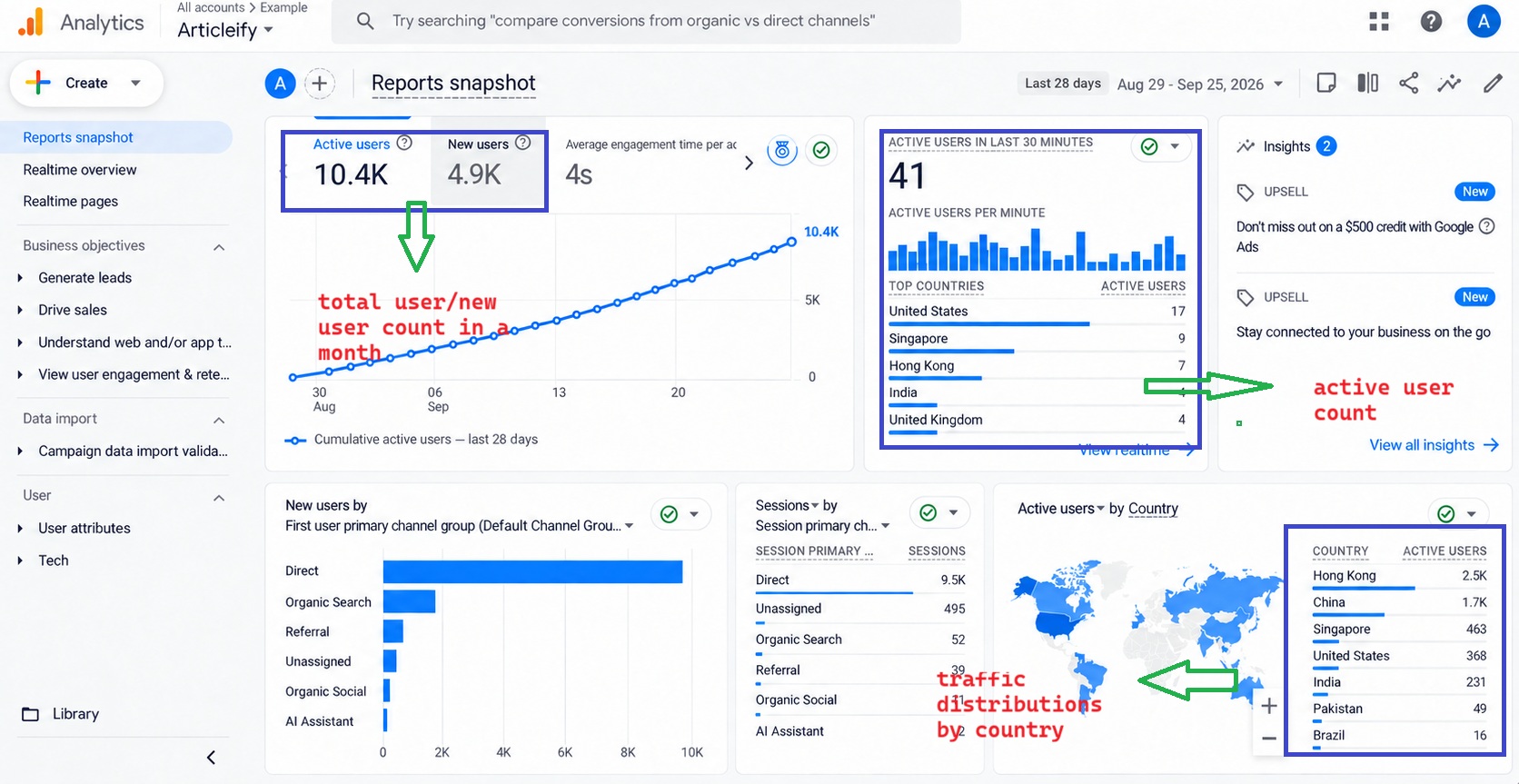
Our current internal Google Search Console and Google Analytics reporting places Articleify’s monthly traffic in the roughly 10,000 to 15,000 range. I see that as a meaningful result for a site we have continued to maintain. I would not present the two tools’ figures as identical or claim that one particular update or edit produced the entire audience. Search Console counts search clicks; Analytics measures sessions and other visitor activity.
The range gives us a starting point for analysis. I want to know which landing pages account for the traffic, whether visits come from a broad set of topics or a few articles, which pages are gaining or losing clicks, and whether readers continue to other useful work. Those answers tell us where to spend the next editorial hour. A monthly total alone cannot do that.
For me, Articleify’s success lies in that continuing responsibility. I have applied what I learned before founding it, kept checking its performance since launch, and treated its existing pages as work that may need care long after publication.
19. Give Readers a Reason to Remember Your Name
Search can introduce a reader to a publication. It cannot, by itself, make that reader trust or remember it.
At Editorialge, I think about voice, editorial standards, and the subjects on which we can offer a useful perspective. Those choices affect whether someone returns directly, shares a story, or recognizes our work the next time it appears in search. A durable publication has to mean something beyond its rankings.
20. Keep Changing Your Mind When the Evidence Asks You To
Fifteen years in search have made me less interested in universal rules. A tactic that helped one page may do little for another. A change that looks promising after a week may look different after a season.
I still need curiosity, a clear record of the work, and the willingness to say, “I do not know yet.” Those habits have helped me more than pretending I can predict every search update.
Search will keep changing. My job is to keep asking whether the work is accurate, accessible, useful, and worth a reader’s time—and to let the evidence tell me where it falls short.
Final Words: What I Have Learned in My 15 Years
Every mechanism used to rank pages today will eventually be replaced by something else. That’s the one constant across fifteen-plus years. Betting a strategy entirely on today’s ranking factors is a bet against history.
Clear writing, real usefulness, technical accessibility, and honest measurement have outlasted every specific tactic built on top of them. Tactics expire; fundamentals compound. Staying curious enough to test rather than assume, disciplined enough to trust evidence over confident-sounding advice, and honest enough to build something worth trusting—that combination has mattered more than any single skill picked up along the way.