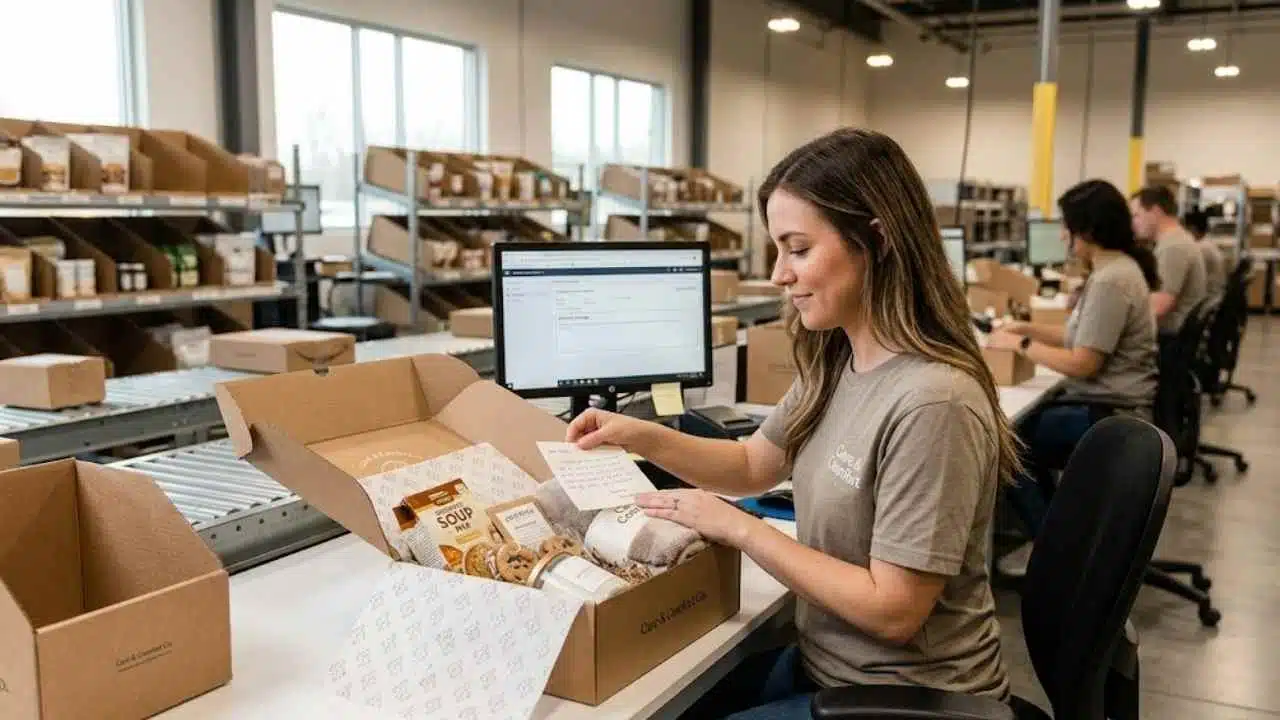
Not long ago, e-commerce was built around speed, price, and endless selection. Those things still matter, but they no longer explain the full market. A growing share of online spending is now driven by emotion, especially for products that help people express care, support, and presence when they cannot show up in person. To assess that shift, this editorial draws on retail trend reporting, brand positioning, and the operating logic behind care-package commerce.
That change is pushing businesses to rethink what they are really selling. In many categories, the product is only part of the value. The rest comes from timing, presentation, and the feeling attached to the purchase. In other words, the item in the box matters, but the emotional purpose behind the order may matter just as much. That is where the care package industry has found real strength.
Editorialge’s business coverage tends to look beyond surface trends and ask what is changing beneath the surface of a market. In this case, the bigger change is clear: kindness has become operational. Brands are building systems that turn empathy into a repeatable service, one that can scale without feeling cold or automated. That shift is giving rise to a different kind of e-commerce model, one built less on impulse and more on emotional relevance.
The Rise of Emotion-Led Commerce
Traditional online retail usually competes on convenience. Emotion-led commerce competes on meaning. It wins when a customer is not just shopping for an object, but for a message. That is why categories like care packages, condolence gifting, and wellness gifting have moved from niche purchases into a more visible part of digital retail.
A brand offering sympathy gifts is not simply selling soup, cookies, or packaging. It is solving a social problem. Many people want to show support during grief, illness, or family stress, but they do not know what to send, or they do not have time to assemble something thoughtful themselves. The business opportunity comes from closing that gap in a way that feels personal rather than transactional.
This is where the emotional economy starts to reshape the rules. Demand is not based only on product features. It also comes from life moments. A care package is often bought under emotional pressure, when someone needs to act quickly but still wants the gesture to feel sincere. That changes how companies design the full experience, from product bundles and messaging to delivery reliability and customer service.
The old e-commerce playbook taught brands to remove friction from the checkout process. The newer playbook still does that, but it also reduces emotional friction. It helps the customer answer questions such as “Is this appropriate?” Does it feel warm enough? Will it arrive when it matters? Those are not minor concerns. In this category, they are the product.
Why the Logistics of Kindness Have Become a Competitive Edge
The phrase “logistics of kindness” may sound soft, but the business behind it is anything but. Emotion-based commerce depends on hard operational discipline. If a brand promises comfort and then misses the delivery window, sends a damaged package, or makes the gift feel generic, the emotional value collapses.
That is why delivery has become central to conversion across e-commerce. DHL’s 2025 E-Commerce Trends Report highlights how strongly delivery expectations shape online shopping behavior, which helps explain why care-focused brands must treat fulfillment as part of the emotional promise rather than just a back-end function.
For companies in this space, scale is not only about moving more units. It is about protecting feelings at volume. That requires careful operational choices: products that travel well, packaging that feels intentional, messaging that fits delicate occasions, and workflows that let customers act quickly without sounding generic. Businesses that can standardize those moments without draining them of meaning are building a model that traditional retailers often struggle to copy.
Spoonful of Comfort offers a useful example of that logic. Its sympathy collection is built on clear, occasion-based curation, and its corporate offerings show how the same emotional service model can extend beyond consumer gifting to business relationships and employee care. That is an important signal. Emotion-led commerce is no longer limited to personal shoppers. It is becoming part of how organizations manage culture, retention, and customer experience.
There is also a wider market backdrop supporting this move. The National Retail Federation’s consumer insights work tracks the changing mindsets and behaviors of shoppers. At the same time, broader retail reporting points to a market where trust, value, and relevance matter more than mere abundance. In that setting, products with emotional purpose can stand out, especially when they solve a real communication need.
What Smart Businesses Should Learn From the Care Package Model
The larger lesson is not that every company should start selling soup or curated boxes. It is that modern consumers increasingly reward businesses that understand context. A product earns more attention when it helps the buyer say something meaningful, reduce stress, or care for someone at the right moment.
That has big implications for business models. It encourages tighter occasion-based merchandising, stronger post-purchase communication, and closer links between brand promise and fulfillment. It also creates room for premium pricing, since customers are often paying as much for confidence and emotional accuracy as for the physical goods.
For traditional e-commerce players, this is a challenge. Competing on price alone is harder in markets where emotional purpose shapes demand. For newer brands, it is an opening. A business that combines clear emotional positioning with dependable operations can build loyalty that is harder to disrupt than a one-time discount.
The emotional economy is not replacing traditional commerce. It is layering a new expectation on top of it. Consumers still want convenience, but they also want purchases to feel human. Brands that can deliver both are building a more durable form of growth. And in categories shaped by grief, care, and connection, the future may belong to businesses that understand a simple truth: logistics can move a package, but empathy is what gives it value.