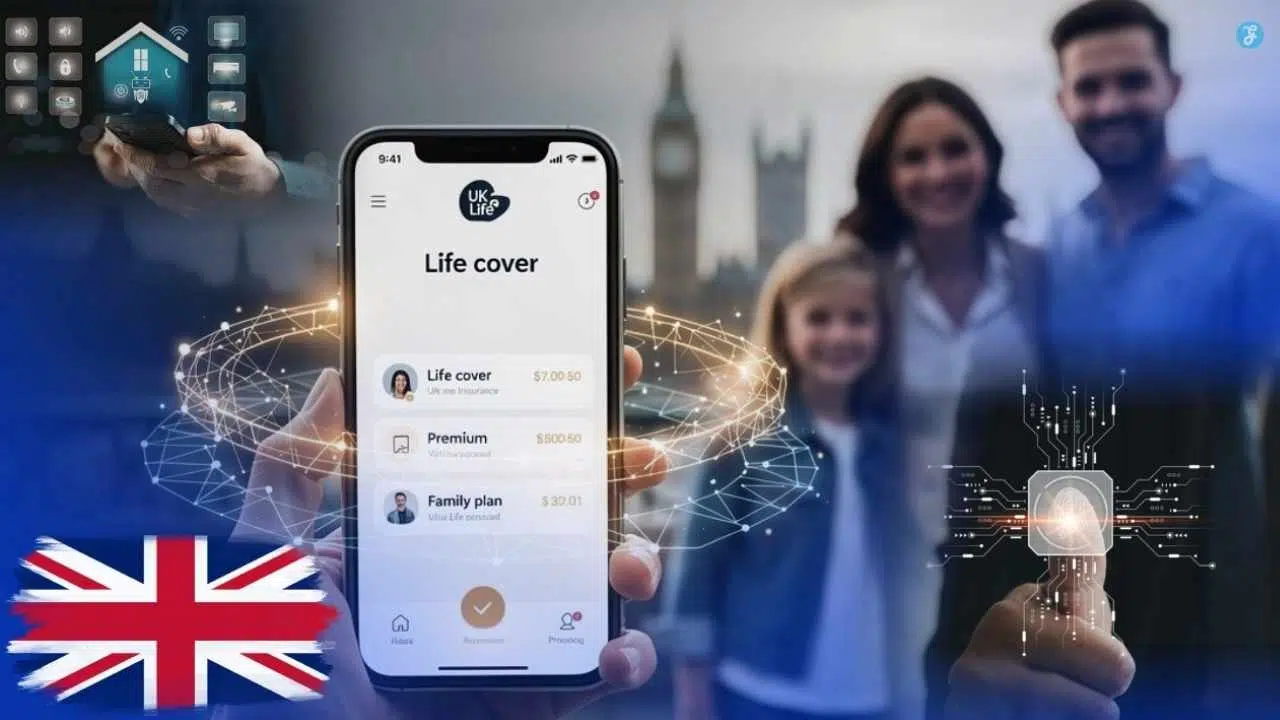
Buying life insurance used to be a massive headache. You had to deal with endless paperwork, long phone calls, and weeks of waiting just to see if a company would cover you. Sometimes you even had to take a blood test or see a doctor, taking time out of your busy workday. Today, technology has flipped that script completely. You can now grab your smartphone, answer a few questions on your screen, and get a fully tailored policy in a matter of minutes.
If you want coverage that matches your actual lifestyle instead of a generic age bracket, you need to look at modern tech solutions. This guide breaks down the best AI life insurance apps UK providers offer right now, showing you exactly how they save you time, strip away the frustration, and keep more money in your pocket.
How Artificial Intelligence is Changing Life Insurance in the UK
The insurance industry is famous for moving incredibly slowly, but smart technology is finally forcing it to speed up and adapt to modern consumer needs. Artificial intelligence does not just sit in a back-office computer lab; it actively works behind the screens of these new smartphone apps to figure out your exact risk level and price your premiums fairly. Insurers use massive data points to spot trends, evaluate your lifestyle choices, and make instant decisions, completely bypassing the old days of manual paperwork.
This means the system looks at you as a unique individual rather than just a generic statistic on a spreadsheet. By analyzing your daily steps, your grocery habits, and your self-reported medical history, algorithms can build a bespoke risk profile. This shift completely changes the dynamic from a one-off purchase to an ongoing, interactive relationship with your insurance provider.
| Feature | The Old Way (Traditional) | The New Way (AI & Apps) |
| Approval Time | Weeks or even months of waiting | Minutes, often entirely instant |
| Medical Exams | Frequently required for average policies | Rarely needed thanks to smart data |
| Pricing Model | Based on generic age and weight bands | Based on personal habits and live health data |
| Policy Updates | Static, rarely reviewed until a claim | Dynamic, tracks ongoing wellness and adapts |
Faster Approval Processes
Algorithms do the heavy lifting when it comes to checking your background, stripping weeks off the standard timeline. They scan your self-reported health data and lifestyle choices in a matter of seconds. By checking your details against thousands of other data points, the software can quickly decide if you qualify. You skip the dreaded doctor’s visit and get your approval screen almost instantly, right from your sofa.
Tailored Premium Rates
In the past, basic details like your age and BMI set your price, meaning healthy people often overpaid. Now, the software digs much deeper into how you actually live. If you track your steps, hold a gym membership, or log healthy meals, the app notices. Smart systems reward your healthy habits by actively dropping your monthly premium, meaning you stop subsidizing people who take worse care of themselves.
Dynamic Health Tracking
Most traditional policies just check your health once when you sign up and forget you exist until a claim is filed. Modern apps sync with your smartwatch or phone to monitor your daily physical activity. This continuous check-in means your policy stays relevant to your current fitness level. It also unlocks regular, tangible perks like free coffees, movie tickets, or retail discounts just for walking the dog or going for a morning run.
Criteria for Choosing the Best AI Life Insurance App
Not every shiny new app on the app store is worth your time or your hard-earned money. When you look through the options on the UK market, you need a solid way to filter out the bad ones. You have to check how they handle your private details, how easy the app is to actually use, and whether the underlying insurance policy holds up if your family ever needs to make a claim.
These platforms ask for your deep medical history and your bank details, so you absolutely cannot compromise on digital security or usability. A buggy app that crashes when you try to update your direct debit is a massive red flag. You also want to ensure the rewards they promise actually fit your lifestyle; there is no point in earning discounts for a gym chain that doesn’t exist in your city.
| Criteria | Why It Matters | What to Look For in the App |
| Data Security | You are sharing highly sensitive medical data. | Bank-level encryption, clear privacy policies, full GDPR compliance. |
| User Experience | The app needs to save you time, not cause stress. | Clean interface, easy navigation, fast loading times, bug-free. |
| Policy Flexibility | Your life changes, and your cover should too. | Ability to adjust cover limits or terms directly within the app. |
| Reward Systems | You want value back while you are still alive. | Meaningful discounts or daily perks for healthy living and steps. |
Strong Data Security
Your health data is highly sensitive and incredibly personal. Because these apps sync with wearables and ask deeply personal medical questions, they must use top-tier encryption to keep hackers out. Look for providers that strictly follow UK data protection laws and clearly explain how they store your information. They should never sell your data to third-party marketers without your crystal clear, explicit permission.
Smooth User Experience
An app is completely useless if it crashes every time you try to log in to check your cover. The interface should be clean, straightforward, and lightning-fast. You should be able to find your policy documents, update your direct debit details, or contact customer support within two or three taps on the screen. If the app feels clunky or outdated, it is usually a clear sign of poor backend tech infrastructure.
True Policy Flexibility
Life changes fast, and your insurance needs to keep up. You might buy a bigger house, have another child, or get a massive promotion at work. The best platforms let you log in and tweak your coverage amounts as your situation shifts over the years. You shouldn’t have to call a busy call center and wait on hold for an hour just to bump up your payout limit by ten thousand pounds.
Top 15 AI Life Insurance Apps UK to Consider
The UK market is absolutely packed with smart insurance platforms that want your monthly direct debit. Some of these are built by massive, historic insurance companies trying to drag themselves into the modern era, while others are brand-new, agile tech startups aiming to totally disrupt the market. We have rounded up the top options available to UK residents right now.
Each of these apps uses clever algorithms, digital tracking, or automated underwriting to make getting and managing life insurance easier. You just need to figure out which one aligns best with your health habits, your budget, and how much interaction you actually want to have with your insurance provider on a daily basis.
1. YuLife
YuLife completely turns a boring financial product into an addictive, fun game. The app runs quietly in the background on your phone, tracking your daily walking, cycling, and even your mindfulness minutes using smart algorithms. The system then converts your healthy actions into a proprietary digital currency called YuCoin. You can take this digital coin and spend it in the real world at major UK retailers like Amazon, ASOS, and Marks & Spencer. It fundamentally changes the relationship you have with your insurer, turning it from a monthly grudge purchase into an engaging daily habit that pays you back. You actually look forward to opening the app to see what you have earned.
| YuLife App Features | Details |
| Core AI Tech | Behavioral analysis and activity tracking algorithms |
| Standout Benefit | Earn real-world retail vouchers for walking and mindfulness |
| Best Suited For | Gamers, everyday walkers, and younger tech-savvy users |
| Medical Exams | Usually bypassed via smart digital questionnaires |
2. VitalityLife

VitalityLife is undeniably the heavyweight champion of health tracking in the UK insurance market. Their sophisticated app connects straight to your fitness wearables like an Apple Watch, Garmin, or Fitbit. The AI system actively analyzes your resting heart rate, your workout intensity, and your daily step count to build a live picture of your health. The more physical effort you put in throughout the week, the better your “Vitality status” gets, which directly lowers your insurance premiums. Hitting your goals also unlocks massive discounts on things like gym memberships, running shoes, and even cheap cinema tickets. It actively pushes you to get off the couch.
| VitalityLife App Features | Details |
| Core AI Tech | Biometric data syncing and dynamic pricing engines |
| Standout Benefit | Massive discounts on partner brands (Apple Watch, gyms) |
| Best Suited For | Heavy gym-goers, runners, and fitness enthusiasts |
| Medical Exams | Digital checks, but complex cases may need human review |
3. Anorak
Anorak takes a slightly different approach; it acts as a highly intelligent digital broker rather than a direct insurer. You download the app and plug in details about your current salary, your outstanding mortgage, and how many kids depend on you. Anorak’s AI crunches all those personal numbers to figure out exactly how much cover you need down to the penny. It then uses automated search tools to scan the entire UK market to find the best policy for your exact situation. This ensures you do not accidentally buy more cover than you actually need, saving you a fortune over the lifespan of the policy. It takes the guesswork out of buying protection.
| Anorak App Features | Details |
| Core AI Tech | Financial profiling and automated market-matching algorithms |
| Standout Benefit | Calculates your exact coverage needs so you don’t overpay |
| Best Suited For | Families and new homeowners unsure of what they need |
| Medical Exams | Depends entirely on the final insurer Anorak matches you with |
4. Aviva
Aviva might be an incredibly old and established name, but their modern tech is razor-sharp. Their DigiCare+ smartphone app brings a huge amount of daily value to their standard life policies. The app gives you direct access to personalized health checks and nutritional advice based on the data you feed into its system. Behind the scenes, Aviva uses a lightning-fast automated underwriting engine to process your initial application. This means the system can evaluate standard, healthy applicants instantly, cutting out human delays and giving you a firm “yes” in minutes. It is the perfect blend of traditional trust and modern speed.
| Aviva App Features | Details |
| Core AI Tech | Automated underwriting engine and digital triage |
| Standout Benefit | Access to virtual GPs, nutritionists, and mental health experts |
| Best Suited For | People who want a trusted big-name brand with fast tech |
| Medical Exams | Automated system clears healthy applicants instantly |
5. Legal & General
Legal & General built a brilliant digital portal that relies heavily on smart decision trees. When you start your application on your phone, the system actively adapts to your answers in real time. For example, if you say you do not smoke and have zero history of heart issues, the AI immediately skips pages of unnecessary medical questions. This keeps the application process incredibly short and highly relevant to you. Because the machine handles the risk assessment automatically for most people, you get your policy live and active in record time without speaking to a single human agent.
| Legal & General App Features | Details |
| Core AI Tech | Dynamic questioning algorithms and big data risk assessment |
| Standout Benefit | Super fast application that only asks relevant questions |
| Best Suited For | Busy professionals who want coverage sorted on their lunch break |
| Medical Exams | Rarely needed unless you flag a specific health condition |
6. Beagle Street
Beagle Street was made purely for the internet generation. They built their own proprietary risk-assessment algorithm specifically to bypass traditional, expensive brokers. Because their tech handles the complex underwriting automatically in about ten minutes, they keep their corporate running costs incredibly low. They don’t have to pay massive commissions or run giant call centers. They then pass these exact savings directly back to you through noticeably cheaper monthly premiums. If you want a no-nonsense, budget-friendly policy delivered straight to your inbox, their tech setup is hard to beat.
| Beagle Street App Features | Details |
| Core AI Tech | Proprietary automated underwriting software |
| Standout Benefit | Lower monthly premiums due to reduced company overheads |
| Best Suited For | Budget-conscious buyers wanting simple, cheap protection |
| Medical Exams | Highly unlikely; entire system is built for fast digital approval |
7. AIG Life
AIG offers a brilliant digital feature called Smart Health, which comes free with their life policies. This app gives you round-the-clock access to digital GPs, no matter where you are in the world. Before you even speak to a doctor on your screen, the app uses an AI-driven symptom checker to assess what is wrong and figure out the right kind of help you need. It also uses your profile to build custom fitness routines and tailored diet plans, adding massive daily value to a policy that usually just sits in a drawer. It feels more like a premium health app than an insurance product.
| AIG Life App Features | Details |
| Core AI Tech | AI symptom triage and personalized health pathway generation |
| Standout Benefit | 24/7 virtual doctor access and second medical opinions |
| Best Suited For | People frustrated with long wait times for NHS GP appointments |
| Medical Exams | Smart system filters most out; complex cases require checks |
8. Smart Insurance
Smart Insurance keeps things completely stress-free and straightforward. Their digital application uses automated validation tools to check your identity and basic details instantly against public records. The actual app interface is heavily stripped back and purposely simple to navigate. It is clearly aimed at people who want guaranteed acceptance or basic cover without getting bogged down in complex fitness tracking, daily point scoring, or endless drop-down menus. You log in, you see your cover amount, you check your payment date, and you log out. It does exactly what it says on the tin.
| Smart Insurance App Features | Details |
| Core AI Tech | Automated data validation and fast-track identity checking |
| Standout Benefit | Uncomplicated interface that doesn’t overwhelm the user |
| Best Suited For | Older users or those wanting basic, guaranteed cover |
| Medical Exams | Often completely bypassed depending on the age bracket |
9. Guardian Financial Services
Guardian built a remarkably clever piece of software called Protection Builder. If you want to mix standard life insurance with critical illness cover, this tech calculates the exact financial cost in real time. You can actually toggle specific illnesses on or off inside the app, and the algorithm instantly adjusts your monthly premium on the screen. If adding heart disease cover pushes the price too high, you can tweak the payout amount until it fits your budget. It puts you in total, absolute control of the pricing without needing an advisor to run the numbers.
| Guardian App Features | Details |
| Core AI Tech | Real-time risk calculating engine (Protection Builder) |
| Standout Benefit | Total granular control over what illnesses you are covered for |
| Best Suited For | People wanting highly specific critical illness protection |
| Medical Exams | Digital first, but deep medical history might trigger a check |
10. Scottish Widows
Scottish Widows modernized their historic setup by looking at consumer data quite differently. They use interactive digital health questionnaires and advanced analytics to assess your risk fairly and accurately. By plugging smarter backend tech into open banking frameworks, they can verify details much faster. This digital overhaul has drastically dropped the number of applicants who get stuck in the system waiting for paper medical records from their local GP. They managed to take a legacy brand and inject it with enough speed to compete directly with the new tech startups.
| Scottish Widows App Features | Details |
| Core AI Tech | Advanced analytics and open-banking data integration |
| Standout Benefit | Highly trusted brand using modern speed to issue policies |
| Best Suited For | Traditionalists wanting modern digital convenience |
| Medical Exams | Significantly reduced thanks to new digital analytics |
11. Royal London

Royal London trained sophisticated machine learning models on decades of past insurance claims data. When your new application comes in, the tech instantly compares your profile against millions of historical records. This incredibly smart system allows them to quickly offer fair prices to people with pre-existing medical conditions. A process that used to take human underwriters weeks of reading through doctor’s notes can now be assessed by the computer in seconds. It brings hope and fast coverage to people who usually struggle to get insured easily.
| Royal London App Features | Details |
| Core AI Tech | Machine learning trained on massive historical claims data |
| Standout Benefit | Faster, fairer pricing for pre-existing medical conditions |
| Best Suited For | Applicants with slightly complicated health backgrounds |
| Medical Exams | System attempts to clear digitally, but human review is an option |
12. Zurich UK
Zurich uses smart algorithms to fix the absolute worst part of the insurance journey: making a claim after someone dies. When the worst happens, their automated systems can read, scan, and analyze medical reports and claim forms instantly using optical character recognition and AI. For straightforward claims, the computer approves the payout immediately. This gets the money into the family’s bank account incredibly fast, bringing immense relief and removing financial stress during an incredibly difficult and emotional time.
| Zurich UK App Features | Details |
| Core AI Tech | Automated claims processing and document analysis AI |
| Standout Benefit | Lightning-fast payouts for straightforward death claims |
| Best Suited For | Those wanting peace of mind that their family gets paid quickly |
| Medical Exams | Standard digital onboarding, fast-tracking healthy applicants |
13. LV= (Liverpool Victoria)
Liverpool Victoria built a brilliant fast-track digital system right into their platform. Their algorithms actively filter applicants the very second they start typing their details. If the software sees you are relatively young, fit, and healthy, it routes you straight through a fast path, letting you skip the long, boring medical forms entirely. Once the machine approves you, you manage everything from a really slick mobile dashboard. You can update your address, change your bank details, or view your terms without ever needing to pick up the phone.
| LV= App Features | Details |
| Core AI Tech | Smart filtering algorithms to route applicants dynamically |
| Standout Benefit | Extremely slick post-purchase digital dashboard |
| Best Suited For | Healthy individuals wanting a friction-free purchase journey |
| Medical Exams | Smart path actively bypasses exams for healthy users |
14. Bupa
Bupa is obviously most famous for private health cover, but their digital life insurance is highly advanced and worth checking out. Their app uses intelligent software to track both your physical activity and your mental wellbeing over time. By answering quick questions and logging daily data in the app, the system gets a real-time picture of your health. This means they price your life policy based on highly accurate, current data rather than a guess made five years ago. They integrate your life cover smoothly with their wider digital health ecosystem.
| Bupa App Features | Details |
| Core AI Tech | Digital wellbeing assessments and holistic health tracking |
| Standout Benefit | Merges physical and mental health data for accurate pricing |
| Best Suited For | People who already use Bupa for private healthcare |
| Medical Exams | Often bypassed due to comprehensive digital health checks |
15. LifeSearch
LifeSearch operates as a heavily tech-driven broker rather than directly taking on your risk. They built powerful AI search tools to match your highly specific medical history against the complex, hidden rules of all the big UK insurers. If you have a tricky health background, like high blood pressure or asthma, their tech instantly knows which insurer is most likely to accept you at the best price. This saves you from the frustration of applying to three different companies and getting rejected by all of them. The machine does the hard searching for you.
| LifeSearch App Features | Details |
| Core AI Tech | AI-assisted market search and underwriting rule matching |
| Standout Benefit | Finds the most sympathetic insurer for your exact health issue |
| Best Suited For | Anyone who has been previously declined for life insurance |
| Medical Exams | Varies widely based on which final insurer the AI selects |
The Pros and Cons of AI-Driven Life Insurance
Bringing fast-moving algorithms into the serious space of life insurance solves a lot of old, annoying problems, but it naturally creates a few new ones. Before you tie your family’s financial safety net to a smartphone app, you really need to understand both sides of the coin. The incredible speed and daily rewards are fantastic, but you also have to be highly comfortable sharing your deep personal data with a machine. You are essentially trading your digital privacy for a cheaper premium and a faster checkout. You have to decide if that trade-off works for your personal comfort levels.
| Pros of AI Insurance Apps | Cons of AI Insurance Apps |
| Instant decisions and fast coverage from your sofa | Valid privacy concerns over health data sharing |
| Lower monthly premiums if you live a healthy lifestyle | Can unfairly reject highly complex medical histories |
| Daily rewards, free coffees, and retail discounts | Rigid algorithms completely lack human empathy |
| Easy policy management via a clean mobile interface | App engagement often required to keep the discounts |
The Benefits
Speed is undeniably the biggest win here. You can literally buy a robust life policy while sitting on the bus or waiting for a coffee. Next is financial fairness; smart tech means you pay a premium based closely on your actual lifestyle, directly rewarding you for your good habits. Finally, the apps actually encourage you to live a better, longer life. Earning a free coffee or an Amazon voucher just for hitting your daily step goal is a brilliant, tangible motivator that traditional, boring insurance simply does not offer.
The Drawbacks
Digital privacy is the absolute main worry for most users. You are feeding an app deep details about your heart rate, sleep habits, and past medical history. Also, algorithms are strictly black and white. If you have a weird, unique medical condition that doesn’t fit neatly into the software’s programmed rules, the computer will likely just say no. A human underwriter might have listened to your story, looked at the context, and happily approved you.
How to Get Started with a Smart Life Insurance App
Getting your cover sorted through a mobile app is designed by experts to be completely frictionless. You absolutely do not need to speak to a pushy salesperson, and you don’t have to fill out massive physical paper forms with a black pen. The entire journey happens right on your screen, guiding you seamlessly from downloading the software to getting your final, legal policy documents. The whole process usually takes less than twenty minutes. Here is exactly what the process looks like step-by-step when you decide to take the plunge and get covered.
| Application Step | Action Required from You | What the Tech Does in the Background |
| 1. Download | Grab the app from the iOS or Android store. | Sets up secure, encrypted local data storage on your device. |
| 2. Profile | Enter basic age, job, and contact details. | Runs background identity and anti-fraud checks instantly. |
| 3. Health Check | Answer the dynamic digital medical questions. | Adapts the next questions based on your previous answers. |
| 4. Quote & Tweak | Use on-screen sliders to set your coverage amount. | Calculates real-time premium pricing based on risk math. |
| 5. Connect | Link wearable tech or enter your direct debit details. | Finalizes the legal policy and sets up tracking algorithms. |
Downloading the App
Head straight to the Apple App Store or Google Play Store and search for your chosen provider. Download the app and set up a highly secure account. You will almost always need to verify your email address and set up two-factor authentication via a text message. This ensures your medical data stays locked down and out of the hands of hackers.
Taking the Questionnaire
The app will boldly ask you about your lifestyle. Do you smoke? How much do you drink on weekends? Do you have a family history of heart disease? You must be completely honest here. The algorithm entirely relies on this data to price you. If you lie to get a cheaper price, the insurer has the legal right to refuse to pay out the claim later, making the whole policy completely worthless when your family needs it most.
Adjusting Your Coverage
Once the system assesses your specific risk, it will show you a customized quote on the screen. This is where the modern tech really shines. You will usually see interactive sliders. You can physically drag a slider with your thumb to increase your payout from £100,000 to £200,000 and watch your monthly premium update instantly. Once you find a price you comfortably like, you lock it in and securely enter your bank details.
Final Thoughts
The days of treating life insurance like a dusty, complicated, and annoying chore are officially over. By looking into the top AI life insurance apps UK residents can access right now, you put the financial power back in your own hands. These digital platforms make buying cover incredibly fast, managing it super easy, and living healthily actually rewarding.
Whether you want to earn real-world Amazon vouchers for walking the dog with YuLife, or you just want a cheap, instant policy from Beagle Street without talking to anyone, there is a perfect digital option out there for you. Compare the apps, check the unique tech features, and secure a policy that actually keeps up with your modern life.
Frequently Asked Questions (FAQs) About AI Life Insurance Apps UK
1. What happens if the app’s algorithm crashes while I am applying?
If an app crashes or your phone battery dies mid-application, your progress is usually auto-saved securely in the cloud. When you reopen the app or log back in via their main website, you can pick up exactly where you left off. You rarely have to re-enter your boring medical data.
2. Do AI life insurance apps track my physical location?
Some of the fitness-heavy apps ask for location permissions to verify you are actually in the UK or to map your running routes for specific fitness rewards. However, strict UK privacy laws mean you can opt out of location tracking entirely without it canceling your core insurance policy, though you might miss out on a few fitness points.
3. Can an AI insurance app cancel my policy if I gain weight later?
Absolutely not. Once your life insurance policy is legally approved, signed, and issued, the insurer cannot cancel it or raise your base premium just because your health declines or you gain weight over the years. The active tracking features are only used to give you positive discounts, not to penalize you for getting older or getting sick.
4. How does an algorithm verify if I am actually a non-smoker?
While the app relies heavily on your honesty during the initial digital application, algorithms also cross-reference massive public and private databases. With your permission, they can check your medical records and pharmacy histories. If you claim to be a strict non-smoker but recently filled a prescription for heavy nicotine patches, the system will flag your application and pass it to a human investigator.
5. Will I be forced to use a wearable device to keep my cover valid?
No, wearing an Apple Watch or a Fitbit is completely optional. If you choose a gamified app like Vitality, syncing a smartwatch actively helps you lower your premiums and win prizes. However, if you refuse to wear one, forget to charge it, or just hate smartwatches, your policy remains perfectly legal and valid; you will just pay the standard premium rate instead of the highly discounted one.