

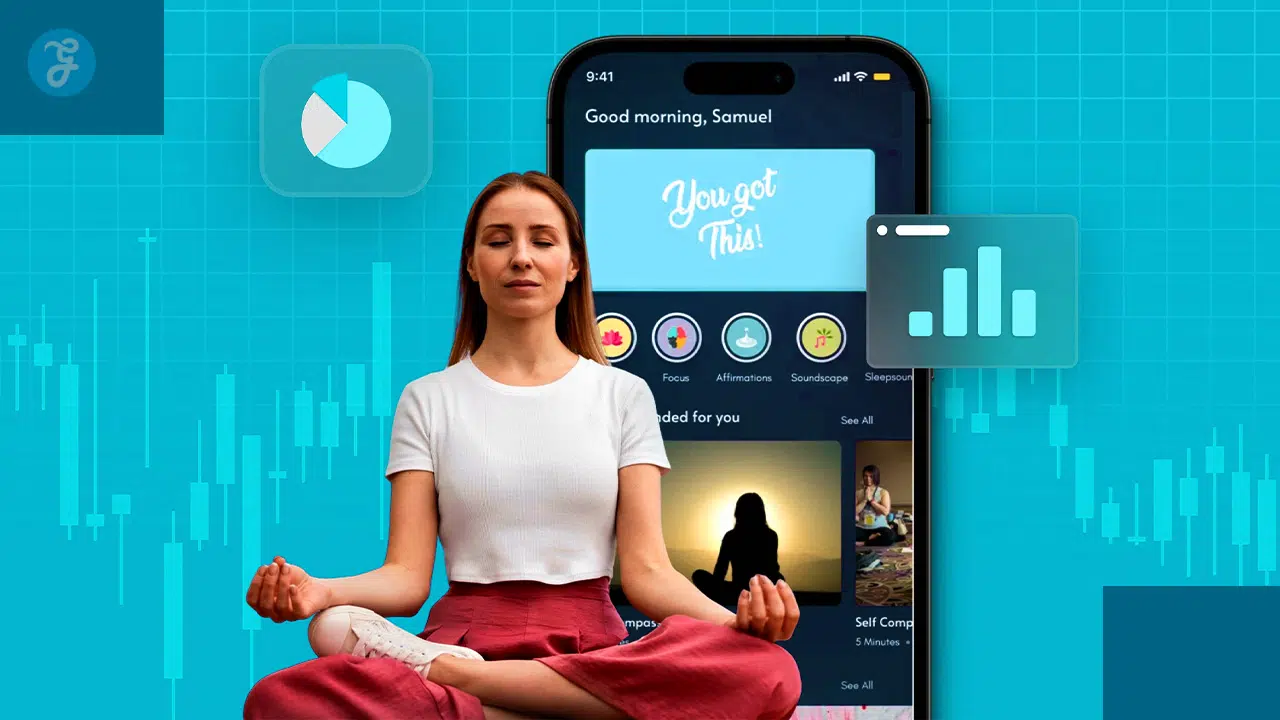
Do you feel stressed out from daily life? Many people do. Work, family, and endless notifications can make your mind race. You might struggle with focus or sleep. Meditation apps can help. They offer guided meditation for stress relief and mental well-being. Think of them as a pocket coach for mindfulness meditation. They fit right into your busy day.
Over 2,500 meditation apps launched between 2015 and 2020. This shows huge growth in tools for mental health. Apps like Calm and Headspace lead the pack. They provide meditation sessions and techniques for beginners.
Research proves they cut anxiety and boost emotional regulation.
This post reviews top picks, from free options like Insight Timer to ones for tracking progress. You’ll get features, pros, cons, and tips to choose. We cover apps on Google Play and Apple App Store for iOS and Android.
Ready to find your calm?
Why Use Meditation Apps?
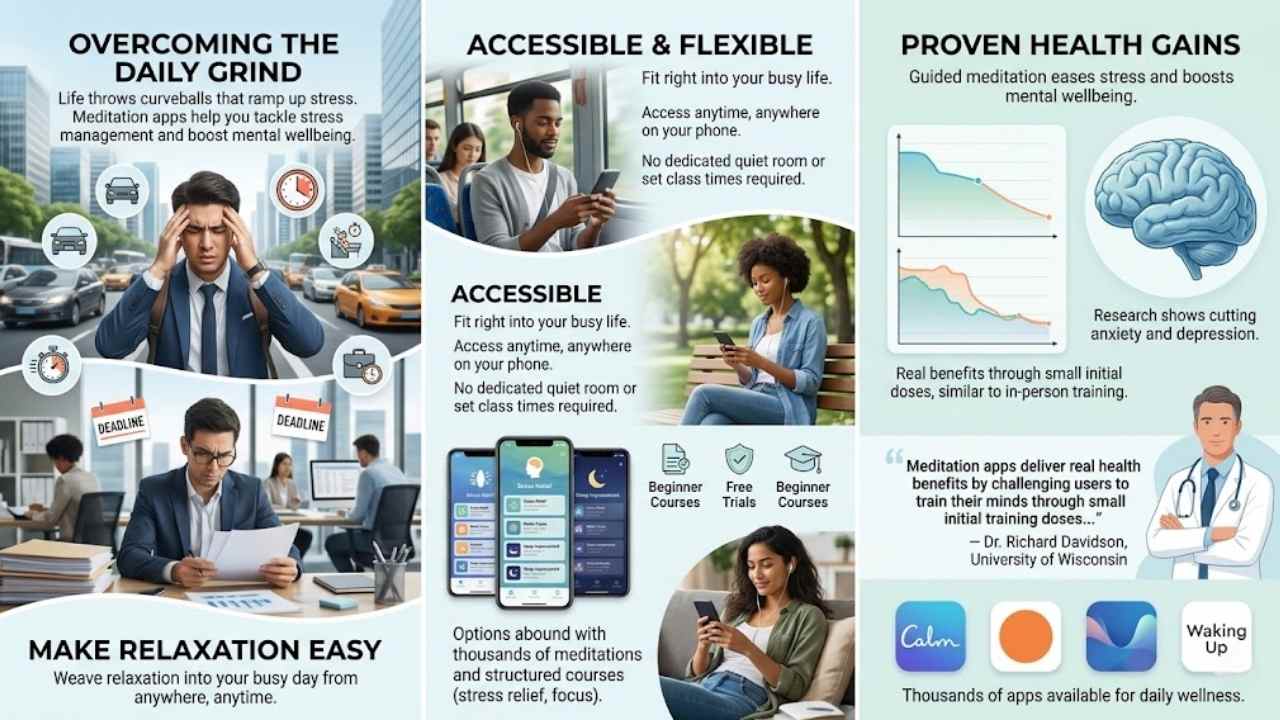
You know how life throws curveballs that ramp up stress, right? Meditation apps, like those offering guided meditations and mindfulness training, help you tackle stress management and boost mental wellbeing from anywhere, anytime, making it easy to weave relaxation into your busy day.
Benefits of guided meditation
Guided meditation eases stress management and boosts mental wellbeing. Apps like Calm offer guided meditations that mimic in-person sessions. They start with small doses to train your mind.
Research shows these practices cut anxiety and depression. Over 2,500 meditation apps launched from 2015 to 2020. This surge highlights the demand for easy mindfulness training. Many health and fitness apps now blend in meditation techniques.
Top ones, such as Headspace, provide free trials for sleep improvement and focus enhancement. Dan Harris praises apps like Waking Up for their real benefits. Users face challenges with long-term use, yet the gains persist.
Meditation apps deliver real health benefits by challenging users to train their minds through small initial training doses, similar to in-person meditation training. – Dr. Richard Davidson, University of Wisconsin
Picture a busy day melting away with apps like Insight Timer. Free options, including Smiling Mind and Stop, Breathe & Think, suit beginners. They encourage daily meditation for kids and adults alike.
Plum Village app draws from transcendental meditation roots. Experts at UCLA Mindful back these tools for relaxation. Sam Harris shares stories of consciousness shifts via apps. Healthy Minds Program from Indiana University Northwest aids mental health care.
Online therapy often pairs with mindfulness apps. Oxford MBCT courses enhance user experience. Apps like Medito and Open foster meditation practices for all.
Accessibility and flexibility
Meditation apps fit right into your busy life. You can grab your phone and start a session anytime, anywhere. Think about it, no need for a quiet room or set class times. Over 2,500 meditation apps launched from 2015 to 2020, so options abound.
Many health and fitness apps now mix in mindfulness training, like yoga sessions with relaxation and meditation apps. This growth makes meditation benefits easy to reach, even for beginners.
Flexibility shines through in how these apps work for you. Pick free meditations or explore meditation courses that match your goals, such as stress relief or better focus. Apps like Insight Timer offer thousands of choices, while others provide free trials.
Research shows they cut anxiety and depression, much like in-person training, but with small daily doses. Long-term use can be tough, yet top picks from sources like Verywell Mind and Wirecutter cater to needs, from sleep improvement to daily wellness.
Download from the Apple Store, and you’re set.
Best Overall: Calm
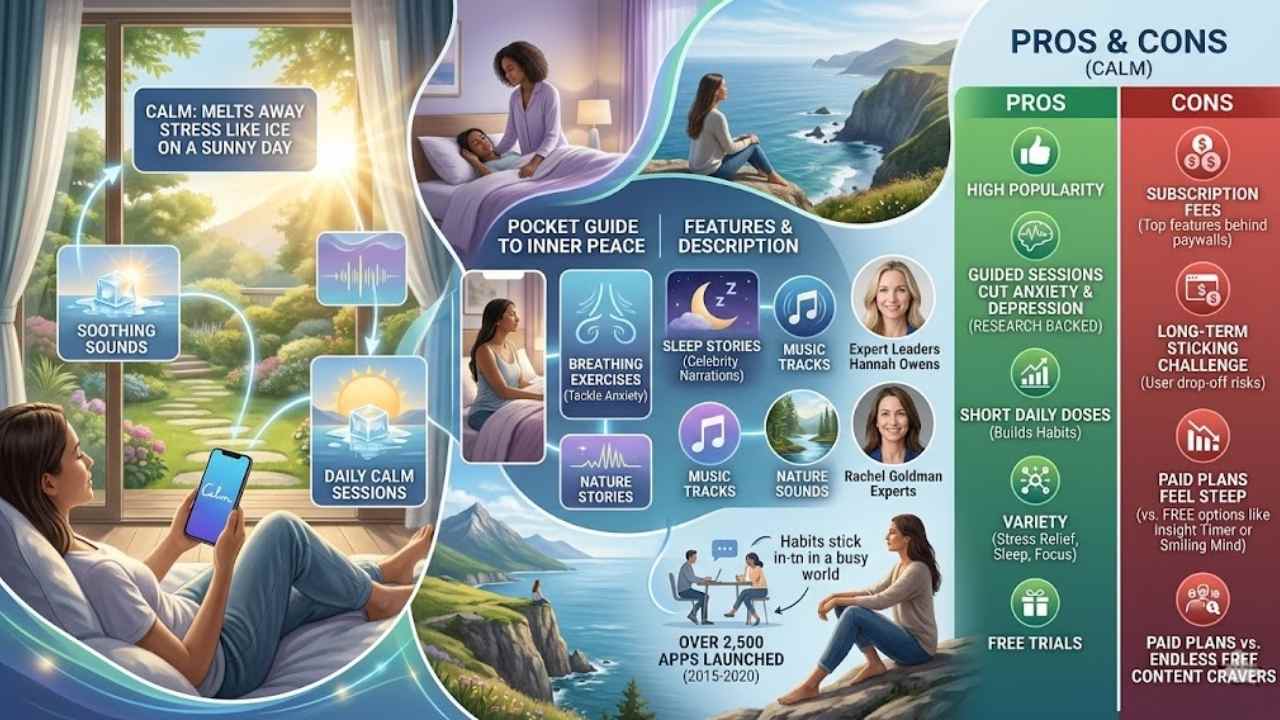
Calm tops the list for good reason, packing in soothing sounds and daily calm sessions that melt away stress like ice on a sunny day. Picture yourself unwinding with celebrity-narrated sleep stories, or tackling anxiety through quick breathing exercises, all at your fingertips.
Features & Description (Calm)
People love Calm for its wide range of tools that help with sleep, stress relief, and focus. This app stands out as a top choice among users, with guided sessions led by experts like Hannah Owens and Rachel Goldman.
You get stories for bedtime, music tracks, and breathing exercises all in one place. Calm offers a free trial before you pick a paid plan, making it easy to try out. It fits right into your daily routine, just like a quick chat with a friend who knows how to calm you down.
Experts praise Calm for blending mindfulness with fun features, such as nature sounds and celebrity narrations. Think of it as your pocket guide to inner peace, especially if you’re new to meditation for beginners.
The app includes options for unplug meditation sessions that feel personal and effective. Users see real benefits, like less anxiety, from its short training doses. With so many choices, Calm helps you build habits that stick, even in a busy world full of over 2,500 apps launched from 2015 to 2020.
Pros & Cons (Calm)
Calm shines as a go-to app for many folks chasing peace, packed with features that tackle stress and sleep woes like a trusted sidekick.
| Pros | Cons |
|---|---|
| Calm ranks high in popularity among users, drawing crowds with its guided sessions that cut anxiety and depression, backed by solid research. | Subscription fees add up, since top features hide behind paywalls, unlike free rivals such as Insight Timer or Smiling Mind. |
| Apps like this one boost mental health through short, daily doses of mindfulness training, much like in-person classes, and Calm excels at that with options for stress relief, better sleep, and sharper focus. | Long-term sticking with it poses a challenge, even though over 2,500 meditation apps launched from 2015 to 2020, showing the market’s boom but also user drop-off risks. |
| Variety rules here, with free trials letting you test waters on sleep stories and breathing exercises, fitting right into health apps that mix mindfulness with fitness. | Paid plans might feel steep if you crave endless free content, as seen in options like Stop, Breathe, & Think, which pushes daily mental wellness without constant costs. |
Best Free Option: Insight Timer
Craving a free path to calm without skimping on quality? Insight Timer delivers thousands of guided tracks, from quick breath sessions to in-depth sessions with experts like April McCormick, all at zero cost.
Features & Description (Insight Timer)
Insight Timer stands out as the top meditation app, earning praise from experts who evaluated 29 options and tested 19 in depth. This app offers a vast library of guided sessions, including insight meditation timer tools that track your progress like a trusty sidekick.
Users explore features from teachers such as April McCormick, with options like gongmaster sounds and ebb flows for relaxation. It delivers real health perks, cutting anxiety and depression through small, daily mind-training doses, much like in-person classes.
Imagine building a habit with over 2,500 apps flooding the market from 2015 to 2020, yet Insight Timer shines for its free access and flexible pricing. Many health apps now blend mindfulness, but this one packs meditation time 2.0 upgrades for sleep aid, stress relief, and focus boosts.
Innernow sessions feel like a chat with a wise friend, and The Guardian has spotlighted its community vibe. Long-term use can be tough, but free trials make starting easy, fitting various goals without the hassle.
Pros & Cons (Insight Timer)
Let’s talk about the pros and cons of Insight Timer, that standout free app experts picked as the best after checking 29 meditation apps and testing 19 of them.
| Pros | Cons |
|---|---|
| Experts call it the top pick for meditation, with real health perks that cut anxiety and depression, just like in-person sessions. | Sticking with it long-term can feel tough, even though over 2,500 apps hit the market from 2015 to 2020 for options like this. |
| You get free access to tons of guided sessions, plus it fits right in with health apps that mix mindfulness for stress relief, sleep help, and better focus. | Some users miss paid extras found in apps like Calm, which top charts for popularity. |
| Think of it as your daily mental workout buddy, starting small to build habits that boost wellness, much like Smiling Mind or Stop, Breathe, & Think do for free. | Free trials in other apps might pull you away if you want varied pricing or specific tools for tracking progress. |
Best for Beginners: Headspace
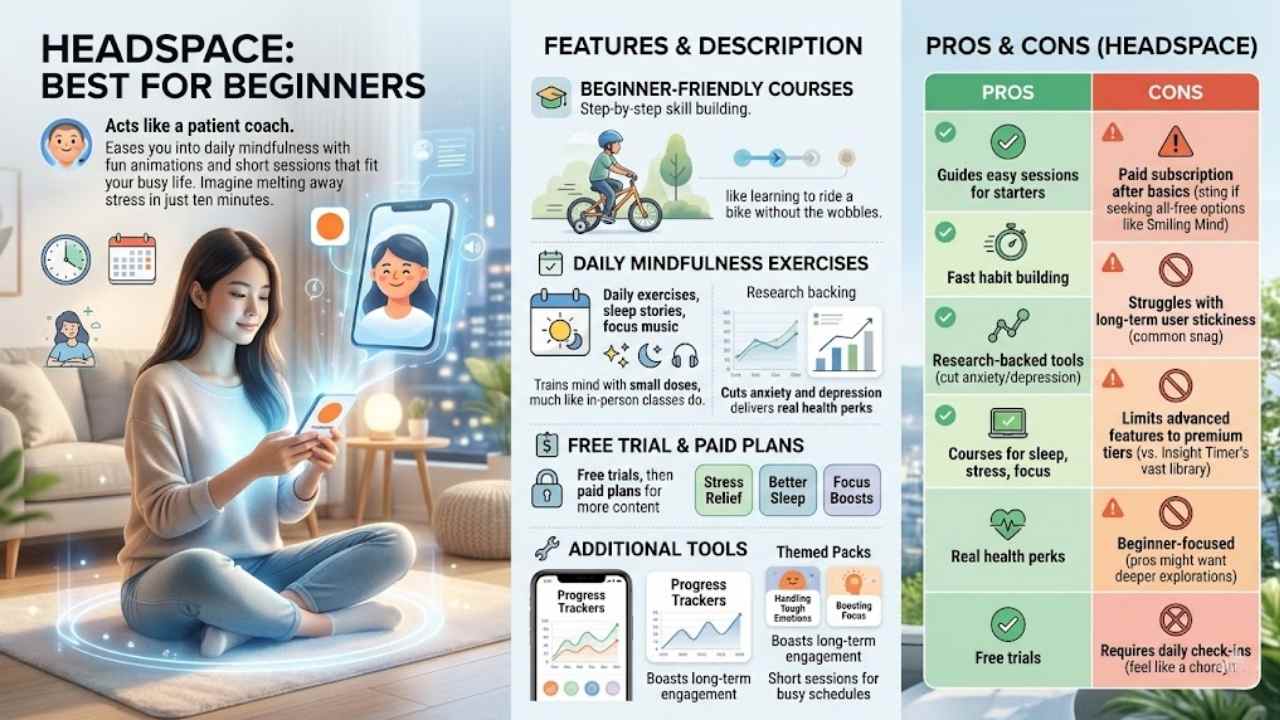
New to meditation? Headspace acts like a patient coach, easing you into daily mindfulness with fun animations and short sessions that fit your busy life. Imagine melting away stress in just ten minutes, as its voice-guided exercises build your skills step by step, sparking that inner peace you’ve been craving.
Features & Description (Headspace)
Headspace guides you through meditation with fun animations and easy audio sessions. Users love its beginner-friendly courses that build skills step by step, like learning to ride a bike without the wobbles.
The app packs in daily mindfulness exercises, sleep stories to help you nod off, and focus music for those tough workdays. It challenges your mind with small doses of training, much like in-person classes do.
Research shows apps like this cut down anxiety and depression, delivering real health perks. Headspace offers free trials, then shifts to paid plans for more content, fitting various needs from stress relief to better sleep.
Imagine starting your day with a quick breathing session that feels like a mental reset button. Headspace includes progress trackers to see how far you’ve come, plus themed packs for things like handling tough emotions or boosting focus.
Many folks find it boosts long-term engagement, even if sticking with apps can be tricky in general. It integrates mindfulness training smoothly, similar to how health apps blend in wellness features.
With options for short sessions, it suits busy schedules and helps train your mind through guided paths.
Pros & Cons (Headspace)
Headspace shines for newbies starting out in mindfulness, packing features that make daily practice feel like a breeze.
| Pros | Cons |
|---|---|
| – Guides you with easy sessions, perfect for starters who want to build habits fast.
– Packs research-backed tools that cut anxiety and depression, just like studies show for these apps. – Offers fun courses on sleep improvement, stress relief, and focus boosts to fit your goals. – Delivers real health perks through small training doses, much like in-person classes do. – Gives free trials, so you can test waters before any commitment. |
– Pushes a paid subscription after basics, which might sting if you seek all-free options like Smiling Mind or Stop, Breathe, & Think.
– Struggles with long-term user stickiness, a common snag among apps despite proven benefits. – Limits some advanced features to premium tiers, unlike Insight Timer’s vast free library from over 2,500 apps launched between 2015 and 2020. – Focuses more on beginners, so pros might crave deeper explorations found in apps like Calm. – Requires daily check-ins for best results, and that can feel like a chore on busy days. |
Best for Progress Tracking: Open: Breathwork + Meditation
You want to see your mindfulness journey grow, right? Open tracks your breath sessions and daily streaks like a loyal coach, cheering you on with charts that show real gains.
Features & Description (Open: Breathwork + Meditation)
Open: Breathwork + Meditation helps you track your mindfulness journey with ease. This app mixes guided breathwork exercises and meditation sessions to build better habits. It offers tools like progress logs and daily reminders, perfect for seeing real improvements in focus and stress relief.
Top apps like this deliver health benefits, such as cutting anxiety and depression, through short training doses much like in-person classes. You get options for sleep aids and mood boosters, with free trials to test the fit.
Many users face challenges with long-term use, but Open makes sticking with it simpler by gamifying your practice. Imagine logging your sessions and watching your streak grow, like earning badges in a game.
The app caters to various needs, from quick breath breaks to in-depth sessions for calm. Research shows these features work, reducing mental strain over time. With pricing that suits budgets, it stands among the 2,500 apps launched from 2015 to 2020, blending fitness elements for a full wellness boost.
Pros & Cons (Open: Breathwork + Meditation)
Open: Breathwork + Meditation shines with its strong progress tracking tools. Users love how it logs daily sessions and shows growth over time, much like a fitness tracker for your mind. It blends breathwork exercises with guided meditations to boost focus and cut stress, drawing from research that proves these apps ease anxiety and depression. Top features include options for sleep improvement and free trials, fitting various needs as the market grew with over 2,500 apps launched from 2015 to 2020. Many say it feels like a personal coach, pushing small training doses that mimic in-person classes for real health gains.
On the flip side, sticking with it long-term poses a challenge, just like other meditation apps where engagement drops off. The paid version can add up in cost, though it caters to goals like stress relief. Some folks find the interface a bit cluttered compared to simpler free options, and it lacks the huge library of rivals. Health apps often mix in mindfulness, but this one demands consistent use to see benefits, which not everyone maintains.
Best for Adventure Travelers: Sony SF-G Series TOUGH UHS-II
Adventure seekers, you know the thrill of chasing sunsets in rugged spots, but what if your gear fails mid-journey? This tough memory card stands up to bends, drops, and dust like a champ, keeping your mindfulness sessions and travel snaps safe no matter the trail.
Features & Description (Sony SF-G Series TOUGH UHS-II)
Sony SF-G Series TOUGH UHS-II serves adventure travelers well. This memory card takes on harsh conditions like a champ. Drop it from 16 feet, and it keeps working. Bend it hard, it holds up 18 times better than regular cards.
Water? It stays safe submerged for 72 hours. Dust and dirt can’t get in either. You shoot 4K video or burst photos fast with its 300 MB/s read speed. Write speeds hit 299 MB/s for quick saves.
Pros love its solid build without weak spots like switches or ribs. Imagine trekking a mountain, phone in hand for mindfulness breaks, and this card stores every serene shot. It fits cameras and devices adventurers carry.
Pick capacities from 32GB to 256GB for your needs. Tough gear like this lets you focus on the journey, not equipment fails.
Pros & Cons (Sony SF-G Series TOUGH UHS-II)
Pros grab attention with the Sony SF-G Series TOUGH UHS-II, folks. This SD card stands tough against bends, drops, dust, and water, like a loyal friend on rugged trips. Speeds hit 300MB/s for reading and 299MB/s for writing, so you transfer files fast after a day of hiking or kayaking. Adventure travelers love how it protects photos and videos, no matter the weather. Imagine capturing serene moments in the wild, then relaxing with stored mindfulness tracks later, it fits that vibe perfectly.
Cons come into play too. The high price tag stings, often over $100 for higher capacities, which might make you pause before buying. You need UHS-II compatible cameras to unlock those top speeds, otherwise performance drops. Some users find it overkill for casual use, like if your travels stay mild. Think about your needs, because this card aims at extreme conditions, not everyday snaps.
Tips for Choosing the Right Meditation App
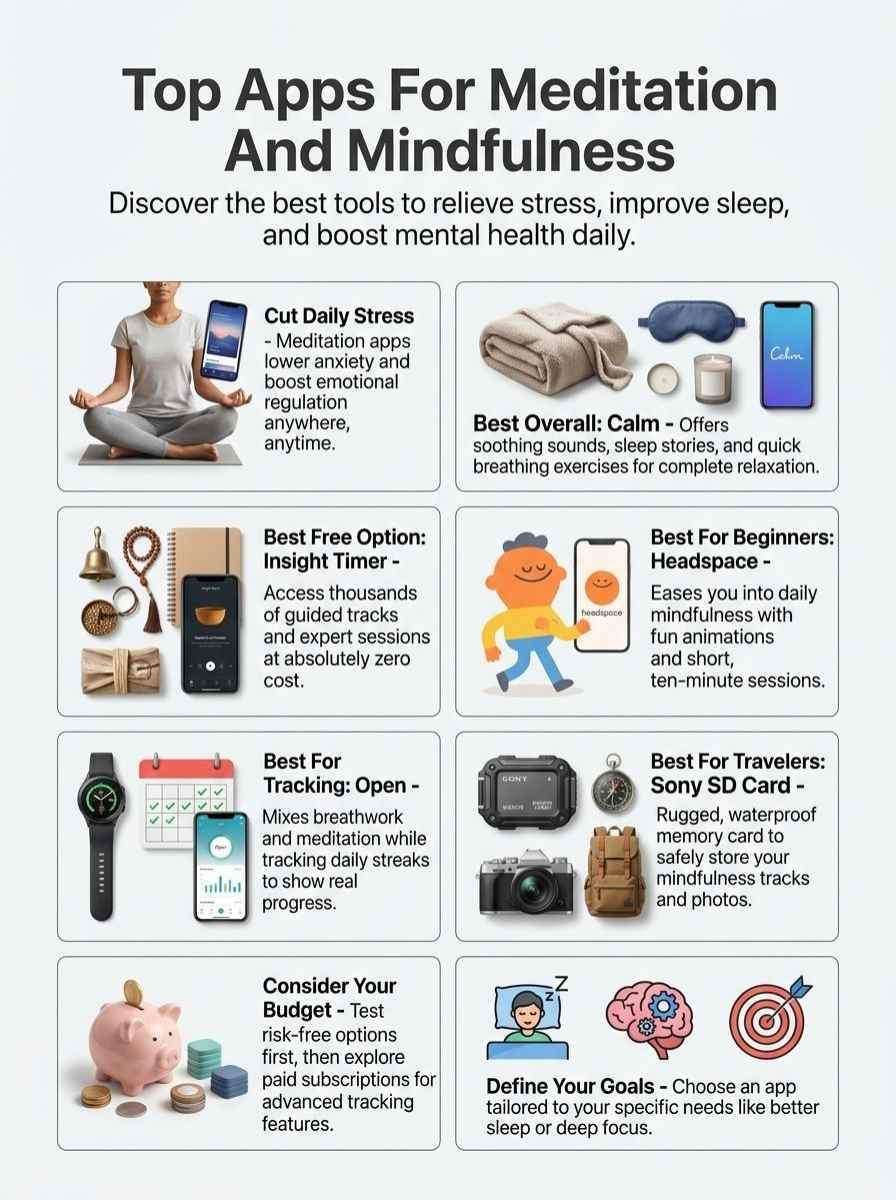
Pick an app that matches your budget, like a no-cost version for quick starts or a premium one with extra sessions for deeper calm. Think about your aims, say stress relief or better sleep, and test a few to find that perfect fit, like slipping into comfy shoes for a long walk.
Free vs. Paid apps
Free apps like Insight Timer, Smiling Mind, and Stop, Breathe, & Think give you solid mindfulness tools without costing a dime. They pack in guided sessions that cut anxiety and depression, just like research shows. Imagine you dip your toes into meditation with zero risk, building habits through small doses that mimic in-person training. Many health apps now blend in these features too, making mental wellness part of your daily routine. Top picks often come with free trials, so you test the waters before exploring further.
Paid options, such as Calm or Headspace, open up extra perks like progress tracking and sleep aids that boost focus and stress relief. They cater to over 2,500 apps launched from 2015 to 2020, a boom that proves their pull. Users stick around longer with these, tackling the engagement hurdle that free versions sometimes face. Think of it as investing in your mind, like upgrading from a basic gym membership to one with personal trainers. Apps vary in pricing, so match them to your goals for real health wins.
Personal goals and preferences
Think about your own aims when picking a meditation app. You might want to cut stress, boost focus, or sleep better at night. Top apps provide features and free trials that match these needs, like sessions for anxiety relief or mood lifts.
Research shows these tools lower anxiety and depression, much like a daily mental workout. Over 2,500 apps hit the market from 2015 to 2020, so options abound for everyone. Many fitness apps now mix in mindfulness, too, for a full approach.
Your tastes matter a lot here. Some folks like guided talks, others prefer quiet breath work. Long-term use can be tough, but apps challenge you with small doses, just like in-person classes.
They bring real health perks, such as less worry in tough times. Pick one that feels right, maybe with fun themes or quick sessions. Calm draws crowds for its wide appeal, while free picks like Insight Timer or Smiling Mind suit budget users.
Stop, Breathe, & Think pushes daily wellness, fitting your routine.
Final Thoughts
We explored top meditation apps like Calm for general calm vibes, Insight Timer as a free gem with tons of sessions, Headspace for newbies easing into mindfulness, and Open for tracking breathwork progress.
These tools fit right into your busy day, offering quick sessions that anyone can start without fancy gear. Meditation apps cut stress and boost focus, leading to real wins like less anxiety and better sleep in your life.
Check out free options like Smiling Mind or Stop, Breathe & Think for more ways to explore further. Go ahead, pick one app today and watch your mind transform, because a calmer you starts with that first breath.
Frequently Asked Questions (FAQs) About Meditation and Mindfulness Apps
1. What are some top apps for meditation and mindfulness?
Hey, if you’re feeling overwhelmed, apps like Calm and Headspace can be real lifesavers, offering guided sessions that fit right into your busy day. They use simple breathing exercises to help you unwind, like a gentle nudge from a friend saying, “Take it easy.” Plus, Insight Timer throws in community vibes with free talks from experts, making mindfulness feel less like a chore and more like chatting over coffee.
2. How do these meditation apps help with daily mindfulness?
These apps track your progress and send reminders, turning scattered thoughts into focused calm. Picture your mind as a wild garden; they help you prune it back, bit by bit.
3. Are there free top apps for meditation?
Yes, Insight Timer stands out as a free gem, packed with thousands of meditations without costing a dime. It connects you to teachers worldwide, so you can dip in anytime, like finding a quiet park bench in your pocket. Just remember, some premium features might tempt you later, but the basics keep you going strong.
4. Which app is great for beginners in mindfulness?
Start with Headspace; it’s straightforward and fun, with short sessions that build habits without overwhelming you.
























