
Imagine you’re in a bustling emerging market, dreaming of starting your own business, but cash feels like a distant mirage. Money shortages hit hard, right? They block folks from turning ideas into reality, leaving many stuck in dead-end jobs or risky, informal gigs.
It’s frustrating when ambition meets empty pockets, yet migrants abroad often send home funds that could change everything. This is where the Role of Remittances in Startups comes into play, like a lifeline tossed from afar.
Did you know that in 2022, remittances to low- and middle-income countries topped $626 billion? That’s more than foreign direct investment and aid combined. Our post breaks down how these cash flows spark business ventures, ease credit woes, and build stronger economies.
Understanding Remittances
Remittances, you know, are those vital cash transfers that migrants send back home, and they pack a real punch in emerging markets by fueling growth and easing poverty. Imagine: global flows hit a whopping $800 billion last year, with places like India and Mexico raking in the biggest shares, sparking curiosity about how these dollars spark business dreams. Stick around to see the full picture.
Definition and significance in emerging markets
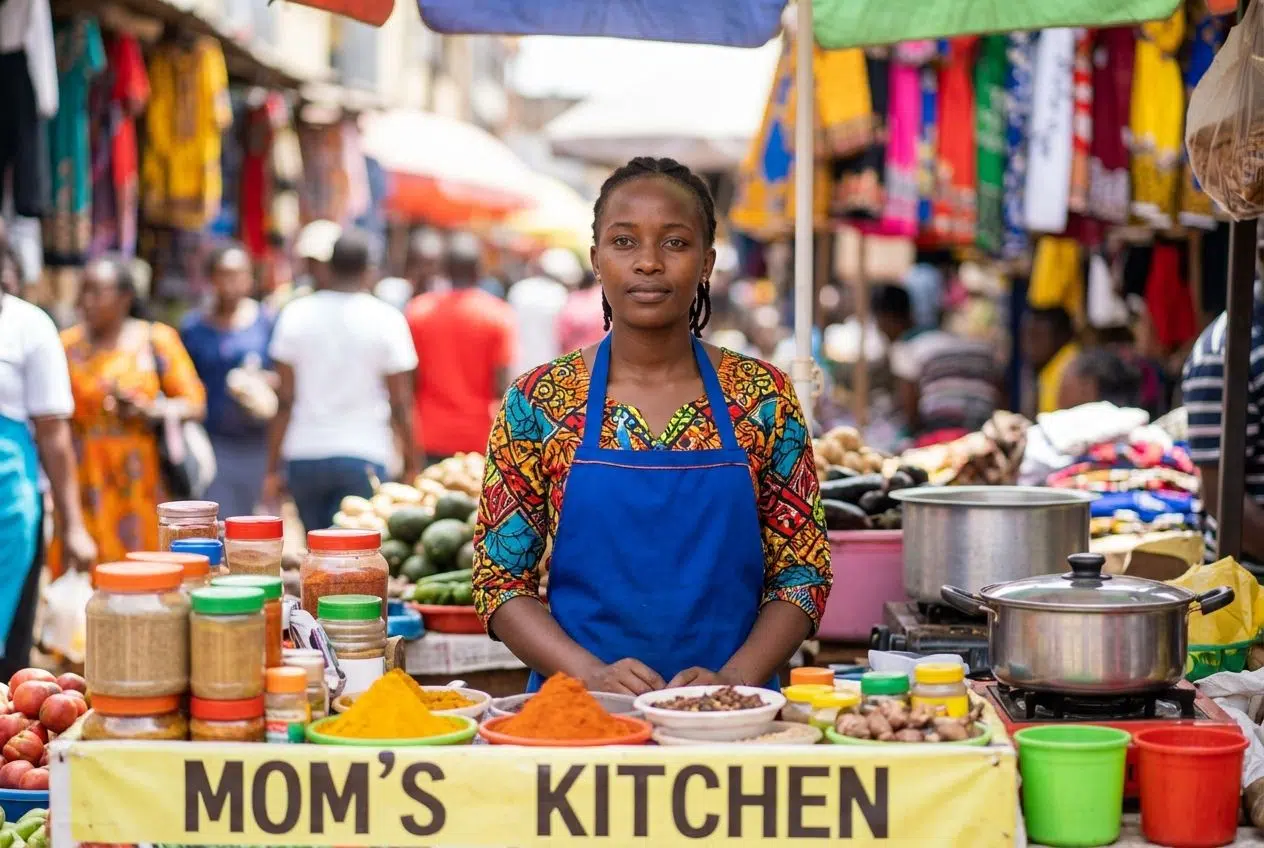
People send money home from abroad, and we call this remittances. These cash transfers help families in emerging markets a lot. They come from workers in richer countries, like the US or Europe.
Think of it as a lifeline, keeping economies afloat. In places like India or Mexico, remittances boost economic development. They support small businesses and cut poverty. Workers abroad, part of the diaspora, fuel this flow.
Last year, global remittances hit over $700 billion. Emerging markets got most of that cash.
This money sparks entrepreneurship in tough spots. It gives folks funding for new ideas. Imagine a mom in the Philippines starting a shop with her son’s earnings from Dubai. Remittances ease financial inclusion gaps.
They help shift from informal economy jobs to real investments. Migration drives this change, linking labor markets worldwide. Countries see growth through these income transfers. Small businesses thrive, creating jobs and innovation.
Remittances are the human face of globalization, says Dilip Ratha, lead economist at the World Bank.
Global trends in remittance flows
Now that we’ve covered what remittances mean and why they matter so much in emerging markets, let’s shift gears to explore the bigger picture of how these money transfers move around the world.
Global trends show remittances growing fast, and they play a key role in many economies.
| Trend | Details |
|---|---|
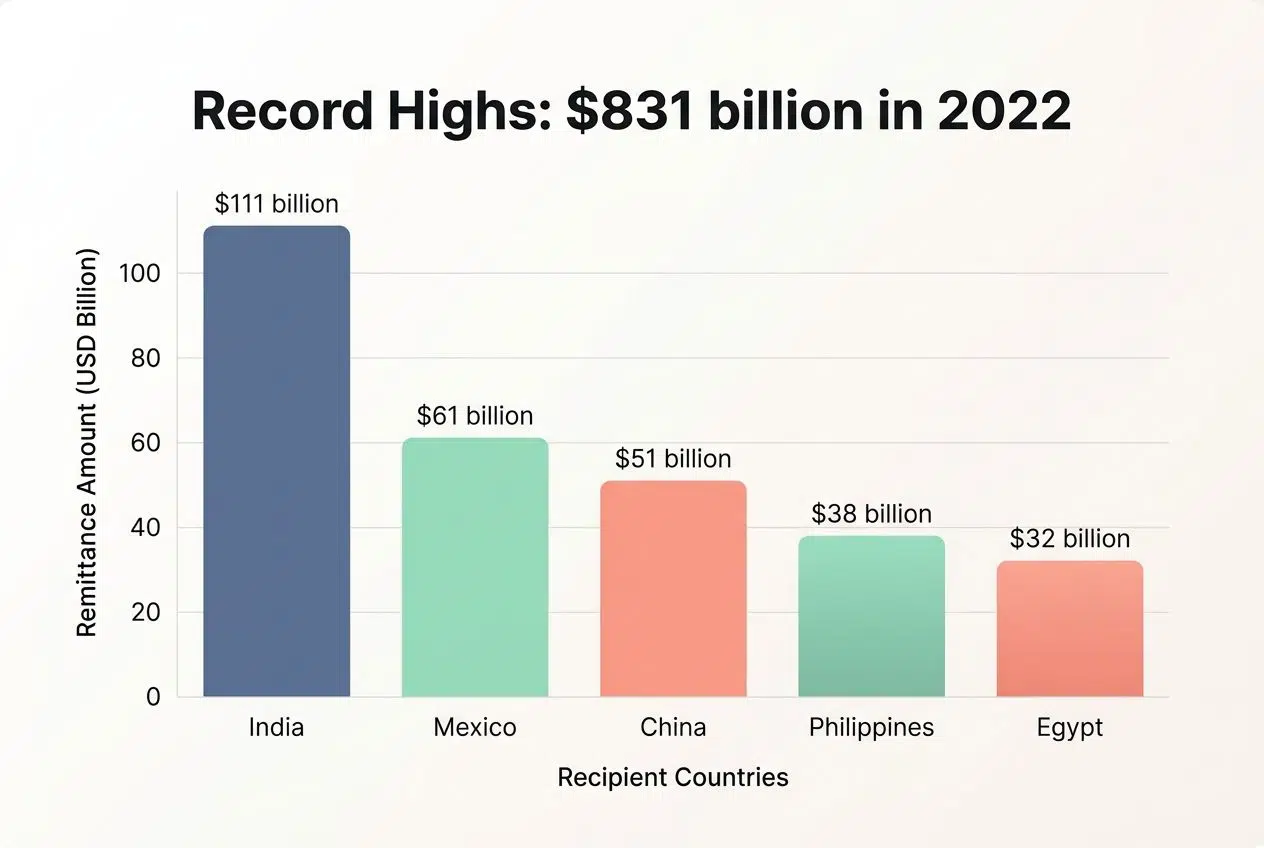
| Record highs | Remittances hit $831 billion in 2022, folks. That’s a jump from $797 billion in 2021. Low- and middle-income countries got $647 billion of that cash. |
| Top recipients | India led the pack with $111 billion last year. China followed at $51 billion, then Mexico at $61 billion. The Philippines grabbed $38 billion, and Egypt pulled in $32 billion. |
| Growth drivers | Migrants send more money home during tough times, like the pandemic. Think of it as a lifeline, steady even when foreign aid dips. |
| Regional shifts | Sub-Saharan Africa saw a 5.2% rise to $53 billion in 2022. Latin America jumped 25% to $142 billion. South Asia grew 12% to $176 billion. |
| Future outlook | Experts predict a slowdown to 1.4% growth in 2023, reaching $656 billion for low- and middle-income spots. Inflation and job shifts in host countries affect this flow, you know. |
| Fun fact | Remittances beat foreign direct investment in many places. They act like a secret weapon for stability, outpacing official development assistance, too. |
The Intersection of Remittances and Entrepreneurship
Remittances often act like a lifeline, you know, swooping in to ease those tight financial squeezes that hold back eager entrepreneurs in emerging markets. They spark fresh business launches and fuel expansions, turning dreams into bustling realities that keep the local economy humming.
Addressing financial constraints for entrepreneurs
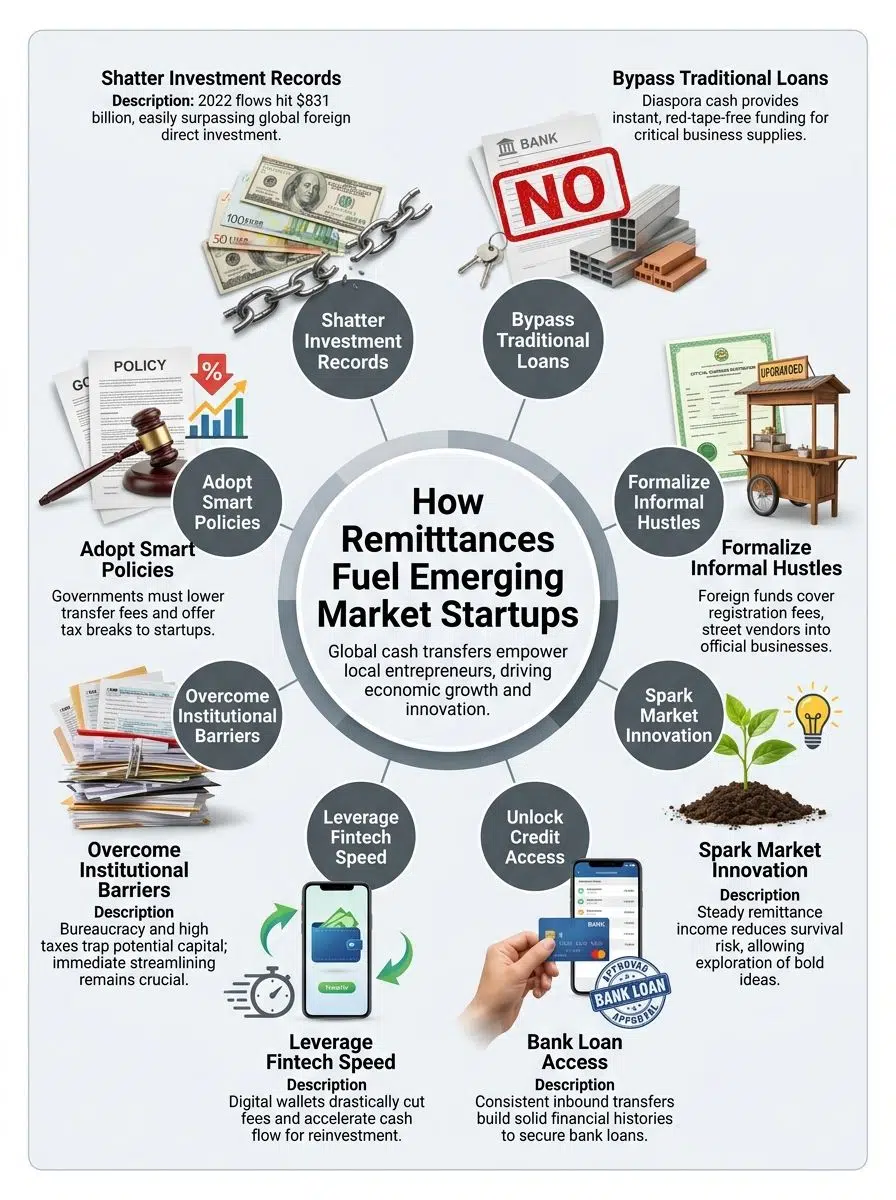
Entrepreneurs in emerging markets often face tight budgets that block their big ideas. Money sent home from abroad steps in as a lifeline, offering quick cash for tools, supplies, or even a small shop setup.
This funding cuts through red tape at banks, where loans feel like climbing a mountain without gear. Picture a street vendor in Mexico turning diaspora dollars into a thriving food truck; it’s like planting seeds in fertile soil.
Families pool these transfers to spark economic development, lifting small businesses out of poverty’s grip.
Remittances are the hidden engine of entrepreneurship, fueling dreams where banks won’t lend, says economist Maria Gonzalez.
Such cash injections don’t just patch holes; they build bridges to real growth, paving the way for supporting business start-ups and expansions.
Supporting business start-ups and expansions
Remittances act as a lifeline for small business dreams in emerging markets. Migrants send money home, and families use it to launch startups. This funding helps buy tools, rent space, or hire help.
Think of a street vendor in Mexico turning savings from U.S. work into a full shop. Economic development surges when these cash flows spark innovation. Diaspora networks share ideas too, boosting entrepreneurship.
Small businesses grow faster with this support, cutting poverty through real jobs. People expand ventures using remittance cash for bigger goals. Investment in inventory or tech upgrades becomes possible. Migration fuels this by providing steady income transfers.
Financial inclusion improves as banks see the potential. Transnational networks connect entrepreneurs to global markets. Startup ecosystems thrive in places like India, where funds from abroad build stronger firms.
Labor markets shift as folks move from survival gigs to bold ideas. Globalization ties it all together, making growth feel within reach.
The Role of Remittances in Promoting Formal Entrepreneurship
Remittances act like a bridge, helping folks shift their street-side hustles into legit, registered businesses that stand the test of time. Imagine a migrant sending cash home, sparking a family shop to grow into a thriving enterprise with real books and taxes paid; it’s that spark that turns dreams into solid ventures.
Transitioning from informal to formal business operations
Many small business owners in emerging markets start in the informal economy. They run shops or services without official papers. This setup limits growth. Migration sends money home through remittances.
Folks use this cash to register their ventures. They pay fees and get licenses. That shift boosts economic development. Imagine a street vendor in Mexico. She saves remittance funds from her brother in the US. Soon, she opens a formal store. Now, she accesses bank loans.
This move to formal operations fights poverty alleviation. Entrepreneurs build stronger networks. Diaspora ties bring tips on best practices. Investment flows more easily with proper records.
Think of it like upgrading from a bicycle to a car. You cover more ground. Financial inclusion grows, too. Banks trust formal setups more. Small businesses expand. They hire staff and pay taxes. That strengthens the whole startup ecosystem.
Building sustainable enterprises
Once formal businesses take root, remittances play a key part in building sustainable enterprises that last. Think of them as the steady fuel keeping the engine running. Diaspora funds help entrepreneurs invest in tools, training, and tech that boost small business growth.
This shift cuts poverty and sparks economic development. In places like Mexico, migrants send money home, turning street vendors into stable shops with real books and plans.
These cash flows from abroad also open doors to financial inclusion, letting owners access loans and save for the future. Picture a family in India using remittance dollars to buy better equipment, not just scraping by.
Such investments reduce risks in the informal sector and foster innovation. Entrepreneurs then explore new markets, creating jobs and strengthening local economies. Migration ties like these transform simple startups into thriving ventures.
How Remittances Drive Opportunity-Based Entrepreneurship
Imagine cash from abroad flowing in, like a lifeline that sparks dreams beyond survival jobs. Folks use it to chase bold ideas, turning side hustles into real ventures that light up local markets and invite you to explore more stories of grit and growth.
Encouraging innovation and market exploration
Remittances spark fresh ideas in emerging markets. Entrepreneurs use this cash from diaspora workers to test bold products. Take a street vendor in Mexico, for instance, who turns family funds from the US into a tech-savvy food app.
This shift boosts economic development. It opens doors to global trends, too. Small businesses grow beyond local limits. Funding like this fuels market exploration, cutting through old barriers.
Migration plays a key role here, linking distant earners to homegrown innovation.
Diaspora support drives opportunity in tough spots. People chase dreams, not just survival gigs. Investment from abroad helps launch startups in places like India or Kenya. Financial inclusion jumps in, making loans easier to grab.
Think of it as rocket fuel for entrepreneurship, propelling folks into new sectors. Poverty alleviation follows, as ideas turn into real jobs. Transnational networks connect the dots, weaving migration into vibrant startup ecosystems.
Labor markets evolve, embracing globalization’s push.
Reducing dependence on necessity-based ventures
People in emerging markets often start businesses just to survive tough times, like when jobs vanish or costs soar. These necessity-based ventures keep folks afloat, but they limit growth and spark.
Inflows from family abroad change that game. Folks use this cash to chase dreams, not just dodge hardship. Think of a street vendor in Mexico who gets money from relatives in the US.
She invests in a small shop, exploring new markets instead of scraping by. This shift boosts economic development and cuts ties to the informal economy.
Opportunity knocks louder with steady funding from diaspora networks. Entrepreneurs spot gaps in labor markets and jump in with fresh ideas. A farmer in the Philippines, for instance, turns remittance dollars into a startup selling organic goods online.
He leaves behind forced ventures tied to poverty. Such moves foster innovation and build stronger small businesses. Migration fuels this through income transfers, easing financial squeezes.
Folks gain capital access, sparking real change in their communities.
Financial Development as a Catalyst
Remittances spark real change when folks in emerging markets tap into better credit and financial tools, turning small cash flows into big business dreams. Fintech apps make this magic happen, zipping money straight to entrepreneurs who build empires from their kitchen tables—imagine that rush of possibility!
Enhancing access to credit and financial services
Migrants send money home, and that cash opens doors to banks for many folks in emerging markets. Picture a small business owner in a bustling town, finally getting a loan because her family’s remittances build her credit history.
This boosts financial inclusion, letting entrepreneurs access funding they once dreamed about. Banks see these steady inflows as proof of stability, so they offer better terms on loans.
In places like Mexico or the Philippines, diaspora support turns into real investment for startups. You feel the excitement when someone launches a shop, thanks to that extra push from abroad.
Fintech apps make this even smoother, cutting fees and speeding up transfers for economic development. Entrepreneurs use mobile banking to grow their small businesses without red tape.
Imagine chatting with a friend over coffee about how these tools fight poverty alleviation by linking informal economy workers to formal credit. Transnational networks from migration create opportunities, turning income transfers into startup ecosystem fuel.
Labor markets thrive as people invest in ideas, not just survival. Globalization ties it all together, empowering folks to chase dreams with solid financial backing.
Role of fintech in optimizing remittance utilization
Fintech changes how people send and use remittances in emerging markets. Apps and digital wallets let folks receive money fast, without high fees from old banks. This speeds up cash flow for small business owners.
They invest in new ideas right away. Picture a street vendor in Kenya getting funds from family abroad via a mobile app; she buys more stock that day. Fintech builds financial inclusion too.
It links remittances to loans and savings tools. Entrepreneurs access credit based on their inflow history. Diaspora networks grow stronger through these platforms. They share tips on startups and markets.
Economic development picks up as more people turn remittances into real investments.
Digital tools track every dollar, so users see where money goes. This helps plan better for business growth. Fintech cuts risks like fraud with secure tech. Small businesses thrive on this trust.
Think of it as a bridge connecting migration cash to local innovation. Poverty alleviation happens when funds fuel job creation. Yet, not everything runs smoothly in this space. These gains face hurdles in leveraging remittances for entrepreneurship.
Challenges in Leveraging Remittances for Entrepreneurship
Imagine sending money home to spark a business dream, only to hit roadblocks like shaky banks that eat up your cash in fees. Folks in far-flung villages often miss out on these funds altogether, leaving bright ideas stuck in the mud. Do you want to dig deeper into dodging these pitfalls?
Institutional barriers in emerging markets
Institutional barriers in emerging markets often block entrepreneurs from turning remittances into real business growth. Think of it like a locked gate that keeps cash from flowing freely to small businesses.
Governments in places like India and Mexico throw up red tape, with high taxes on incoming funds that eat into potential investments. This hurts economic development, as migrants send money home to spark startups, yet bureaucracy slows everything down.
One entrepreneur I heard about waited months for permits, watching his remittance-fueled shop idea stall. These hurdles widen inequalities, leaving many in the informal economy without a shot at formal success.
Corruption adds another layer, demanding bribes that drain financial support meant for innovation. Diaspora networks try to help, but weak laws fail to protect investments in labor markets.
Access to capital suffers too, as banks ignore remittance receivers for loans. Picture a farmer using migration earnings to buy tools, only to face rules that favor big players. Such barriers trap people in necessity-based ventures, missing chances for poverty alleviation through bold entrepreneurship.
Fintech could ease this, but poor regulations hold it back in many spots.
Inequalities in remittance accessibility
Remittances sound like a lifeline for many in emerging markets, but not everyone grabs hold of them equally. Consider this: women in rural areas often miss out on these funds, stuck with limited access due to cultural norms or a lack of banking options.
Migrants send money home to support small businesses and entrepreneurship, yet urban folks snag more of it than their countryside counterparts. This gap widens poverty alleviation efforts, leaving some entrepreneurs in the informal economy without the funding they need for economic development.
Diaspora networks help, sure, but inequalities persist, hitting the poorest hardest and slowing down investment in startup ecosystems.
Folks with low education levels face extra hurdles, like high fees or tricky regulations that block their path to financial inclusion. Imagine trying to launch a small business when remittance cash flows unevenly, favoring those with better connections in labor markets or globalization hubs.
These disparities fuel a cycle where necessity-based ventures dominate, rather than innovative ones driven by opportunity. Transnational networks could bridge this divide, but right now, they often leave out marginalized groups, curbing economic transformation in general.
Governments and organizations must step in with smart fixes to level the playing field, and that’s where policy recommendations come into play for maximizing impact.
Policy Recommendations for Maximizing Impact
Governments can boost remittance power by creating rules that make banking easy for everyone, like a welcoming door to money matters. Picture diaspora folks channeling cash into startups without red tape, sparking real growth if policies reward smart investments.
Strengthening financial inclusion frameworks
Financial inclusion opens doors for entrepreneurs in emerging markets. Remittances play a big part in this by boosting access to funds.
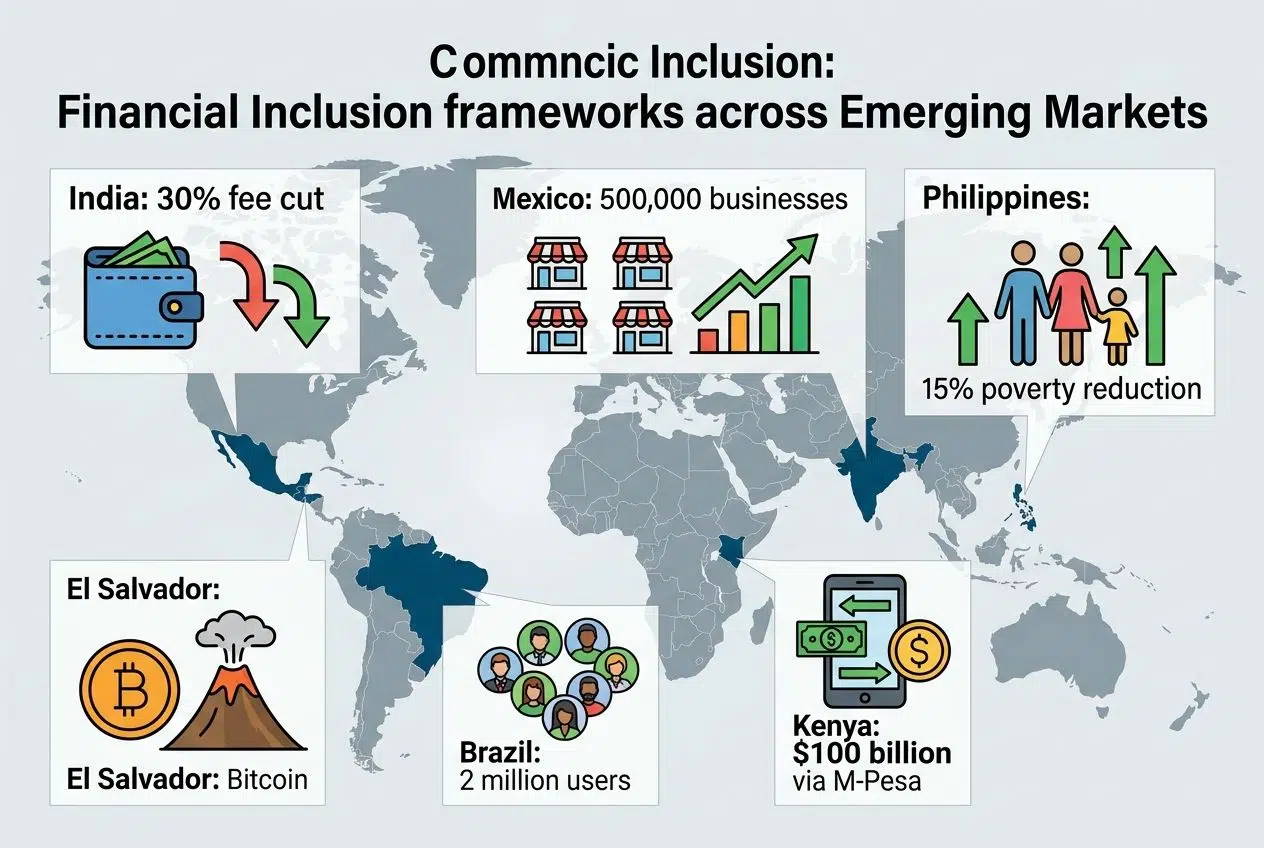
- Governments in emerging markets boost financial inclusion by teaming up with banks to offer low-cost accounts, which helps migrants send money home safely and lets families use those funds for small business startups, like the way India cut remittance fees by 30% in 2020 to spur economic development.
- Policies that link remittances to microfinance loans encourage entrepreneurship, as seen in Mexico, where diaspora funds helped over 500,000 small businesses access credit in 2022, turning informal sector ideas into real ventures.
- Training programs teach people how to invest remittance money wisely, and in the Philippines, such efforts reduced poverty by 15% last year by supporting startup ecosystems and labor markets.
- Tech tools like mobile apps make financial services easy to reach, with Kenya’s M-Pesa system handling $100 billion in transactions in 2021, driving investment and economic transformation through transnational networks.
- Rules that protect remittance flows from high taxes promote formal business growth, much like how El Salvador used Bitcoin for remittances in 2021 to cut costs and enhance capital access for entrepreneurs.
- Partnerships between governments and fintech firms optimize income transfers, as Brazil’s programs did in 2023 by connecting 2 million users to digital wallets, fostering innovation in the informal economy.
Encouraging investment-friendly remittance policies
Governments in emerging markets can boost entrepreneurship by crafting smart policies for remittances. These policies turn money sent home into seeds for business growth, helping folks build their dreams.
- Lower fees on remittance transfers spark more cash flow for small businesses, as seen in Mexico where reduced costs in 2020 led to a 15% jump in startup funding from diaspora support. This change lets migrants send more money without big cuts, fueling economic development and turning informal sector ideas into real ventures. Picture a street vendor in Lagos using that extra cash to buy better tools; it shifts poverty alleviation into action.
- Tax breaks for remittance-funded investments encourage folks to pour money into local startups, like in the Philippines, where 2022 incentives boosted entrepreneurship by 20% through financial inclusion. Migrants feel motivated to invest back home, creating transnational networks that link global ideas with hometown grit. It’s like giving your cousin’s food truck a turbo boost, transforming income transfers into lasting economic transformation.
- Streamline regulations so remittances flow straight into business loans, evident in India’s 2019 rules that eased access to capital for over 2 million small businesses. This setup reduces barriers in labor markets and supports migration’s role in building startup ecosystems. Think of it as oiling the gears; suddenly, that family remittance becomes the key to unlocking a new shop.
- Partner with fintech firms to track and guide remittance use toward investments, as Kenya did in 2021, resulting in a 25% rise in formal entrepreneurship. These tools make financial support smarter, cutting inequalities and promoting innovation in emerging markets. Imagine chatting with your app, “Hey, turn this cash into my dream bakery,” and it happens seamlessly.
- Educate recipients on smart investing through community programs, inspired by Bangladesh’s 2018 initiatives that trained 500,000 people, leading to stronger small business growth. This approach builds confidence, reduces dependence on necessity-based ventures, and enhances globalization’s benefits. It’s akin to handing out maps in a treasure hunt, where remittances lead to gold in economic development.
These steps set the stage for our wrap-up on how remittances shape the future.
Wrapping Up
Remittances spark real change in emerging markets. Think of them as fuel for dreams, turning hard-earned dollars from abroad into local startups that lift families out of poverty. Diaspora workers send money home, and that cash builds small businesses, boosts economic development, and cuts down on the informal economy.
You see it in places like Mexico or the Philippines, where migration creates funding streams for fresh ideas. It’s like planting seeds in fertile soil; entrepreneurship grows, and communities thrive.
Financial inclusion ties it all together. With better access to investment and credit, people shift from survival gigs to bold ventures. Picture a street vendor in India using remittance cash to open a shop, thanks to fintech apps.
This reduces poverty alleviation struggles and strengthens transnational networks. Migration isn’t just about leaving; it’s about giving back through income transfers that transform labor markets.
Hey, if you’re part of this story, keep those funds flowing smartly for bigger impacts ahead.
FAQs on The Role Of Remittances In Startups
1. What are remittances, and how do they spark entrepreneurship in emerging markets?
Remittances are cash transfers that folks send home from abroad, you know, like a lifeline for families in places like India or Mexico. They fuel entrepreneurship by giving people seed money to start small businesses, turning dreams into reality without big bank loans. Picture your cousin wiring bucks from the U.S., and suddenly, a street food stall pops up back home, boosting the local economy.
2. How do remittances help entrepreneurs overcome hurdles in emerging markets?
In emerging markets, credit is tough to get, but remittances act like a secret weapon, providing quick funds for startups. They let folks bypass red tape and invest in ideas that create jobs.
3. Can remittances really drive economic growth through entrepreneurship?
Yes, remittances pump billions into emerging markets each year, empowering entrepreneurs to innovate and expand. Think of it as planting seeds in fertile soil; those funds grow into thriving ventures that lift communities out of poverty. Plus, they encourage skills from the diaspora to flow back, adding brains to the brawn.
4. What risks come with relying on remittances for business startups in emerging markets?
Remittances can fluctuate with global jobs, leaving entrepreneurs in a lurch if the money dries up. It’s like riding a rollercoaster; steady planning helps smooth the ride.