The story of the Death Note is often viewed as a solitary journey of a man trying to become a god. However, a closer look reveals that the narrative is actually driven by the complex web of Light Yagami relationships. Light is not a character who exists in a vacuum. He is constantly reacting to, manipulating, and discarding the people around him. His journey is defined by how he treats his family, his enemies, and his self-proclaimed lovers.
At his core, Light is a manipulative person who is incapable of feeling true empathy for others. He only truly loves himself and the power he wields over the world. Every connection he forms is filtered through the lens of utility. If a person cannot help him achieve his vision of a “New World,” they are simply an obstacle to be removed. This cold and calculated approach to human connection is what makes his eventual downfall so inevitable and tragic.
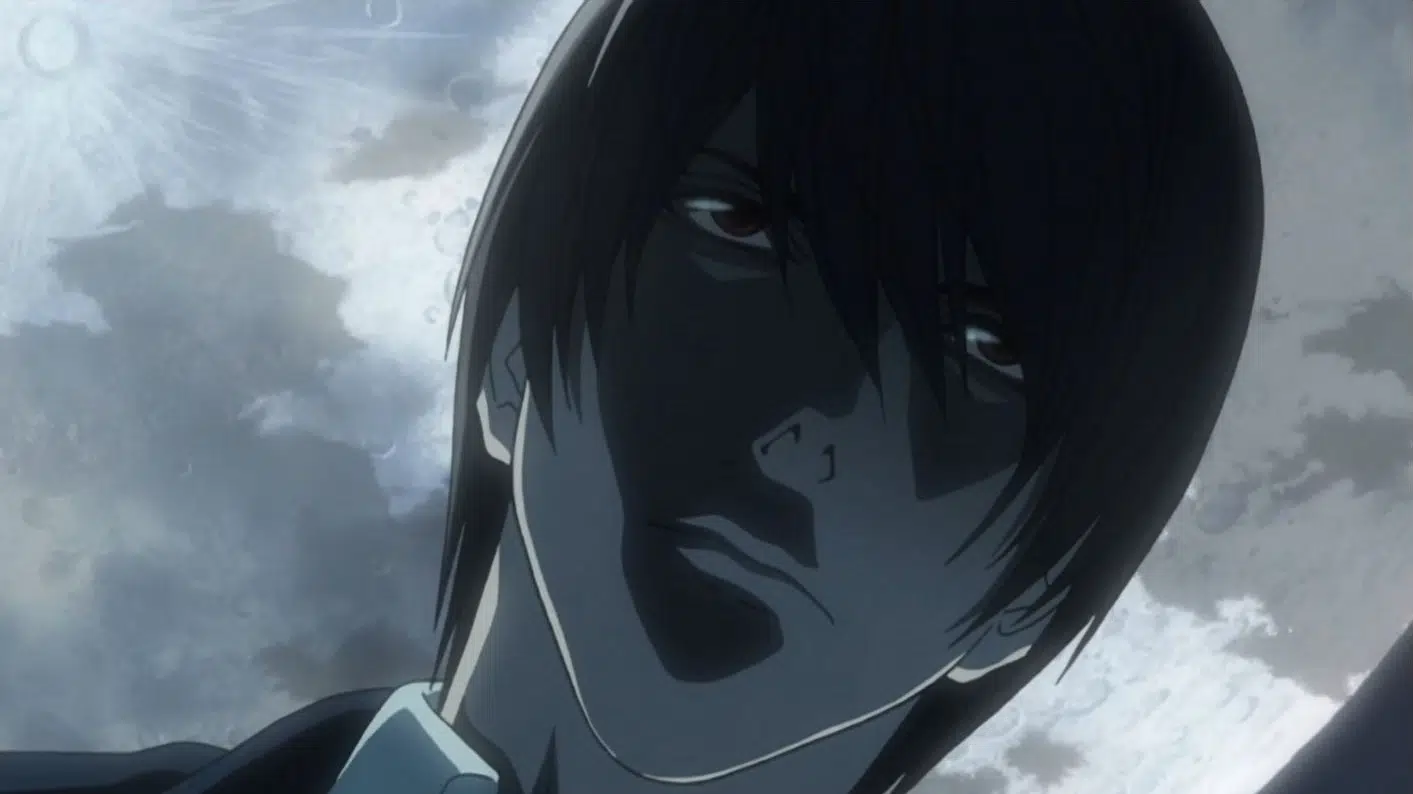
The Foundation of a Narcissistic Mind
To understand how Light interacts with others, we must first look at his own internal psychology. He was raised as a prodigy in a society that valued academic excellence above all else. This environment created a sense of superiority that bordered on the divine long before he found the notebook. He looked at his peers and saw people who were intellectually inferior and morally stagnant. This isolation was the breeding ground for his future god complex.
When he obtained the power to kill with a pen, his existing narcissism was given a physical outlet. He no longer had to pretend to care about the opinions of “ordinary” people. He began to view himself as a judge who stood above the laws of men. This shift changed the nature of every one of his social interactions. He was no longer a son or a student. He was a deity who allowed people to exist in his presence only if they served a purpose.
Analyzing the Core of Light Yagami Relationships
The most significant of the Light Yagami relationships is undoubtedly his connection to Misa Amane. This dynamic is a perfect example of how Light uses transparency as a weapon of manipulation. He never tricked Misa into believing he loved her. From their first meeting, he was brutally honest about his intention to use her for her Shinigami eyes. He told her exactly who he was and what he wanted from her.
Misa’s acceptance of these terms reveals the delusional nature of her own character. She was not a victim in the traditional sense because she was fully aware of the transactional nature of their bond. She acknowledged that he did not love her and that he would use her as a tool. In her mind, being a tool for Kira was a higher calling than being a person. This mutual agreement created a toxic environment where both parties got exactly what they asked for at the start.
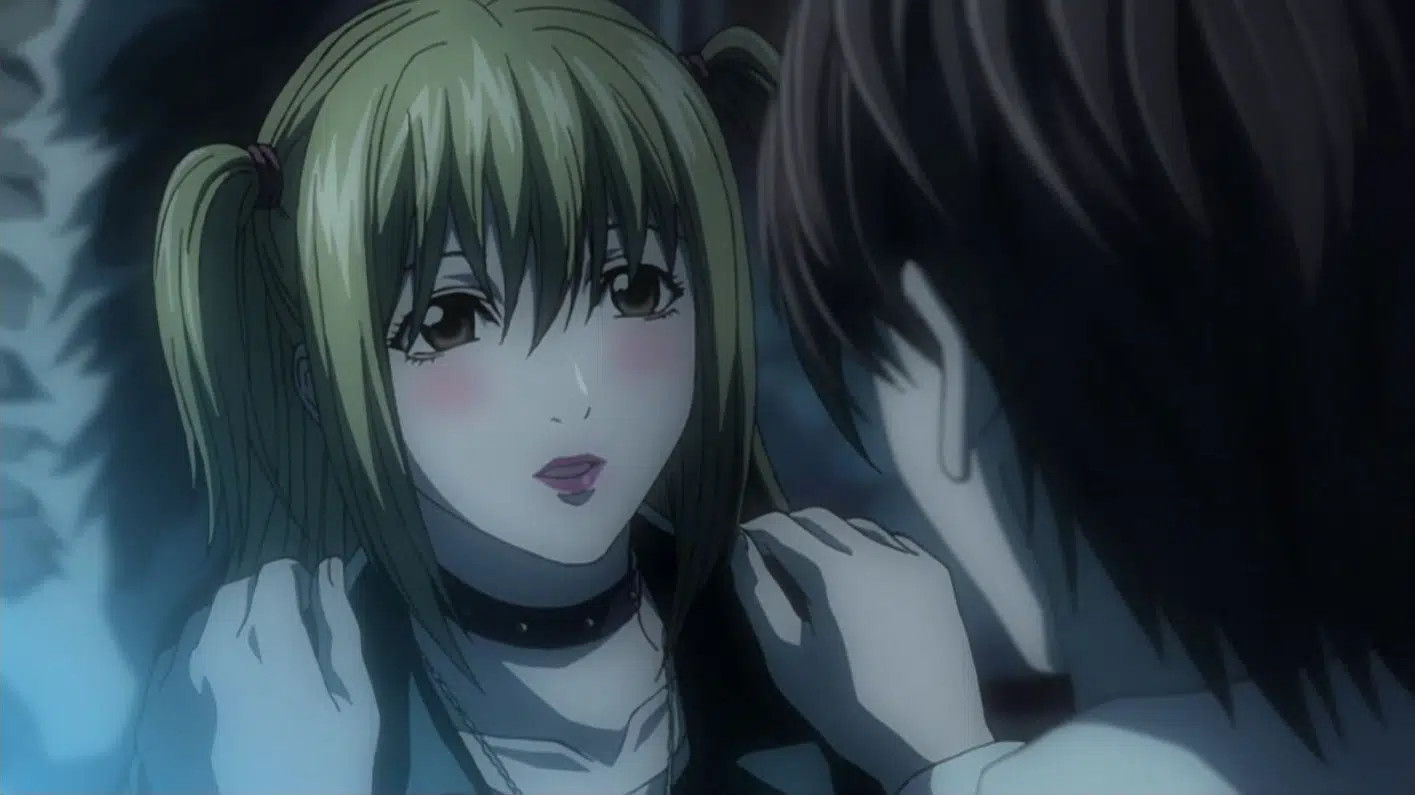
The Strategic Use of Unrequited Devotion
Light maintained this relationship for years because it provided him with a layer of protection that he could not achieve alone. Misa’s celebrity status and her supernatural abilities were essential to his survival. He played the part of the doting boyfriend only when the eyes of the world were on them. Behind closed doors, he treated her with a level of indifference that was chilling. He saw her as a high-maintenance asset that required a specific amount of psychological upkeep to remain functional.
This relationship highlights Light’s total lack of a romantic or sexual drive. He was completely unmoved by Misa’s beauty or her constant advances. His only desire was the expansion of his own power. He found her presence to be a nuisance that he was forced to endure for the sake of the mission. This total focus on the “New World” made him a man who was effectively dead to the pleasures of human connection.
The Intellectual Intimacy of Rivalry
While his relationship with Misa was built on a delusion, his connection with L Lawliet was built on the truth. This was the only person in the world who could truly match Light’s intellect. Their rivalry created a strange and dark form of intimacy. They spent their days trying to predict each other’s moves and their nights dreaming of each other’s destruction. This was a cat-and-mouse game where the stakes were life and death.
L was the only person who ever truly “saw” Light Yagami for what he really was. This visibility was both terrifying and exhilarating for Light. He enjoyed the challenge of having to hide in plain sight. He respected L’s mind but despised his dedication to the existing legal system. This mix of respect and hatred is what made their relationship the emotional center of the first half of the series.
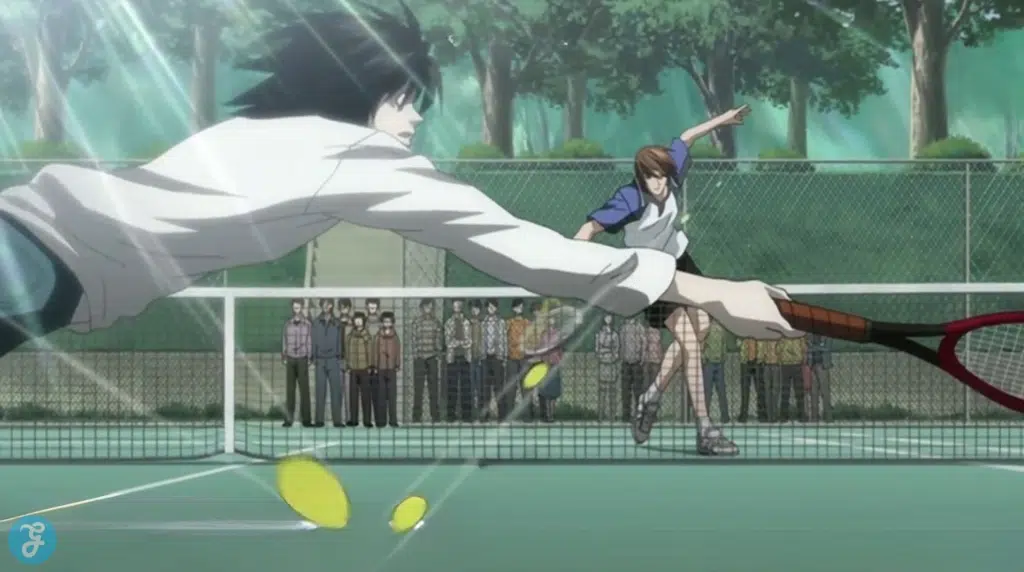
Performative Friendship in the Investigation Team
To defeat L, Light had to master the art of performative friendship. He joined the task force and spent years acting as L’s right-hand man. He shared meals with his enemy and engaged in deep philosophical discussions about the nature of justice. Every word he spoke was a calculated lie designed to build trust. He used the concept of social bonding as a tactical shield to deflect suspicion.
L was equally manipulative in this dynamic. He used the pretense of friendship to draw out Light’s reactions and monitor his behavior. Neither man was capable of an honest connection during this period. They were two masters of deception who were chained together by their shared obsession with the case. This was a relationship where every smile was a trap and every handshake was a test.
The Professional Utility of Kiyomi Takada
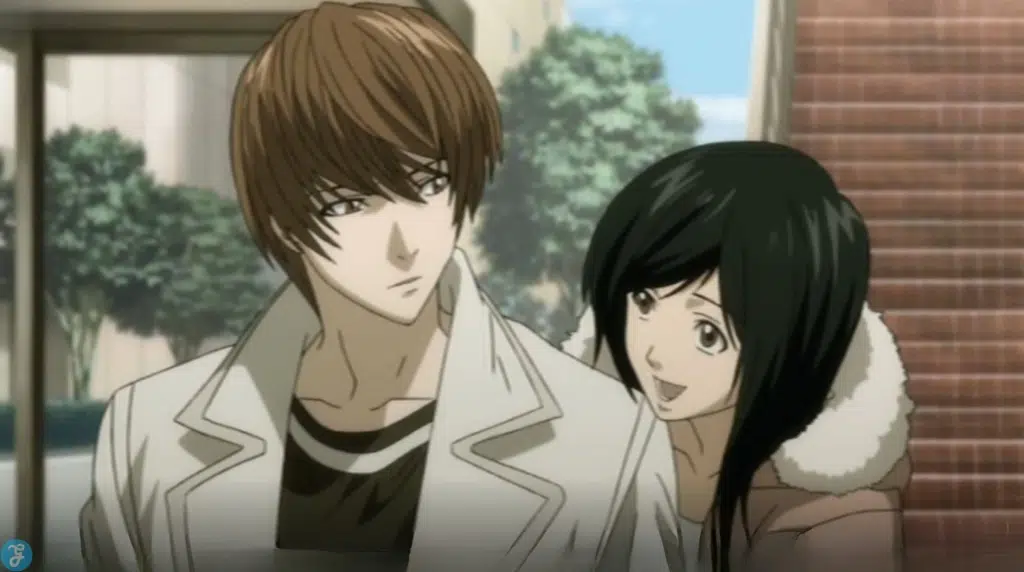
After the death of L, Light needed a new way to communicate his vision to the world. He turned to his former university flame, Kiyomi Takada. This relationship was significantly different from the one he shared with Misa. Takada was an intellectual and a professional who shared his cold and analytical worldview. Light treated her with a level of sophisticated respect that he never showed to anyone else.
This respect was still entirely performative. He used Takada as a public spokesperson for Kira because she was socially graceful and highly intelligent. He manipulated her by making her feel like his queen and his equal in the new world. In reality, she was just another expendable piece on the board. When she became a threat to his identity, he used the Death Note to force her into a tragic suicide without a moment of hesitation.
Family as a Social and Moral Shield
Light’s interactions with his family provide the most haunting look at his decline. He grew up in a home filled with love and support. His father was a man of absolute integrity who believed in the law. Light used this domestic stability as a way to hide his true nature from the world. He played the role of the perfect son to ensure that his father would never suspect him of being a mass murderer.
As the series progressed, his family became nothing more than a burden to him. He was willing to let his father die to protect his secret. He watched his sister’s mental health crumble with a clinical detachment that was terrifying. He no longer viewed them as people who loved him. He saw them as props in a play that he was tired of performing. The warmth of his childhood was replaced by a cold need for self-preservation.
The Supernatural Bond with Ryuk
Light’s relationship with Ryuk is perhaps the most honest connection he ever had. Because Ryuk was a Shinigami who didn’t care about human morality, Light didn’t have to hide his true self. He was able to be as arrogant and cold as he wanted in front of the god of death. Ryuk served as a sounding board for Light’s grand plans and his darkest thoughts. This was the only relationship in Light’s life that was not based on a total lie.
However, even this bond was transactional. Ryuk was only there for entertainment, and Light was only there to provide it. Ryuk made it clear from the first day that he would be the one to write Light’s name in his own notebook. Light accepted this because he believed he could outsmart even the gods. This mutual understanding was the foundation of their seven-year partnership. It was a relationship based on the inevitable end of one of the participants.
The Isolation of a Self-Appointed God
By the end of the series, Light had effectively severed every genuine human tie. He had killed his rivals and manipulated his allies into shadows of their former selves. He was a man who ruled over a world of people he despised. This total isolation is what eventually led to his erratic behavior in the final chapters. He had no one to keep him grounded or to challenge his growing insanity.
He believed that a god did not need friends or family. He thought that he was above the human need for connection. This was his greatest mistake. Without anyone to truly rely on, his support system was built entirely on lies. When those lies were finally exposed by Near and the task force, his world collapsed instantly. He was left with nothing but his own ego and a bleeding wound.
The Final Collapse in the Warehouse
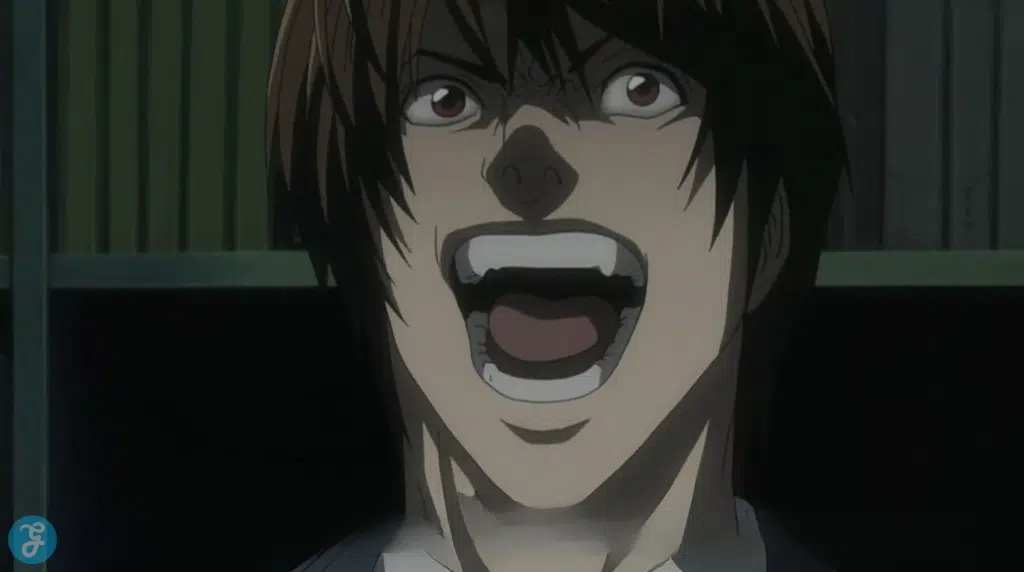
The confrontation at the Yellowbox Warehouse was the moment where all of Light’s relationships came back to haunt him. He looked at the faces of the people he had spent years manipulating. He saw the betrayal in their eyes and the realization of his true nature. He tried to use his usual tactics of persuasion, but they no longer worked. He was a man whose words had lost their power because the truth had finally been revealed.
His death was a lonely and pathetic event. He ran away from the scene of his defeat and died on a staircase in a cold, empty building. He did not die surrounded by followers or loved ones. He died with only the memory of his own brilliance to comfort him. The “God of the New World” ended his journey as a man who had successfully deleted every person who ever cared for him.
Wrap-Up
Light Yagami’s relationships serve as a cautionary tale about the dangers of extreme narcissism. Light believed that people were just tools to be used in the pursuit of a grand goal. He discarded his father, his sister, and his companions as if they were nothing more than broken equipment. In his quest to create a perfect world, he destroyed the only things that actually make life worth living. He died exactly as he lived. He was a man who only loved himself and was finally left with nothing else.