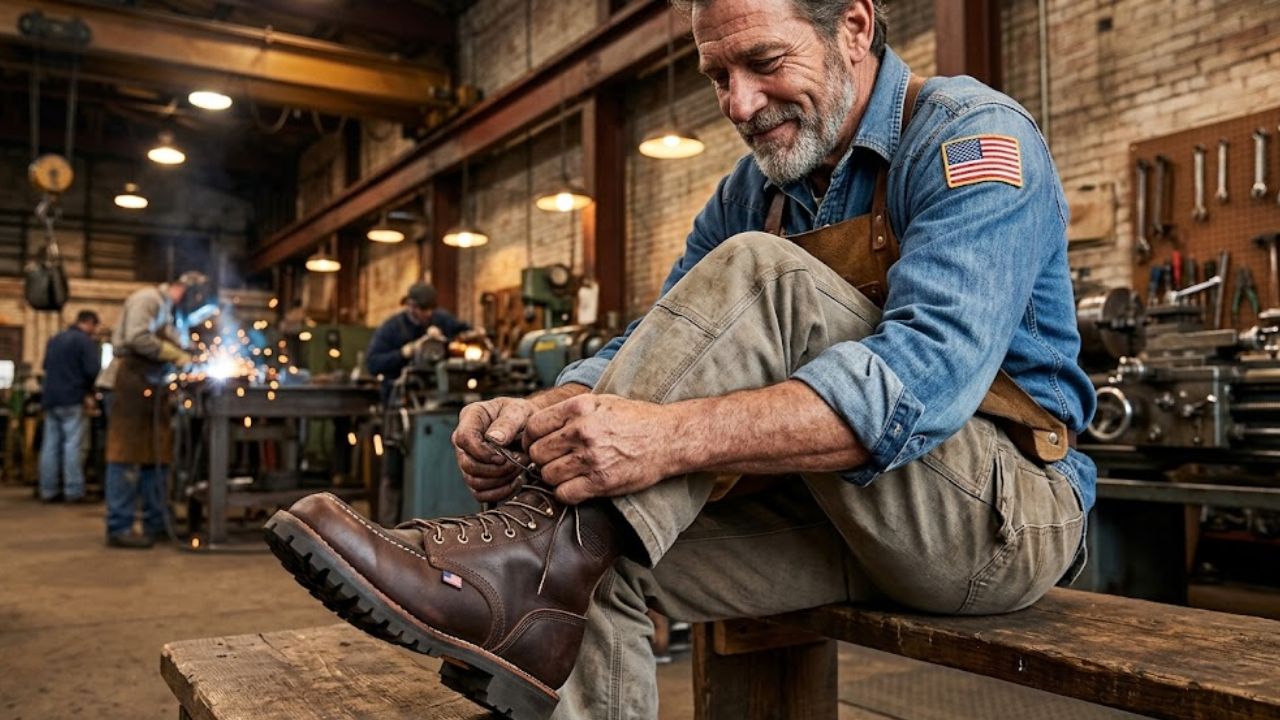
The social fabric of the United Kingdom is undergoing a profound transformation as the traditional “stiff upper lip” makes way for a new era of emotional transparency. In 2026, the conversation surrounding male mental health has moved from the fringes of awareness campaigns into the heart of British culture, from Sunday league sidelines to the corporate boardroom. This shift is not just about talking more; it is about changing where, how, and with whom these vital conversations happen.
How We Selected Our 7 Key Facts About British Men’s Mental Health 2026
The selection focuses on the most significant markers of change within the current year, specifically targeting the demographics and industries historically most resistant to seeking help. We evaluated the impact of community-led initiatives, the success of non-clinical support hubs, and the legislative shifts in workplace safety standards. These seven facts represent the current gold standard for understanding how the United Kingdom is successfully dismantling the stigma of male vulnerability and building a more resilient society.
The 7 Must-Know Facts About British Men’s Mental Health 2026
The following points highlight the structural and social changes that have made the 2026 landscape more supportive for men across England, Scotland, Wales, and Northern Ireland.
1. The Implementation of a National Men’s Health Strategy
A major turning point in 2026 is the full-scale operation of a dedicated national strategy for men’s health. This policy marks the first time that male-specific health inequalities have been addressed with a targeted investment, specifically focusing on suicide prevention for men in high-risk, economically deprived regions.
Best for: Community leaders and managers who need a structural framework to address the gender gap in healthcare engagement.
Why We Chose It:
-
It provides a dedicated lens for healthcare delivery that acknowledges men require different entry points than women.
-
It funds local community projects that reach men in their daily environments rather than waiting for a medical appointment.
-
It integrates psychological support with physical health outcomes to provide a more holistic care model.
Things to consider: The long-term success of this strategy depends on the continued allocation of resources at the local council level.
2. The Integration of Mental Health into Professional Sports
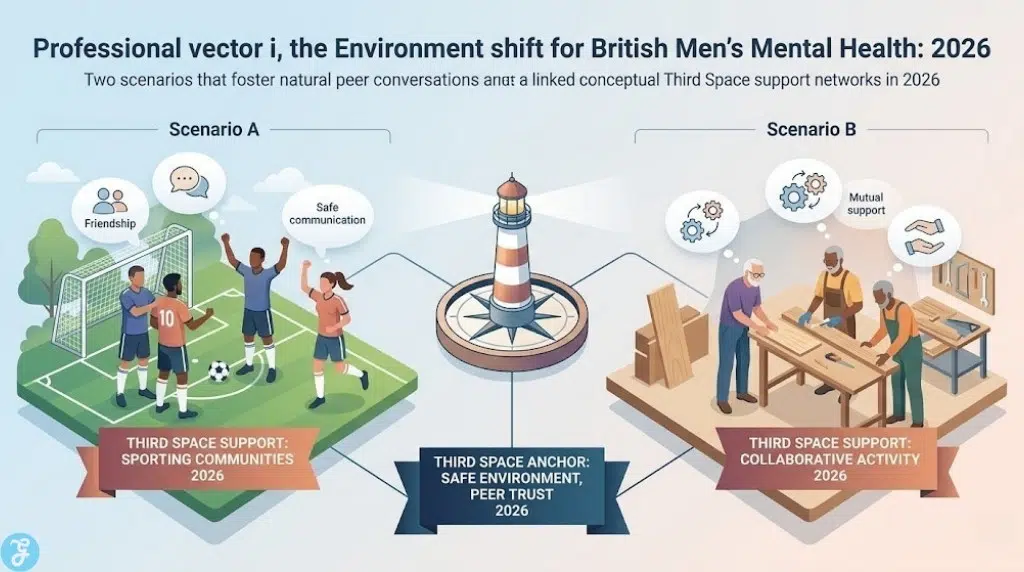
Professional sports, particularly football, have become the most effective entry point for mental health conversations. Matchdays are now utilized as primary opportunities for signposting resources, ensuring that fans see suicide prevention and mental well-being as a standard part of the sporting experience.
Best for: Men who feel more comfortable discussing their well-being in a familiar, high-energy environment rather than a traditional clinic.
Why We Chose It:
-
It leverages the deep emotional connection men have with their local clubs to normalize open dialogue.
-
It provides low-pressure settings where fans can interact with peer support workers on matchdays.
-
It trains stewards and club staff to recognize early signs of distress, creating a safety net within the stadium.
Things to consider: These initiatives are now expanding into grassroots and amateur leagues to ensure rural and smaller communities are not left behind.
3. The Adoption of the “Ask Twice” Social Etiquette
A simple yet powerful behavioral shift has become a recognized part of British social etiquette in 2026. The “Ask Twice” technique—where a friend asks “Are you sure?” after the initial “I’m fine”—is credited with a significant increase in men being honest about their internal struggles.
Best for: Friends, family members, and colleagues who want a practical and immediate way to support the men in their lives.
Why We Chose It:
-
It directly combats the social reflex to hide emotional struggle under a polite exterior.
-
It is a zero-cost intervention that is effective in any setting, from the pub to the office.
-
It has been widely integrated into peer-support training programs across the country.
Things to consider: This technique requires the person asking to be prepared to listen without judgment if the second answer reveals a genuine struggle.
4. The Growth of Side-by-Side Community Support
Evidence from 2026 shows that men are significantly more likely to discuss their feelings when they are engaged in a physical task. The growth of community workshops where men work on woodworking or electronics has created an environment where conversation happens naturally “side-by-side” rather than “face-to-face.”
Best for: Older men and retirees who may find traditional talk therapy or clinical counseling environments intimidating.
Why We Chose It:
-
It replaces the role of a patient with that of a maker or mentor, which helps preserve professional dignity.
-
It directly reduces the social isolation that is a primary driver of depression in older demographics.
-
It provides a sense of purpose and community value through the completion of local repair projects.
Things to consider: Many of these workshops are seeking further partnerships to secure permanent facilities as demand continues to rise in urban centers.
5. Mental Health First Aid in Male-Dominated Industries
Industries such as construction, manufacturing, and maritime have seen a significant shift in safety standards. Mental health is now treated with the same legal and operational weight as physical safety equipment, with regular sessions focused on managing stress and preventing burnout.
Best for: Workers in trades where a traditional “macho” culture has historically prevented individuals from seeking help.
Why We Chose It:
-
It reaches a demographic that is statistically at the highest risk for acute mental health crises.
-
It provides anonymous, 24/7 digital support lines specifically tailored for those on active job sites.
-
It empowers site managers to recognize withdrawal or irritability as potential symptoms of a deeper issue.
Things to consider: Small-scale contractors and sole traders are the current focus for outreach to ensure they have the same access to support as those in large firms.
6. Improved Engagement Among the 35-44 Demographic
Recent data indicates that men aged 35 to 44 are leading the way in adopting proactive mental health habits. This generation is currently seeing the most significant drop in reported daily stress levels, signaling a major break from the culture of silence that characterized previous decades.
Best for: Employers and human resource professionals who have traditionally viewed this age group as the most difficult to reach.
Why We Chose It:
-
It provides proof that the “sandwich generation” is successfully prioritizing emotional well-being.
-
It highlights the success of workplace flexibility and the right to disconnect laws implemented in the previous year.
-
It shows that younger fathers are prioritizing emotional intelligence as a core part of their identity.
Things to consider: While daily stress is down, consistent long-term support is still required to maintain this positive trend.
7. The Digital Health Self-Referral Revolution
Digital health platforms have been updated to provide “Men’s Lens” features that allow for immediate self-referral. This bypasses the need for a face-to-face doctor’s visit, which has historically been a major barrier for men seeking psychological support.
Best for: Tech-savvy men who prefer an anonymous and private first step before committing to in-person clinical sessions.
Why We Chose It:
-
It removes the barrier of having to describe symptoms to a receptionist or a doctor in person.
-
It provides immediate, evidence-based coping strategies for acute anxiety through a mobile interface.
-
It utilizes personalized mental fitness plans that focus on goal-oriented communication.
Things to consider: These digital tools are designed as a gateway to human clinical support, ensuring a clear pathway exists for those who need more intensive care.
Comparing the Evolution of Male Mental Health Support in the UK
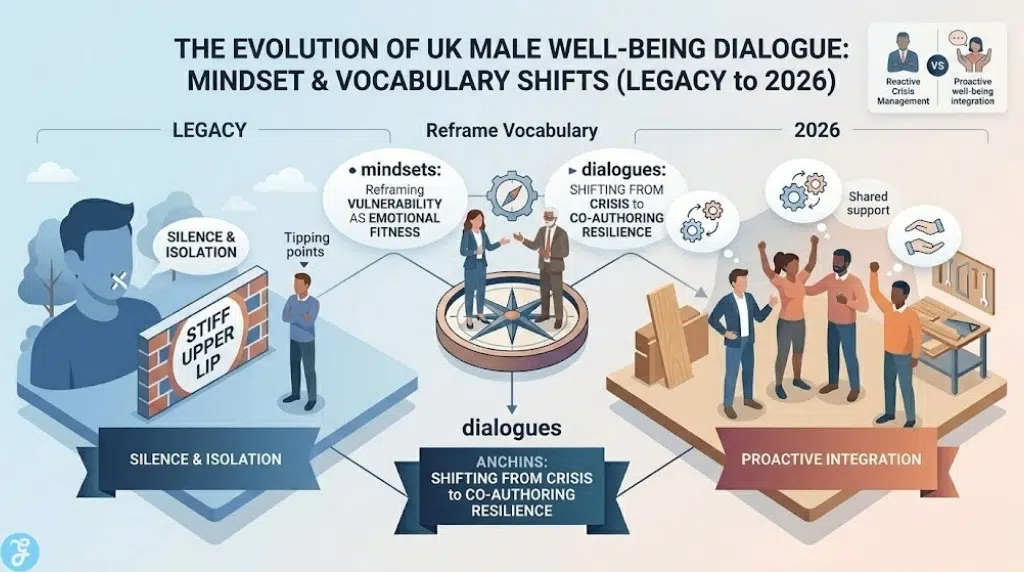
The shift in British men’s mental health is best understood by looking at how the standards of care have evolved. The transition from reactive crisis management to proactive community-based support is the defining feature of the 2026 landscape.
The table below outlines the core differences between the legacy approach and the current standards being implemented across the United Kingdom.
Our Top 3 Picks and Why?
Of the seven facts discussed, the National Men’s Health Strategy, the Sports-Based Support, and the “Ask Twice” Etiquette are the most transformative. The strategy provides the necessary financial and legal backbone for long-term change. The integration of support into sports creates a massive cultural bridge to reach men at scale in a way that feels natural. Finally, the “Ask Twice” etiquette provides every citizen with a simple, effective tool for daily life. Together, they represent a significant force against the isolation that has historically fueled the UK’s male mental health crisis.
A Supporter’s Guide: Building a Check-In Culture
Supporting the men in your life requires a shift from attempting to “fix” problems to simply being an active listener. In 2026, being an effective supporter means being both observant and persistent in your care.
The Selection Framework:
-
Optimize the Environment: If you need to talk to a man about his well-being, try doing it during a shared activity. A side-by-side setting is almost always more effective than a formal face-to-face conversation.
-
Normalize the Second Ask: Do not wait for a major crisis. Make “Are you sure?” a standard part of your friendship when you notice a slight change in someone’s mood.
-
Promote Modern Access: If someone is hesitant about traditional healthcare, suggest the self-referral options on national health apps or local community workshops.
Decision Matrix (Table):
The following matrix provides guidance on the most appropriate support strategy based on an individual’s current behavior.
The Final Checklist: 5 Signs of a Mentally Healthy British Workplace
As we move through 2026, ensure your professional environment is meeting the new standard for male mental health engagement. These five markers indicate a culture of genuine care.
-
Does the company maintain a clear Right to Disconnect policy for after-hours?
-
are Short Talks on Well-being a standard part of the weekly site or office schedule?
-
Is there a trained Mental Health First Aider who is active within the team?
-
Does the corporate health plan include private Self-Referral options?
-
Is a Check-In Culture actively modeled and encouraged by senior leadership?
The Enduring Value of the 2026 Mental Health Shift
The move toward open conversation in 2026 is not about making men less masculine; it is about expanding the definition of strength to include emotional resilience. By investing in male-specific health strategies and normalizing peer support in sports and the workplace, the United Kingdom is finally addressing the root causes of the male suicide epidemic. These seven facts prove that when the environment is right, British men are ready to lead the charge toward a healthier, more connected society.
Frequently Asked Questions (FAQ)
Why is the 35-44 age group seeing the most improvement in 2026?
This age group has been the primary target for recent workplace flexibility laws and high-profile mental health advocacy. They are also the first generation of fathers who are actively prioritizing emotional intelligence in their parenting, which leads to better self-awareness.
Is the “Ask Twice” technique used in professional settings?
Yes. It is now a standard part of management training. Leaders are encouraged to “ask twice” during one-on-ones to move past the superficial professional barrier and ensure their team’s genuine well-being.
How do I find a community woodworking or repair workshop?
National associations maintain live maps of hundreds of “sheds” and workshops across the country. Many local community centers and charities also run programs specifically designed for men over 50.
What does a “Men’s Lens” in healthcare actually mean?
It refers to designing services that acknowledge male preferences for anonymity, activity-based engagement, and direct communication. It moves away from a clinical feel and uses settings that men find more approachable.
Are these initiatives successfully reducing suicide rates?
Early 2026 indicators suggest a stabilizing of rates in regions where the new National Men’s Health Strategy has been prioritized. The significant increase in men utilizing talking therapies is a strong leading indicator of long-term success.