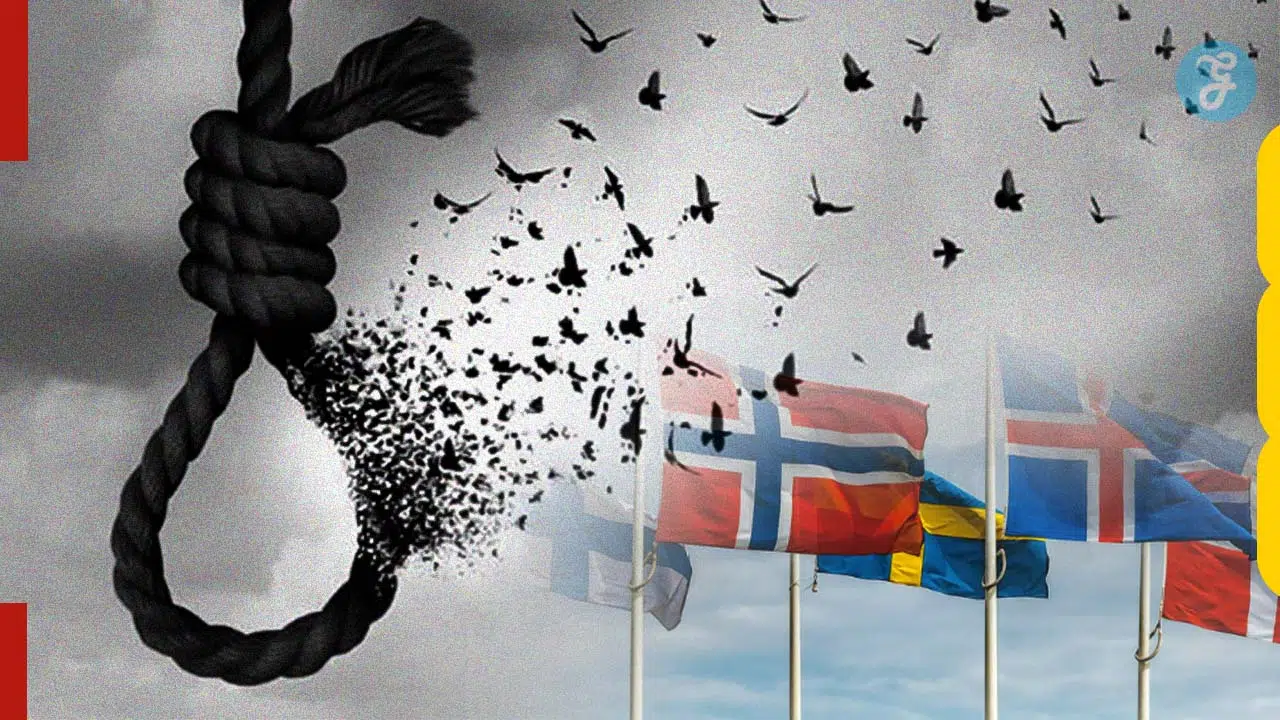
The concept of high life satisfaction existing alongside some of the world’s highest tax rates is a phenomenon that continues to fascinate global observers in 2026. This Nordic paradox lifestyle is built on a foundation of high social trust, where citizens view their fiscal contributions as a collective investment in a seamless life infrastructure. Thriving within this system requires a shift from an individualistic “accumulation” mindset to one of “utilization,” where value is measured by the quality of public services, work-life balance, and environmental health rather than just personal net income.
How We Selected Our 10 Best Nordic Paradox Lifestyle Tips
To identify the most effective ways to integrate into thisunique social contract in 2026, we analyzed the latest sociological data from the Nordic Council and the 2026 World Happiness Report. Our selection criteria prioritized habits that bridge the gap between financial cost and personal well-being, such as the strategic use of universal services and the adoption of cultural philosophies like Lagom and Hygge. We focused on practical applications that help both locals and expats navigate the high cost of living while maximizing the “social wage” provided by the state. These 10 tips represent a holistic approach to achieving the stability and contentment that define the Scandinavian experience today.
10 Practical Ways to Live the Nordic Paradox Lifestyle and Thrive
Adopting the following habits allows individuals to harmonize their personal ambitions with the collective benefits of the Northern European model in the current year.
1. Maximize the “Social Wage” Over Net Salary
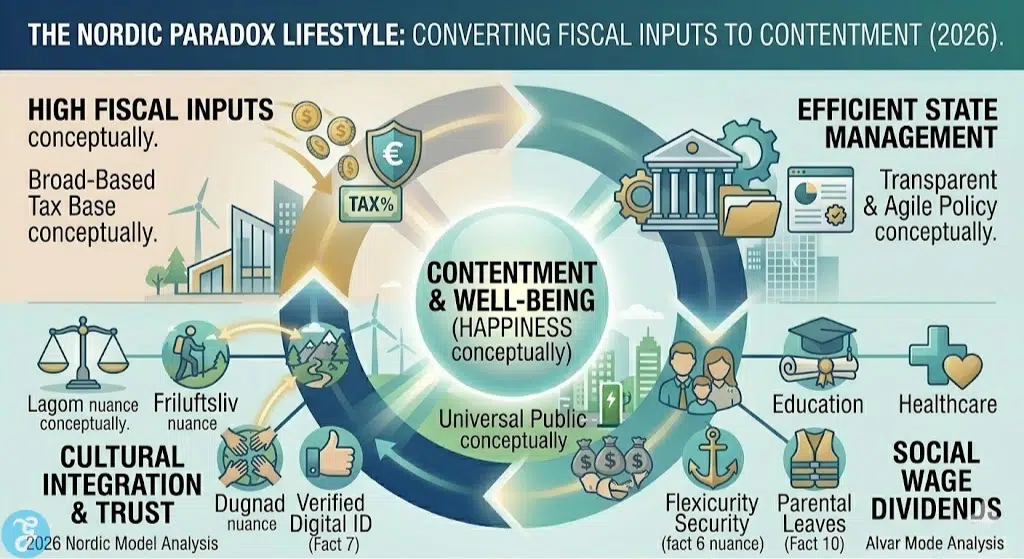
In a high-tax environment, your “true” income includes the value of the services you receive. To thrive, you must proactively use the high-quality public health, education, and transport systems that your taxes fund. Viewing these as pre-paid benefits rather than “free” services helps reframe the high tax burden as a value-for-money transaction.
Best for: expatriates and high-income earners adjusting to lower take-home pay.
Why We Chose It:
-
It is the primary psychological shift required to appreciate the Nordic model.
-
It ensures you are receiving the full return on your fiscal investment.
Things to consider:
-
Private alternatives often exist but rarely provide significantly better outcomes than the public system.
2. Adopt the “Lagom” Principle of Balance
The Swedish concept of Lagom—meaning “not too much, not too little, just right”—is essential for managing consumption in a high-VAT society. By focusing on quality over quantity and avoiding flashy displays of wealth, you reduce financial stress and align with the social norm of Janteloven, which promotes equality and humility.
Best for: simplifying personal finances and reducing consumerist anxiety.
Why We Chose It:
-
It is a culturally ingrained defense mechanism against high costs of living.
-
It promotes long-term sustainability and mental well-being.
Things to consider:
-
This philosophy can sometimes feel restrictive to those used to high-competition environments.
3. Prioritize “Friluftsliv” (Open-Air Living)
Nature is the ultimate “equalizer” in Scandinavia. Engaging in Friluftsliv—the cultural commitment to being outdoors regardless of the weather—provides a low-cost, high-reward boost to your physical and mental health. In 2026, many Nordic cities have expanded “green corridors” to make this even more accessible for urban dwellers.
Best for: maintaining mental health during long winters and high-stress periods.
Why We Chose It:
-
It utilizes the vast, free public wilderness areas protected by “Everyman’s Right.”
-
It is a foundational pillar of Nordic life satisfaction that costs almost nothing.
Things to consider:
-
Investing in high-quality outdoor gear is a “buy once, use forever” necessity for this habit.
4. Engage in “Dugnad” and Community Volunteering
Social trust is the “gold” that makes the Nordic paradox lifestyle possible. Participating in Dugnad—collective community work—is a practical way to build this trust. Whether it is cleaning a shared garden or helping at a local school, these actions strengthen the social safety net and provide a deep sense of belonging.
Best for: building local networks and accelerating social integration.
Why We Chose It:
-
It reinforces the “we are all in this together” sentiment that supports high tax compliance.
-
It provides a sense of purpose that is independent of professional status.
Things to consider:
-
These events are often informal and are the best places to make genuine local friends.
5. Master the 37.5-Hour Work Week Boundary
The Scandinavian work-life balance is not a suggestion; it is a structural reality. To thrive, you must respect the boundary between work and personal time. In 2026, many Nordic firms have moved toward even more flexible “result-based” models, but the core remains: leaving work at a reasonable hour to focus on family, hobbies, or community.
Best for: parents and professionals prone to burnout.
Why We Chose It:
-
It is the mechanism that prevents high-productivity cultures from becoming toxic.
-
It provides the “time wealth” that compensates for high financial taxation.
Things to consider:
-
Being the last person in the office is often viewed as a sign of poor time management, not dedication.
6. Utilize the 2026 Food VAT Reductions
In 2026, several Nordic countries have implemented targeted VAT reductions on essential groceries and local produce to offset inflation. Living the Nordic paradox lifestyle means being an informed consumer and pivoting your spending toward these subsidized categories to keep your cost of living manageable while supporting local agriculture.
Best for: budget-conscious households and sustainable shoppers.
Why We Chose It:
-
It is a direct 2026 policy shift that rewards informed economic behavior.
-
it supports the region’s goal of food security and reduced carbon footprints.
Things to consider:
-
These reductions are often seasonal or temporary, requiring active monitoring of local news.
7. Lean into “Digital Trust” Infrastructure
The Nordics are world leaders in digital governance, from BankID to digital health portals. Embracing these tools saves hours of administrative labor. By trusting the security of these systems, you simplify your life and allow the state to manage the “logistics of living” more efficiently on your behalf.
Best for: streamlining daily tasks and administrative compliance.
Why We Chose It:
-
It is a hallmark of the high-trust Nordic environment in 2026.
-
It removes the friction associated with government interactions and banking.
Things to consider:
-
Protecting your digital identity is the most critical security task in this region.
8. Practice “Hygge” to Combat Seasonal Affective Disorder
The Danish concept of Hygge—creating a warm, cozy atmosphere—is a practical tool for surviving the dark Northern winters. By focusing on small, meaningful moments like lighting candles or sharing a coffee with a friend, you build emotional resilience against the environmental challenges of the region.
Best for: surviving the winter months and building deep social connections.
Why We Chose It:
-
It turns a potential negative (darkness) into a social positive (cozyness).
-
It emphasizes the value of internal contentment over external validation.
Things to consider:
-
Hygge is not about buying expensive decor; it is about the feeling of safety and togetherness.
9. Invest in Professional Re-skilling via the State
The Nordic model’s “flexicurity” means that education is a lifelong right. If your industry is shifting in 2026, use the state-funded retraining programs. This reduces the fear of job loss and allows you to view career changes as opportunities for growth rather than financial catastrophes.
Best for: workers in industries impacted by AI and automation.
Why We Chose It:
-
It is the ultimate insurance policy provided by your tax contributions.
-
It ensures your personal “market value” remains high throughout your life.
Things to consider:
-
Some programs require a minimum period of prior residency or work history to qualify.
10. Shift Toward “Circular” Consumption
High VAT and a strong environmental focus make the “second-hand” market in Scandinavia exceptionally high-quality. Utilizing “Loppemarked” (flea markets) and high-end resale apps allows you to live a luxurious Nordic paradox lifestyle at a fraction of the cost, while aligning with the region’s sustainability goals.
Best for: fashion-conscious and eco-friendly individuals.
Why We Chose It:
-
It is a socially prestigious and economically savvy way to shop.
-
It reduces the financial burden of the 25% standard VAT rate on new goods.
Things to consider:
-
Digital marketplaces for high-end Scandinavian design are particularly robust in 2026.
A Strategic Summary of the Scandinavian Well-being Model
Living successfully in Northern Europe in 2026 requires a fundamental recalibration of what constitutes “wealth.” By trading a portion of their private income for a robust public safety net, citizens gain the “freedom from fear”—fear of medical bankruptcy, fear of job loss, and fear of inequality. This security provides the emotional space required for genuine happiness to flourish. The Nordic paradox lifestyle is essentially a high-trust collective agreement where the individual is supported by the whole, allowing for a life that is stable, sustainable, and deeply connected to the community and the environment.
Overview of Nordic Paradox Lifestyle: A Visual Summary
The following comparison illustrates how different aspects of the social contract vary across the region, helping you identify which country’s specific implementation of these tips might best suit your needs.
Regional Lifestyle and Social Metrics Overview
The data presented highlights the different “flavors” of the Northern European model as of early 2026.
| Feature / Metric | Denmark | Sweden | Norway |
| Primary Philosophy | Hygge (Coziness) | Lagom (Balance) | Friluftsliv (Outdoors) |
| 2026 Happiness Rank | 3rd | 4th | 7th |
| Work-Life Balance | High (37-hr week) | Flexible / Result-based | High (Nature-focused) |
| Social Trust Level | Maximum | Very High | Maximum |
| New 2026 Benefit | Expanded Green Credits | Food VAT Reductions | Energy Subsidy Stability |
| Social Integration | Community-heavy | Tech-centric | Active / Sports-led |
Our Top 3 Picks and Why?
-
Maximize the “Social Wage”: This is our top pick because it changes your perspective from being “taxed” to being “invested.” It is the key to mental peace in a high-cost environment.
-
The 37.5-Hour Work Week: We chose this because “time” is the most valuable currency in Scandinavia. Learning to protect your personal time is the only way to enjoy the social benefits provided by the state.
-
Friluftsliv: This is an essential pick because it provides a world-class health benefit for free. It is the most effective way to integrate with locals and improve your quality of life immediately.
How to Live the Nordic Paradox Lifestyle by Yourself?
Transitioning to this way of life requires more than just a move; it requires a mental re-wiring of your relationship with money, work, and your neighbors.
The Selection Framework
-
Identify Your “Security Needs”: If you value family security above all, Denmark’s childcare and education systems provide the best ROI. If you are an entrepreneur, Sweden’s innovation hubs and lower corporate taxes offer a better balance.
-
Audit Your Consumption Habits: Before moving, track how much of your current spending is driven by “status” vs. “utility.” A status-heavy lifestyle is prohibitively expensive in the Nordics.
-
Assess Your Outdoor Tolerance: The happiness model relies heavily on being active in nature. If you truly dislike the cold or the outdoors, the Nordic paradox lifestyle may be a difficult fit regardless of the social benefits.
-
Evaluate Your Trust Levels: Are you comfortable with a government having deep access to your data in exchange for seamless services? High social trust is non-negotiable for this lifestyle.
The decision matrix below can help you determine which specific Nordic country aligns with your personal and professional priorities for 2026.
Decision Matrix
Compare your primary life goals with the country that most effectively delivers on those priorities under current 2026 conditions.
| If your priority is… | Choose X if… | Choose Y if… |
| Starting a Family | Choose Denmark for its world-class childcare and social safety. | Choose Sweden for its extensive and flexible parental leave. |
| Career Innovation | Choose Sweden for its tech-forward hubs and recent tax reforms. | Choose Norway if you are in the energy or maritime sectors. |
| Nature & Adventure | Choose Norway for its unmatched fjords and hiking access. | Choose Finland if you value the silence and solitude of forests. |
| Urban Affordability | Choose Sweden for its 2026 food VAT reductions. | Choose Denmark for its highly efficient public transport savings. |
The Final Checklist: 5-Point Nordic Integration Plan
-
Calculate your “net wealth” by adding the market value of public services to your take-home pay.
-
Set up your digital ID (BankID) immediately to access the “frictionless” state services.
-
Join at least one local “Dugnad” or community group within your first three months.
-
Invest in one high-quality, all-weather outfit to ensure you can practice Friluftsliv year-round.
-
Map out your 37.5-hour work week and set a hard “out-of-office” boundary for your family time.
Redefining Success in a High-Trust Society
The Nordic paradox lifestyle is a testament to the idea that collective prosperity does not have to come at the expense of individual happiness. In 2026, the Scandinavian nations continue to prove that by investing in each other through a robust tax system, they create a society that is resilient, equitable, and ultimately more satisfied. While the financial cost of entry is high, the “social dividend”—in the form of time, health, and security—is even higher. By embracing trust, balance, and the outdoors, you can transform the paradox into a powerful personal strategy for a life that is not just successful by economic standards, but deeply thriving by human ones.