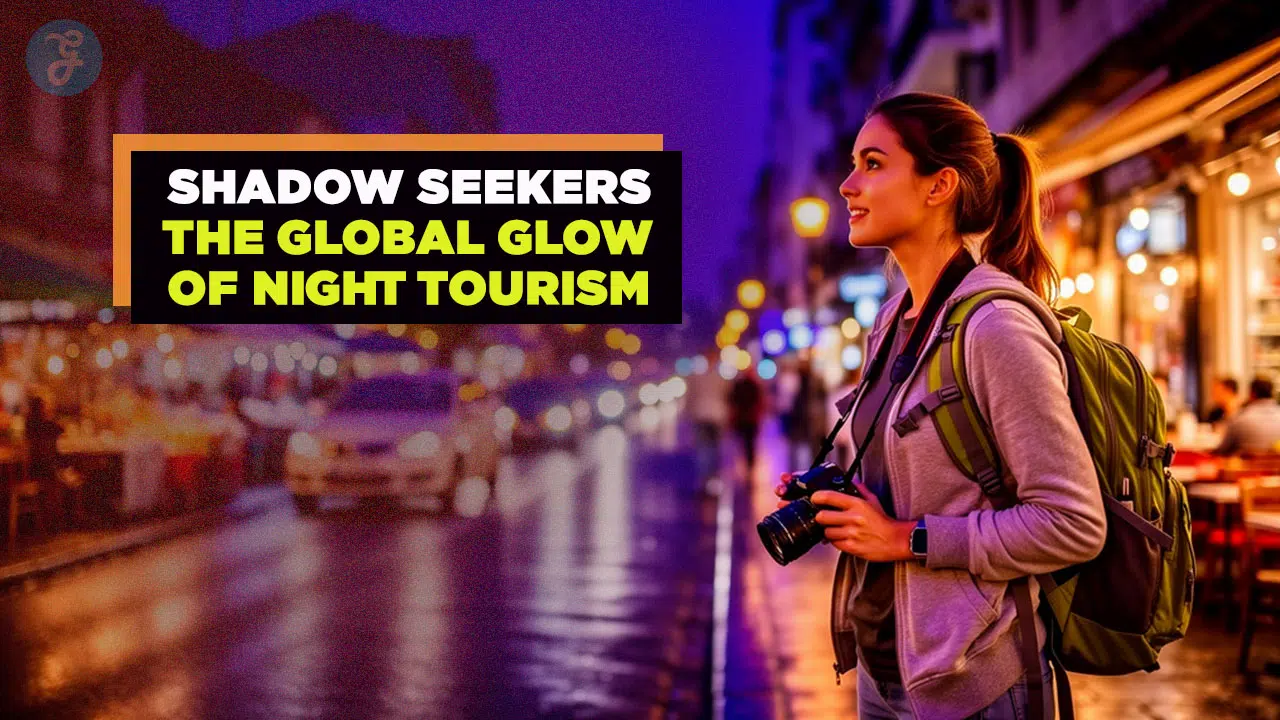
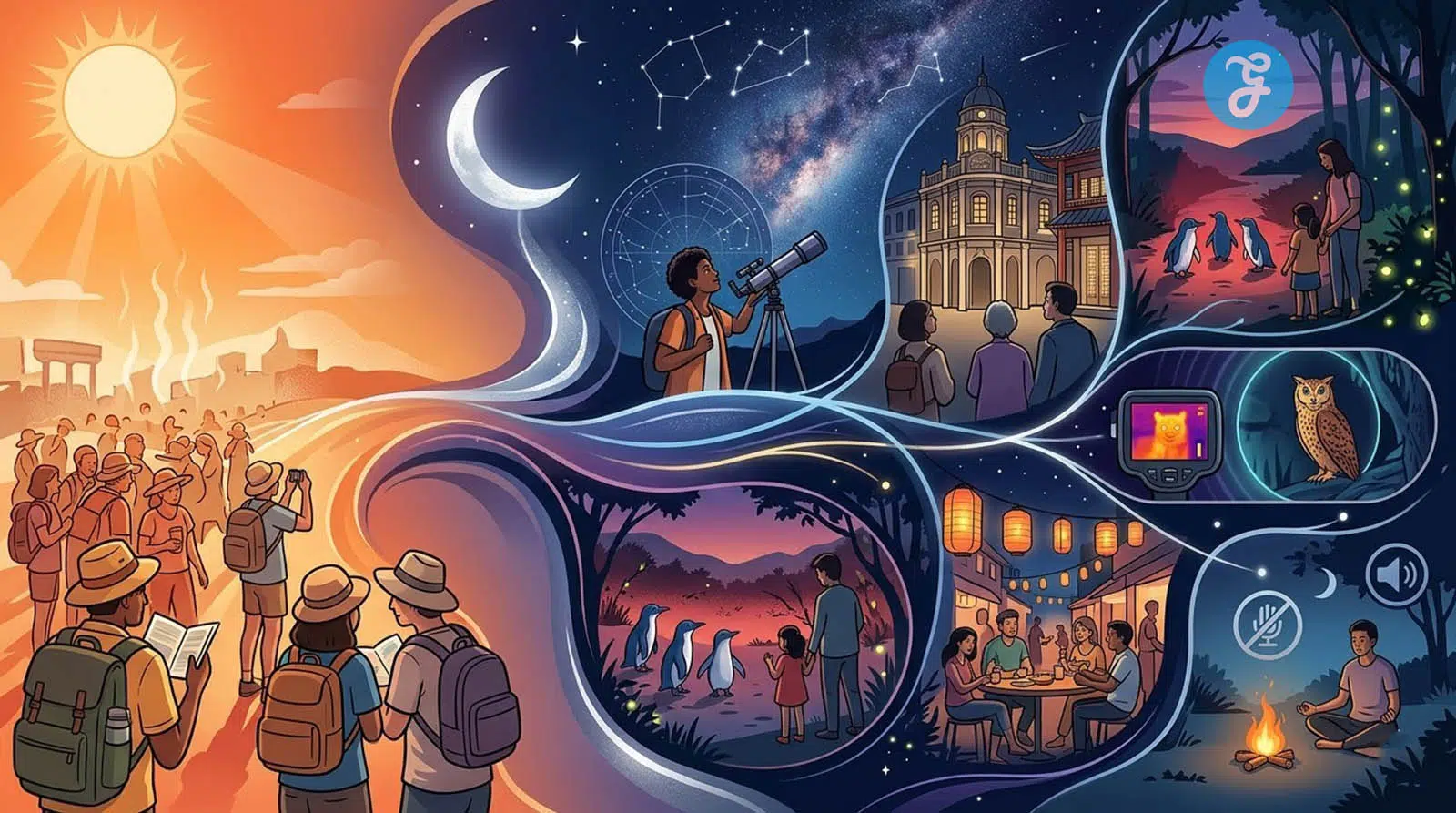
The sun dips below the horizon and a new breed of traveller awakens. Night Tourism is no longer just about late-night drinks or neon signs. It is a full sensory immersion into the world after dark. People are swapping the glare of the afternoon for the soft glow of a star filled sky in a remote sanctuary. They are trading the heat of the day for a cool walk through a lit heritage site. This movement meets a deep desire for silence and a slower pace. It allows visitors to skip the heavy daytime crowds and see a side of our planet that only exists in the shadows. Night Tourism is a global shift toward atmospheric journeys where the darkness itself is the destination.
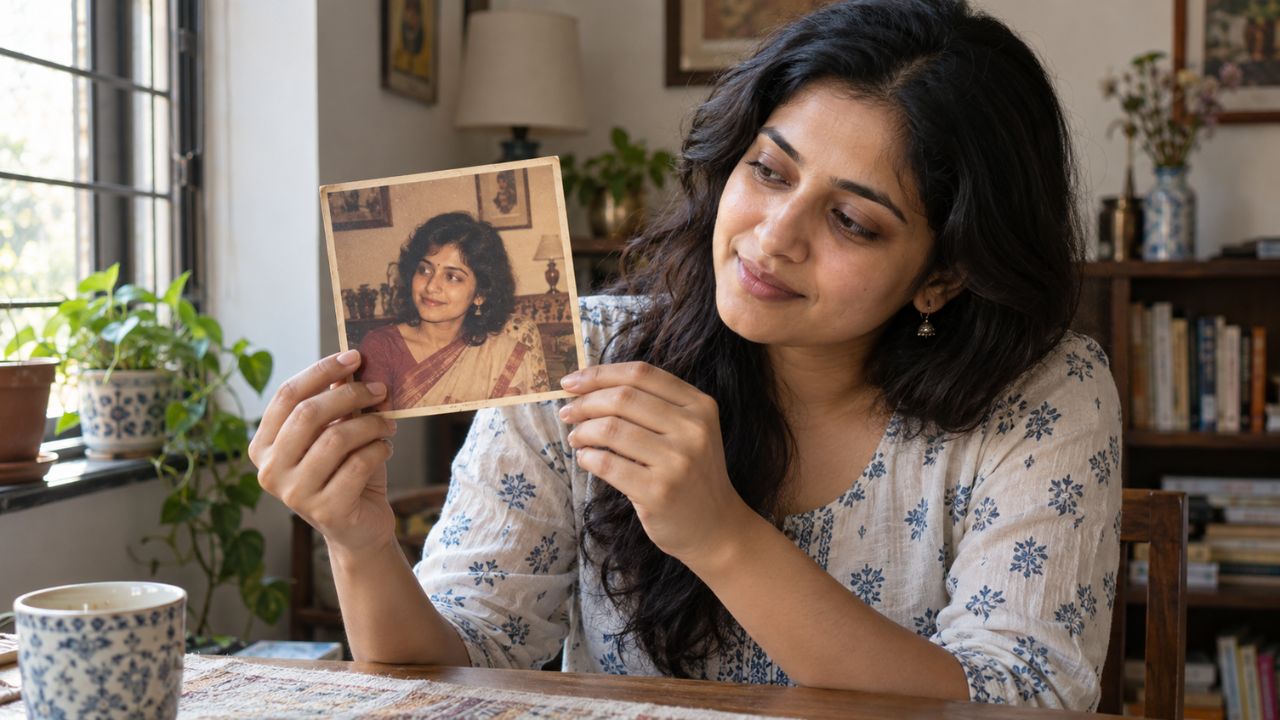
For Shilpi and her younger son, who live in Kolkata, this after hours exploration is a shared passion. Whether they are walking past the glowing old buildings of their own city or finding a quiet spot in a new country, they are part of a growing group of families.
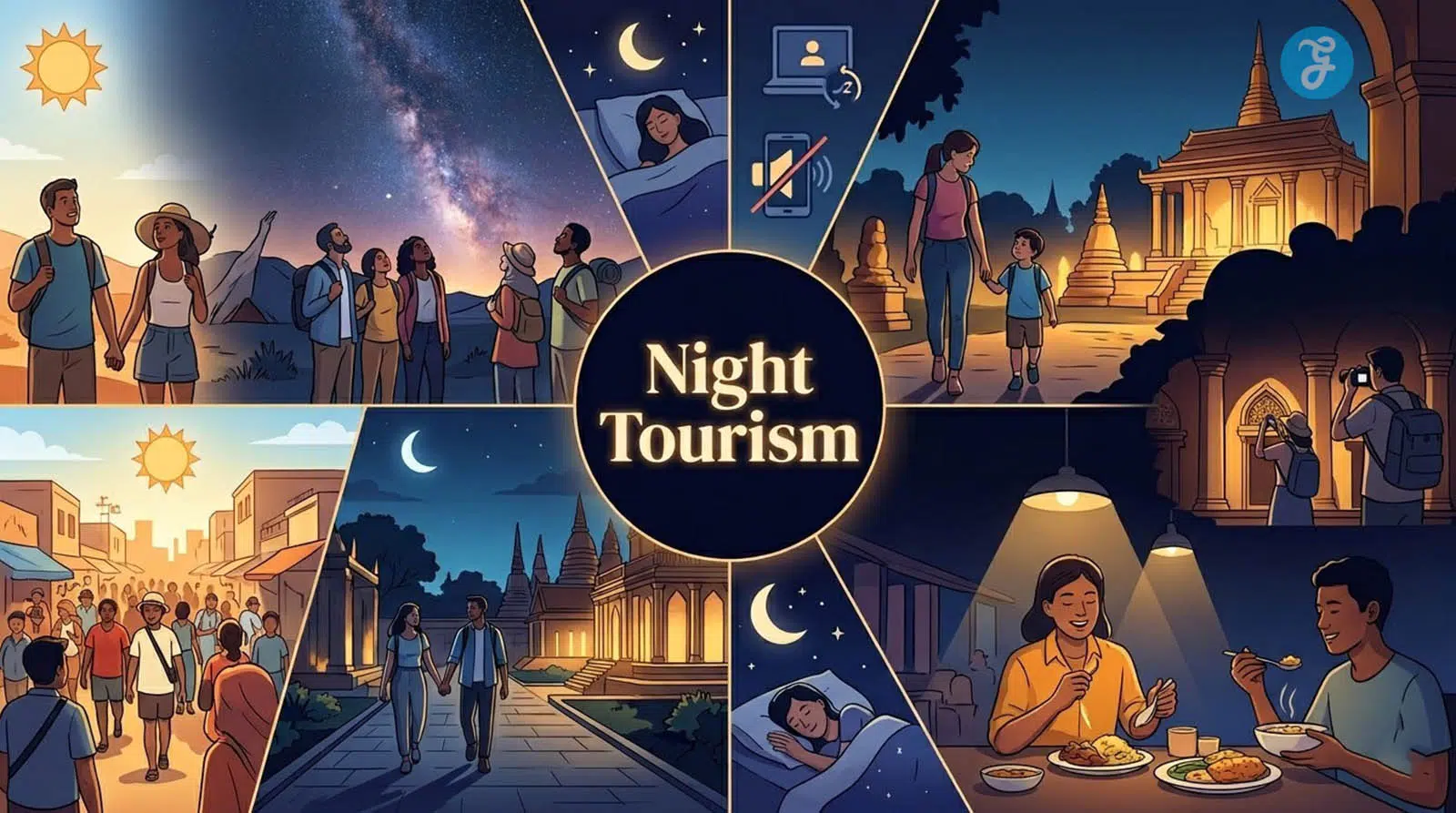
They plan their whole trips around the sunset. Their travels show how Night Tourism works across all borders. It offers a unique way for a parent and child to bond while the rest of the world is asleep. It is about the mystery of a city or a forest when the noise of the day finally stops.
The Expert View: Beyond the Crowds and Into the Glow
Srinjoy Sen, Director of 3S Travel Network Private Limited and Executive Committee Member of SKAL International, believes the shift is about more than just avoiding the heat. As a leader in a global network of tourism professionals, he sees a dual appeal in the night.
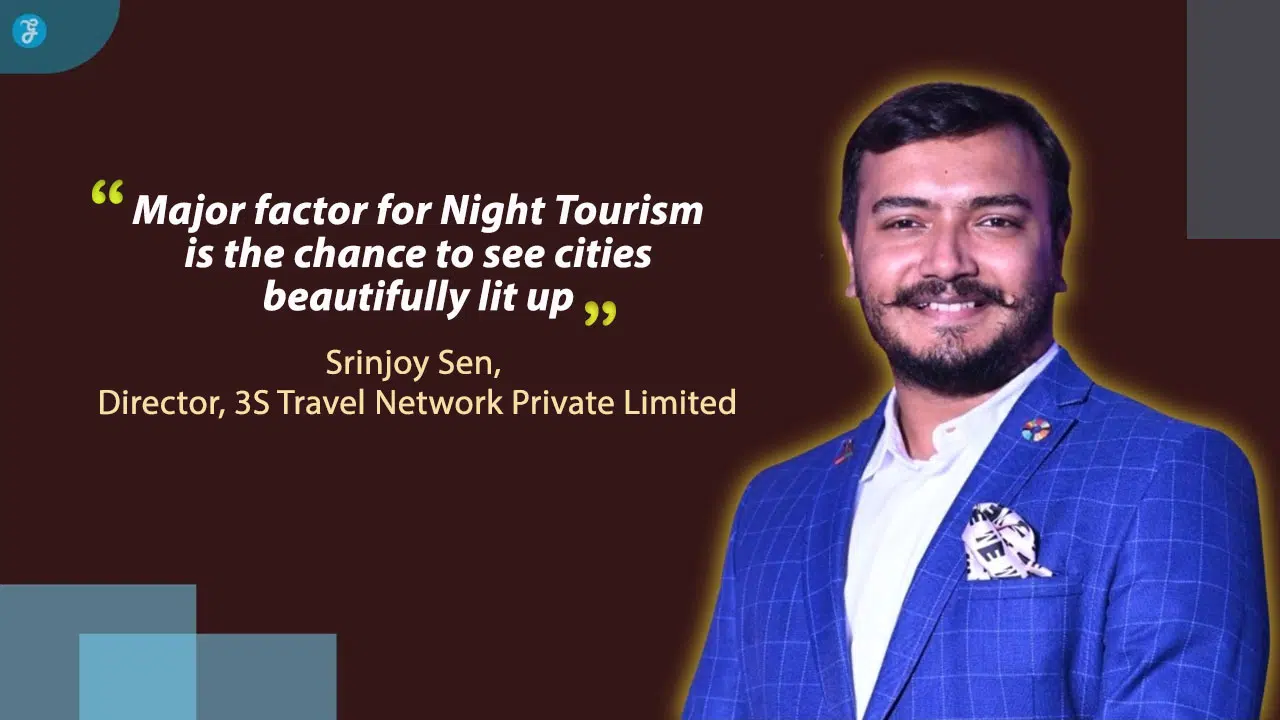
“One obvious reason for the rise of Night Tourism is to beat the crowds, but another major factor is the chance to see cities beautifully lit up,” Sen explains. He points to his own doorstep as a primary example of this global trend hitting home. “Take Kolkata, where Mudar Patherya has taken the lead in illuminating heritage buildings. We are now seeing a lot of inbound traffic specifically at night. It is the best way to showcase that excellent British colonial style when it is glowing against the dark sky.”
His insights confirm that the movement is not just about the clock. It is about a new way of seeing. By lighting up the past, cities are creating a fresh product for the modern traveller.
Night Tourism: A Booming Market
The night is no longer just a pause between days. It has become a massive economic engine. Financial experts and travel researchers now see the dark as the next great frontier for global growth. Recent data shows that the global astrotourism market alone was valued at over 9 billion dollars in 2024. This figure is not just rising; it is exploding. Projections from market analysts at Future Market Insights suggest this specific sector will reach a staggering 24.8 billion dollars by 2035, while the broader night economy contributes hundreds of billions to the global GDP.
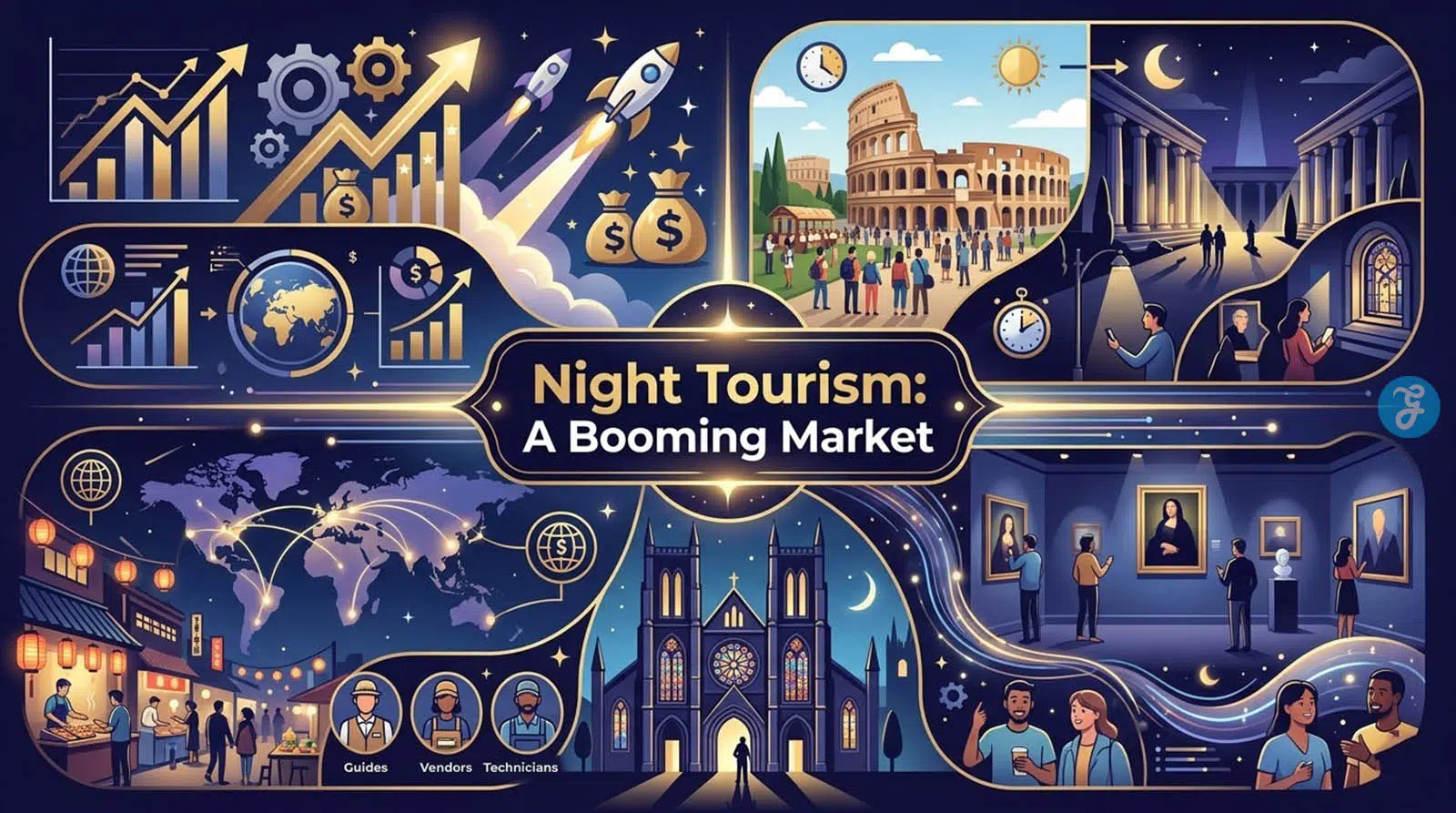
This surge is driven by a simple change in how we spend our time. People are looking for novelty. They want experiences that feel fresh and exclusive. When the sun goes down, famous landmarks transform. A museum that felt crowded at noon becomes a quiet, intimate gallery at midnight. This shift is not just happening in a few cities. It is a worldwide movement. From the night markets of East Asia to the late-opening cathedrals of Europe, the after-dark economy is creating millions of jobs and contributing roughly 3 to 4 per cent of global GDP.
To sustain this 24-hour rhythm, global hubs like London, Paris, and Tokyo are reimagining urban life by extending public transport throughout the night. This shift ensures safety and accessibility without relying on private vehicles. Many major cities have also appointed “night mayors” to manage the world between 6pm and 6am. These officials balance the needs of vibrant entertainment zones with residential peace, using smart lighting and late-night food hubs to turn the night into a shared resource. By dispersing visitors across a 24-hour cycle, cities are successfully reducing the crushing pressure of daytime overtourism.
The Kolkata Illumination Project: A Citizen-Led Revival
Kolkata is pioneering a unique model of nocturnal urban renewal through the Calcutta Illumination Project. Spearheaded by philanthropist Mudar Patherya and the Kolkata Restorers, this crowdfunded initiative has already illuminated over 100 heritage structures, including the GPO and Raj Bhavan. By using soft, aesthetic LED lighting, the project reveals the city’s colonial grandeur without contributing to aggressive light pollution.
The Quest for Pristine Skies and the Magic of the Dark
Modern life is far too bright. Most people living in cities today have never seen the Milky Way. This constant artificial glow does more than just hide the stars. It disconnects us from a natural cycle that has guided humans for thousands of years. As a result, a new movement is taking hold. Astrotourism is the practice of travelling to the few remaining pockets of true darkness on our planet. It is a search for silence, clarity, and the chance to see the universe with the naked eye.
New Zealand and the Māori Star Path
New Zealand is leading the world with an ambitious goal to become a certified dark sky nation. This movement is deeply cultural; for the indigenous Māori, the stars are a living map and the rise of the Matariki cluster marks the New Year. By protecting sites like the Aoraki Mackenzie International Dark Sky Reserve from light pollution, the country preserves ancient traditions while attracting thousands of global visitors.
The Oregon Outback Sanctuary
In the United States, the Oregon Outback International Dark Sky Sanctuary offers immense scale, covering 2.4 million acres of high desert. It is one of the largest protected dark spaces on Earth, where the night is so pure that stars cast visible shadows on the ground. This vast landscape serves as a critical sanctuary for travellers seeking a profound connection with an infinite cosmos.
Northumberland and the Business of Starlight
The United Kingdom has turned darkness into a major economic driver through the Northumberland International Dark Sky Park.
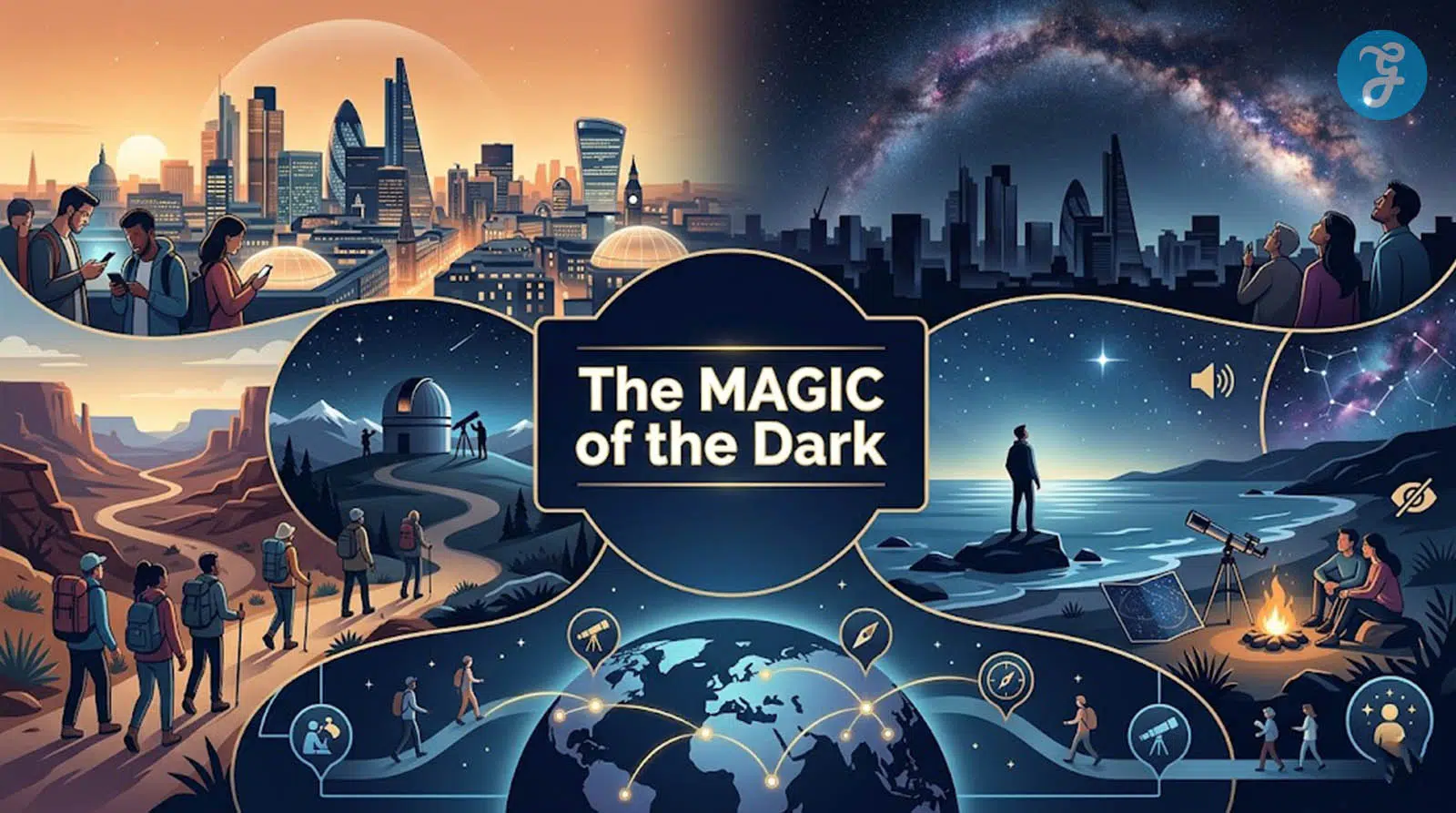
By limiting light pollution and partnering with local businesses, the region generates millions of pounds in annual revenue. Local hotels and pubs now offer specialised stargazing packages, proving that environmental protection is a savvy financial strategy for rural communities.
The Healing Power of True Night
There is a biological reason why we crave the dark. Our bodies need it to stay healthy. Exposure to natural darkness triggers the production of melatonin. This hormone regulates our sleep and helps our cells repair themselves. Constant light at night can lead to stress, anxiety, and even physical illness. Beyond the physical, there is the psychology of awe. Looking up at a clear night sky can shift our perspective. It reduces the feeling of being overwhelmed by daily problems. This sense of wonder is a powerful tool for mental well being. By chasing the dark, we are actually finding our way back to ourselves.
Into the Wild: The Silent Shift to Nocturnal Discovery
Traditional safaris are changing. For decades, the goal was to spot the “Big Five” under a scorching midday sun. Now, travellers are turning to the shadows. Nocturnal wildlife tours are rising as a way to see nature in its most private moments.
When the sun goes down, the ecosystem changes entirely. Predators begin their hunt and elusive creatures emerge from their burrows. This shift is not just about the thrill of the dark. It is a way to see the world without the heat and noise of daytime crowds. By moving into the night, we are discovering a hidden layer of the natural world that has always been there, just out of sight.
Conservation and the Glow of the Night
Sustainable tourism is now a powerful tool for protecting species that only appear after dark. In Australia and New Zealand, the tiny Blue Penguin has become a star of the night. On Phillip Island and along the Otago Peninsula, strictly controlled viewing areas allow visitors to watch these birds waddle home to their nests at dusk. These tours use special dim lighting that does not disturb the penguins. The money from these tickets goes directly into habitat restoration and predator control. In Mexico, the forests of Tlaxcala transform into a sea of light during the summer firefly season. Local communities have turned these sanctuaries of light into protected zones. By limiting visitor numbers and banning torches, they ensure the fireflies can breed in peace while providing a stable income for the local people.
National Parks and the Great Dispersion
National Parks across the globe are using night programming to solve a modern crisis: overtourism. During the day, iconic parks like Zion in the US or the Peak District in the UK can feel like busy shopping centres. By introducing night walks and midnight stargazing sessions, park rangers are spreading visitors across a 24-hour period.
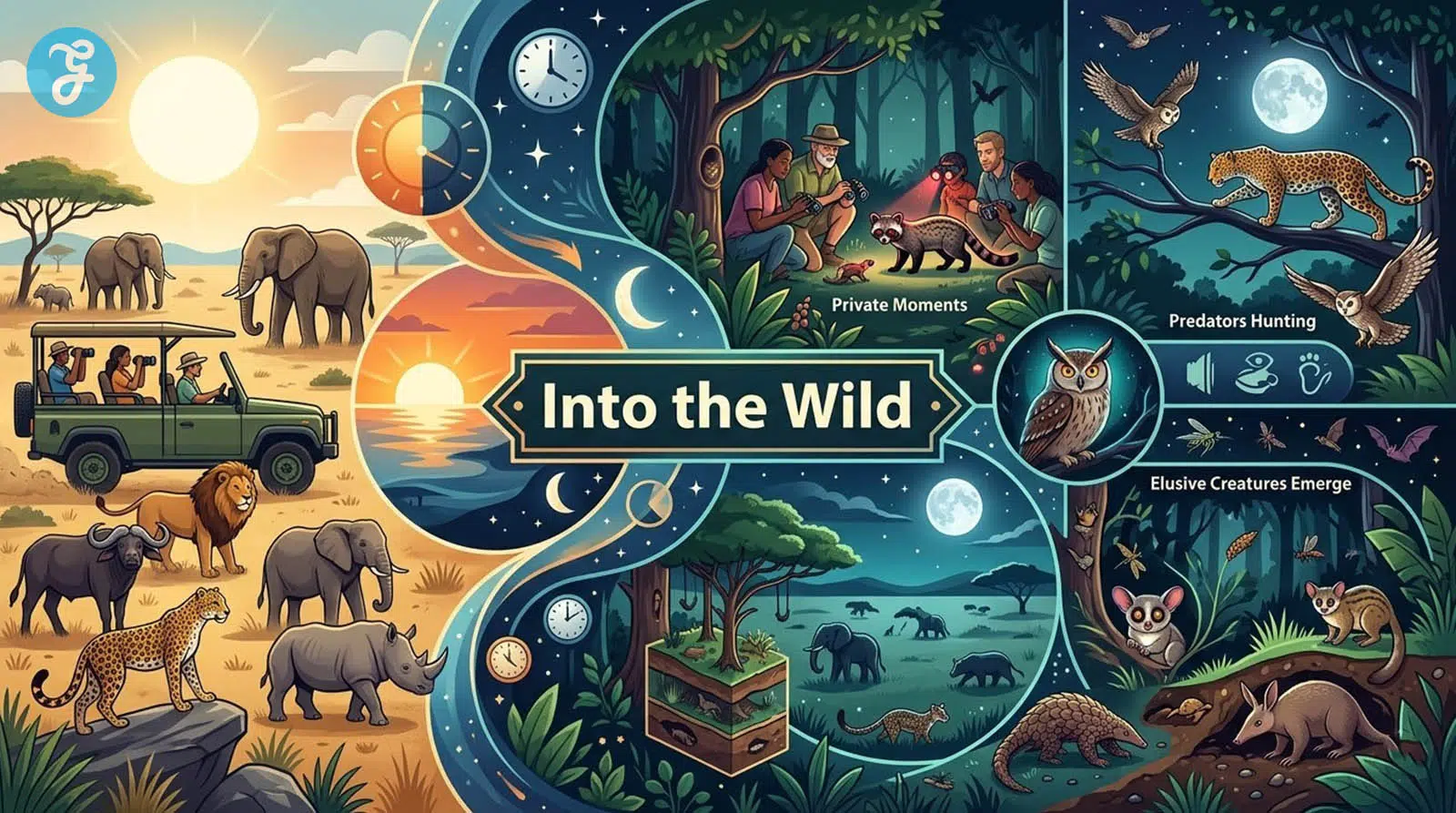
This “dispersion” reduces the physical wear and tear on trails during peak hours. It also has a surprising environmental benefit. Night tourists often stay longer in nearby towns, boosting local economies without the need for new, massive infrastructure. Furthermore, as these parks move toward “dark sky” status, they are cutting down on unnecessary artificial lighting. This simple act lowers the carbon footprint of the park and restores the natural rhythms of the local wildlife.
The New Ethic of Night Safaris
Ethical travel is at the heart of the Night Tourism movement. Old-fashioned night drives often used bright white spotlights that blinded animals and disrupted their hunting. Modern guides now use red filters and thermal imaging cameras. These tools allow us to observe a leopard or an owl without them even knowing we are there. It is a more respectful way to engage with the wild. Researchers have found that this low-impact approach actually helps conservation. When people see these animals in their natural, undisturbed state, they are more likely to support efforts to protect them. The night is no longer a place to fear, but a sanctuary to be cherished.
Cities that Never Sleep: Culture, Heritage, and Gastronomy
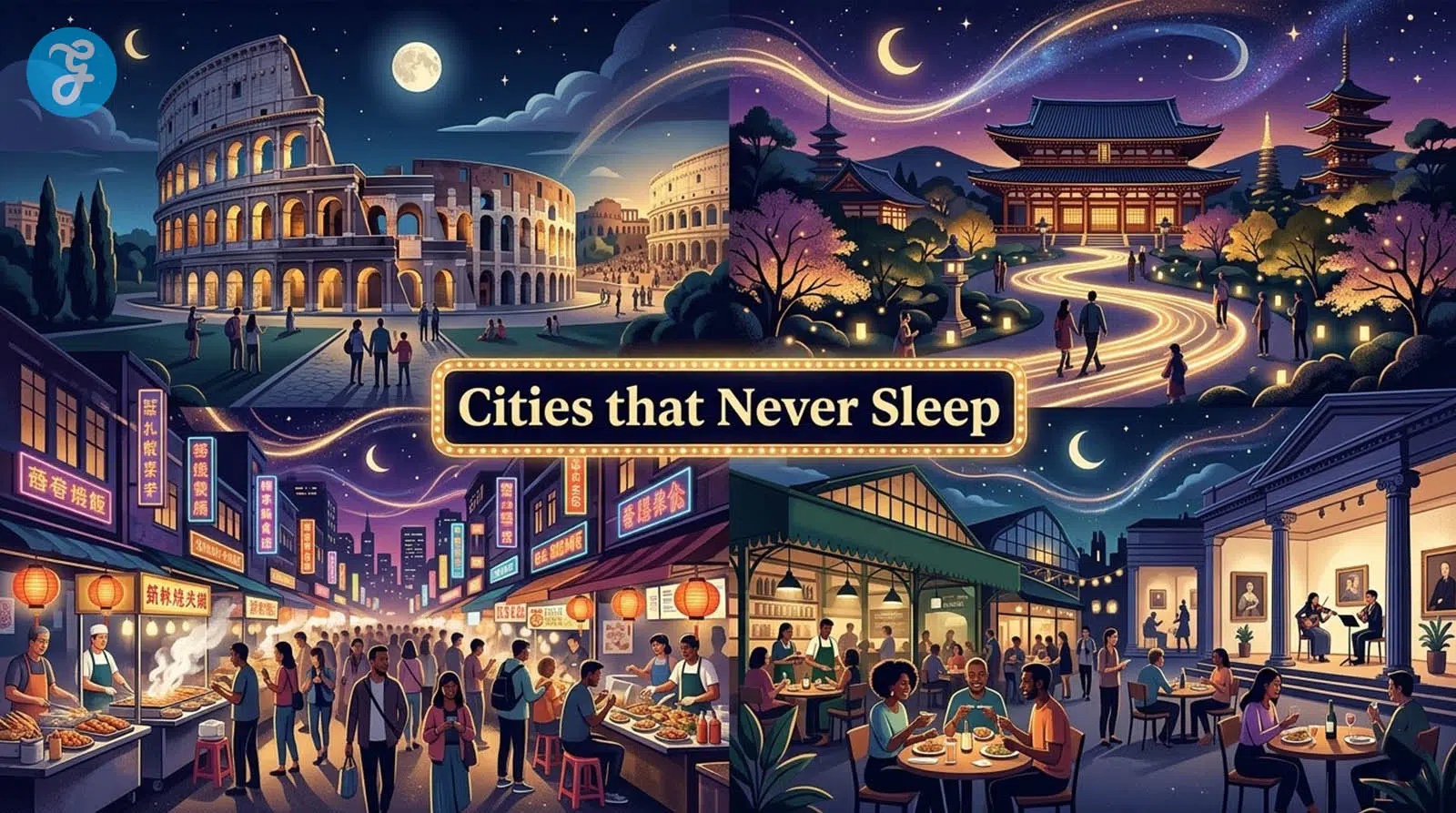
When the sun sets, the modern city reveals its second act. Urban nightscapes are no longer just about bright billboards or traffic. Across Europe and Asia, historical sites are being reimagined through light. In Rome, the Colosseum holds moonlight tours that allow a handful of visitors to walk the arena floor in near silence. This is a world away from the blistering heat and thousands of tourists seen at noon. In Kyoto, the seasonal light up events at ancient temples create a glowing path through the trees. These experiences offer a fresh way to engage with the past. Museums are also joining the movement. Many now stay open until midnight, turning a gallery visit into a social event with live music and quiet talks.
Midnight Feasts and the New Food Trails
Food is the heartbeat of any night city. Gastronomy has moved beyond the standard dinner reservation. Late-night food trails are now a major draw for travellers seeking authentic flavours. In Taipei, the Shilin Night Market is a sensory explosion of steam and spice that peaks long after most shops have closed. In London, the historic Borough Market has experimented with evening openings to cater to a sophisticated after hours crowd. These markets are not just places to eat. They are public spaces that transform when the moon rises. The atmosphere is more relaxed and the people are more varied. It is a slower, more democratic way to experience a culture through its cooking.
The Challenge of the 24 Hour Hub
Managing a city that stays awake comes with real friction. Noise pollution is a constant battle for local councils. When a street becomes a popular night spot, the people living above the shops can suffer. Environmental impact is another concern.
 Keeping monuments lit and buses running uses a lot of energy. Many cities are now switching to smart LED systems that focus light exactly where it is needed and nowhere else. This helps reduce light spill into the sky. Public safety is also a priority. Well-lit streets and more people on the pavement often make a city safer. However, it requires a careful balance of policing and community trust.
Balancing Life and Leisure
A successful night economy must work for everyone. It is not just about the tourists. It is about the people who live and work there every day. In Paris, the Laissez les nuits vivre movement fights to keep nightlife alive while respecting the peace of residents. This tension is where the best ideas are born. From soundproofed venues to pedestrian zones that only exist after 9pm, cities are learning to adapt. They are finding that a vibrant night makes a city feel more alive and less like a sterile museum. It is a messy, beautiful process that defines the modern urban experience.
The Next Frontier: Tech and the Conscious Night
The future of travel belongs to the shadows. As the global night economy grows, the focus is shifting toward a delicate balance. We must weigh the money made from tourism against the need to protect our planet. For years, artificial light was a sign of progress. Now, we know it can hurt wildlife and disrupt our own sleep. The goal is to create a night that is both vibrant and responsible. This means finding ways to welcome visitors without ruining the very darkness they came to see.
Technology is leading this change. Advanced LED systems are a game changer. These lights use specific warm tones and shields to point beams exactly where people walk. This simple fix stops light from leaking into the sky. Other cities are using data to manage crowds. Sensors can track how many people are in a square or a park in real time. If a spot gets too busy, digital signs can suggest a quieter nearby trail. Augmented reality is also making waves. Instead of bright physical signs, tourists can use their phones to see historical recreations of a castle or a temple. It provides a rich experience without adding a single extra bulb to the environment.
Families like Shilpi and her son are the real drivers of this shift. They represent a new wave of travellers who want more than just a late-night party. They look for safety and order. They want activities that are educational and accessible for all ages. Because of people like them, cities are making their night spaces more family-friendly. This demand for well-regulated night tourism ensures that the industry grows in a way that is safe for everyone. It proves that the night can be a place of learning and quiet joy for the next generation.
Why Travellers are Choosing the Dark
The shift toward nocturnal exploration is driven by a desire for a more intimate and comfortable travel experience. Beyond the visual spectacle, five key factors define the appeal of Night Tourism:
- Natural Climate Control: Exploring after sunset offers a necessary escape from the rising heat of daytime urban environments and tropical trails.
- Crowd Avoidance: Popular landmarks and heritage sites provide a more serene and private atmosphere once the standard tour groups have departed.
- Sensory Heightening: Reduced visibility sharpens the other senses, making the sounds of nature and the flavours of local street food more intense.
- Photographic Uniqueness: Professional illumination reveals architectural details and dramatic shadows that are often washed out by flat midday sun.
- Biological Recovery: Stargazing and dark sky immersion help reset the natural sleep cycle while providing a powerful psychological break. This growing demand for quiet, nocturnal immersion is a cornerstone of Slow Travel 2026, offering a meaningful human escape for modern adventurers looking to reconnect with a natural, unhurried pace.
A New Dawn for the Global Dark
The old way of travelling is fading. For too long, we have squeezed our best memories into the heat of the day. Now, the world is waking up to a different rhythm. Night Tourism is not just a passing fad. It is a deep shift in how we relate to the planet. We are moving away from the rush of crowded viewpoints and toward the quiet magic of a world lit by the moon. This change allows us to see the places we love in a softer and more honest light. It is about immersion rather than just observation.
Preserving the darkness is one of the most important tasks of our time. A clear night sky is a natural heritage that belongs to everyone. When we lose the stars to light pollution, we lose a piece of our own story. Protecting our nighttime environments is about more than just a pretty view. It is about our health, the survival of wildlife, and our sense of wonder. We must treat the dark as a precious resource that needs careful management.
Destinations across the globe have a unique chance to lead this movement. By embracing sustainable night economies, they can offer something truly rare. This means investing in smart lighting and protecting quiet zones. It means creating spaces where families can explore safely long after the sun has set. The future of travel is dark, quiet, and full of life. It is time for every city and every park to switch off the glare and let the night speak for itself.