You spend hours crafting the perfect post, hitting publish with high hopes, and then… crickets. Does your traffic feel stuck while other sites seem to get a flood of visitors from nowhere? You are not the only one wondering how to crack the code. Here is the secret: many of those booming sites aren’t just relying on search results. They are winning big on Google Discover.
Google Discover now puts content in front of over 800 million active users every month, serving them stories they didn’t even know they wanted yet. It is a powerful “push” feed that can send thousands of visitors to your site in a single afternoon.
So, how do you get a slice of that pie? I am going to walk you through the exact steps to get your content featured on Google Discover, increase your traffic, and connect with new fans. Grab a coffee, and let’s get your site ready for the spotlight.
What is Google Discover?
Think of Google Discover as a smart, digital magazine that builds itself just for you. Unlike Google Search, where you type in a question to get an answer, Discover does the work for you.
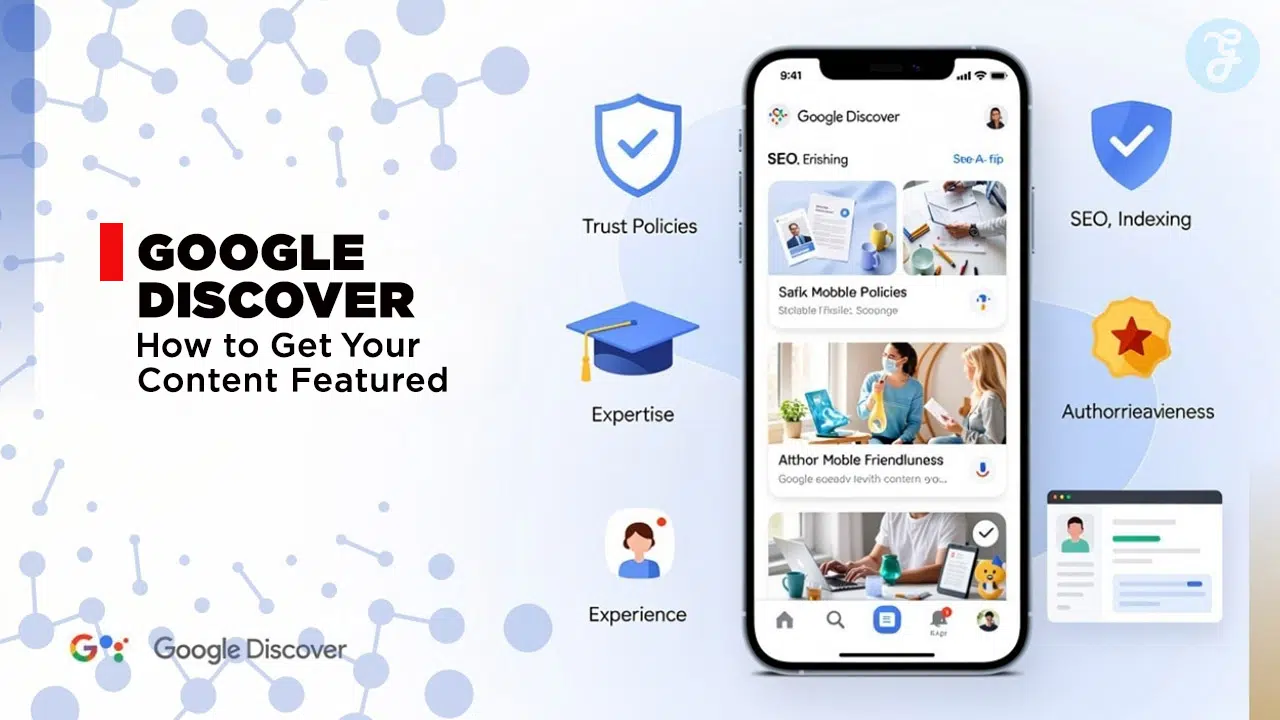
Overview of Google Discover
This feed lives on the Google mobile app and the mobile homepage. It uses a mix of your search history, location history, and YouTube activity to predict what you want to read next. It is a “queryless” search, finding answers before you even ask the question.
For content creators, this is a massive shift. Instead of waiting for someone to search for “best vegan cookie recipe,” Discover might drop your recipe right into the feed of someone who recently watched a baking video on YouTube. With over 800 million monthly users, the potential reach is huge.
How it differs from traditional search
The difference between Search and Discover is like the difference between a library and a newsstand. In a library (Search), you go looking for a specific book. At a newsstand (Discover), catchy covers and headlines grab your attention while you browse.
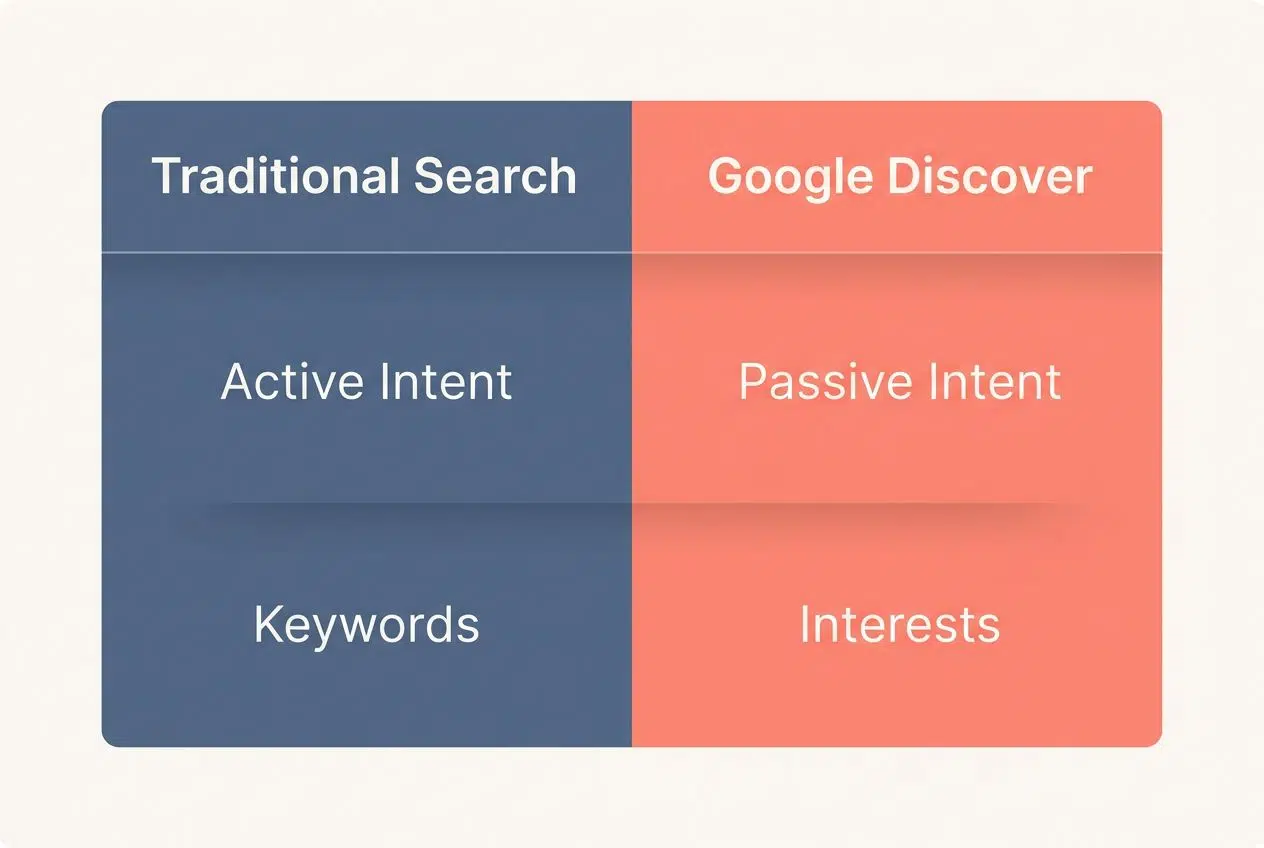
| Feature | Traditional Search (SEO) | Google Discover |
|---|---|---|
| User Intent | Active (User types a query) | Passive (User scrolls a feed) |
| Primary Trigger | Keywords & Keywords matching | Interests & Emotional connection |
| Content Lifespan | Long-term (Evergreen) | Short-term (2-3 days typically) |
| Visual Importance | Moderate | Critical (High-res images win) |
Because of this, Discover is perfect for timely news, emotional stories, and visually stunning guides. As one digital strategy expert noted in late 2024:
“You get found before anyone types a word. It’s about sparking curiosity, not just answering questions.”
Why Google Discover Matters for Content Creators
If you rely solely on SEO, you are fighting a crowded battle for keywords. Google Discover opens a side door that can sometimes bring in more traffic than search itself.
Increased visibility and traffic
When a post hits Discover, the traffic spike is often vertical. We are talking about going from 50 visitors a day to 5,000 in a few hours. In fact, publishers like Newsweek reported in late 2024 that Discover was driving more referral traffic to their sites than Google Search.
This happens because Discover pushes your content to a massive audience instantly. If you write a breakdown of the “2025 NBA Finals” right as the game ends, Discover can put that article on the screens of millions of basketball fans simultaneously.
Reaching a highly engaged audience
The people finding you on Discover are already interested in your topic, Google’s algorithm guarantees it. This means they are more likely to click, read, and share.
Traffic monitoring tools like Google Analytics 4 often show that Discover users spend more time on a page because the content was hand-picked for their specific interests. It is quality traffic, not just random clicks.
Basic Eligibility Requirements for Google Discover
Before you aim for the stars, you need to make sure your launchpad is solid. Google has a few non-negotiable rules for getting into the feed.
Indexed content
This sounds simple, but it is the most common roadblock. Your content must be indexed by Google to appear in Discover. If Googlebot hasn’t crawled your page, you don’t exist in their system.
- Check your status: Use the “URL Inspection” tool in Google Search Console to verify your page is on Google.
- Sitemaps matter: Submit a clean XML sitemap to help Google find your new posts instantly.
- Internal linking: Don’t leave your new articles as “orphans.” Link to them from your homepage or other popular posts so crawlers can find them easily.
Mobile-friendly design
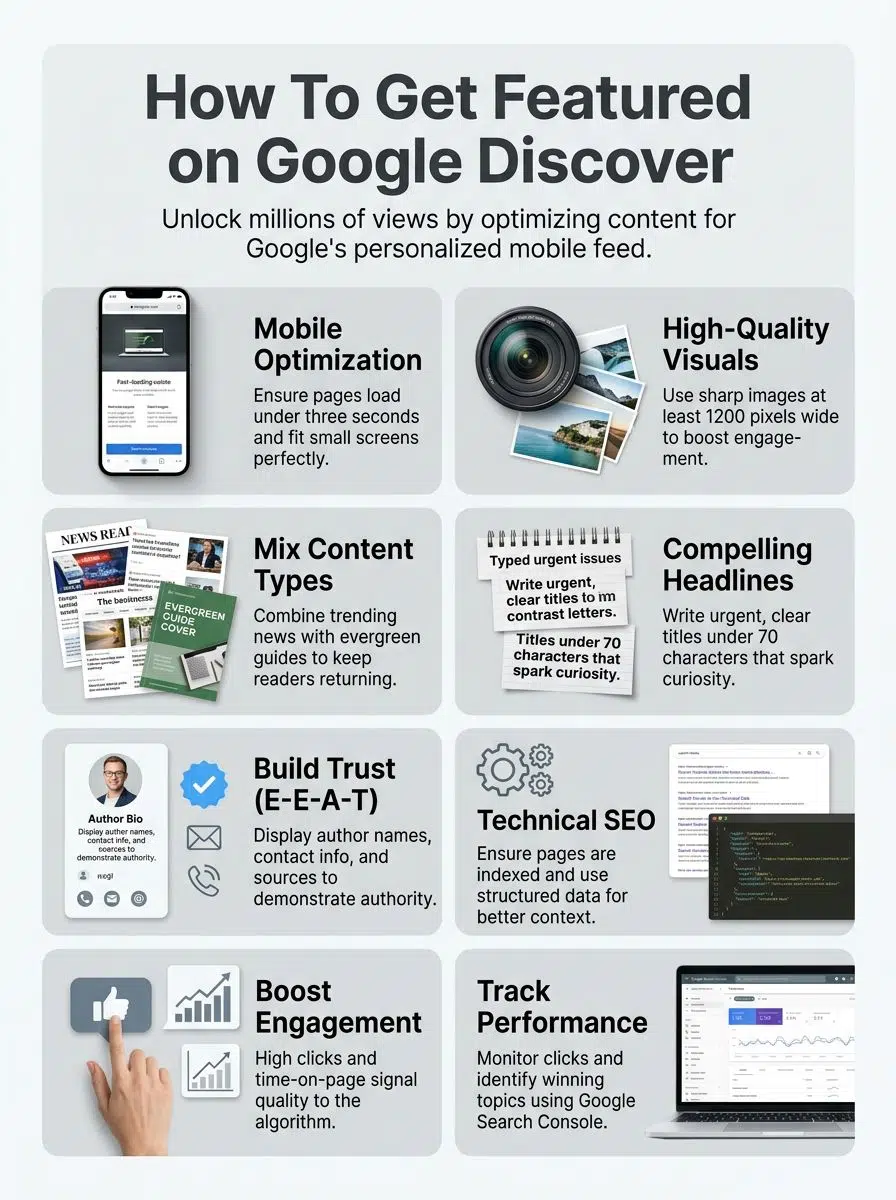
Discover is a mobile-first experience. Nearly 100% of this traffic comes from smartphones and tablets. If your site requires “pinching and zooming” or has buttons too small for a thumb, Google will likely ignore you.
Test your pages with Google’s Mobile-Friendly Test tool. You want a responsive design that rearranges itself perfectly for any screen size. Remember, a user who clicks your article and immediately leaves because of a bad layout sends a negative signal to Google, hurting your chances of being featured again.
Algorithmic Signals That Influence Discover Visibility
Google doesn’t give us a manual, but we know what moves the needle. The algorithm looks for a specific mix of signals to decide what goes viral.
Relevance and timeliness
Relevance is king here. The algorithm builds an “Interest Graph” for every user. If a user reads three articles about “Sustainable Gardening,” Google starts looking for a fourth one to show them.
Timeliness is your best lever. While evergreen content does appear, Discover loves what is new. Breaking news, recent product launches, or a fresh take on a current trend (like “New Tax Rules for 2026”) usually get priority. A story has a “half-life” on Discover; it typically shines for 48 to 72 hours before fading away.
User engagement metrics
Google watches how people interact with your card in the feed. They look at two main things:
- Click-Through Rate (CTR): If 1,000 people see your headline and 100 click it (a 10% CTR), that is a strong signal your content is appealing.
- Dwell Time: Did they stay? If users click but bounce back in 5 seconds, Google assumes your content was clickbait and will stop showing it.
High engagement tells the system, “People love this,” prompting the algorithm to show it to even more users with similar interests.
Creating a Winning Content Strategy for Google Discover
You cannot force your way into Discover, but you can definitely invite yourself in. The trick is to publish a mix of stories that appeal to both the algorithm’s love for news and the user’s need for help.
Focus on timely topics
Speed wins. If you can be one of the first to cover a developing story with a unique angle, your odds of getting picked up skyrocket.
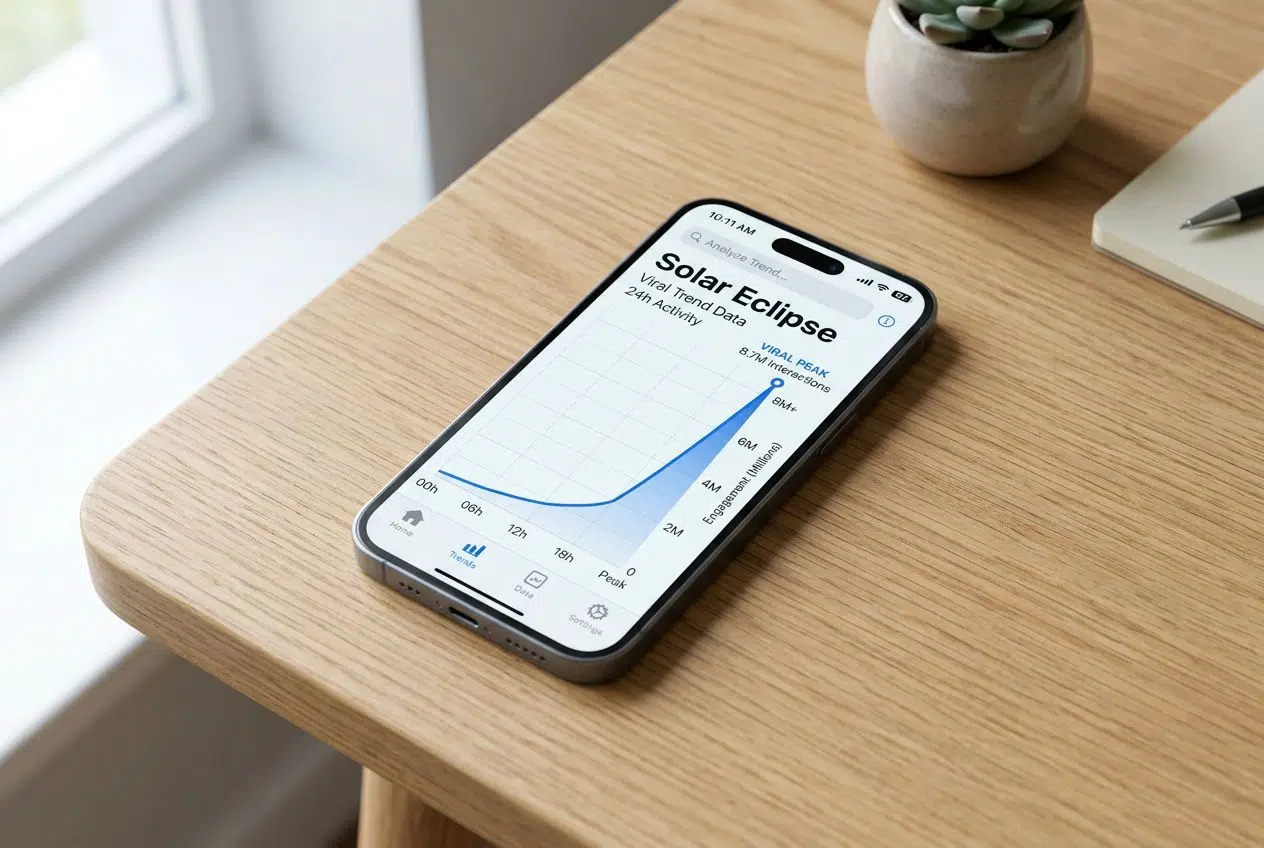
- Ride the trends: Use Google Trends to see what is spiking right now. If “Solar Eclipse” is trending, write a guide on “How to Photograph the Solar Eclipse with Your iPhone.”
- Connect to daily life: Don’t just report news; explain it. Instead of “Inflation Rates Rise,” try “What the New Inflation Rate Means for Your Grocery Bill.”
- Use the 60/40 Rule: Successful publishers often use a mix: 60% evergreen content for stability, and 40% trending topics to chase Discover spikes.
- Refresh old hits: If you have an old article about “Best Winter Coats,” update it with 2026 models and republish it with a new date. Google sees this as fresh content.
Emphasize evergreen and educational content
While news fades, helpful advice lasts forever. Google Discover also surfaces “evergreen” content if it solves a problem a user is currently facing.
For example, if someone is planning a trip to Japan, Discover will start showing them travel guides written years ago, as long as the information is still accurate. Focus on “How-To” guides and “Listicles” (e.g., “10 Mistakes New Runners Make”). These formats naturally promise value, which boosts that all-important click-through rate.
Incorporate branded, narrative storytelling
People connect with people. Corporate speak falls flat in a personalized feed. Your writing should have a voice, a face, and a story.
Share personal experiences. A headline like “I Tried the Keto Diet for 30 Days and Here is What Happened” works better than “The Benefits of a Keto Diet.” It implies a narrative. Strong storytelling increases time-on-page, sending positive engagement signals back to Google.
Technical Requirements to Optimize for Google Discover
You can have the best story in the world, but technical flaws will keep it hidden. There are two specific technical levers that have a massive impact on Discover performance.
Ensure indexability and crawlability
We mentioned indexing earlier, but let’s get specific. You need a clean technical foundation. Avoid having your content buried behind “Load More” buttons that crawlers can’t click. Ensure your robots.txt file isn’t blocking the resources your page needs to look good, like CSS or image files. A quick check in the “Pages” report in Google Search Console will tell you if you have any “Crawled – currently not indexed” errors that need fixing.
Optimize images for large, high-quality visuals
This is the single most important technical factor for Discover. The feed is visual. Cards with large images get significantly more clicks than small thumbnails.
The 1200px Rule: Your feature image must be at least 1200 pixels wide. Anything smaller may appear as a tiny thumbnail, which users often scroll past.
The Essential Meta Tag: You must include the max-image-preview: large setting in your robots meta tag. This gives Google permission to show your image in full width.
Use high-resolution formats like WebP. Avoid using your logo as the main image; it looks spammy, and Google may filter it out. Stick to compelling photography or custom graphics that tell the story at a glance.
Implement structured data
Structured data (Schema markup) is like a nametag for your content. It tells Google exactly what it is looking at.
For Discover, the Article or NewsArticle schema is vital. It helps Google identify your headline, publish date, and main image correctly. If you use WordPress, plugins like Yoast SEO or RankMath usually handle this automatically, but it is always worth testing your URL in Google’s “Rich Results Test” tool to be sure.
Prioritize Core Web Vitals and mobile experience
Speed is a ranking factor. Google uses “Core Web Vitals” to measure how annoying your site is to use.
For 2026, you need to hit these benchmarks on mobile:
- Largest Contentful Paint (LCP): Your main content should load in 2.5 seconds or less.
- Interaction to Next Paint (INP): Your page should respond to a click in 200 milliseconds or less.
- Cumulative Layout Shift (CLS): Your page shouldn’t jump around. Keep this score under 0.1.
If your page takes 5 seconds to load, the user has likely already scrolled past your card in the feed.
E-E-A-T and Policy Compliance
Google wants to protect its users from fake news and bad advice. This is where E-E-A-T (Experience, Expertise, Authoritativeness, and Trustworthiness) comes in.

Google’s recent updates emphasize the first “E”, Experience. They want to see that you actually know what you are talking about.
- Use By-lines: Never publish as “Admin.” Use a real name and link it to a bio page that lists your credentials.
- Show, Don’t Just Tell: If you are reviewing a product, include photos of you holding it. If you are discussing a place, mention personal details about your visit.
- Cite Sources: Link to reputable data sources. It shows you did your homework.
Build trust signals through transparency
Your site needs to look like a legitimate business. Make sure you have clear “About Us” and “Contact” pages linked in your footer. If you are an affiliate site, include a clear disclosure at the top of your posts. Transparency builds trust, and trust is a gatekeeper for Google Discover visibility.
Measuring Performance on Google Discover
You can’t improve what you don’t measure. Fortunately, Google gives you a dedicated dashboard for this.
Using the Google Search Console Discover Report
Head over to Google Search Console. On the left sidebar, look for the “Discover” tab under the “Performance” section. Note: This tab only appears after you have received your first few impressions from Discover.
Here, you can see which articles are winning. Look for patterns:
- High Impressions, Low Clicks: Your topic is good, but your headline or image needs work.
- High Clicks, Low Time on Page: Your content didn’t deliver on the headline’s promise.
- Spikes in Traffic: Check the date. Did you cover a trending topic? Can you replicate that success next week?
Common Mistakes That Limit Discover Visibility
Sometimes, it is not about what you do right, but what you stop doing wrong. Avoid these three common pitfalls.
Ignoring technical SEO basics
It is easy to get caught up in writing and forget the tech. Broken links, slow servers, or missing sitemaps act like an anchor dragging your ship down. If Google struggles to crawl your site, it won’t waste resources pushing your content to Discover. Run a technical audit once a month to keep your foundation clean.
Overlooking visual content quality
I cannot stress this enough: Blurry, small, or stock-photo-heavy images are Discover killers. Users scroll fast. If your image doesn’t stop them, nothing will.
Avoid using images with too much text overlay. Google Discover is not YouTube; text-heavy thumbnails often get cropped awkwardly or ignored. Stick to clean, bold visuals that convey emotion or action.
Using Clickbait Titles
There is a fine line between “catchy” and “clickbait.” Google’s spam policies strictly forbid misleading headlines.
Bad (Clickbait): “You Won’t Believe What Happened Next!”
Good (Catchy): “The Surprising Reason Your Traffic Dropped This Month.”
If you promise a shock and deliver a yawn, users will bounce, and Google will blacklist your site from the feed. Be excited, but always be honest.
Tips to Improve Your Chances of Being Featured
Ready to boost your odds? Here is a quick checklist to keep handy for every post you publish.
Regularly publish high-quality, engaging content
Consistency signals reliability. You don’t need to post daily, but you need a steady rhythm. Focus on high-quality articles that spark emotion, awe, surprise, or curiosity. Ask yourself: “Would I share this with a friend?” If the answer is no, rewrite it until it is a yes.
Use compelling headlines and visuals
Your headline and image are 80% of the battle. Use “power words” like Essential, Proven, or Unexpected. Keep headlines under 60 characters so they don’t get cut off on mobile screens. Pair that with a 1200px-wide image that is bright, clear, and relevant. Together, they form the hook that reels users in.
Wrapping Up
Getting featured on Google Discover is one of the fastest ways to grow your audience today. It moves beyond waiting for searches and starts delivering your best work directly to the people who will love it.
By focusing on mobile optimization, using high-quality large images, and writing catchy but honest headlines, you can turn this feed into a steady stream of new fans. It takes a bit of experimentation to see what sticks, but once you crack the code, the traffic potential is incredible.
So, take a look at your latest post. Is the image big enough? Is the headline irresistible? Make those small tweaks, and you might just see your numbers climb tomorrow.