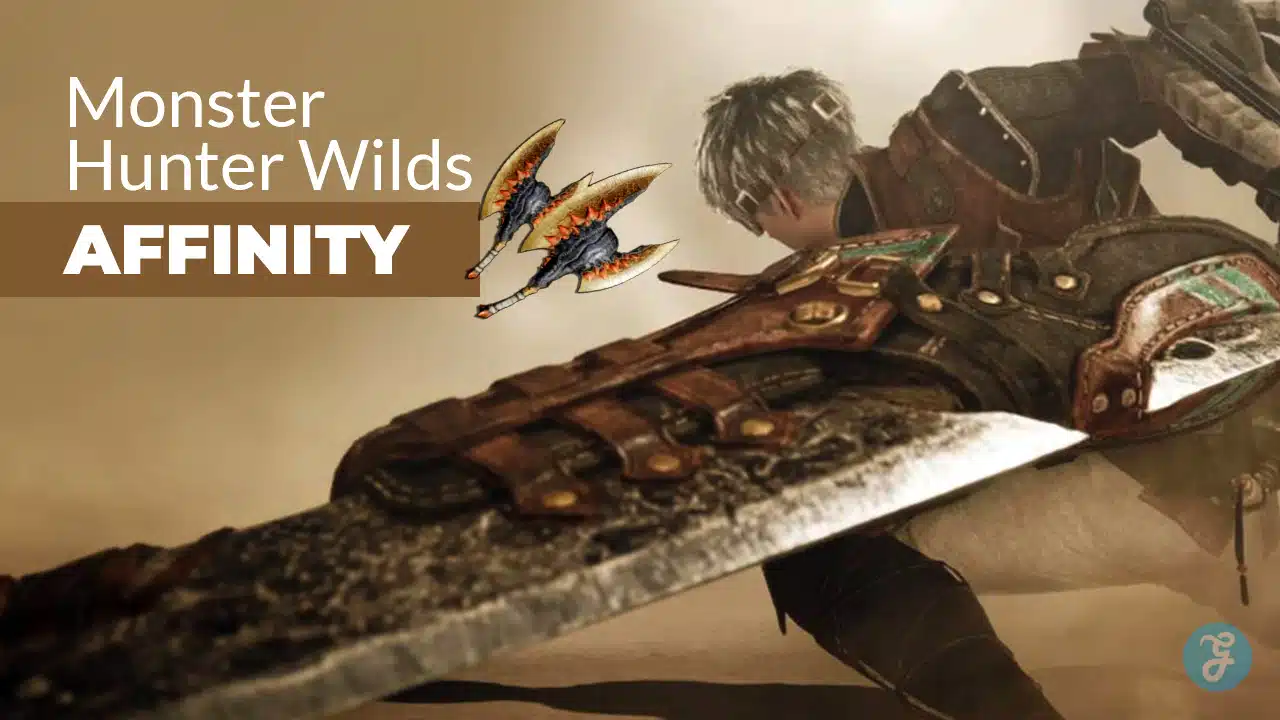
Monster Hunter Wilds Affinity is your weapon’s critical chance. Positive affinity gives you a chance to land stronger hits. Negative affinity gives you a chance to land weaker hits, which quietly lowers your damage over a full hunt.
If you understand how affinity works, you can pick better weapons, build smarter armor skills, and stop falling into the trap of “big attack number = best damage.”
What Affinity Means
Affinity is a percentage roll on every hit.
-
+Affinity: chance to land a critical hit
-
0%: no crit chance either way
-
-Affinity: chance to land a negative critical hit
Quick Mental Model
-
25% affinity = about 1 in 4 hits crit over time
-
-20% affinity = about 1 in 5 hits becomes a weaker negative crit over time
Critical Hits Vs Negative Crits
Affinity is the chance. Critical damage is the payoff.
Most Monster Hunter-style math works like this:
-
A normal crit typically increases raw damage (commonly treated as about +25% on that hit)
-
A negative crit typically decreases raw damage (commonly treated as about -25% on that hit)
You do not need to obsess over the exact multiplier to use affinity well. The key is understanding that positive affinity raises your average damage, and negative affinity lowers it.
Average Damage Impact Table
This table shows the “over time” effect assuming the usual ±25% behavior.
| Affinity | Approx Average Damage Change |
|---|---|
| -30% | about -7.5% |
| -20% | about -5% |
| -10% | about -2.5% |
| 0% | 0% |
| +10% | about +2.5% |
| +20% | about +5% |
| +30% | about +7.5% |
| +50% | about +12.5% |
| +100% | about +25% |
This is why negative affinity matters. It is not “sometimes unlucky.” It is a consistent average penalty.
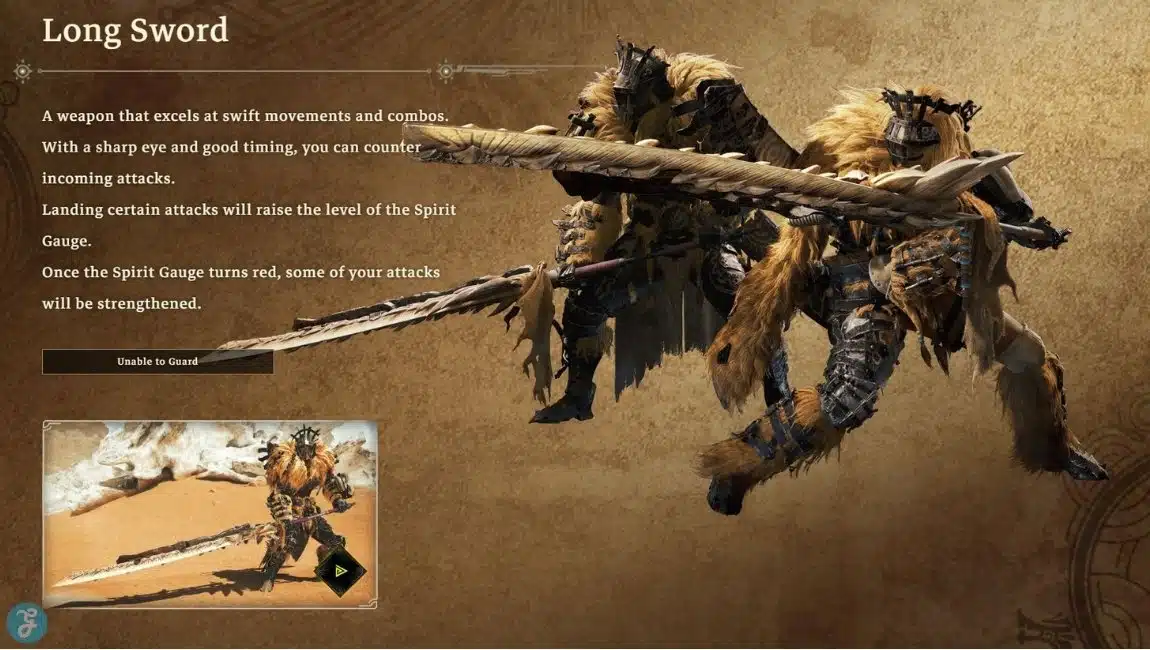
Affinity Is Crit Chance, Not Crit Damage
Two different ideas get mixed up.
-
Affinity = how often you crit
-
Crit damage = how hard crits hit
If you stack crit damage but you do not crit often, you waste value. The best order is usually:
-
Raise affinity until you crit often in real hunts
-
Then increase crit damage scaling
Where Affinity Comes From
Affinity can come from multiple sources and they stack.
Main Sources
-
Weapon’s base affinity (always active)
-
Armor skills and buffs (often conditional)
-
Fighting conditions (weak spots, monster state, your stamina state)
Base Vs Conditional Affinity
| Type | Example | Reliability |
|---|---|---|
| Base affinity | weapon stat | always active |
| Conditional affinity | weak-spot related skills, rage related skills | depends on your play |
Effective Affinity Is The Only Number That Matters
The number on your weapon screen is not the full story. Your real crit chance during a hunt changes based on conditions.
Effective affinity means your “real” affinity on the hit you are landing right now.
Why Effective Affinity Changes
-
You hit weak zones vs hard zones
-
skills turn on and off depending on conditions
-
buffs expire or get refreshed
Example
If your weapon shows 10% affinity, but your build gives a big boost on weak spots, you might be sitting at 70%+ when you hit the head or other soft parts. If you hit armored zones, your real crit rate drops.
How Much Affinity You Should Aim For
You do not need 100% all the time. You want enough that hunts feel consistent.
Practical Targets
| Player Type | Good Goal | Why |
|---|---|---|
| New player | 30% to 50% effective affinity | feels strong without perfect play |
| Regular player | 60% to 80% on weak spots | consistent when you target well |
| Optimizer | 80% to 100% on weak spots | near-constant crits where it matters |
If you miss weak spots often, a “100% on weak spots” build will not feel like 100% in practice.
When Negative Affinity Weapons Are Worth It
Negative affinity weapons are usually balanced by something else, like higher raw damage or a strong upgrade path.
They are worth it when:
-
The raw advantage is big enough to offset the penalty, or
-
You can realistically build enough affinity to cancel the negative range
Negative Affinity Decision Checklist
-
Does this weapon clearly beat alternatives in raw at my tier
-
Can I raise affinity enough to reach 0% or better during my main damage windows
-
Do I consistently hit weak spots so conditional affinity actually works
If most answers are no, you are better off using a neutral or positive affinity weapon.
Does Affinity Affect Element And Status
Most systems treat affinity as mainly affecting raw hit damage. Elemental damage and status buildup often follow different rules unless skills say otherwise.
Simple Expectation Table
| Damage Type | Affinity Usually Helps By Default | Notes |
|---|---|---|
| Raw damage | ✅ Yes | main reason affinity is strong |
| Element damage | ⚠️ Not always | may require specific support skills |
| Status buildup | ❌ Not directly | status has separate mechanics |
| Fixed damage | ❌ Often no | depends on the source |
If your weapon is heavily elemental or status-focused, read the skill descriptions and build toward what actually scales.
Best Build Order For Affinity
If you want a simple plan that works across most playstyles, do this:
-
Remove big negative affinity or accept it intentionally
-
Raise your effective affinity to a comfortable level
-
Then increase crit damage scaling
-
Fill the rest with comfort and weapon essentials
This avoids the common mistake of stacking crit damage without enough crit chance.
Common Affinity Mistakes
Mistake And Fix Table
| Mistake | What It Looks Like | Fix |
|---|---|---|
| Crit damage too early | fancy crit skills, low crit rate | raise affinity first |
| Ignoring negative affinity | high raw, slow hunts | cancel negative or swap |
| Weak spot build, poor targeting | build looks great, feels mid | learn hitzones and spacing |
| Chasing 100% everywhere | cramped build, low comfort | aim for high effective affinity |
Wrap Up
Monster Hunter Wilds Affinity is your critical chance. Positive affinity raises your average damage because more hits become stronger. Negative affinity lowers your average damage because some hits become weaker, even if the weapon’s raw attack looks high.
If you want affinity to feel powerful, focus on effective affinity in real hunts. Hit weak spots, choose affinity sources you can maintain, and only then scale crit damage. When your targeting and your build match, your hunts speed up and your damage becomes far more consistent.