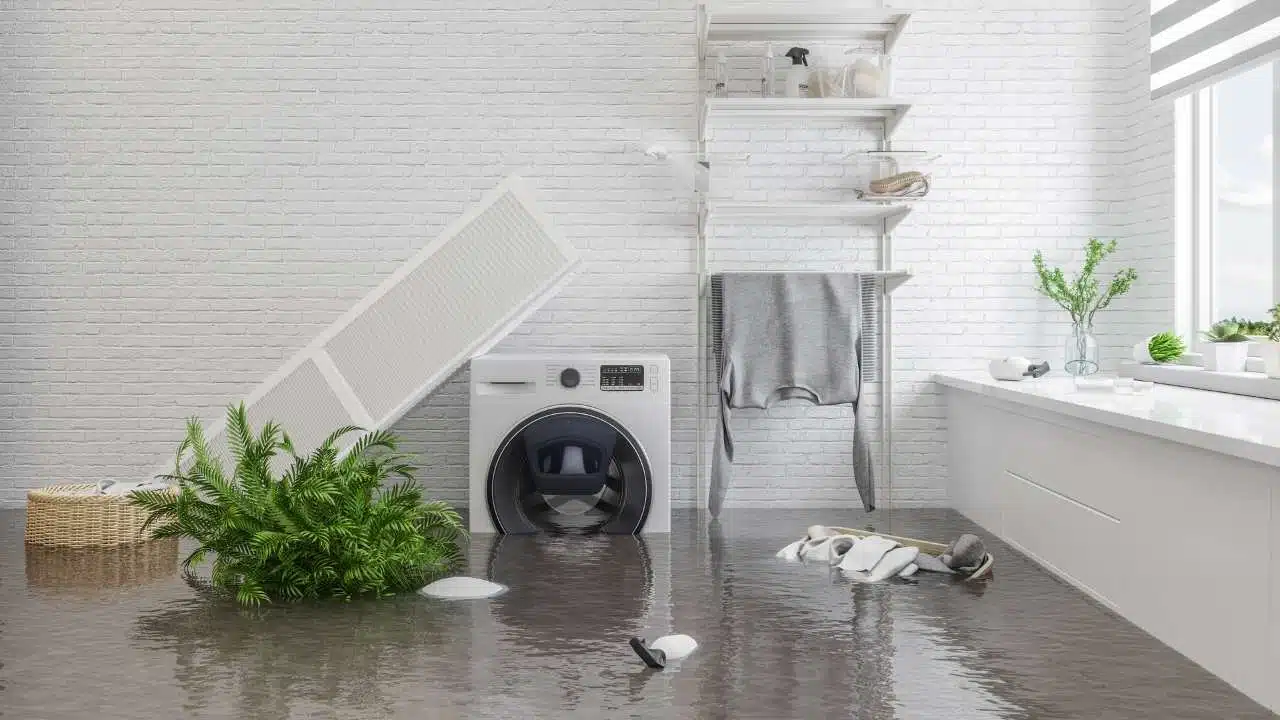
Water damage is one of those home issues that often feels both sudden and slow at the same time. Maybe it’s a burst pipe that floods a room within minutes. Maybe it’s a slow leak behind a wall that you don’t notice until the paint bubbles or the floor starts curling. Either way, once water gets into places it doesn’t belong, the situation can go from inconvenient to overwhelming fast.
What makes it especially challenging for homeowners is that water damage doesn’t just affect what you can see. It seeps, spreads, and hides, causing structural problems, mold growth, and long-term deterioration if it isn’t handled correctly. The good news is that with the right steps you can protect your home and prevent ongoing issues, here’s how.
Why Fast Removal Matters and When Emergency Extraction Is Essential
The first hours after water enters your home are critical. The longer moisture sits, the more it seeps into flooring, drywall, insulation, and structural framing. That’s why emergency water extraction is so important. Professional extraction services are designed to remove standing water quickly, using industrial-strength pumps and tools that pull moisture out before it has time to settle in and cause lasting damage.
Homeowners sometimes think that using a shop vacuum or towels is enough, but water tends to move deeper than people expect. Carpet pads, subflooring, and wall cavities absorb moisture rapidly, and once it’s inside these materials, it becomes much harder to remove without the right equipment. Professional teams can extract water in minutes that might take a homeowner days to remove on their own. The faster the water is out, the smaller the window for mold, warping, and structural weakening.
Hidden Leaks are a Source of Damage You Might Not Notice at First
Not all water damage comes from an obvious event. Hidden leaks are often the most dangerous because they can continue unnoticed for weeks or months. These leaks can be tricky. Pipes behind walls, slow drips under sinks, faulty appliance lines, and roof seepage can all create moisture pockets that you don’t notice until discoloration, soft spots, or mold appear.
What makes hidden leaks so damaging is the time they have to spread. A small drip can saturate insulation, weaken drywall, and even undermine flooring or ceiling joists if given enough time. Homeowners typically spot them when the signs are already advanced, which means the cleanup is more complex.
Detecting hidden leaks early requires paying attention to subtle cues. Musty smells, higher water bills, peeling paint, or persistent condensation often indicate a leak that isn’t visible yet.
The Importance of Drying and Dehumidifying After Water Removal
Extracting standing water is only the beginning. Even after visible water is gone, moisture continues to cling to porous surfaces. Wood framing, drywall, carpets, and insulation can hold water long after you think the space is dry. That’s why professional restoration teams bring in industrial dehumidifiers and air movers to completely dry the area.
If drying is incomplete, lingering moisture leads to warping, buckling, or microbial growth. Mold spores can begin forming within 24 to 48 hours, and once they take root, cleanup becomes far more extensive. Proper drying creates airflow across damp materials and pulls moisture out of the air until humidity levels return to safe levels.
This step takes time, even with professional-grade equipment, but it’s essential. Skipping or shortening the drying phase is one of the most common mistakes homeowners make after a water event, and it almost always leads to bigger problems later.
Assessing Structural Impact Before Restoring the Space
After a water incident, it’s tempting to jump straight into cosmetic fixes. Fresh drywall, new flooring, or a coat of paint can make the space look like it’s back to normal, but the structural integrity of the area needs to be assessed first. Water can weaken subflooring, cause drywall to crumble, and even cause metal fasteners to rust. If the underlying structure isn’t solid, cosmetic repairs won’t last.
Restoration professionals typically test materials to determine what can be salvaged and what needs to be replaced. Drywall may need to be cut out in sections. Insulation may need to be removed and replaced. In severe cases, joists or subfloors may require reinforcement. This evaluation protects both your home and your safety. It ensures that whatever you rebuild is built on a stable foundation.