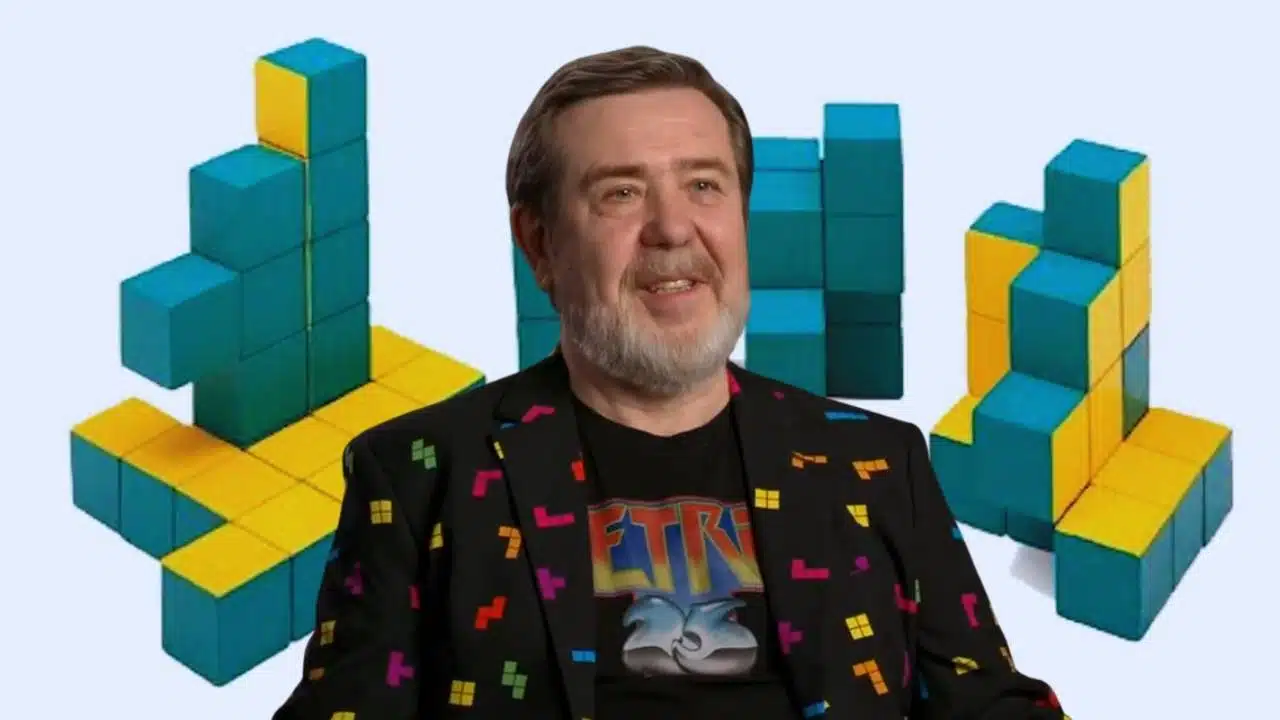
You’ve played Tetris, the falling block game that has sold millions of copies worldwide. But have you ever wondered if its creator got rich from this mega-hit? Did Alexey Pajitnov make money from Tetris? The answer might shock you.
Pajitnov created Tetris in 1984 while working at the Soviet Academy of Sciences in Moscow. For many years, he earned almost nothing from his world-famous game. The Soviet government owned all work created by its citizens.
This meant that Pajitnov watched as his game made millions for others while he got almost nothing. His story shows how creators can lose control of their work. Read on to learn how this changed.
Key Takeaways
- Alexey Pajitnov created Tetris in 1984 but earned nothing for over ten years because Soviet law gave all rights to the government.
- While Nintendo sold 35 million copies of Tetris with Game Boy, Pajitnov watched others profit from his creation.
- After the Soviet Union collapsed in 1991, Pajitnov moved to the United States to fight for his rights.
- In 1996, he formed The Tetris Company with business partner Henk Rogers, finally gaining control of his game.
- Today, Pajitnov earns money through licensing deals across gaming platforms, merchandise, and even movie rights.
Why Alexey Pajitnov Didn’t Initially Earn from Tetris
Alexey Pajitnov created one of the world’s most famous games but didn’t see a penny from it for years. The Soviet government owned all work created by its citizens, taking full control of Tetris and its profits while Pajitnov watched others get rich from his creation.
How did Soviet ownership affect Tetris profits?
Soviet ownership of Tetris meant all profits went to ELORG, not to the game’s creator. In the Soviet Union, the state owned everything made by its citizens while they worked at government jobs.
The Soviet company ELORG took all the money from Tetris sales around the world. They sold rights to companies in other countries and kept all the cash. This system left Pajitnov with nothing from his brilliant invention that millions of people loved.
The lack of copyright laws in the Soviet system made things worse for Pajitnov’s compensation. His employment at the Soviet Academy of Sciences meant his work belonged to the government, not to him.
While Tetris spread across the globe and made millions in revenue, the profits filled Soviet coffers instead of rewarding the inventor. This unfair distribution of profits lasted for years, with licensing deals and distribution rights bringing no financial gain to the man who created the world-famous puzzle game.
Why did Pajitnov’s employment under the Soviet Academy matter?
Alexey Pajitnov worked at the Soviet Academy of Sciences when he created Tetris in 1984. His job status proved critical to his financial future. The Soviet government owned all work created by its employees during that time.
This rule meant Tetris legally belonged to the state, not to Pajitnov himself. The Soviet rules about intellectual property were strict and clear. Any games, software, or inventions made by workers became state property right away.
This employment situation blocked Pajitnov from earning money from his famous creation for more than ten years. While Tetris spread across the world and made millions in profits, none of that money went to its actual creator.
The Soviet state collected all royalties and licensing fees instead. Pajitnov watched his game become a global hit without receiving a single dollar in payment. His status as a Soviet employee cost him what would have been a massive personal fortune during those early years.
How Did Tetris Become Popular Without Earning Money for Pajitnov?
Tetris spread across the world through a complex web of licensing deals that left its creator empty-handed. While millions played the addictive block-stacking game on their Game Boys and computers, Alexey Pajitnov earned nothing.
The Soviet government, through its agency ELORG, claimed all rights to his creation since he made it while working at the Soviet Academy of Sciences. They pocketed every dollar from the global success.
Game companies in the West fought over Tetris rights, making millions in sales. Nintendo alone sold 35 million copies bundled with Game Boy systems. The game became a cultural phenomenon in the 1980s and 1990s, appearing on over 65 platforms worldwide.
Foreign companies rushed to license Tetris because players couldn’t stop playing once they started. The simple yet challenging gameplay crossed all age and cultural barriers. ELORG managed all the money from these deals while Pajitnov watched his creation conquer the world from afar.
He couldn’t protest or claim ownership under Soviet law. His situation highlights the harsh reality of game development and intellectual property rights during the Cold War era. The Soviet system took his work and profited from it, leaving the true creator with nothing but the pride of having made one of the most popular games ever.
Regaining Rights to Tetris
Alexey Pajitnov finally got his Tetris rights back after the Soviet Union fell apart in 1991. He teamed up with businessman Henk Rogers to create The Tetris Company in 1996, which gave him control over his famous creation at last.
What changed after the Soviet Union collapsed?
The Soviet Union fell apart in 1991, which changed everything for Tetris creator Alexey Pajitnov. Before this, the Soviet government owned all rights to his game. They took all the money while he got nothing from his creation.
The collapse freed him from these strict rules about who owned creative work. He could finally fight for what was rightfully his after years of watching others profit from his genius.
Pajitnov moved to the United States that same year, marking a huge turning point in his battle for Tetris ownership. In America, he had more legal options to claim his intellectual property.
This move let him work with business partner Henk Rogers to form The Tetris Company in 1996. Together, they took back control of the game’s rights and set up proper licensing deals.
For the first time, Pajitnov started earning money from the worldwide hit he had created years earlier.
How was The Tetris Company formed with Henk Rogers?
The Tetris Company was born in 1996 when Alexey Pajitnov joined forces with his friend Henk Rogers. After years of watching others profit from his creation, Pajitnov finally had a chance to control his game’s future.
Rogers, who had helped bring Tetris to Nintendo earlier, became the perfect partner for this new venture. Together they created a company that would manage all Tetris licensing and protect the brand worldwide.
This partnership changed everything for Pajitnov. The Tetris Company gave him rights to earn money from his famous game for the first time. The company took charge of all licensing deals, making sure Tetris appeared on new platforms while keeping its core gameplay intact.
Through this collaboration, Pajitnov gained both control and income from his creation. The company still manages the Tetris brand today, showing how strong their partnership has been for the game’s legacy.
What Was the Relationship Between Henk Rogers and Alexey Pajitnov?
Henk Rogers and Alexey Pajitnov formed a friendship that changed gaming history. Their partnership began when Rogers saw the value in Tetris and fought to secure its rights. Unlike others who simply wanted to profit from Pajitnov’s creation, Rogers cared about the creator himself.
He worked hard to help Pajitnov gain control of his own game after years of getting nothing under Soviet rule. This showed true respect for creators’ rights in the video game world.
The pair built a strong business agreement through The Tetris Company, which they formed together. Rogers handled the tough talks and deals while Pajitnov focused on game development.
Their success came from mutual trust and shared goals. Thanks to Rogers’ business skills and Pajitnov’s genius design, they turned Tetris from a stolen idea into a properly managed property.
This collaboration proves how much can be gained through perseverance and fair partnership in the gaming industry.
How Does Alexey Pajitnov Earn Money Today?
Alexey Pajitnov now earns money through licensing deals and royalties from The Tetris Company, which has grown into a profitable business managing one of gaming’s most iconic properties.
What licensing deals and royalties does Pajitnov receive?
The creator of Tetris now gets paid for his famous game. Through The Tetris Company, he earns money from many deals and agreements.
- Pajitnov gets a share of all Tetris sales across gaming platforms like Nintendo, PlayStation, Xbox, and mobile devices.
- The Tetris Company has deals with major game makers who pay fees to use the Tetris name and design.
- Mobile game versions bring in steady income through app stores, with millions of downloads each year.
- Merchandise sales include Tetris-branded clothes, toys, and other items that generate royalty payments.
- Movie and TV rights have become a new source of profit, especially after the 2023 Apple TV+ Tetris film.
- Arcade versions of the game continue to earn money in gaming centers worldwide.
- Special anniversary editions and re-releases create spikes in revenue during milestone years.
- Competitive gaming tournaments featuring Tetris provide both direct income and marketing value.
- Educational licensing allows Tetris to be used in schools and learning programs for a fee.
- Crossover deals with other popular games or brands create new income streams through joint ventures.
How has The Tetris Company grown over time?
The Tetris Company has grown into a major force in the gaming world since it was formed. It started small but now controls how Tetris appears on many devices and platforms. The company makes sure that when you play Tetris on your phone, computer, or game console, it looks and feels right.
This careful brand management has helped Tetris stay popular for decades.
Tetris now shows up in more formats than ever before, from mobile apps to big gaming systems. The company’s smart licensing deals have kept the game fresh while staying true to what makes it fun.
They have built strong ties with game makers around the world. This growth has turned Tetris from a simple puzzle game into a lasting brand that keeps making money for Pajitnov and his business partners.
Takeaways
Alexey Pajitnov’s path to earning money from Tetris shows how hard it can be for game creators. He made one of the most famous games ever but waited over ten years to get paid for his work.
Thanks to his friendship with Henk Rogers and the fall of the Soviet Union, he finally got his rights back. Today, Pajitnov gets money from Tetris through The Tetris Company and its many deals with game makers.
His story reminds us that making a hit game doesn’t always mean instant wealth, but patience can pay off in the end.
FAQs
1. Did Alexey Pajitnov make money when he first created Tetris?
No. When Pajitnov created Tetris in 1984, he worked for a Soviet government agency. The Soviet state owned all his work, so he got no money from early Tetris sales. This was normal under Communist rules at that time.
2. When did Pajitnov finally start earning money from Tetris?
Pajitnov only began getting royalties in 1996, about 12 years after creating the game. He moved to the United States and formed The Tetris Company with Henk Rogers. This company finally let him profit from his famous creation.
3. How much money has Tetris earned overall?
Tetris has made billions of dollars worldwide since its creation. It became one of the best-selling video games ever, with versions on almost every gaming platform. The game continues to make money today through new releases and merchandise.
4. Is Alexey Pajitnov wealthy now because of Tetris?
While not as rich as many might expect, Pajitnov now receives regular income from Tetris. He lives comfortably but isn’t a billionaire. The years when he got nothing from his creation meant he missed out on the biggest early profits from the worldwide Tetris craze.