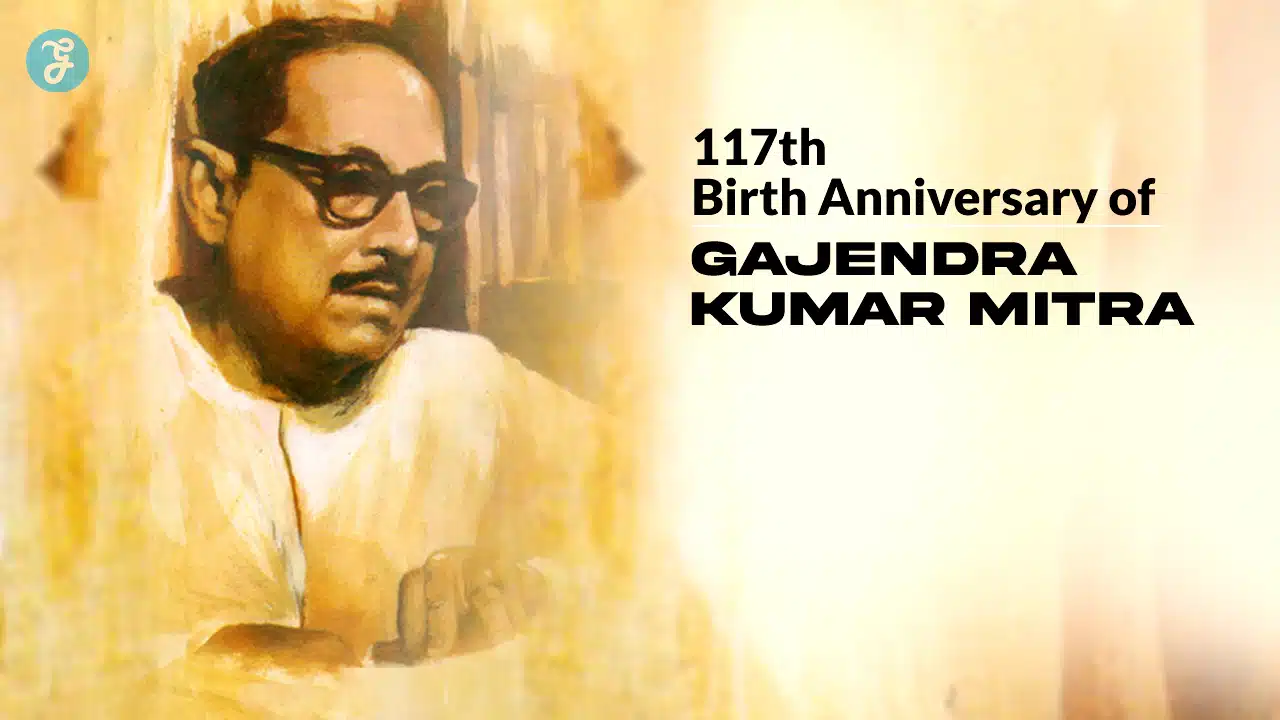
Ever feel like you’re missing out on some of the most powerful stories in Bengali literature? It can be tough to find those truly special writers who tell honest stories in a simple, beautiful way.
If you’re looking for tales that feel real and characters that stay with you, I think you’ll love the works of Gajendrakumar Mitra.
He was a masterful storyteller whose books truly captured the heart of modern Bengali life. This little guide will walk you through his journey, from his early days to his most famous literary works and the awards he earned, like the Sahitya Akademi Award.
Let’s get to know this celebrated writer together.
Key Takeaways
- Gajendrakumar Mitra was born in Kolkata on November 11, 1908, and passed away on October 16, 1994.
- He co-founded the influential publishing house Mitra & Ghosh Publishers in 1934, giving a platform to many writers.
- He won the prestigious Sahitya Akademi Award in 1959 for his novel “Kolkatar Kachhei,” a landmark work in Bengali literature.
- Mitra also received other major honors, including the Ananda Puraskar in 1950 and the Rabindra Puraskar in 1965.
- His major works include the Calcutta Trilogy (“Kolkatar Kachhei,” “Upakanthe,” and “Paush-Faguner Pala”) and the supernatural Aloukik Samagra series.
- His writing is known for its simple language and realistic portrayal of the Bengali middle class, focusing on themes of family, social change, and everyday struggles.
What Is Known About Gajendrakumar Mitra’s Early Life?
Gajendrakumar Mitra was born on November 11, 1908, right in the heart of Kolkata. His childhood was deeply connected to the city’s busy streets and vibrant markets. The family faced very difficult times when his father passed away early in his life.
With money being scarce, a young Gajendrakumar had to step up and help support his family. He studied at South Suburban School and later attended Ashutosh College, both well-known institutions. But his real education often came from the books that became his closest companions.
He found comfort and escape in reading while life presented him with challenges. This early love for stories fueled his passion. In 1934, he took a major step that would shape his future and Bengali literature itself, co-founding the now-famous publishing house Mitra & Ghosh Publishers with Sumathanath Ghosh. This early struggle and dedication lit the fire that made Gajendrakumar Mitra a beloved Bengali author and publisher of Bengali novels.
Major Literary Works of Gajendrakumar Mitra
Over his lifetime, Gajendrakumar Mitra wrote around 150 books, including many cherished Bengali stories, poems, and collections. His work invites readers into the intimate lives of families, the bustling streets of Kolkata, and sometimes even into the realm of the supernatural.
What is the significance of Kolkatar Kachhei?
Kolkatar Kachhei (meaning “Near Kolkata”) offers a powerful look into the lives of ordinary people in the city’s suburbs during the 1940s and 1950s. This was a period of immense change, especially after the partition of India in 1947, and Mitra captured the feeling of the era perfectly.
He described the crowded neighborhoods and striving middle-class families with incredible detail, showing both their daily struggles and their moments of joy. The novel is celebrated for its true-to-life storytelling, which made it one of the most important works in modern Bengali literature.
The book stands out because it uses simple language to explore deep social shifts. It’s a story about dreams, loss, and the enduring strength of family. For this masterpiece, Gajendra Kumar Mitra won the Sahitya Akademi Award in 1959, cementing its place as a classic.
What themes are explored in Panchajanya?
Panchajanya dives deep into themes of loss, hope, and social change, with family bonds at its core. The title itself is significant, as “Panchajanya” is the name of Lord Krishna’s conch in the epic Mahabharata, which was blown to signal the start of a great battle.
Just like its namesake, the novel explores the moral battles within its characters. It highlights the struggle between old traditions and emerging modern ideas, forcing each person to confront difficult choices. Gajendra Kumar Mitra uses this story to ask probing questions about poverty and fairness in society.
The narrative is woven with Bengali culture and faith, showing how these elements provide strength during dark times. It’s a book that honestly examines human nature and the shifting values of a generation.
What does the Aloukik Samagra Series include?
The Aloukik Samagra series is where Gajendrakumar Mitra let his imagination wander into the strange and supernatural. This collection of stories is a treat for anyone who loves a good mystery with a touch of folklore.
- This series gathers tales that blend the ordinary world with unseen, magical, and sometimes spooky elements.
- Each story is rooted in Bengali culture, drawing from folk beliefs and mysterious events that keep you guessing.
- Mitra uses his classic simple prose to describe everyday people who find themselves in very odd situations.
- The stories are filled with village myths and city superstitions, making them feel both familiar and unsettling.
- You’ll find humor mixed in with the supernatural, as not all spirits are scary. Some might be quirky or even have a bit of gossip to share!
What are the key aspects of the Calcutta Trilogy?
While the original article mentioned a “Satyabati Trilogy,” Mitra is most renowned for his epic trilogy about the Bengali middle class, which is often called the Calcutta Trilogy. This series is a cornerstone of Bengali literature for its profound look at society over time.
The three novels in this series are
- Kolkatar Kachhei
- Upakanthe (On the Outskirts)
- Paush-Faguner Pala (The Tale of the Months of Paush and Falgun)
Together, these books chronicle the lives, dreams, and disappointments of families living in and around Kolkata. You see the city change through their eyes, as they navigate shifting social norms, financial struggles, and personal triumphs. It’s a powerful and realistic portrayal of a generation.
Awards and Recognitions of Gajendrakumar Mitra
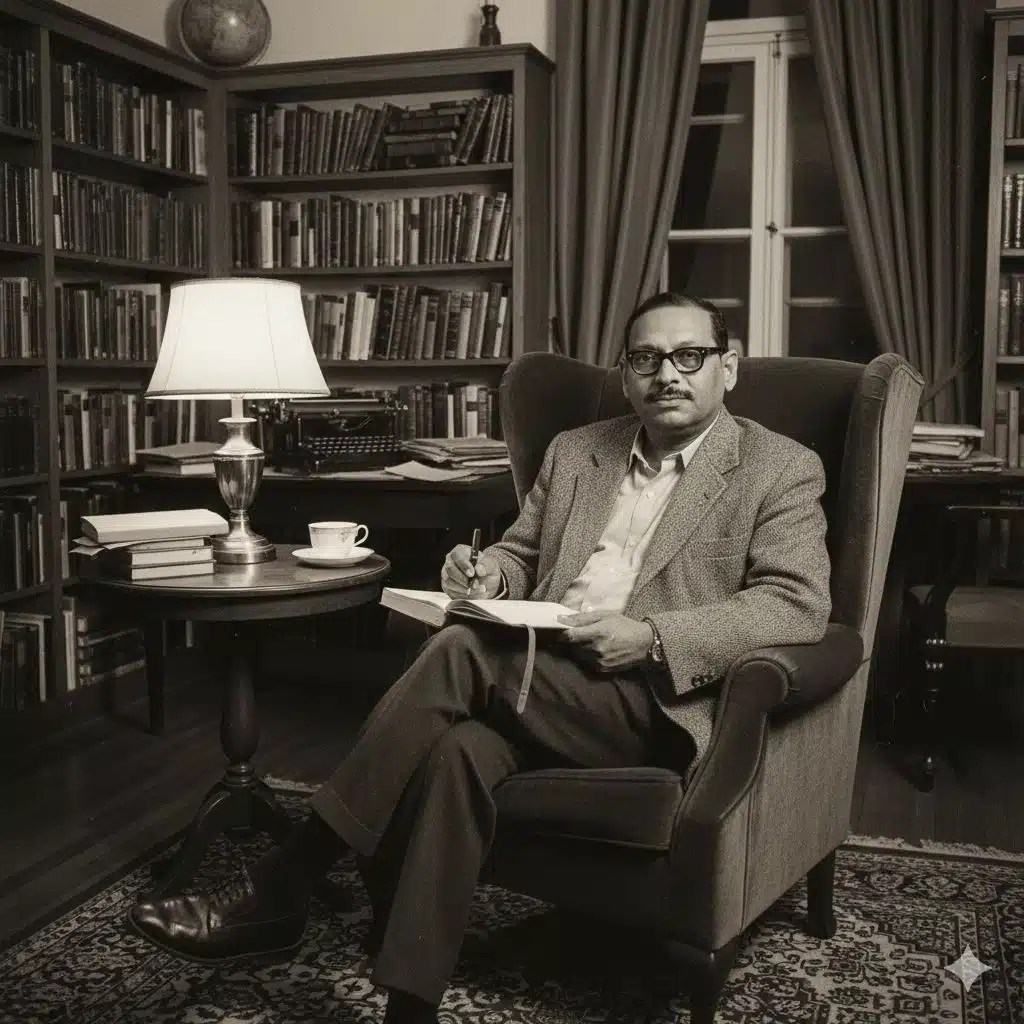
Gajendrakumar Mitra’s work earned him great respect from both readers and critics. His awards highlight his immense contribution to Bengali writing and Indian literature as a whole.
What is the Sahitya Akademi Award and when did Mitra receive it?
The Sahitya Akademi Award is one of India’s highest literary honors, presented each year by the Sahitya Akademi, India’s National Academy of Letters. This award recognizes the most outstanding books published in any of the major Indian languages.
Gajendrakumar Mitra received this prestigious award in 1959 for his novel “Kolkatar Kachhei.” This win officially recognized him as one of the leading voices of his generation.
But that wasn’t his only major honor. He also received two other significant awards that celebrated his literary genius:
- Ananda Puraskar (1950): One of the most esteemed literary awards in Bengali literature.
- Rabindra Puraskar (1965): The highest literary honor awarded by the state of West Bengal, which he won for his novel *Paush-Faguner Pala*.
What Themes and Writing Style Define Gajendrakumar Mitra’s Work?
Family, society, and the impact of change are the pillars of Gajendrakumar Mitra’s stories. He had an incredible ability to explore everyday life in Kolkata with unflinching honesty. His characters feel like people you could know, not just names on a page. In “Kolkatar Kachhei,” they grapple with the problems of a rapidly growing city, while “Panchajanya” shows the moral struggles of ordinary people.
His writing style feels warm and simple, yet it is incredibly sharp.
Dialogues flow like real conversations you might overhear in a market. He didn’t need fancy words to convey deep meaning. Humor often finds its way into his writing, even during difficult moments, creating a balance of laughter and sorrow. He painted vivid pictures with clear language, bringing the lives of the Bengali middle class to readers everywhere.
How Has Gajendrakumar Mitra Influenced Bengali Literature?
Gajendrakumar Mitra left a lasting mark on Bengali literature with his realistic stories and unforgettable characters. Novels like the Calcutta Trilogy gave an honest and empathetic voice to the urban middle class, making their lives and concerns a central theme for future writers.
He inspired younger authors to write about real social issues. His use of natural, everyday language made literature more accessible and relatable to a wider audience. The Sahitya Akademi Award he won in 1959 brought national attention to modern Bengali fiction and its powerful storytellers.
Perhaps his most enduring legacy, outside of his own writing, is the publishing house he co-founded, Mitra & Ghosh Publishers. For decades, it has been a platform that discovered and promoted new talent, shaping the course of Bengali literature long after he was gone.
Takeaways
The stories from Gajendrakumar Mitra’s pen continue to resonate in Bengali homes, capturing life with all its hope and grit. He had a gift for using simple words to explore deep emotions and timeless struggles.
Each book offers a taste of Kolkata and the human heart.
His legacy is not just in the awards he won but in the readers who still find comfort and truth in his stories today. That is the kind of magic every writer hopes to leave behind.
FAQs on Gajendrakumar Mitra
1. What are some of Gajendrakumar Mitra’s most famous literary works?
His most celebrated work is the novel “Kolkatar Kachhei,” but readers also love his sprawling family saga, “Paush Faguner Pala.” Many know him for his acclaimed trilogy that explores life on the outskirts of a growing city.
2. How did Gajendrakumar Mitra influence Bengali literature?
He shifted the focus of Bengali fiction to the realistic depiction of middle-class urban life and its challenges. His stories provided a departure from the more romanticized narratives of the time by exploring characters with deep psychological complexity.
3. Did Gajendrakumar Mitra receive any awards for his achievements?
Yes, he won the prestigious Sahitya Akademi Award in 1959 for “Kolkatar Kachhei” and later received the Rabindra Puraskar in 1964 for “Paush Faguner Pala.”
4. What themes did Gajendrakumar Mitra explore in his books?
His novels often examined the decline of the traditional joint family system in the face of urbanization. He frequently focused on the inner lives and social struggles of women within these changing family structures.